2026年5月24日星期日

Injection Pen Manufacturer for FDA Market: ISO13485-Certified Partner for Biologics and Combination Products

 Entering the U.S. medical device and pharmaceutical market requires more than an innovative product-it requires a manufacturing partner capable of meeting strict regulatory, quality, and supply chain expectations.


For injection pens used in biologics, insulin, peptides, and GLP-1 therapy, manufacturers must support not only device performance, but also compliance with the requirements of the U.S. Food and Drug Administration.


As an ISO 13485 certified manufacturer, Xinfuda provides reusable injection pen solutions designed to support pharmaceutical companies entering FDA-regulated markets.
What FDA’s 503B Proposal Means for Biopharmaceuticals

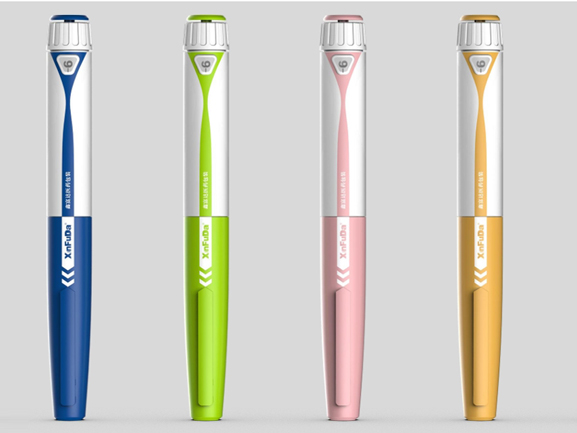
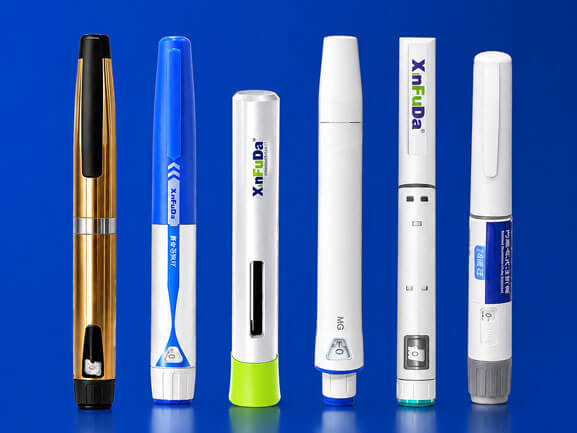
injecion pen types

Understanding FDA Expectations for Injection Pen Manufacturers


Injection pens used with biologics are commonly regulated as combination products in the United States. This means pharmaceutical companies must ensure both the drug and device meet regulatory expectations throughout development and commercialization.


For injection pen manufacturers, FDA market readiness typically involves:


Design control compliance

Risk management systems

Manufacturing process validation

Human factors engineering (HFE)

Traceability and documentation control

Stable long-term production capability


Regulatory compliance is not only about approval—it is about maintaining product consistency and patient safety across the entire lifecycle.


Why ISO13485 Certification Matters


For pharmaceutical companies selecting an injection pen partner, ISO13485 certification is often considered a minimum qualification requirement.


Xinfuda’s ISO13485-certified quality management system supports:


Controlled manufacturing processes

Component and batch traceability

CAPA and change control systems

Validation and inspection procedures

Consistent product quality


This helps pharmaceutical companies reduce supplier qualification risk and improve regulatory readiness for global markets.
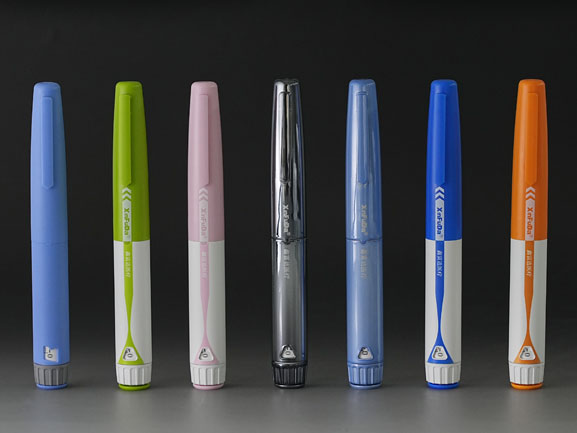
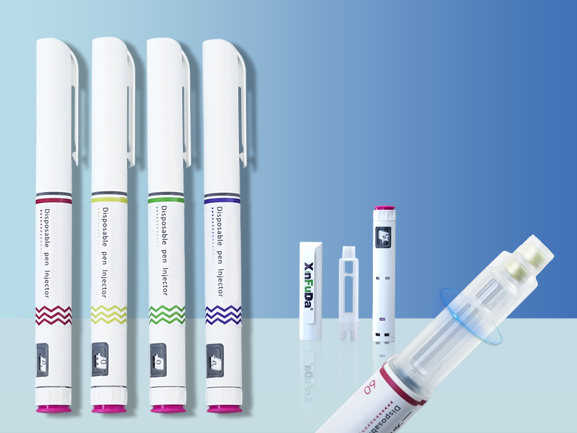
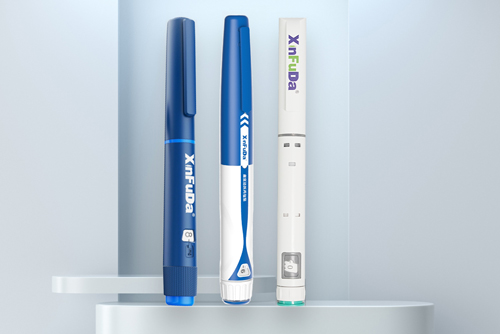
reusable pen injector

reusable pen

Reusable Injection Pens for Modern Biologics Delivery


Reusable injection pens are becoming increasingly important in chronic therapies due to their advantages in sustainability, patient adherence, and long-term cost efficiency.


Instead of discarding the entire device after use, patients replace only the cartridge while continuing to use the same pen platform.


This approach is especially suitable for:


GLP-1 therapies

Insulin delivery

Peptide drugs

Growth hormone treatments

Long-term biologics administration

Engineering Capabilities for FDA-Regulated Markets


Injection pen systems for biologics require precise engineering and reliable performance.


Key capabilities include:


Precision Dose Accuracy


Consistent and accurate dose delivery is critical for biologics and high-value formulations.


Low Injection Force


Optimized injection mechanisms improve usability for chronic care patients and self-injection applications.


Cartridge Compatibility


Reusable pen platforms support cartridge replacement systems for multi-dose therapies.


Durable Mechanical Structure


Long lifecycle performance is essential for reusable device platforms.


Supporting Combination Product Development


For pharmaceutical companies developing drug-device combination products, Xinfuda supports:


Device customization

OEM/ODM development

Design optimization

Technical documentation support

Verification and validation processes


This helps accelerate development timelines while maintaining compliance alignment.


Why Pharmaceutical Companies Choose Long-Term Device Partners


In FDA-regulated markets, selecting an injection pen manufacturer is a strategic decision.


Pharmaceutical companies increasingly prioritize:


Regulatory-ready suppliers

ISO13485-certified manufacturing

Engineering support capability

Long-term production stability

Combination product experience


A strong manufacturing partner reduces regulatory risk while improving commercialization efficiency.


The U.S. market demands injection pen manufacturers capable of combining engineering precision, regulatory compliance, and scalable production. With ISO13485-certified manufacturing systems, reusable injection pen expertise, and support for biologics and combination products, Xinfuda helps pharmaceutical companies build compliant and reliable drug delivery platforms for FDA-regulated markets.

2026年4月7日星期二

Injection Pen for Pharmaceutical, Hospital, and Smart Use

 Injection pens are essential tools in modern healthcare, providing pharmaceutical injection solutions that ensure precise dosing and improve patient adherence. With customizable options, pharmaceutical companies can tailor these devices to meet specific therapeutic needs. From hospital-grade injection devices to innovative drug-device combination pens, these tools streamline administration and enhance treatment efficiency.


Injection Pen for Pharmaceutical, Hospital, and Smart Use

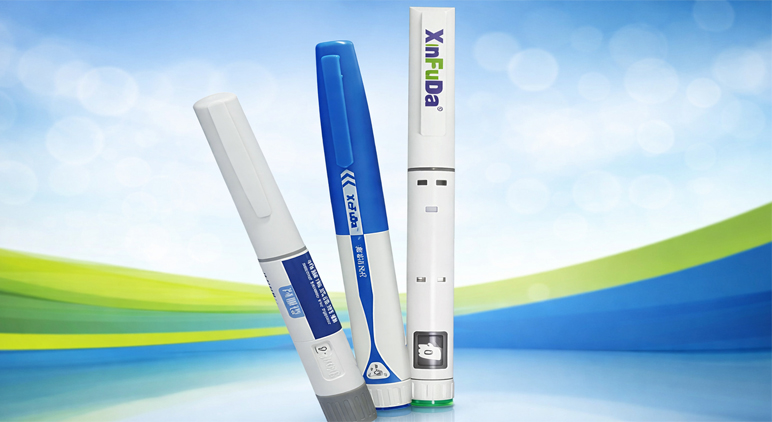
Injection pen for pharmaceutical and hospital use


Product Development and Drug-Device Combination

Drug-Device Integration for Pharma

A drug-device combination pen integrates therapies such as biologics, insulin, or growth hormones with precise dosing capabilities. Customizable injection pens enable branding and dosage adjustments, supporting product differentiation and regulatory compliance while enhancing patient adherence.


Clinical and Hospital Administration

Hospital injection devices simplify the management of chronic diseases by standardizing therapy delivery and reducing dosing errors. Pharmaceutical injection pen solutions improve efficiency in hospitals and clinics, making long-term treatment safer and more convenient.


Customization and Smart Features

Smart and Data-Driven Injection Pens

Modern pens incorporate digital tracking and smart features, enabling remote monitoring and data-driven management. Drug-device combination pens with customizable options support improved patient outcomes and enhanced operational efficiency.


Conclusion

In summary, pharmaceutical injection pens, customizable injection pens, hospital injection devices, and drug-device combination pen solutions offer safer, more efficient, and patient-friendly medication delivery for pharmaceutical companies, hospitals, and smart healthcare applications.

2025年11月26日星期三

The Ultimate Guide to Eye Drop Bottle Material: LDPE vs. HDPE & Beyond

 If you're developing an ophthalmic solution, you know that the formulation is everything. But did you know that the eye drop bottle material is just as critical to your product's success? The wrong choice can lead to stability issues, drug absorption, and even patient harm.


As a trusted eye drop bottle manufacturer, we help pharmaceutical companies navigate this crucial decision every day. In this comprehensive guide, we’ll break down the most common materials used, their properties, and how to choose the right one for your specific application.

FDA warns consumers about potential risks of using eye drops packaged in bottles with loose safety seals

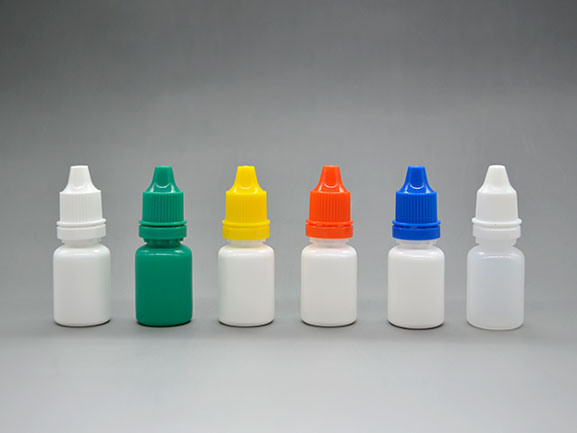
eye drop bottles

Why the "Container" is a Critical Component

The eye is exceptionally sensitive. The plastic bottle housing your solution must be:


Inert: It cannot interact with or absorb the active pharmaceutical ingredients (APIs).


Sterilizable: It must withstand sterilization processes like gamma irradiation or ETO without degrading.


Durable: It must protect the solution from external contaminants and environmental factors.


Squeezable: It must allow for easy, controlled dosing by the patient.


The material you select directly impacts all these factors. Let's compare the two most common contenders.


LDPE vs. HDPE: The Head-to-Head Comparison

Most eye drop bottles are made from polyolefins, with Low-Density Polyethylene (LDPE) and High-Density Polyethylene (HDPE) being the industry standards.

FeatureLow-Density Polyethylene (LDPE)High-Density Polyethylene (HDPE)
FlexibilityHigh (Soft, squeezable)Low (Semi-rigid, harder to squeeze)
Chemical ResistanceGood (But can be permeable to some gases/vapors)Excellent (Superior barrier properties)
ClarityTranslucentOpaque or Translucent
Impact StrengthHigh (Less prone to cracking)High
Common UseStandard multi-dose eye dropsPreservative-free systems, sensitive formulations

Deep Dive into the Materials

1. Low-Density Polyethylene (LDPE)

LDPE is the most common material for eye drop bottles, and for good reason.


Pros: Its high flexibility makes it incredibly user-friendly. Patients with reduced hand strength, such as the elderly or those with arthritis, find LDPE bottles easy to squeeze for a consistent drop. It offers good chemical resistance for a wide range of ophthalmic solutions.


Cons: LDPE has relatively higher gas and vapor permeability compared to HDPE. This means oxygen and carbon dioxide can potentially pass through the container walls over time, which could be a concern for extremely oxygen-sensitive formulations.


Best For: The vast majority of multi-dose eye drops, especially those containing preservatives.

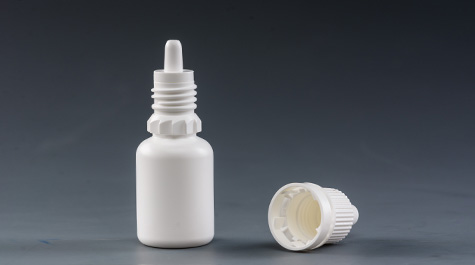
Structure design of eye drop bottle

5ml eye dropper bottle

2. High-Density Polyethylene (HDPE)

HDPE is the strong, robust counterpart to LDPE.


Pros: Its superior barrier properties make it the gold standard for protecting sensitive formulations from external gases and moisture. This is critical for preservative-free multi-dose eye drops that rely on the container itself (often with a special filter) to maintain sterility. It is also more rigid, which can help prevent accidental squeezing during shipping.


Cons: The lower flexibility can make it harder for some patients to administer a drop, potentially affecting compliance.


Best For: Preservative-free formulations, sensitive drugs prone to oxidation, and products requiring an extra-strong moisture barrier.


Beyond LDPE and HDPE: Other Material Considerations

While LDPE and HDPE cover 95% of the market, other options exist for specialized applications:


PET (Polyethylene Terephthalate): Used for some single-dose, preservative-free systems. PET offers excellent clarity and barrier properties but is not squeezable in the same way—it’s often used in blow-fill-seal technology.


PP (Polypropylene): Often used for the bottle cap and dropper tip due to its high rigidity and chemical resistance.


5 Key Factors for Choosing Your Eye Drop Bottle Material

How do you make the final decision? Ask these critical questions:


What is the Sensitivity of Your Formulation? Is it prone to oxidation or moisture degradation? If yes, HDPE is likely your best bet.


Is Your Product Preservative-Free? For multi-dose preservative-free systems, the superior barrier of HDPE is almost always required to work in tandem with the filtration system.


Who is Your Target Patient? For a geriatric market, the easy squeezability of LDPE can greatly improve user experience and compliance.


What is Your Sterilization Method? Both LDPE and HDPE tolerate gamma and ETO sterilization well, but it's crucial to validate this with your manufacturer.


What are Your Clarity Needs? If seeing the solution level is a key user requirement, translucent LDPE is the preferred choice.


Partner with an Expert in Ophthalmic Packaging

The choice between LDPE and HDPE is not just a technical specification—it's a strategic decision that affects drug stability, patient compliance, and ultimately, the success of your product.


At Xinfuda, we don't just sell bottles; we provide packaging solutions. Our technical experts will work with you to analyze your formulation, target market, and regulatory needs to recommend the perfect eye drop bottle material for your product.


Ready to make the right choice for your ophthalmic solution?

2025年11月18日星期二

COP vs. COC: A Clear-Cut Breakdown for Pharmaceutical Packaging Decisions

 In the high-stakes world of biopharmaceuticals, the primary container isn't just a bottle—it's a critical component of the drug product itself. For decades, borosilicate glass was the undisputed king. But its reign is being challenged by inherent issues like delamination, glass fragments, and pH shift.


Enter the high-performance polymers: Cyclo Olefin Polymer (COP) and Cyclo Olefin Copolymer (COC). These transparent, inert materials are revolutionizing packaging for sensitive biologics, cell and gene therapies, and mRNA vaccines. But when it comes to choosing between them, which one is right for your molecule?


The answer isn't a simple one. While often grouped together, COP and COC have distinct differences that can make or break a drug's stability, manufacturability, and shelf life. Let's break down the key differentiators.


cz-vials.jpg

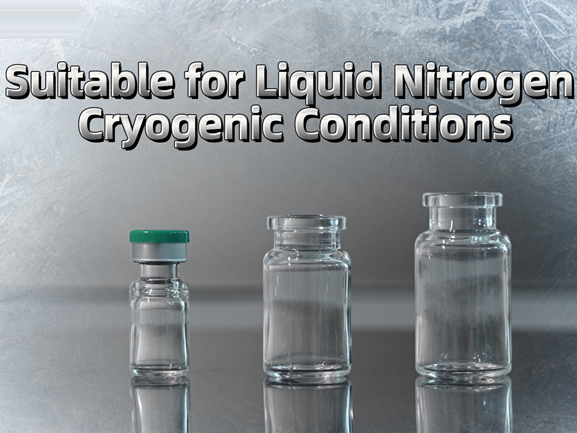
COP vial for cell

The Common Ground: Why Both Are Superior to Glass

First, it's crucial to understand why COP and COC are both excellent choices over traditional glass or other plastics. They share several game-changing advantages:


Exceptional Purity & Inertness: Both are free of metal ions, plasticizers, and hydrolyzable monomers, virtually eliminating the risks of delamination, pH shift, and leachables.


High Transparency: They offer glass-like clarity for easy visual inspection of contents.


Low Protein Absorption: Their smooth, non-polar surfaces minimize the adhesion of sensitive biologic drugs, ensuring accurate dosing.


Superior Moisture Barrier: They provide significantly better protection against water vapor than other plastics like PP or PET.


Outstanding Toughness: They are shatter-resistant, enhancing patient and worker safety, especially in cold chain handling.


The Head-to-Head Breakdown: COP vs. COC

The core difference lies in their molecular structure: COP is a homopolymer (a single monomer), while COC is a copolymer (two different monomers). This fundamental distinction drives their performance variations.


Feature Cyclo Olefin Polymer (COP) Cyclo Olefin Copolymer (COC) The Bottom Line for Pharma

Glass Transition Temp (Tg) Fixed Tg for a given grade. Tunable Tg. Can be engineered across a wide range (e.g., 70°C - 170°C). COC wins on flexibility. You can select a grade with a Tg perfectly suited for your process, whether it's autoclaving or fill-finish.

Moisture Barrier Best-in-class. The homogeneous structure provides an exceptional barrier against water vapor. Excellent, but typically slightly lower than COP. COP wins for ultra-sensitive applications. It's the gold standard for protecting lyophilized products and drugs with long shelf lives.

Chemical Resistance Excellent against a wide range of chemicals. Excellent, comparable to COP. It's a tie. Both offer superb compatibility with most biopharmaceutical formulations.

Processability Good, but has a narrower processing window. Superior. Excellent melt flow stability for easier, high-yield injection molding. COC wins on manufacturability. It's ideal for complex designs like intricate pre-filled syringes and auto-injector components.

Density Very low (~1.02 g/cm³). Low, similar to COP. COP has a slight edge. Lower density can mean more units per kilogram of material.

Application Scenarios: How to Choose

Your choice shouldn't be about which polymer is "better," but which is optimal for your specific drug and delivery system.


Choose COP if your priority is:


The Ultimate Moisture Barrier: For lyophilized (freeze-dried) drugs, sensitive vaccines, or any product where even minute moisture ingress can compromise stability, COP's superior barrier is the safest bet.


Proven Long-Term Stability: When you have a high-value biologic and want the most conservative, data-backed polymer option for primary packaging, COP is often the preferred starting point.


Choose COC if your priority is:


High-Temperature Resistance: If your drug requires autoclaving or your fill-finish process involves high temperatures, a high-Tg grade of COC will maintain its structural integrity.


Complex Device Design: For advanced drug-delivery systems like auto-injectors, dual-chamber syringes, or complex pre-filled syringes, COC's excellent flow and molding characteristics lead to higher manufacturing yields and precision.


Design Flexibility: The ability to tune Tg allows you to custom-match the material's properties to your exact process and product needs.


Conclusion: The Specialist vs. The All-Rounder

In the end, think of it this way:


COP is the Specialist. It excels in its core competency: providing an unmatched, rock-solid moisture barrier for the most sensitive injectables. It's the go-to for uncompromising protection.


COC is the Versatile All-Rounder. Its tunable Tg and superior processability make it incredibly adaptable to a wide range of applications, from high-heat processes to complex combination products.


The best path forward is to engage with material suppliers and packaging partners early in your development process. By conducting rigorous compatibility and stability studies with both polymers, you can generate the data needed to make the right, science-driven decision for your drug's success.

2025年10月28日星期二

ISO 11608 Compliance Guide for Pen Injector Manufacturers

 As self-injection devices continue to gain widespread adoption in chronic disease and biologic drug therapies, ISO 11608 has become a critical quality and safety standard for pen injector development and manufacturing. For pharmaceutical companies and device suppliers, understanding and complying with this standard is essential to ensure product performance, patient safety, and global market approval.


This guide provides a clear overview of ISO 11608 requirements, key compliance areas, and practical recommendations for pen injector manufacturers.


How to Use Disposable Insulin Injection Pen: A Step-by-Step Guide

Disposable Pen Injectors


1. What is ISO 11608?


ISO 11608 is the international standard that regulates needle-based injection systems (NIS) used for medical drug delivery. It specifies performance, design, testing, and safety requirements to ensure that injection devices deliver accurate doses in a reliable and user-safe manner.


The standard consists of multiple parts:


Part Scope   Applicable to Pen Injectors
ISO 11608-1Design & performance requirements Yes 
ISO 11608-2Needles and connections Yes 
ISO 11608-3Containers (e.g., cartridges) Yes 
ISO 11608-4Electronic and digital NIS Optional 
ISO 11608-5Automated functionsOptional 
ISO 11608-6On-body delivery systemsPartial relevance


For pen injector manufacturers, ISO 11608-1, 11608-2, and 11608-3 are the core compliance focus.


2. Key ISO 11608 Requirements for Pen Injectors


To comply with the standard, manufacturers must prove that the device consistently meets performance expectations throughout its intended lifecycle. The main criteria include:


Dose Accuracy

The injector must deliver precise and repeatable doses within allowable deviation limits. Testing must be conducted across different dose levels and environmental conditions.


Force to Fire / Injection Force

The device must remain easy and safe for patients to operate. ISO 11608 sets limits on the force required to activate dose delivery.


Robustness and Reliability

Pen injectors must withstand drops, vibration, and mechanical stress during shipping, storage, and daily handling—without performance loss.


Needle and Cartridge Compatibility

The design must ensure secure needle attachment, leak-proof sealing, and compatibility with standard cartridges (typically 3 mL or 1.5 mL).


Human Factors and Usability

The design must minimize user error and ensure safe operation for patients of varying age, experience, and physical limitations.


How to choose supplier for injection pen

reusable injection pen


3. Mandatory Testing for ISO 11608 Compliance


To verify compliance, pen injectors undergo a series of standardized tests. Common test categories include:


Test Category Example Testing Focus 
Dose accuracy tests Reproducibility across full dose range
Injection force tests   Force required to initiate and maintain injection
Environmental conditioning Temperature, humidity, transport simulation
Mechanical durability Drop tests, vibration, shock 
Needle safety tests  Connection integrity, leakage, removal force
 Usability & human factorsUser handling errors prevention


Manufacturers must document test methods, validation, and results as part of their technical compliance file.


4. Why ISO 11608 Matters for Pen Injector Manufacturers


Ensures global regulatory acceptance

ISO 11608 alignment supports approvals in major markets including the US, EU, UK, and Asia, often reducing regulatory review time.


Enhances patient safety & product reliability

Compliance ensures that devices function safely and consistently throughout their intended use.


Builds trust with pharmaceutical partners

Drug manufacturers require ISO-compliant device partners to reduce risks in drug–device combination products.


injection pen

Difference Between Disposable and Reusable Pen Injectors:


5. Tips for Manufacturers to Achieve ISO 11608 Compliance


Integrate compliance early in product design, not only during final testing

Conduct usability studies with real patient groups, especially for chronic diseases

Establish Quality Management Systems (QMS) aligned with ISO 13485 for device manufacturing

Choose material and component suppliers with proven medical-grade validation and stability data

Document all verification and validation steps for regulatory submission readiness


6. Conclusion


ISO 11608 compliance is not just a mandatory requirement—it's a commitment to patient safety, device performance, and pharmaceutical partnership trust.Manufacturers that fully embrace this standard enhance their competitive advantage, improve product reliability, and strengthen their position in the rapidly expanding self-injection market.


For pharmaceutical companies seeking a reliable pen injector supplier, working with an ISO 11608-compliant manufacturer ensures safety, global regulatory acceptance, and high-quality device integration for drug delivery.


2025年10月20日星期一

How ISO 13127 Mechanical Testing Ensures the Reliability of Child-Resistant Packaging

 In the pharmaceutical packaging industry, child-resistant packaging (CRP) plays a vital role in protecting children from accidental ingestion of medications. For drugs that may pose potential risks or toxicity, most international regulatory authorities require the use of packaging structures with child-resistant features. To ensure that such packaging performs reliably in real-world conditions, the international standard ISO 13127:2012, “Child-Resistant Packaging — Mechanical Test Methods”, provides a scientific and standardized testing framework.


Preventing children from opening the bottle can effectively reduce the risk of children accidentally ingesting drugs

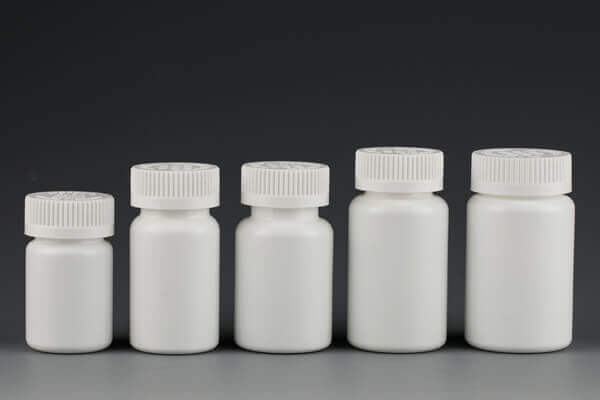
HDPE bottle with child resistant closure


1. Background: A Global Consensus on Preventing Accidental Access


With the increasing prevalence of home medication, accidental ingestion by children remains a serious public health concern.

According to the World Health Organization (WHO), unintentional drug poisoning is one of the leading causes of child injury worldwide.

To address this, regulatory authorities such as the U.S. Consumer Product Safety Commission (CPSC), the European Medicines Agency (EMA), and China’s NMPA require that potentially harmful pharmaceuticals adopt child-resistant packaging compliant with international standards.


The ISO 13127 standard was developed in this context, offering the pharmaceutical packaging industry a mechanical testing framework to objectively evaluate the protective performance of CRP systems before they reach the market.


2. Testing Principles: Simulating Real-World Opening Scenarios


The core purpose of ISO 13127 mechanical testing is to assess the balance between child resistance and adult accessibility.

The test typically focuses on critical components such as bottle caps, closures, and locking mechanisms. By simulating the physical forces and motions exerted by human hands, it verifies the consistency and reliability of the packaging design.


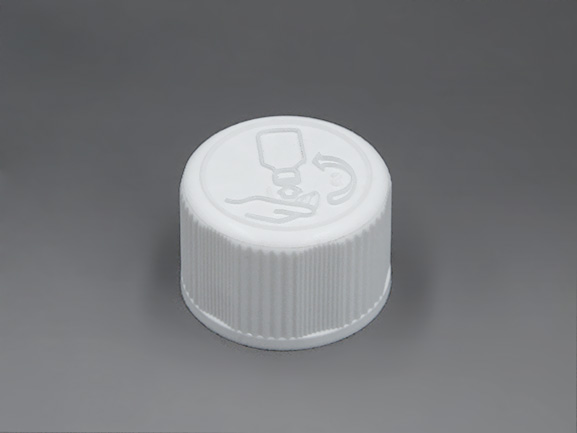
The innovative design of oral liquid bottle cap 

28mm child resistant cap for liquid


Key test types include:


a).Torque Test

   Measures the torque required to open or close the cap, ensuring that the force is high enough to prevent children from opening it easily, yet low enough for adults to operate comfortably.


   Child-resistant caps require a higher opening torque than regular caps.

   The performance must remain stable after repeated openings.


b). Axial Load Test

   Evaluates the structural strength of the packaging under vertical compression, preventing children from breaking the container by squeezing or pressing it.


C). Locking Mechanism Test

   Simulates children’s actions such as twisting, pressing, or pulling to test whether the locking system can effectively prevent accidental opening.


d). Repeated-Use Durability Test

   Verifies that the child-resistant feature remains functional even after multiple opening and closing cycles, ensuring long-term reliability.


3. From Design to Verification: Ensuring Protective Integrity


Child-resistant packaging is more than a clever dual-layer cap or push-and-turn design — it is a system that must be validated.

Through ISO 13127 mechanical testing, packaging engineers can:


Identify which closure structures best balance safety and usability;

Evaluate material performance under mechanical stress and repeated use;

Verify that packaging integrity remains intact after sterilization, filling, or transportation.


Mechanical testing provides a quantitative foundation for further validation under standards such as ISO 8317 or 16 CFR §1700.20 (child panel testing), helping manufacturers optimize their designs before large-scale production.


4. The Impact: Safety, Compliance, and Consumer Trust


Packaging that passes ISO 13127 mechanical testing not only ensures reliable structural performance but also demonstrates a manufacturer’s commitment to safety and regulatory compliance.


For pharmaceutical companies:Standardized testing simplifies international registration and accelerates product approvals.


For consumers:Mechanically validated CRP ensures stronger protection, preventing accidental ingestion by children.


For the industry:Promotes packaging standardization, international harmonization, and continuous quality improvement.


5. Conclusion: Data-Driven Safety Assurance


Child-resistant packaging represents more than design innovation—it embodies a promise of safety.

Through ISO 13127 mechanical testing, packaging manufacturers can scientifically validate the protective performance of their products, ensuring that every cap and closure truly safeguards children. As the pharmaceutical industry evolves, the integration of standardized testing and advanced design will continue to drive safer, more reliable, and globally compliant packaging solutions.


2025年10月14日星期二

Understanding ISO 13127 and CPSC Standards: Global Regulatory Trends in Child-Resistant Packaging

 As pharmaceutical technology continues to advance, the safety of medicine packaging—especially for children—has become a key focus for regulatory authorities and pharmaceutical manufacturers worldwide. Child-resistant caps (CRCs) are now recognized as a crucial safety component in the packaging of oral liquid and solid medications. To ensure global consistency and consumer protection, international standards such as ISO 13127 and CPSC 16 CFR §1700 have established clear testing and compliance requirements for child-resistant packaging.


Preventing children from opening the bottle can effectively reduce the risk of children accidentally ingesting drugs

HDPE bottle with child resistant closure


1. Why Child-Resistant Packaging Matters


Each year, thousands of cases of accidental medication ingestion by children are reported worldwide. Most of these incidents occur when children access household medications without adult supervision.

Child-resistant packaging was developed to address this safety risk by requiring a combination of actions—typically “push down and turn”—that are difficult for young children to perform, but remain convenient for adults to open.

Beyond its mechanical design, CRC packaging represents a broader commitment to pharmaceutical safety, family protection, and brand responsibility.


2. ISO 13127:2012 – Mechanical Testing for Child-Resistant Packaging


The ISO 13127:2012 standard defines the testing procedures and performance requirements for reclosable child-resistant packaging systems. It focuses on mechanical performance validation, including:


Torque and compression tests for opening force;

Structural integrity assessments under repeated use;

Functional testing simulating both adult and child interactions.


Manufacturers must demonstrate that their packaging design effectively prevents access by children while remaining easy for adults to open and reseal.

For global pharmaceutical companies, compliance with ISO 13127 is not only a quality benchmark but also a prerequisite for market entry in many regions.


The innovative design of oral liquid bottle cap 

28mm child resistant cap for liquid


3. CPSC 16 CFR §1700 – U.S. Regulations for Poison Prevention


In the United States, the Consumer Product Safety Commission (CPSC) enforces the Poison Prevention Packaging Act (PPPA) under 16 CFR §1700, which sets out specific requirements for child-resistant packaging used in pharmaceuticals and household products.

According to these regulations:


Child-resistant closures must pass a child panel test (involving children aged 42–51 months) to verify that at least 85% cannot open the package within five minutes;

They must also undergo an adult-use test to confirm that at least 90% of adults can open and properly reclose the package.


The combination of these tests ensures that the packaging provides a balanced design—safe for children, yet user-friendly for adults and seniors.


4. Global Compliance and Industry Implications


As the pharmaceutical market becomes increasingly globalized, compliance with ISO and CPSC standards is essential for manufacturers who wish to export or register their products internationally.

These standards not only unify safety expectations but also encourage innovation in packaging materials, ergonomics, and sustainability.

For example, CRC designs are evolving from traditional spring-and-cap mechanisms to integrated double-layer structures that improve both safety and production efficiency.


5. Looking Ahead


As regulations evolve and public awareness of child safety continues to rise, the importance of compliant child-resistant packaging will only grow.

Xinfuda will continue to work closely with pharmaceutical enterprises to deliver advanced CRC solutions that not only meet international standards but also promote safer and more responsible medicine use around the world.