2025年11月26日星期三

The Ultimate Guide to Eye Drop Bottle Material: LDPE vs. HDPE & Beyond

 If you're developing an ophthalmic solution, you know that the formulation is everything. But did you know that the eye drop bottle material is just as critical to your product's success? The wrong choice can lead to stability issues, drug absorption, and even patient harm.


As a trusted eye drop bottle manufacturer, we help pharmaceutical companies navigate this crucial decision every day. In this comprehensive guide, we’ll break down the most common materials used, their properties, and how to choose the right one for your specific application.
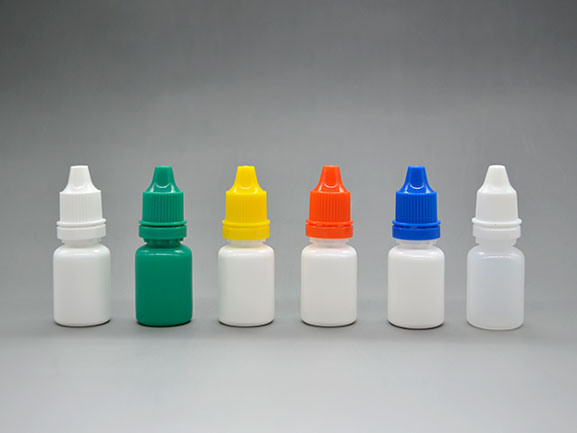
FDA warns consumers about potential risks of using eye drops packaged in bottles with loose safety seals

eye drop bottles

Why the "Container" is a Critical Component

The eye is exceptionally sensitive. The plastic bottle housing your solution must be:


Inert: It cannot interact with or absorb the active pharmaceutical ingredients (APIs).


Sterilizable: It must withstand sterilization processes like gamma irradiation or ETO without degrading.


Durable: It must protect the solution from external contaminants and environmental factors.


Squeezable: It must allow for easy, controlled dosing by the patient.


The material you select directly impacts all these factors. Let's compare the two most common contenders.


LDPE vs. HDPE: The Head-to-Head Comparison

Most eye drop bottles are made from polyolefins, with Low-Density Polyethylene (LDPE) and High-Density Polyethylene (HDPE) being the industry standards.

FeatureLow-Density Polyethylene (LDPE)High-Density Polyethylene (HDPE)
FlexibilityHigh (Soft, squeezable)Low (Semi-rigid, harder to squeeze)
Chemical ResistanceGood (But can be permeable to some gases/vapors)Excellent (Superior barrier properties)
ClarityTranslucentOpaque or Translucent
Impact StrengthHigh (Less prone to cracking)High
Common UseStandard multi-dose eye dropsPreservative-free systems, sensitive formulations

Deep Dive into the Materials

1. Low-Density Polyethylene (LDPE)

LDPE is the most common material for eye drop bottles, and for good reason.


Pros: Its high flexibility makes it incredibly user-friendly. Patients with reduced hand strength, such as the elderly or those with arthritis, find LDPE bottles easy to squeeze for a consistent drop. It offers good chemical resistance for a wide range of ophthalmic solutions.


Cons: LDPE has relatively higher gas and vapor permeability compared to HDPE. This means oxygen and carbon dioxide can potentially pass through the container walls over time, which could be a concern for extremely oxygen-sensitive formulations.


Best For: The vast majority of multi-dose eye drops, especially those containing preservatives.
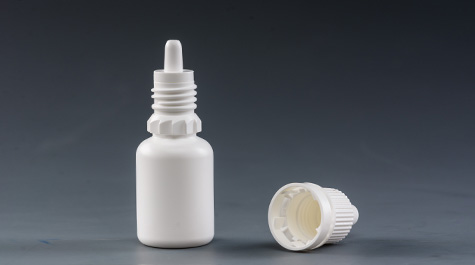
Structure design of eye drop bottle

5ml eye dropper bottle

2. High-Density Polyethylene (HDPE)

HDPE is the strong, robust counterpart to LDPE.


Pros: Its superior barrier properties make it the gold standard for protecting sensitive formulations from external gases and moisture. This is critical for preservative-free multi-dose eye drops that rely on the container itself (often with a special filter) to maintain sterility. It is also more rigid, which can help prevent accidental squeezing during shipping.


Cons: The lower flexibility can make it harder for some patients to administer a drop, potentially affecting compliance.


Best For: Preservative-free formulations, sensitive drugs prone to oxidation, and products requiring an extra-strong moisture barrier.


Beyond LDPE and HDPE: Other Material Considerations

While LDPE and HDPE cover 95% of the market, other options exist for specialized applications:


PET (Polyethylene Terephthalate): Used for some single-dose, preservative-free systems. PET offers excellent clarity and barrier properties but is not squeezable in the same way—it’s often used in blow-fill-seal technology.


PP (Polypropylene): Often used for the bottle cap and dropper tip due to its high rigidity and chemical resistance.


5 Key Factors for Choosing Your Eye Drop Bottle Material

How do you make the final decision? Ask these critical questions:


What is the Sensitivity of Your Formulation? Is it prone to oxidation or moisture degradation? If yes, HDPE is likely your best bet.


Is Your Product Preservative-Free? For multi-dose preservative-free systems, the superior barrier of HDPE is almost always required to work in tandem with the filtration system.


Who is Your Target Patient? For a geriatric market, the easy squeezability of LDPE can greatly improve user experience and compliance.


What is Your Sterilization Method? Both LDPE and HDPE tolerate gamma and ETO sterilization well, but it's crucial to validate this with your manufacturer.


What are Your Clarity Needs? If seeing the solution level is a key user requirement, translucent LDPE is the preferred choice.


Partner with an Expert in Ophthalmic Packaging

The choice between LDPE and HDPE is not just a technical specification—it's a strategic decision that affects drug stability, patient compliance, and ultimately, the success of your product.


At Xinfuda, we don't just sell bottles; we provide packaging solutions. Our technical experts will work with you to analyze your formulation, target market, and regulatory needs to recommend the perfect eye drop bottle material for your product.


Ready to make the right choice for your ophthalmic solution?

2025年11月18日星期二

COP vs. COC: A Clear-Cut Breakdown for Pharmaceutical Packaging Decisions

 In the high-stakes world of biopharmaceuticals, the primary container isn't just a bottle—it's a critical component of the drug product itself. For decades, borosilicate glass was the undisputed king. But its reign is being challenged by inherent issues like delamination, glass fragments, and pH shift.


Enter the high-performance polymers: Cyclo Olefin Polymer (COP) and Cyclo Olefin Copolymer (COC). These transparent, inert materials are revolutionizing packaging for sensitive biologics, cell and gene therapies, and mRNA vaccines. But when it comes to choosing between them, which one is right for your molecule?


The answer isn't a simple one. While often grouped together, COP and COC have distinct differences that can make or break a drug's stability, manufacturability, and shelf life. Let's break down the key differentiators.


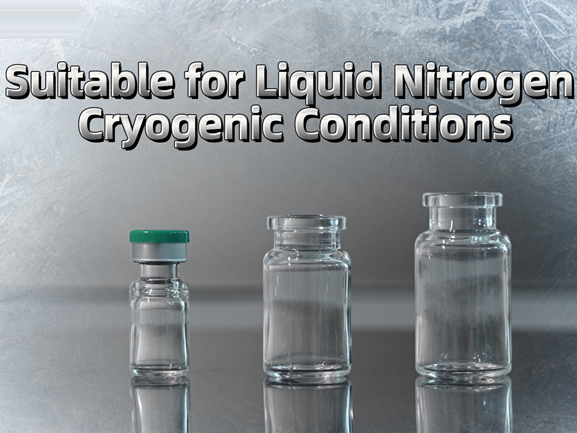
cz-vials.jpg

COP vial for cell

The Common Ground: Why Both Are Superior to Glass

First, it's crucial to understand why COP and COC are both excellent choices over traditional glass or other plastics. They share several game-changing advantages:


Exceptional Purity & Inertness: Both are free of metal ions, plasticizers, and hydrolyzable monomers, virtually eliminating the risks of delamination, pH shift, and leachables.


High Transparency: They offer glass-like clarity for easy visual inspection of contents.


Low Protein Absorption: Their smooth, non-polar surfaces minimize the adhesion of sensitive biologic drugs, ensuring accurate dosing.


Superior Moisture Barrier: They provide significantly better protection against water vapor than other plastics like PP or PET.


Outstanding Toughness: They are shatter-resistant, enhancing patient and worker safety, especially in cold chain handling.


The Head-to-Head Breakdown: COP vs. COC

The core difference lies in their molecular structure: COP is a homopolymer (a single monomer), while COC is a copolymer (two different monomers). This fundamental distinction drives their performance variations.


Feature Cyclo Olefin Polymer (COP) Cyclo Olefin Copolymer (COC) The Bottom Line for Pharma

Glass Transition Temp (Tg) Fixed Tg for a given grade. Tunable Tg. Can be engineered across a wide range (e.g., 70°C - 170°C). COC wins on flexibility. You can select a grade with a Tg perfectly suited for your process, whether it's autoclaving or fill-finish.

Moisture Barrier Best-in-class. The homogeneous structure provides an exceptional barrier against water vapor. Excellent, but typically slightly lower than COP. COP wins for ultra-sensitive applications. It's the gold standard for protecting lyophilized products and drugs with long shelf lives.

Chemical Resistance Excellent against a wide range of chemicals. Excellent, comparable to COP. It's a tie. Both offer superb compatibility with most biopharmaceutical formulations.

Processability Good, but has a narrower processing window. Superior. Excellent melt flow stability for easier, high-yield injection molding. COC wins on manufacturability. It's ideal for complex designs like intricate pre-filled syringes and auto-injector components.

Density Very low (~1.02 g/cm³). Low, similar to COP. COP has a slight edge. Lower density can mean more units per kilogram of material.

Application Scenarios: How to Choose

Your choice shouldn't be about which polymer is "better," but which is optimal for your specific drug and delivery system.


Choose COP if your priority is:


The Ultimate Moisture Barrier: For lyophilized (freeze-dried) drugs, sensitive vaccines, or any product where even minute moisture ingress can compromise stability, COP's superior barrier is the safest bet.


Proven Long-Term Stability: When you have a high-value biologic and want the most conservative, data-backed polymer option for primary packaging, COP is often the preferred starting point.


Choose COC if your priority is:


High-Temperature Resistance: If your drug requires autoclaving or your fill-finish process involves high temperatures, a high-Tg grade of COC will maintain its structural integrity.


Complex Device Design: For advanced drug-delivery systems like auto-injectors, dual-chamber syringes, or complex pre-filled syringes, COC's excellent flow and molding characteristics lead to higher manufacturing yields and precision.


Design Flexibility: The ability to tune Tg allows you to custom-match the material's properties to your exact process and product needs.


Conclusion: The Specialist vs. The All-Rounder

In the end, think of it this way:


COP is the Specialist. It excels in its core competency: providing an unmatched, rock-solid moisture barrier for the most sensitive injectables. It's the go-to for uncompromising protection.


COC is the Versatile All-Rounder. Its tunable Tg and superior processability make it incredibly adaptable to a wide range of applications, from high-heat processes to complex combination products.


The best path forward is to engage with material suppliers and packaging partners early in your development process. By conducting rigorous compatibility and stability studies with both polymers, you can generate the data needed to make the right, science-driven decision for your drug's success.