显示标签为“100ml cop vial”的博文。显示所有博文

2023年8月28日星期一

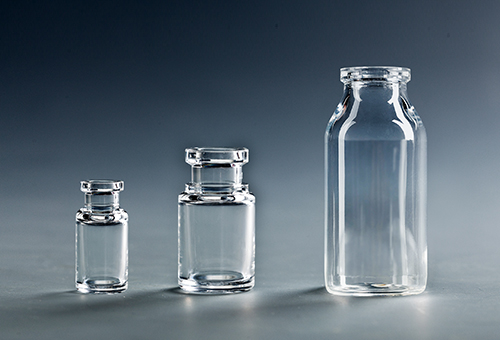
Pharmaceutical packaging CZ vial instead of glass bottle

 With the development of science and technology and the advancement of various favorable medical policies, new products and new dosage forms emerge in an endless stream, bringing broad development prospects to my country's pharmaceutical packaging market. The data shows that by the end of 2018, the market size of China's pharmaceutical packaging industry had reached 106.8 billion yuan, of which plastic packaging and composite material packaging accounted for 43.3% and 24.0% respectively. COP packaging has gradually replaced glass packaging and has become a high value-added packaging. drug of choice.

Pharmaceutical packaging CZ vial instead of glass bottle

CZ vial

Pharmaceutical packaging refers to a processing process that uses appropriate materials or containers and uses packaging technology to divide (fill), seal, pack, and label semi-finished or finished pharmaceutical preparations to provide quality assurance, trademark identification, and instructions for pharmaceuticals. the general term for.
Requirements for COP vials for cell-based drugs

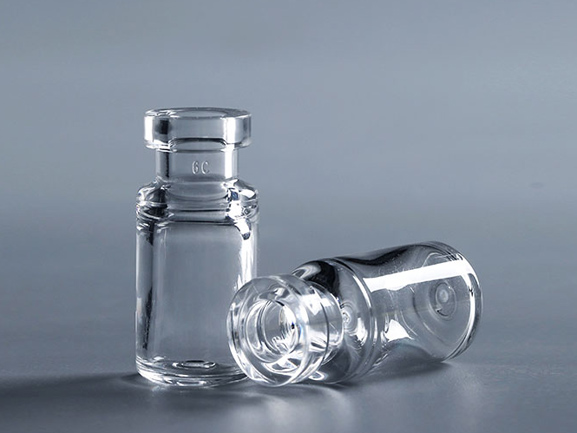
RTU(ready to use) 2ml COP vial


Pharmaceutical packaging CZ vial instead of glass bottle

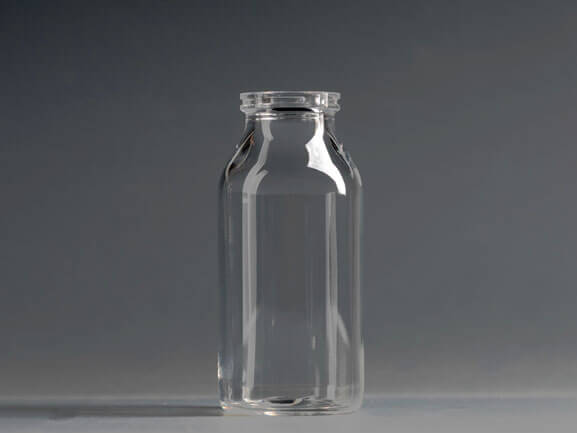
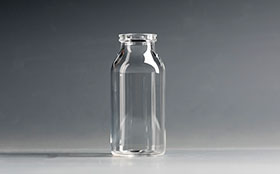
100ml COP injection vial


In the past two years, my country has introduced various policies to support the research and development of innovative drugs, especially some high-value-added drugs such as anti-tumor and lymphatic antigens, which have higher requirements for drug packaging, and CZ vials have low protein adsorption characteristics and low refractive index. Compared with glass bottles, it is more suitable for the packaging of such drugs due to its small size, stable chemical properties, and high light transmittance.


Pharmaceutical packaging is an inseparable part of medicines. Good packaging is crucial in meeting regulatory requirements, improving brand image and product competitiveness. The application of COP vial in the foreign pharmaceutical industry has become very common. Domestic enterprises must keep up with the development trend of the industry and persist in innovation in order to better seize development opportunities.

2023年3月19日星期日

What are the quality inspection items of COP vial

 COP vial is a packaging container processed from a new type of material, which is mainly used for the storage of proteins, anti-tumor, high pH value and other drugs. The quality of packaging is closely related to the safety and stability of drugs, so what are the quality inspection items for this packaging?

Requirements for COP vials for cell-based drugs

RTU(ready to use) 2ml COP vial

COP vials are widely used in biopharmaceuticals. Compared with ordinary drugs, biopharmaceuticals have stricter requirements on packaging quality. Appearance is the first impression. First of all, the appearance of COP vials should have a uniform transparent color. The surface of the bottle should be smooth and flat, without deformation and obvious scratches. There shall be no trachoma, oil stains, air bubbles, and the mouth of the bottle shall be flat and smooth. Secondly, it also includes visible foreign matter, sterilization test, identification, sealing, absorbance, acidity and alkalinity, total organic carbon, extractable metals, residue on ignition, etc.


Application of COP vial in high pH value drug

5ml COP vial


Application of COP vial in high pH value drug

100ml COP injection vial


In addition, if the precipitate or other toxicity on the packaging material will also affect the safety of the drug. Therefore, the quality inspection items of this packaging also include dissolution tests (solution clarity, color), biological tests (cytotoxicity, skin sensitization, intradermal irritation, acute systemic toxicity, hemolysis).


The above are the quality inspection items of COP packaging materials. These items are indispensable and together constitute the quality system of this packaging, and are also the key to ensuring the final quality of the product and ensuring the stability and safety of the drug within the validity period.