显示标签为“desiccant bottle with silica gel”的博文。显示所有博文

2025年9月15日星期一

Desiccant Bottle: Performance Comparison and Practical Applications of Molecular Sieve vs. Silica Gel

 In the field of pharmaceutical packaging, moisture protection is critical to drug stability and shelf life. Desiccant bottle  commonly use molecular sieve and silica gel as desiccants. Although both are moisture-absorbing materials, they differ significantly in performance characteristics and application scenarios. This article provides a comparative analysis from three aspects—moisture absorption principle, performance parameters, and drug compatibility—and discusses selection strategies with practical cases.
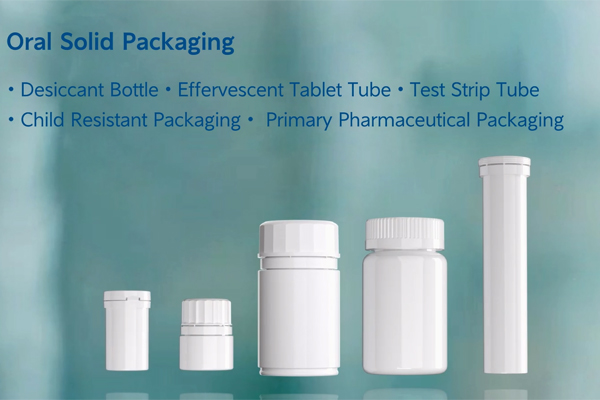
Why Silica Gel Desiccant Bottle Packaging Is Essential in the Pharmaceutical Industry

desiccant bottle with silica gel


1. Differences in Moisture Absorption Mechanism

Molecular sieve is a synthetically produced porous aluminosilicate crystal with uniform pore sizes (commonly 3Å or 4Å). It adsorbs water molecules of specific sizes based on molecular polarity. Silica gel, primarily composed of silicon dioxide, relies on physical adsorption through irregular pores (20–200Å) to trap water molecules. This structural difference gives molecular sieve an advantage in low-humidity environments, while silica gel absorbs moisture more rapidly under high humidity.


2. Performance Parameter Comparison


Moisture Capacity: At 20% relative humidity (25°C), molecular sieve can absorb up to 22% of its weight in water, significantly outperforming silica gel (10–15%). However, at humidity levels above 50%, silica gel has a faster initial absorption rate.


Thermal Stability: Molecular sieve withstands temperatures up to 650°C and maintains stable performance after high-temperature regeneration. Silica gel is prone to structural collapse above 200°C.


Chemical Inertness: Silica gel may release trace amounts of siloxane when exposed to organic solvents, posing a risk to certain sensitive drugs (e.g., biologics). Molecular sieve presents no such concern.


Cost Consideration: Silica gel is about 1/3 to 1/2 the price of molecular sieve, making it more suitable for cost-sensitive products.
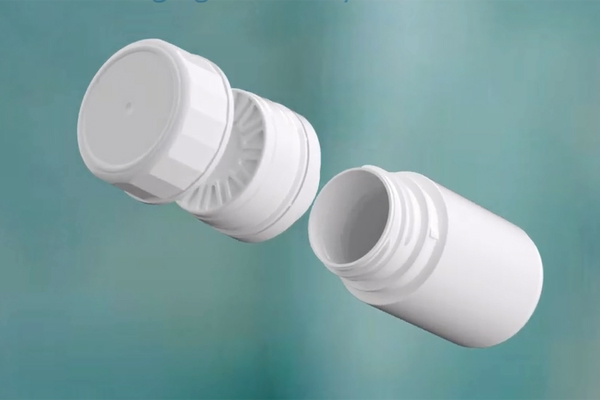
 

Why Silica Gel Desiccant Bottle Packaging Is Essential in the Pharmaceutical Industry

50ml desiccant bottle with CRC


3. Drug Compatibility Analysis


Preferred Applications for Molecular Sieve


Antibiotics (e.g., Amoxicillin capsules): Long-term moisture protection (shelf life ≥ 3 years) is required. Molecular sieve’s low-humidity adsorption helps maintain RH inside the bottle below 10%.


Enteric-coated formulations (e.g., Omeprazole): Sensitive to trace acidic substances. Molecular sieve’s pH-neutral properties offer greater safety.


Suitable Applications for Silica Gel


Effervescent tablets (e.g., Vitamin C effervescent tablets): Rapid absorption of residual moisture from processing is needed. Silica gel’s high initial absorption rate helps prevent caking.


Chinese medicine granules: Packaging often occurs in environments with humidity exceeding 60%. Silica gel can quickly reduce local humidity.
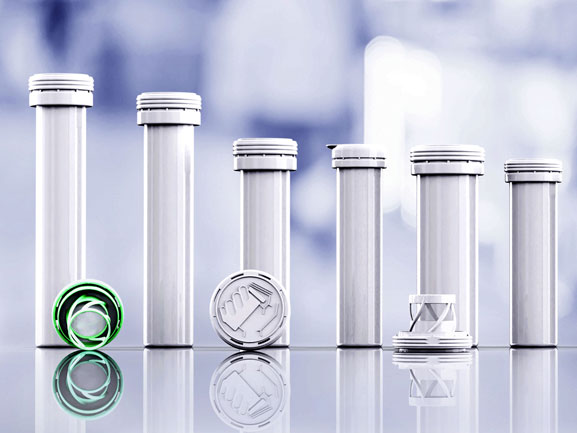
 

Effervescent tubes with spiral caps information

effervescent tablet tube


Pharmaceutical companies must balance drug characteristics and cost:


High-value, highly moisture-sensitive drugs (e.g., monoclonal antibody lyophilized powders) are recommended to use molecular sieve.


Conventional solid preparations can use silica gel. A dual-layer desiccant system (outer silica gel + inner molecular sieve) may be employed to balance cost and performance.


It is important to note that the 2020 edition of the Chinese Pharmacopoeia requires desiccants to pass dissolution testing. Compatibility validation should be conducted during selection.


With ongoing advancements in desiccant bottle technology, molecular sieve/silica gel composites and intelligent humidity indicators are increasingly used. However, the core selection logic remains based on precise matching between material properties and drug requirements. Rational choice of desiccant systems can reduce the risk of drug deterioration and ensure patient medication safety.


2025年9月11日星期四

Desiccant Bottles: For Drier, Safer Drugs

 In the pharmaceutical industry, the safety and functionality of drug packaging are of paramount importance. According to the World Health Organization (WHO), accidental ingestion of medication is a leading cause of childhood poisoning worldwide, resulting in a significant number of emergency department visits and hospitalizations annually.At the same time, cases of drug deterioration caused by inadequate moisture protection in packaging are not uncommon. In recent years, desiccant bottle with dual protective functions have emerged. With their excellent moisture-proof performance and innovative child-resistant design, they are quickly becoming the mainstream choice in the field of pharmaceutical packaging.


Why Silica Gel Desiccant Bottle Packaging Is Essential in the Pharmaceutical Industry

desiccant bottle with silica gel


Moisture-proof Technology: The "Invisible Barrier" That Locks in Drug Efficacy


Desiccant bottles are made from high-barrier polyethylene (PE) and polypropylene (PP) raw materials. Their tight molecular structure effectively blocks the intrusion of external moisture and oxygen. Tests by third-party laboratories show that the water vapor transmission rate (WVTR) of such desiccant bottles is below 0.01g/(m²·24h), and the oxygen transmission rate (OTR) is below 0.1cm³/(m²·24h), far exceeding industry standards. Additionally, the bottles are equipped with food-grade desiccants that continuously absorb moisture through physical adsorption, maintaining the relative humidity inside the bottle below 30%. This creates an all-weather dry environment for the medication. Whether it's easily dissolvable powder preparations or humidity-sensitive biological drugs, they can all maintain stable efficacy under the protection of desiccant bottles.


Child-Resistant Design: The "Smart Shield" Against Accidental Ingestion


Addressing the characteristics of children's strong curiosity and outstanding ability to imitate, desiccant bottles have revolutionized the opening mechanism. Common double-nested caps employ a "push-and-turn" dual unlocking mechanism, requiring simultaneous vertical pressure and torsional force to open. This required force far exceeds the hand strength limits of children. Data certified by the U.S. Food and Drug Administration (FDA) shows that such cap designs can reduce the success rate of opening by children under 6 years old by over 98%. Furthermore, some high-end desiccant bottles incorporate anti-slip textures and hidden buckles, further enhancing protective performance and providing greater peace of mind for parents.


Why Silica Gel Desiccant Bottle Packaging Is Essential in the Pharmaceutical Industry

50ml desiccant bottle with CRC


Full Industry Chain Advantages: Quality Assurance from R&D to Application


From raw material selection to finished product delivery, desiccant bottles adhere to a strict quality control system. Manufacturing companies are ISO 9001 certified, and products meet international standards such as USP (United States Pharmacopeia) and EP (European Pharmacopoeia). In practical applications, a well-known pharmaceutical company reported a significant reduction in product return rates due to moisture dissolution after switching to desiccant bottles for packaging antibiotic tablets. Similarly, for pediatric medications, complaints of accidental ingestion decreased by 95% year-on-year after adopting child-resistant caps. These figures fully demonstrate that desiccant bottles are not just packaging containers but a critical part of the entire life cycle management of pharmaceuticals.


Effervescent tubes with spiral caps information

effervescent tablet tube


In today's world, with its growing demands for pharmaceutical safety, desiccant bottles empower through technology, perfectly combining moisture-proof performance with child resistance to build a solid line of defense for drug safety. Whether for pharmaceutical companies, medical device manufacturers, or supply chain partners, choosing high-quality desiccant bottles means opting for more reliable quality assurance and longer-term brand value.