显示标签为“palstic syringe”的博文。显示所有博文

2024年6月23日星期日

Cockroach gel requirement for packaging

 Packaging cockroach gel requires specific considerations to ensure the product's effectiveness, safety, and ease of use. Here are the key requirements for packaging cockroach gel:
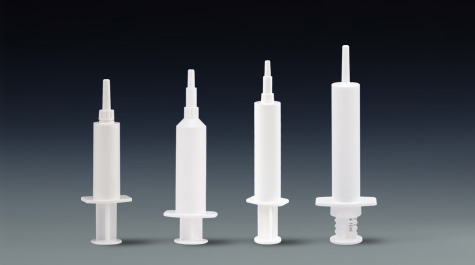

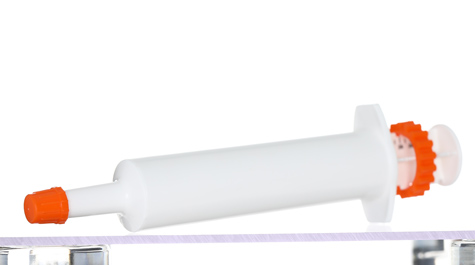
How to put cockroach-killing glue bait through plastic syringe

cocoroach syringe

Packaging Requirements

Material Compatibility:


Barrier Properties: The packaging material must protect the gel from moisture, air, and contaminants. Common materials include high-density polyethylene (HDPE) and polypropylene (PP).

Chemical Resistance: The material must not react with the gel’s active ingredients.

Dispensing Mechanism:


Syringes: Preferred for precision application, syringes allow users to place small amounts of gel accurately in targeted areas.

Plungers and Nozzles: The syringe should have a smooth-operating plunger and a fine-tipped nozzle for controlled dispensing.

Capacity and Size:
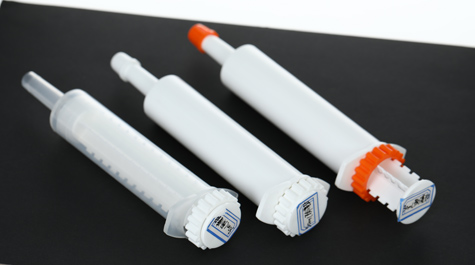
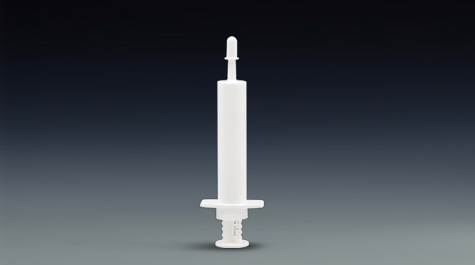
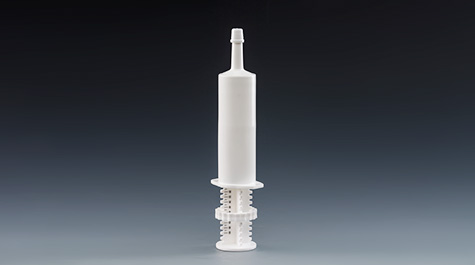
Application steps of pet syringe

multi dose syringe

Variety of Sizes: Packaging should be available in multiple sizes (e.g., 10g, 30g, 50g) to cater to different needs, from residential to commercial applications.

Labeling and Instructions:


Clear Labeling: Must include product name, active ingredients, usage instructions, safety warnings, and manufacturer information.

Usage Instructions: Clear, step-by-step instructions for application, including diagrams if necessary.

Safety Information: Warnings about safe handling, storage, and disposal, along with first aid instructions in case of accidental exposure.

Child-Resistant Features:


Safety Caps: Should include child-resistant caps to prevent accidental ingestion by children.

Locking Mechanisms: Some designs incorporate locking mechanisms to prevent unintentional dispensing.

Environmental Considerations:


Recyclability: Use of recyclable materials where possible to minimize environmental impact.

Refillable Options: Offering refillable syringes can reduce waste and provide cost savings for users.

Regulatory Compliance:


Local and International Standards: Packaging must comply with relevant local and international regulations for pesticide products, including those from agencies like the EPA (Environmental Protection Agency) in the USA, REACH in the EU, etc.

Safety and Efficacy Testing: Packaging must be tested to ensure it maintains the product’s integrity and efficacy over its shelf life.

Example of a Typical Cockroach Gel Syringe Packaging

Components:


Syringe Barrel: Made from HDPE or PP, resistant to chemicals, with a volume indicator.

Plunger: Ensures smooth, controlled dispensing of the gel.

Nozzle/Tip: Fine-tipped for precision application in small, hard-to-reach areas.

Cap: Airtight, child-resistant cap to prevent leaks and accidental exposure.

Label: Clearly printed with all necessary information and instructions.


Summary

Effective packaging for cockroach gel must ensure product stability, user safety, and ease of application. It requires careful consideration of material compatibility, dispensing mechanisms, clear labeling, child-resistant features, and regulatory compliance. 

2022年3月15日星期二

Pet Nutritional Cream Applicator

Pet scientific feeding has become a trend. The pet nutrition cream applicator is a new type of packaging, and its special design makes scientific feeding no longer far away.

Scientific pet feeding is a macro concept. It is not only the daily diet and health of pets, but also the accuracy of drug dosage. Pet nutrition ointment is a kind of medicine that is always prepared by pet families. It has the characteristics of easy digestion and absorption, and can quickly supplement the nutrition needed by pets.


Pet Nutritional Cream Applicator

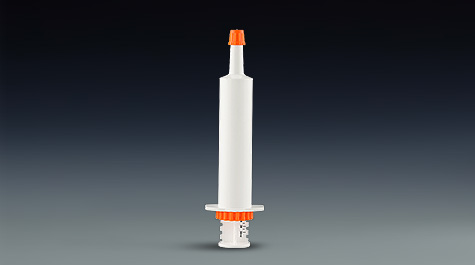
dial a dose syringe 30ml


Pet Nutritional Cream Applicator

15ml pets syringe


Some pet owners often do not pay attention to the specific dosage when feeding their pets nutritional cream, which is prone to problems such as overfeeding. The pet nutrition cream applicator is composed of a tube sleeve, a push rod, a protective cap and a positioning ring. The push rod is printed with a standard scale. Calculate the required dose before feeding, slide the positioning ring to the specified scale, and then push the push rod. The lever will stop when it reaches the positioning ring. This feeding method can well control the intake of pet drugs and realize the scientific feeding of pets on drugs.

The special design of the pet nutrition creamapplicator not only facilitates the operation of pet owners, but also accurately controls the dosage of drugs. As an important packaging form, it is also loved by many pet owners. 

2021年11月4日星期四

Pay attention to these four points when sterile dosing syringe

 Dosing syringe is used for sterilization, generally using ethylene oxide sterilization, but if you do not pay attention to these points, it is easy to have hidden dangers or affect the sterilization effect.


Pay attention to these four points when sterile dosing syringe

30ml dial a dose syringe


1. The ethylene oxide sterilizer must be placed in a well-ventilated place. Do not place it near the fire source. In order to facilitate maintenance and regular maintenance, 51cm of space should be reserved on each side (including the top) of the ethylene oxide sterilizer. Special exhaust ducts should be installed and completely isolated from other exhaust ducts in the sterilization site.
2. Items that need to be sterilized must be thoroughly cleaned. Note that they cannot be cleaned with saline. There should be no water droplets or too much water on the sterilized items to avoid dilution and hydrolysis of ethylene oxide. If the packaging material is changed, it should be verified to ensure the reliability of the sterilization of the sterilized items.
3. There should be gaps on the top, bottom, left and right of the loaded items in the sterilization cabinet (the sterilized items cannot touch the cabinet wall), and the items should be placed in a metal mesh basket or on a metal net rack; the amount of items loaded should not exceed the total volume of the cabinet 80% of it.
4. Sterilization treatment: It should be carried out in accordance with the operating instructions of the manufacturer of the ethylene oxide sterilizer; select the appropriate sterilization parameters according to the type, packaging, loading volume and method of the plastic dosing syringe.
Different from sterilization methods such as high temperature and high pressure, there will be a certain amount of residue after ethylene oxide sterilization. The sterilized veteriary syringe needs to be placed for a period of time to release the residue and ensure the safety of dosing syringe and medicine.

2021年11月2日星期二

Ethylene oxide sterilization process for veterinary syringes

 Veterinary syringes are commonly used as packaging for veterinary drugs, and their sterility is very important to the safety of drugs. The sterilization method is generally based on ethylene oxide sterilization, and the sterilization process is as follows:


Ethylene oxide sterilization process for veterinary syringes

30ml dial a dose syringe


1. The ethylene oxide sterilization procedure needs to include preheating, pre-wetting, vacuuming, injecting vaporized ethylene oxide to reach a predetermined concentration, maintaining the sterilization time, removing the ethylene oxide gas in the sterilization cabinet, and analyzing Remove ethylene oxide residues in sterilized items.
2. 100% pure ethylene oxide or mixed gas of ethylene oxide and carbon dioxide can be used for ethylene oxide sterilization. The use of Freon is prohibited.
3. The analysis can be continued in an ethylene oxide sterilizer, or it can be placed in a special fume hood, and natural ventilation should not be used. The repeatedly input air should be filtered with high efficiency, which can filter out more than 99.6% of particles ≥0.3um.
4. Ethylene oxide residues mainly refer to the ethylene oxide remaining in articles and packaging materials after ethylene oxide sterilization and its two by-products, ethanol ethane and ethylene glycol ethane; exposure to excessive ethylene oxide Alkane residues can cause animal burns and irritation. The amount of ethylene oxide residue is related to the material of the veterinary syringe, sterilization parameters, packaging materials and packaging size, loading capacity, analysis parameters, etc. When the polyvinyl chloride catheter is at 60℃, it is analyzed for 8h; when it is 50℃, it is analyzed for 12h. Some materials can shorten the resolution time, such as metal and glass can be used immediately, and some materials need to extend the resolution time, such as a built-in pacemaker.
The above is the veterinary syringe ethylene oxide sterilization process. Ethylene oxide is harmful to the human body. When sterilizing in this way, the relevant technical operating procedures must be strictly followed, and all links must be strictly controlled to ensure the safety of personnel and the environment.