显示标签为“syringe for veterinary medicine”的博文。显示所有博文

2021年4月12日星期一

See the use of veterinary horse paste syringe from specifications

 The veterinary syringe is a kind of special packaging in veterinary medicine. It fills the medicine in the syringe in advance, and has the functions of medicine storage and injection. It is directly injected when used, which is convenient and quick, and avoids the possibility of contamination in the intermediate link. The types of drugs used in the plastic syringe can be seen from its own specifications.
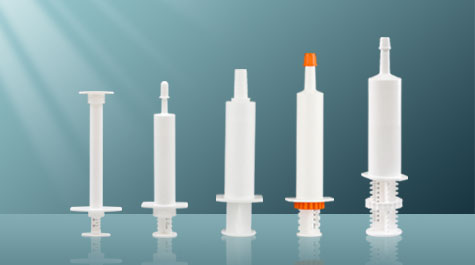

See the use of veterinary syringe from specifications

paste syringe


At present, the common product specifications of veterinary syringe include 5ml, 8ml, 10ml, 20ml, 30ml, 60ml and other specifications. Among them, small-size perfusion devices are mainly used for dairy cow mastitis drugs. The treatment effect is remarkable in the diseased area. It can also be applied to the packaging of anti-cockroach medicines, mainly paste-like bait medicines. Packaging through the SYRINGE can make the application method more convenient and meet the needs of small and more points.

Medium-sized paste syringe packaging is mostly used for the packaging of pet nutrition cream, such as 10ml, 20ml, 30ml. This type of infusion device generally adopts a thick head design, which is more suitable for pet feeding needs. The 30ml package can also print scales according to needs. The positioning ring is used to make pet feeding more scientific.

Large-format intramammary packaging is generally used for uterine perfusion drugs. The thick head design is mostly 30ml and 60ml, with graduations. This packaging operation is simple and less irritating to dairy cows. At the same time, it can reduce drug pollution. Safe and effective.

The above are the applications of common specifications of veterinary infusion devices. The current applications are mainly concentrated in dairy cow mastitis drugs, pet nutrition creams, cockroach drugs, and uterine infusion drugs. Whether it can be applied to more fields in the future will depend on market demand set.


2019年11月4日星期一

What are the expected ways of veterinary drugs?

Expected way of veterinary drugs is mainly divided into two modes: group administration and individual administration.
Group administration:
1 mixed water administration: first of all, to understand the solubility of the drug in water; secondly, calculate the dosage of the drug according to the amount of drinking water, if the drug is poor in water stability, consider the “thirst medication”;
2 mixed drug administration method: the drug is mixed into the feed for free feeding, but the drug and the feed must be mixed evenly, and the dilution method can be adopted;
3 aerosol administration;
4 with chicken disinfection: 1 time in summer, 1 time every 3-5 days in spring and autumn, once a week in winter.
What are the expected ways of veterinary drugs
Individual administration:
1 Oral administration: The advantages are safe, convenient and economical. The disadvantage is that the drug takes a slow and irregular time. However, the following situations should not be taken orally: the affected animal is in critical condition, cannot swallow or vomit, or can not be absorbed by the gastrointestinal tract or the drug itself is easily destroyed by the gastrointestinal acid or alkali in the gastrointestinal tract or can not obtain the drug orally. Oral can only have a diarrhea effect, such as sedation must be injected;
2 injection: the advantage is that the drug absorption is fast and complete, the dose is accurate, the effect is good, the disadvantage is that the operation is troublesome, the sterility requirement is high, if the injection device is not sterilized, the infection may be caused, and the injection may cause pain. Injection administration includes subcutaneous injection, intramuscular injection, intravenous injection, intrathecal injection, sac injection, arterial injection, joint capsule injection, intramammary injection, etc.;
3 topical administration: rubbing, dusting, wet compressing, dripping, enema, inhalation, implantation, etc.