显示标签为“plastic medicine bottle”的博文。显示所有博文

2022年3月7日星期一

Three types of drugs for tablet vials

 Tablet bottle refers to a plastic bottle made of polyethylene, polypropylene or polyester and other polymer materials, after adding organic solvent, through injection molding, injection blowing and other processes. This kind of packaging has the characteristics of light weight, not easy to break, and easy to transport. It is mainly suitable for containing three types of drugs: tablets, capsules, and pills.
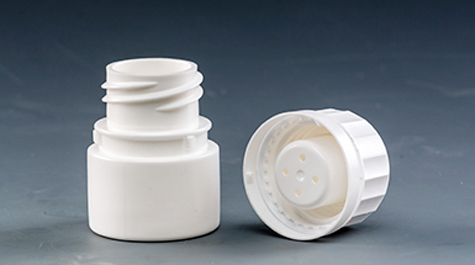

Three types of drugs for tablet vials

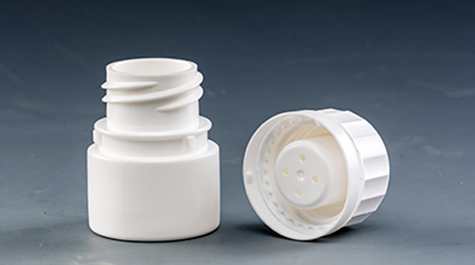
50ml pharma bottle with desiccant cap
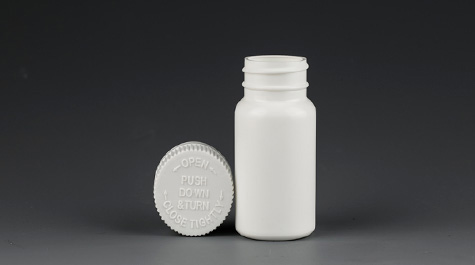
Three types of drugs for tablet vials

child proof bottle

Tablets: Tablets are solid preparations in the form of flakes or special-shaped flakes that are uniformly mixed with drugs and excipients and compressed. Tablets are mainly oral ordinary tablets, but also include lozenges, sublingual tablets, oral patches, chewable tablets, dispersible tablets, effervescent tablets, vaginal tablets, immediate-release or sustained-release or controlled-release tablets and enteric-coated tablets. This kind of medicine has high requirements on the moisture resistance of the tablet bottle, and a desiccant is generally placed inside the package to absorb moisture.

Capsules: Medicines in capsules are generally powders or granules that are irritating to the esophagus and gastric mucosa, or have bad taste, are easily volatile, are easily decomposed by saliva in the mouth, and are easily inhaled into the trachea. These medicines are packed into capsules, which not only protect the medicinal properties of the medicines from being destroyed, but also protect the digestive organs and respiratory tract.

Pills: Pills refer to spherical or quasi-spherical preparations made from fine powder of medicinal materials or medicinal material extracts plus suitable binding auxiliary materials.

The above are the three main types of medicines for tablet medicine bottles. Depending on the characteristics of the medicines, the bottles will have different functions. For example, for medicines that are sensitive to light, color masterbatches are generally added to the raw materials to make brown bottles for better ensure the stability of the drug.

2021年8月18日星期三

Introduction to the common processing technology of tablet medicine bottles

 Tablets are the mainstream dosage form in today's medicines, with the characteristics of accurate dosage and convenient carrying. The packaging forms of tablets include blister, bag, bottle, etc. Among them, tablet medicine bottle is the more commonly used one. The commonly used processing techniques include the following:


Introduction to the common processing technology of tablet medicine bottles

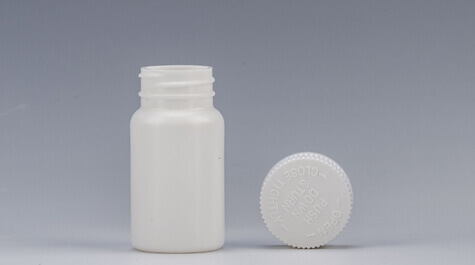
45ml plastic medicine bottle


Injection blowing: a processing method that combines injection molding and blow molding. Plastic bottles are formed from raw materials to finished products at one time, with a high degree of automation, which is suitable for the production of high-end and exquisite plastic hollow products.

Injection molding: The injection molding process refers to the process of making semi-finished parts of a certain shape by pressing, injecting, cooling, and detaching molten raw materials. This kind of process adopts automatic production, the product quality is stable, the size is accurate, the application range is wide, and there is no seam.

Extrusion blow: It is the process of extruding the parison through the ring die of the die with an extruder, and then moving the parison into the blow mold to expand into a hollow product. This process is suitable for all kinds of plastics, equipment and The mold is low in cost and can produce special-shaped medicine bottles.


Introduction to the common processing technology of tablet medicine bottles

50ml desiccant bottle


Injection stretch blowing: firstly, the molded blank is injected by the injection molding machine, the hot parison is stretched longitudinally, and then compressed air is passed in to stretch it laterally to obtain a product with the same shape as the mold cavity. This process is generally used for PET tablets and medicine bottles.

The above-mentioned common processing technology for tablet medicine bottles, and plastic bottles processed by different processing methods have their own characteristics. Only by controlling each processing flow can high-quality packaging be produced.

2021年8月11日星期三

The appearance characteristics of high-density polyethylene bottles

 High-density polyethylene is a non-toxic and odorless polymer material, which is an important packaging form in the pharmaceutical, daily necessities, and food industries. With the continuous improvement and perfection of various processing techniques, the shape of this bottle is constantly changing.


The appearance characteristics of high-density polyethylene bottles

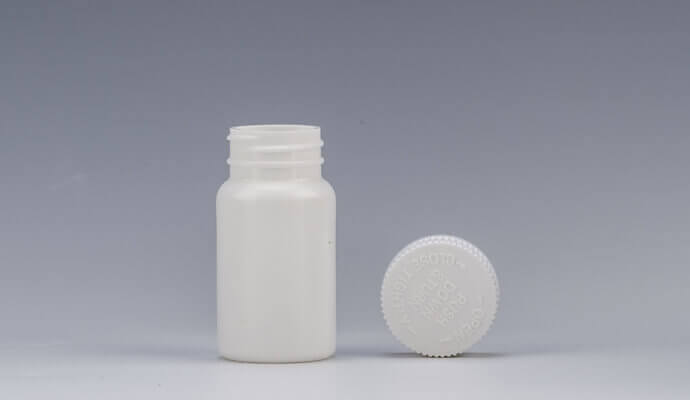
60ml HDPE pill bottle


The raw materials of high-density polyethylene bottles have good processing properties, good wear resistance, electrical insulation, toughness and cold resistance. They are insoluble in any organic solvents at room temperature, and are resistant to corrosion by acids, alkalis and various salts. Based on the various performance advantages of raw materials, it is widely used in various types of containers, industrial accessories, medical supplies, toys, bottle stoppers and shields, and is also a good material for pipes, wires and cable sheaths.

High-density polyethylene can be produced by injection molding, extrusion, blow molding and other processing techniques. Round, square, and oval are the common shapes of high-density polyethylene bottles. Among them, round is more widely used, especially 45ml to 150ml. Milliliter bottle body, round bottle body has higher ability of absorbing external impact energy, which can well protect the contents. The oval shape is rarely used in pharmaceutical packaging, and is mainly used in cosmetic packaging. The square shape appears a little later, and it is characterized by convenient handling and saving space during transportation.

At present, the application of high-density polyethylene bottles in medicines is still mainly round and square, and various processing techniques are constantly improving with the changes in market demand. It is believed that the shape and performance of high-density polyethylene bottles will also be improved in the future. More abundant.

2021年8月8日星期日

plastic bottle for capsule

 Tablet vials are packaging containers for ordinary tablets, sustained-release tablets, dispersible tablets and other tablets. At present, most of the vials on the market are processed from polymer materials, which have good barrier properties and are also the mainstay of capsules and other drugs. package style.


plastic bottle for capsule

45ml plastic medicine bottle


Capsules refer to capsules made of special film-forming materials (such as gelatin, cellulose, polysaccharides, etc.). The contents (such as powders, liquids, etc.) or various types of drugs are packed into them for easy swallowing . The drugs packed in capsules are generally powders or granules that are irritating to the esophagus and gastric mucosa, or have a bad taste, are easy to volatilize, are easily broken down by saliva in the mouth, and are easily inhaled into the trachea. These medicines are packed in capsules, which not only protects the properties of the medicines from being destroyed, but also protects the digestive organs and respiratory tract. Removal of the capsule shell may cause loss of medicine, waste of medicine, and reduced efficacy. In addition, some drugs need to be dissolved and absorbed in the intestines, and the capsules protect the drugs from being destroyed by gastric acid.


plastic bottle for capsule

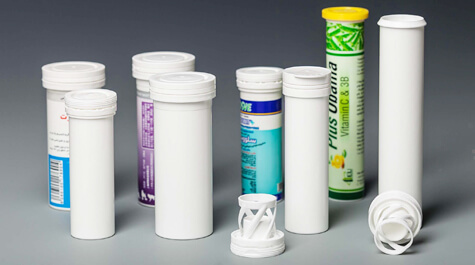
effervescent tablet tube


Capsules are a common pharmaceutical dosage form currently on the market. High temperature and high humidity will adversely affect the capsules, causing them to soften, become sticky, swell, and the contents are clumped, which can easily cause microbial growth. Commonly used packaging materials for tablet medicine bottles include polyethylene, polypropylene, polyester, etc. These materials have good barrier properties, can withstand the corrosion of most acid and alkali solvents, and are light in weight and easy to process and shape, including capsules. Many of the solid medicines have chosen this kind of packaging.

Although the tablet medicine bottle has good sealing and moisture barrier properties, it should be stored in a dry and cool place with a relative humidity of no more than 45%, and the temperature should not exceed 25°C to ensure the stability of the capsule preparation.

2021年8月4日星期三

plastic bottle for capsule

Tablet vials are packaging containers for ordinary tablets, sustained-release tablets, dispersible tablets and other tablets. At present, most of the vials on the market are processed from polymer materials, which have good barrier properties and are also the mainstay of capsules and other drugs. package style.


plastic bottle for capsule

45ml plastic medicine bottle


Capsules refer to capsules made of special film-forming materials (such as gelatin, cellulose, polysaccharides, etc.). The contents (such as powders, liquids, etc.) or various types of drugs are packed into them for easy swallowing . The drugs packed in capsules are generally powders or granules that are irritating to the esophagus and gastric mucosa, or have a bad taste, are easy to volatilize, are easily broken down by saliva in the mouth, and are easily inhaled into the trachea. These medicines are packed in capsules, which not only protects the properties of the medicines from being destroyed, but also protects the digestive organs and respiratory tract. Removal of the capsule shell may cause loss of medicine, waste of medicine, and reduced efficacy. In addition, some drugs need to be dissolved and absorbed in the intestines, and the capsules protect the drugs from being destroyed by gastric acid.


plastic bottle for capsule

effervescent tablet tube


Capsules are a common pharmaceutical dosage form currently on the market. High temperature and high humidity will adversely affect the capsules, causing them to soften, become sticky, swell, and the contents are clumped, which can easily cause microbial growth. Commonly used packaging materials for tablet medicine bottles include polyethylene, polypropylene, polyester, etc. These materials have good barrier properties, can withstand the corrosion of most acid and alkali solvents, and are light in weight and easy to process and shape, including capsules. Many of the solid medicines have chosen this kind of packaging.

Although the tablet medicine bottle has good sealing and moisture barrier properties, it should be stored in a dry and cool place with a relative humidity of no more than 45%, and the temperature should not exceed 25°C to ensure the stability of the capsule preparation.