显示标签为“pharma bottle”的博文。显示所有博文

2024年11月5日星期二

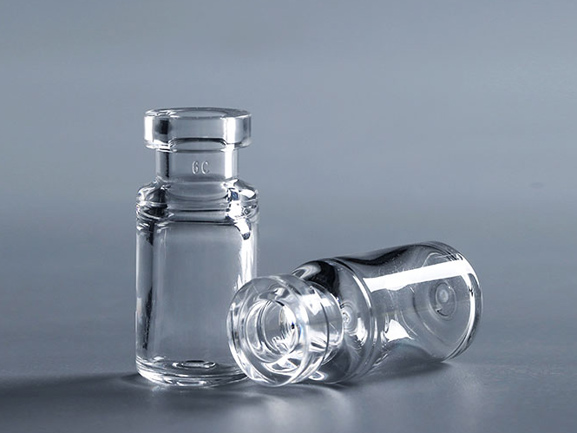
Cryogenic Storage Vials-COP(Cyclo Olefin Polymer) vial

 In the world of medical research, biotechnology, and pharmaceuticals, storing biological samples at ultra-low temperatures is critical. Samples such as cells, tissues, proteins, or DNA must be preserved in a manner that maintains their viability and integrity for long-term use. Cryogenic storage vials are an essential tool in this preservation process, ensuring that samples remain frozen at temperatures as low as -196°C. Among the different materials available, COP (Cyclic Olefin Polymer) cryogenic storage vials are highly valued for their durability, purity, and compatibility with extremely low temperatures. We'll dive into the importance of cryogenic storage vials, particularly focusing on COP vials and their applications at -196°C.
What is Gene Therapy

Polymer Vial 2ml 5ml 10ml for cell and gene therapies

What Are Cryogenic Storage Vials?

Cryogenic storage vials are specialized containers designed to hold and protect biological samples during storage at ultra-low temperatures, commonly ranging from -80°C to -196°C. These temperatures are necessary for preserving sensitive biological materials without causing degradation, enzyme activity, or loss of cellular function.


Sterility and Compatibility

COP cryogenic vials are easily sterilized and are compatible with gamma irradiation, steam, and ethylene oxide sterilization. This makes them highly reliable for use in both clinical and research environments, where maintaining sterile conditions is paramount.
Requirements for COP vials for cell-based drugs

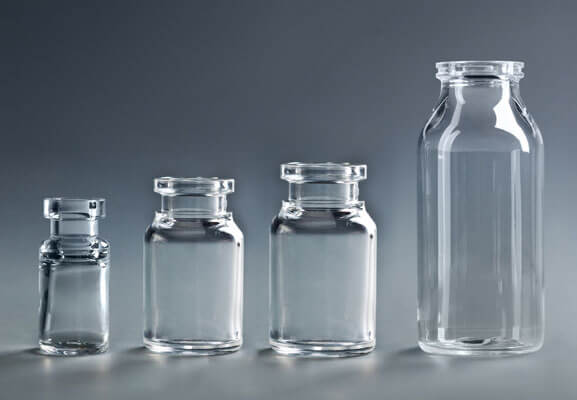
RTU(ready to use) 2ml COP vial

The Importance of -196°C: What Happens at This Temperature?

The temperature -196°C corresponds to the boiling point of liquid nitrogen, a common cryogen used in the storage of biological materials. At this temperature, cellular metabolism halts, preserving cells and tissues in a suspended state. Enzyme activity and other biological processes cease, preventing cellular damage that could occur at higher storage temperatures.


This extreme cold is critical for long-term storage, ensuring that samples remain viable for years. COP cryogenic storage vials are specifically designed to maintain their integrity under such conditions, preventing the vials from becoming brittle or compromising the stored samples.


Applications of COP Cryogenic Vials

Cryogenic storage vials are used across a wide range of industries and applications:

Biobanking: COP vials are widely used in biobanks, where human tissues, DNA, and other biological samples are stored for future research.

Pharmaceutical Research: Cryogenic vials play an important role in drug development, where biological samples need to be preserved over long periods for study.

Cell and Gene Therapy: Many therapies involve the use of preserved cells, and cryogenic vials are an essential component of these treatments.

Genomics and Proteomics: Researchers involved in sequencing DNA or studying proteins rely on cryogenic vials to maintain the stability of their samples at ultra-low temperatures.


Conclusion

Cryogenic storage vials made from cyclic olefin polymer (COP) offer a superior solution for storing biological samples at temperatures as low as -196°C. Whether you’re working in biobanking, pharmaceutical research, or cell therapy, COP cryogenic vials provide the reliability and protection necessary to safeguard your valuable samples.

2023年11月26日星期日

How to Choose Pharmaceutical Packaging Manufacturer

 In the pharmaceutical industry, choosing the right packaging manufacturer is not just an important decision; it is critical for ensuring product quality, patient safety, and maintaining brand reputation. High-quality pharmaceutical packaging effectively protects medications from environmental factors, ensuring their efficacy and safety. Therefore, it is crucial for pharmaceutical companies to understand how to select the appropriate pharmaceutical packaging supplier. Mainly consider the following seven important aspects:


How to Choose Pharmaceutical Packaging Manufacturer

pharmaceutical packaging


First: Criteria for Choosing Packaging Manufacturers


1.Quality Control

When selecting a pharmaceutical packaging supplier, the first consideration should be their quality control capabilities. High standards of quality assurance processes and continuous improvement strategies not only ensure the reliability of the packaging but also safeguard the safety of the medication. Pharmaceutical packaging must meet strict quality standards to prevent any potential contamination or damage.


2.Material Selection and Equivalency

The choice of materials and supply chain management is another important factor in determining the quality of pharmaceutical packaging. Understanding how a new supplier selects materials and how these materials meet your specific needs is key to choosing the right supplier.


3.Innovation Capability

The innovation capability in the pharmaceutical packaging industry is also a significant factor to consider. Can the supplier provide packaging solutions that align with modern trends such as sustainability, user-friendliness, and tamper-evidence? This directly relates to the product's competitiveness and brand image.


Second: Key Considerations


1.Features of Pharmaceutical Plastic Bottle Manufacturers

Analyze the characteristics and advantages of different pharmaceutical plastic bottle manufacturers, including the types of materials they use (such as PET, HDPE, etc.), manufacturing processes, and unique design features of the products (like UV resistance, antioxidant properties). Discuss how they ensure product quality and safety, for instance, through stringent quality control procedures and production processes that meet industry standards.


2.Comprehensive Service Capabilities of Pharmaceutical Packaging Companies

Evaluate the comprehensive services provided by suppliers, including customer support, custom design services, rapid delivery capabilities, and their ability to meet special packaging needs (such as child-safe packaging, easy-to-open designs). Explore whether the supplier offers additional services like market research, brand design support, and their capability to integrate new technologies and innovative solutions.

Technical Expertise of Pharmaceutical Bottle Manufacturers

Focus on the technical expertise of the manufacturers, such as their experience and capability in producing high-precision, special specification pharmaceutical bottles. Analyze whether the manufacturers have advanced manufacturing equipment and if they can provide products that meet the latest industry trends and regulatory requirements.


Third: Market and Regulatory Requirements

When choosing a pharmaceutical packaging supplier, it is necessary to consider market entry time and compliance requirements. Changes in packaging formats and production can affect the speed of market promotion and market share. Additionally, pharmaceutical packaging is stringently regulated by local and federal agencies, so a change in suppliers could raise compliance concerns, which need to be thoroughly assessed.


Fourth: Supply Chain Management and Cost Considerations

Emerging e-commerce channels have posed new challenges for pharmaceutical packaging demands. The stability and flexibility of the supply chain are crucial, especially in the current uncertain environment influenced by the pandemic. Moreover, comparing the qualification costs of current and potential suppliers, as well as their investment value and return on investment, is an important aspect of financial management.


Fifth: Sustainable Packaging Options

With the rise of sustainability trends, choosing a supplier that can provide sustainable packaging solutions has become increasingly important. This involves not only the use of environmentally friendly materials but also the overall environmental impact of the production process. The supplier’s capability and experience in this area directly affect the brand’s sustainability strategy.


Sixth: Assessing Production Capacity

Assessing the supplier’s production capacity is a key step in choosing a pharmaceutical packaging manufacturer. This includes understanding the supplier’s production lines, workshop area, the professional skills of their personnel, and whether they have relevant industry certifications. These factors directly influence whether the supplier can meet your production needs and quality standards.


Seventh: Analysis of Cost Factors

Cost is always a significant consideration when choosing a pharmaceutical packaging manufacturer. Analyzing the pricing and cost structures of different manufacturers, understanding not just the initial investment costs but also long-term operational costs, helps in making the best decision within your budget.


How to Choose Pharmaceutical Packaging Manufacturer

effervescent tablet packaging

2023年10月8日星期日

Safety of pharmaceutical packaging and its impact on drug quality

 Pharmaceutical packaging plays a protective role in the pharmaceutical industry. It not only protects drugs and ensures their safety and effectiveness during storage and transportation, but also has an important impact on improving the added value of drugs and patients' experience.

Requirements for the moisture content of the desiccant in the effervescent tube

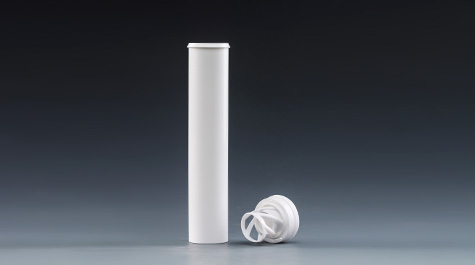
144mm*29mm effervescent tube packaging


With the continuous improvement of drug safety awareness, society's understanding of pharmaceutical packaging has gradually increased. Drug safety is not only related to the life and health of patients, but also related to the credibility and stability of the medical system. To ensure drug safety, the selection and design of pharmaceutical packaging materials is crucial. In addition, it has a direct impact on the quality stability, safety and controllability of drugs during storage and transportation.

FDA approves multiple generics of ADHD and BED treatment

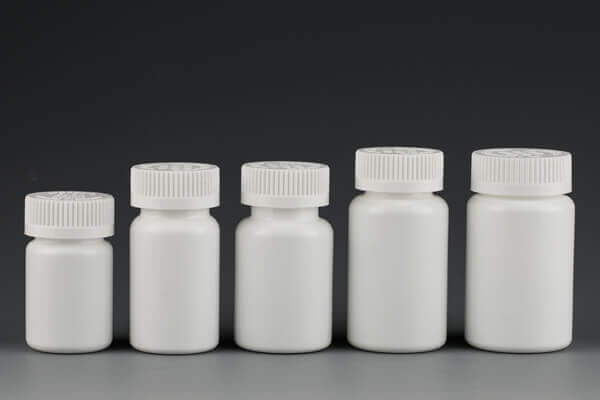
HDPE pill bottle with CRC cap


FDA approves first treatment for Fibrodysplasia Ossificans Progressiva

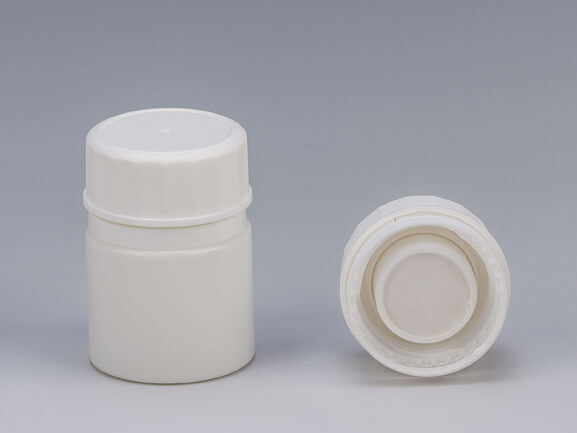
50ml pharma desiccant bottle


For example, some packaging materials are prone to deterioration in high temperature, humid and other environments, affecting the quality and safety of medicines. In addition, the design of some pharmaceutical packaging is unreasonable and cannot effectively prevent moisture, which brings inconvenience to patients; the lid can be opened easily, which may easily cause children to accidentally ingest medicines. In order to solve these problems, products on the market have been updated and iterated, such as moisture-proof covers with moisture-proof functions, which can effectively absorb internal moisture and maintain drug stability. The child safety cover adopts an inner and outer double-layer structure design, which increases the difficulty of opening the cover and thus protects children's safety.


Requirements for COP vials for cell-based drugs

RTU(ready to use) 2ml COP vial


In short, pharmaceutical packaging plays a certain role in drug safety and quality. In the future, we need to further improve the safety of packaging and promote the development of the pharmaceutical industry. This requires strengthening scientific research innovation and technological breakthroughs to ensure that the selection and design of pharmaceutical packaging materials meet multiple standards such as environmental protection, safety, and convenience.


2023年7月9日星期日

Common materials for medicinal moisture-proof bottles

 Medicinal moisture-proof bottles are usually used for storage and packaging of moisture-sensitive pharmaceuticals to maintain their stability and efficacy. Common materials are mainly glass bottles and plastic bottles, among which plastic bottles account for a large proportion in practical applications. Today we mainly introduce common plastic materials.


Requirement of desiccant for tablet medicine bottle

50ml pharma desiccant bottle


caps feature of desiccant packaging

effervescent tube cap


Polyethylene: High-density polyethylene is a kind of thermoplastic resin obtained by polymerization, which has good tensile strength, creep resistance, abrasion resistance, electrical insulation, toughness and cold resistance. Good chemical stability, corrosion resistance to acid, alkali and various salts at room temperature.

Polypropylene: Polypropylene is a polymer formed by addition polymerization of propylene. It can resist the corrosion of acids, alkalis, salt solutions and various organic solvents below 80 °C. In the practical application of polypropylene, the heat resistance and strength of pharmaceutical moisture-proof bottles can be improved by means of filling modification, blending modification, and reinforcement modification. Pharmaceutical companies that have special requirements for sterilization methods and require high-temperature sterilization, or require packaging to achieve translucent effects, generally choose polypropylene vials.


Pharmaceutical packaging desiccant moisture absorption rate detection

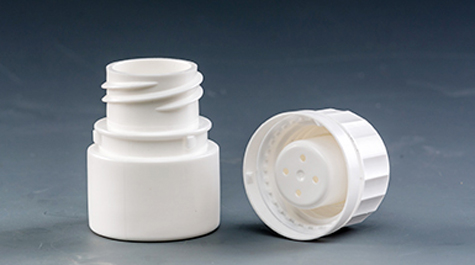
desiccant cap


Polyester: Polyester is a general term for polymers obtained by polycondensation of polyols and polybasic acids. It has high transparency, can block ultraviolet rays, and has good gloss; the heat resistance of pure PET is not high, and the heat distortion temperature is only about 85°C , but greatly improved after strengthening treatment; heat aging resistance is good, the embrittlement temperature is -70°C, and it still has a certain toughness at -30°C. The packaging made of this raw material has high transparency, and it can be matched with drugs of various colors, which can also improve the overall aesthetics of the drug to a certain extent.

It should be noted that the material selection of medicinal moisture-proof bottles should be determined according to the characteristics and requirements of specific drugs. Different drugs may have different requirements for materials, so when choosing the material of the medicinal moisture-proof bottle, comprehensive consideration should be given to the properties, stability and use environment of the drug to ensure the quality and safety of the drug.

2022年3月7日星期一

Three types of drugs for tablet vials

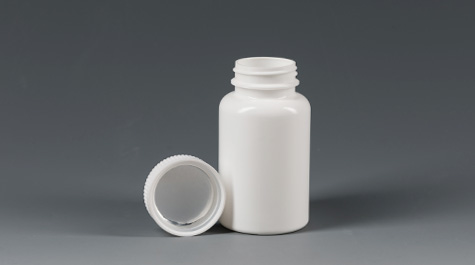
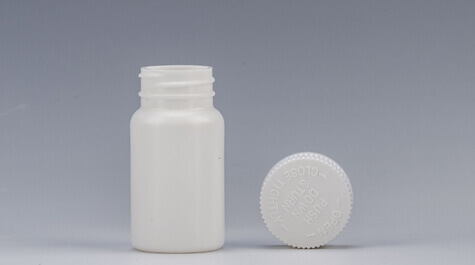
 Tablet bottle refers to a plastic bottle made of polyethylene, polypropylene or polyester and other polymer materials, after adding organic solvent, through injection molding, injection blowing and other processes. This kind of packaging has the characteristics of light weight, not easy to break, and easy to transport. It is mainly suitable for containing three types of drugs: tablets, capsules, and pills.


Three types of drugs for tablet vials

50ml pharma bottle with desiccant cap

Three types of drugs for tablet vials

child proof bottle

Tablets: Tablets are solid preparations in the form of flakes or special-shaped flakes that are uniformly mixed with drugs and excipients and compressed. Tablets are mainly oral ordinary tablets, but also include lozenges, sublingual tablets, oral patches, chewable tablets, dispersible tablets, effervescent tablets, vaginal tablets, immediate-release or sustained-release or controlled-release tablets and enteric-coated tablets. This kind of medicine has high requirements on the moisture resistance of the tablet bottle, and a desiccant is generally placed inside the package to absorb moisture.

Capsules: Medicines in capsules are generally powders or granules that are irritating to the esophagus and gastric mucosa, or have bad taste, are easily volatile, are easily decomposed by saliva in the mouth, and are easily inhaled into the trachea. These medicines are packed into capsules, which not only protect the medicinal properties of the medicines from being destroyed, but also protect the digestive organs and respiratory tract.

Pills: Pills refer to spherical or quasi-spherical preparations made from fine powder of medicinal materials or medicinal material extracts plus suitable binding auxiliary materials.

The above are the three main types of medicines for tablet medicine bottles. Depending on the characteristics of the medicines, the bottles will have different functions. For example, for medicines that are sensitive to light, color masterbatches are generally added to the raw materials to make brown bottles for better ensure the stability of the drug.

2021年11月30日星期二

What should we pay more attention on choosing plastic pharma bottle

 Child resistant cap bottle mainly keep safe and prevent healthy people eatting by mistake, especially for children and psychopath. However desiccant bottle can offer dry condition for tablets. Today we talk something about plastic pharma bottle.


What should we pay more attention on choosing plastic pharma bottle

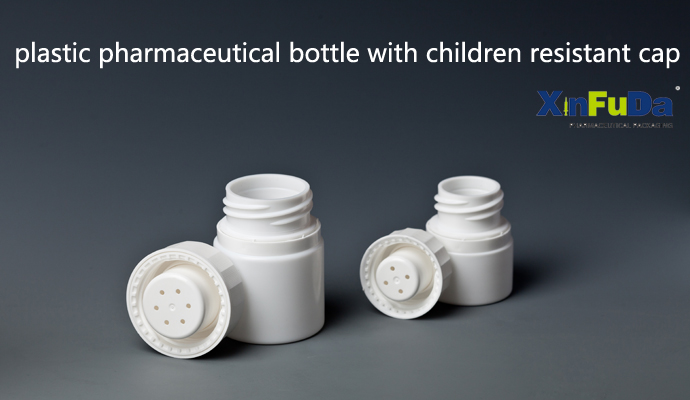
plastic pharma bottle with child resistant cap


Recently general plastic pharmaceutical packaging adopts the way of aluminum foil gasket seal to keep sealing. However after opening the gasket, sealing effect can not be get guarantee. The cap of tablets and capsules need to be opened frequently and the sealing is bad, which will cause drug absorption or oxidative deterioration. So there is a big hidden danger replying on gasket sealing. Second, when the cap is opened frequently, humidity will come into plastic bottle, and then speed up drug metamorphic. Especially for effervescent tablets, test strip and so on, it will be out of shape or go bad after moisture absorption. Excellent sealing bottle is important for tablets and capsules.


What should we pay more attention on choosing plastic bottle?

pharma desiccant bottle with CRC


So point of special child resistant cap bottle is having moisture proof, child resistant and desiccant cap can gurantee the drugs in the bottle can remain relatively sealed after opening, when using drugs. In order to prevent children opening and eating by mistake dangeriously. Recently the plastic pharma  bottle has applied for national patent.

The invention relates to the special structure of the bottle cap of the packaging bottle to achieve the purpose of the invention. The patent bottle cap is bilayer structure and equipped with child resistant cap, excellent sealing due to drug storehouse on the cap top, which can store desiccant and oxygen absorbent.


2021年11月25日星期四

What Should We Pay More Attention On Choosing Child Proof Cap

 Child proof cap bottle mainly keep safe and prevent healthy people eatting by mistake, especially for children and psychopath. Today we talk something about child resistant cap.


 What Should We Pay More Attention On Choosing Child Resistant Cap Bottle

pharma bottle with child proof cap


Recently general plastic bottle adopts the way of aluminum foil gasket seal to keep sealing. However after opening the gasket, sealing effect can not be get guarantee. The cap of tablets and capsules need to be opened frequently and the sealing is bad, which will cause drug absorption or oxidative deterioration. So there is a big hidden danger replying on gasket sealing. Second, when the cap is opened frequently, humidity will come into plastic bottle, and then speed up drug metamorphic. Especially for effervescent tablets, test strip and so on, it will be out of shape or go bad after moisture absorption. Excellent sealing bottle is important for tablets and capsules.


 What Should We Pay More Attention On Choosing Child Resistant Cap Bottle

60ml plastic bottle with CRC


The invention relates to the special structure of the bottle cap of the pharmaceutical packaging bottle to achieve the purpose of the invention. The patent bottle cap is bilayer structure and equipped with child resistant cap, excellent sealing due to drug storehouse on the cap top, which can store desiccant and oxygen absorbent.

With the attention of drug safe, the using of patent child proof cap bottle.

What is Child Resistant Cap Bottle

 Child resistant cap bottle is aslo called CRC bottle, it is a necessary packaging for drug. It is safe for family who has children, especially for baby who can not distingwish anything. Children may eat tablets by mistake if open the pharma bottle.


What is Child Resistant Cap Bottle

pharma bottle with child resistant cap 


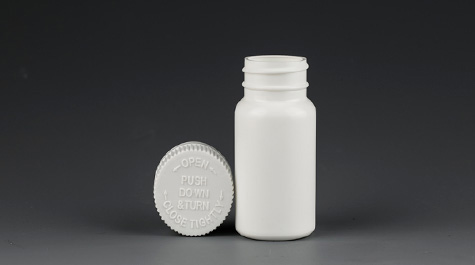
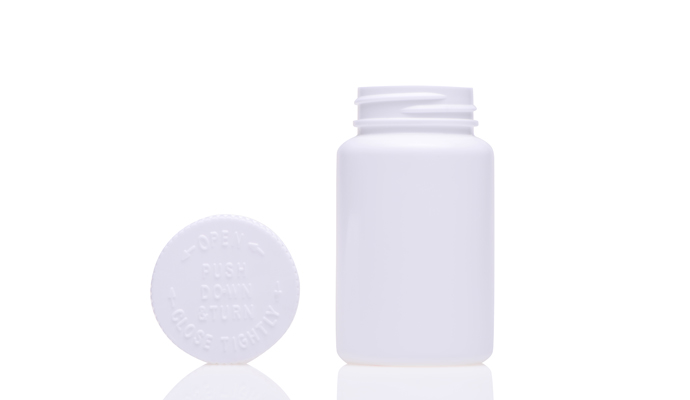
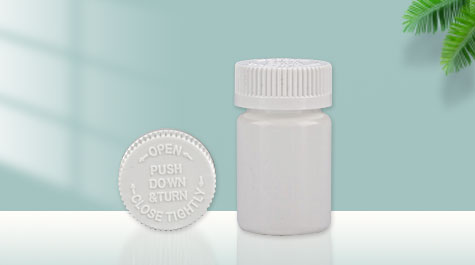
Pharmaceutical packagingchild resistant cap is contain with bottle and cap. The special design is the double cover, inner cap and thread of bottleneck connected, cover and inside links,it need external force to press the cover and turn to open. Which need people push down and turn can open the bottle. It adopts advanced injection blow molding which makes even bottleneck and uniform wall thickness. 


What is Child Resistant Cap Bottle

100ml child proof cap bottle


Excellent sealing and high security show the good quality. Child resistant cap is mainly used in medical and health care to prevent children eating pills or food by mistake.


2021年11月4日星期四

Easily Oxidized Detection of Tablet Medicine Bottle

 With the improvement of people's health awareness, the degree of attention to pharmaceutical packaging has also increased. Tablets and medicine bottles are commonly used to pack solid medicines such as tablets, pills, and capsules, and their quality is directly related to the safety of medicines. The country has also formulated corresponding standards for packaging quality to ensure drug safety. Among the quality standards, easy oxide detection is a very important one.


Easily Oxidized Detection of Tablet Medicine Bottle

45ml plastic medicine bottle with CRC


Easily Oxidized Detection of Tablet Medicine Bottle

50ml pharma desiccant bottle


Easily oxidized substances refer to substances that are prone to chemically react with oxygen in ordinary environments. The common ones are metals that are prone to rust. In the pharmaceutical packaging industry, they generally refer to substances that are prone to oxidation reactions with oxygen, such as organic matter, reducing agents, Sulfur, phosphorus, etc. The control of easy oxides is of great significance to ensure the quality of the drug within the validity period, prevent the chemical reaction between the precipitated reducing substances and the drug, and affect the efficacy and safety of the drug.

For the detection of easy oxides in tablet vials, there are detailed regulations in the quality standard of YBB00122002-2015 "Oral Solid Pharmaceutical High Density Polyethylene Bottles": precise measurement of 20ml of water for test solution, precise addition of potassium permanganate for titration 20ml of solution (0.002mol/L) and 1ml of dilute sulfuric acid, boil for 3 minutes, quickly cool, add 0.1g potassium iodide, place in a dark place for 5 minutes, titrate with sodium thiosulfate titrant (0.01mol/L), and titrate to the end point At the time, add 5 drops of starch indicator solution, continue titration until it is colorless, and receive the water blank solution in the same way. The difference between the two consumption of sodium thiosulfate titrant (0.01mol/L) shall not exceed 1.5ml.

The above is the test method for the easy oxides of the tablet vial in the domestic quality standards for pharmaceutical packaging materials. This test is only one of the quality standards. To meet the standard requirements, it needs to be in appearance, microbial limit, abnormal toxicity, and production environment. Comprehensive control and other aspects.


2021年8月24日星期二

Why do chronic disease drugs use tablet vials

 With the aging of the global population, the number of people with high blood pressure and diabetes has increased sharply, and the market demand for drugs for chronic diseases such as blood pressure and blood sugar has surged. Most of these drugs are tablets, and medicine tablet bottles are often used in the packaging.


Why do chronic disease drugs use tablet vials

150ml HDPE supplement bottle


Chronic disease refers to the general term for diseases that do not constitute infection and have long-term accumulation of disease form damage. According to a survey by the World Health Organization, 60% of the causes of chronic diseases depend on the individual’s lifestyle, and are also related to factors such as genetics, medical conditions, social conditions, and climate. In lifestyle, irrational diet, insufficient physical activity, tobacco use and harmful use of alcohol are the four major risk factors for chronic diseases. Chronic diseases mainly cause damage to important organs such as the brain, heart, and kidneys, which can easily cause disability, affect labor ability and quality of life, and medical expenses are extremely expensive, which increases the economic burden of society and families.

Hypertension and diabetes are globally recognized multiple diseases, and the superimposed prevalence is high. If they are not prevented in time, they will cause economic and life harm. With the improvement of people's living standards, the patients with these two diseases are showing a younger trend. Patients with chronic diseases generally need to take medicine for a long time, so the dosage form of this kind of medicine is mainly convenient to take tablets, and most of the packaging options are tablet vials. Such a large packaging capacity can reduce the number of times patients purchase medicines. On the other hand, this type of packaging is more friendly to the elderly and easy to open.

Chronic disease drugs are one aspect of the application of tablet medicine bottles. In addition, this kind of pharmaceutical packaging is light in weight, not fragile, and convenient to transport. It is also widely used in health care products, lozenges, capsules and other medicines.

2021年8月4日星期三

plastic bottle for capsule

Tablet vials are packaging containers for ordinary tablets, sustained-release tablets, dispersible tablets and other tablets. At present, most of the vials on the market are processed from polymer materials, which have good barrier properties and are also the mainstay of capsules and other drugs. package style.


plastic bottle for capsule

45ml plastic medicine bottle


Capsules refer to capsules made of special film-forming materials (such as gelatin, cellulose, polysaccharides, etc.). The contents (such as powders, liquids, etc.) or various types of drugs are packed into them for easy swallowing . The drugs packed in capsules are generally powders or granules that are irritating to the esophagus and gastric mucosa, or have a bad taste, are easy to volatilize, are easily broken down by saliva in the mouth, and are easily inhaled into the trachea. These medicines are packed in capsules, which not only protects the properties of the medicines from being destroyed, but also protects the digestive organs and respiratory tract. Removal of the capsule shell may cause loss of medicine, waste of medicine, and reduced efficacy. In addition, some drugs need to be dissolved and absorbed in the intestines, and the capsules protect the drugs from being destroyed by gastric acid.


plastic bottle for capsule

effervescent tablet tube


Capsules are a common pharmaceutical dosage form currently on the market. High temperature and high humidity will adversely affect the capsules, causing them to soften, become sticky, swell, and the contents are clumped, which can easily cause microbial growth. Commonly used packaging materials for tablet medicine bottles include polyethylene, polypropylene, polyester, etc. These materials have good barrier properties, can withstand the corrosion of most acid and alkali solvents, and are light in weight and easy to process and shape, including capsules. Many of the solid medicines have chosen this kind of packaging.

Although the tablet medicine bottle has good sealing and moisture barrier properties, it should be stored in a dry and cool place with a relative humidity of no more than 45%, and the temperature should not exceed 25°C to ensure the stability of the capsule preparation. 

2021年3月15日星期一

Application of eye drop bottle in common ophthalmology medicine

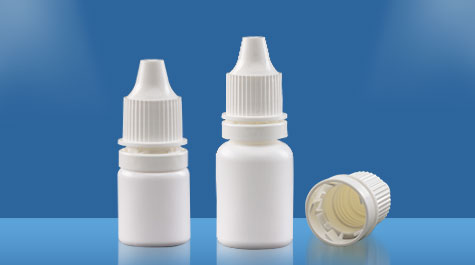
 The prevalence of electronic products has made eye diseases more and more common in our lives. Common eye diseases include glaucoma, cataracts, mydriasis, dry eye, sty, bacterial conjunctivitis, etc. The common drugs used to treat eye diseases are mostly eye drops. Therefore, eye drop bottles are also widely used in common ophthalmology drugs.


Application of eye drop bottle in common ophthalmology medicine

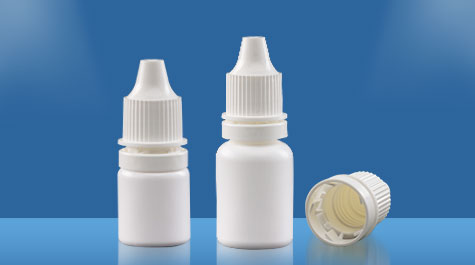
eye dropper bottle

Data show that from 2013 to 2017, the size of my country's ophthalmology market increased from 46.7 billion yuan to 86.6 billion yuan, with an average annual compound growth rate of 16.7%. With the increase in the incidence of ophthalmology, the upgrading of ophthalmic treatment technology, and the improvement of patient diagnosis and treatment awareness, the scale of my country's ophthalmology market is expected to continue to grow at a growth rate of about 14% between 2018 and 2022.

There are tablets for the treatment of ophthalmic diseases, such as: latanoprost, diclofinamide, zhangyanming tablets, scopolamine, dehydrocholic acid tablets, voriting tablets, etc.; there are also cream drugs, such as dementia Eye ointment, tetracycline ointment, yellow mercury oxide ointment, etc., among which there are many kinds of eye drops, such as timolol, clonidine, chlortetracycline, rifampicin, chloramphenicol, sodium sulfacetamide, Shaoyanning, Xiaolaiwei, sodium hydroxymethylcellulose, phthalazin, phthalazin, etc., almost every kind of eye disease treatment medicine has eye drops. Therefore, in the ophthalmic medicine packaging, eye drops Bottles occupy a large market.

With the increase in ophthalmological diseases, the market demand for ophthalmic drugs such as eye drops is also increasing. On the whole, the application of eye drop bottles in common ophthalmic drugs packaging will become more common.


2021年3月11日星期四

Comparison of safety items of eye drop bottles at home and abroad

 With the rapid increase in the demand for eye use, eye drops have become a must-have item for many people. As a high-risk route of administration, eye drops have very strict pharmaceutocal packaging requirements. There are differences in the standards for eye drop bottles at home and abroad. The differences in safety items are mainly reflected in clarity, burning residue, N-ethane non-volatile matter, easy to oxidize, and eye irritation test.


Comparison of safety items of eye drop bottles at home and abroad

eye dropper bottle

Compared with foreign pharmacopoeias, some items in the YBB standard have higher requirements, such as heavy metals, n-ethane nonvolatiles, ultraviolet absorbance, etc., adding biological test items such as microbial limit, sterility, abnormal toxicity, and eye irritation tests. According to the relevant requirements of the 2015 edition of the Chinese Pharmacopoeia, eye drops should be sterile products. Through these items, the degree of microbial contamination of the drug packaging materials can be checked. In addition, the preclinical safety evaluation of ophthalmic drugs must first evaluate the ocular irritation; therefore, in order to investigate the toxicity introduced during the production process, it is necessary to detect the ocular irritation.

In the ignition residue inspection items, the YBB standard stipulates different limit requirements based on the two types of sunscreen and no sunscreen, which is more reasonable than the United States Pharmacopoeia. In terms of easy oxide detection, the content specified in the YBB standard shall not exceed 1.5ml, which is too loose compared with the 0.5ml regulation in the European Pharmacopoeia.

Although there are certain differences in individual test items, there is no doubt about the degree of attention paid to the quality of eye drop bottles at home and abroad, and there is room for improvement in the improvement of standards.


2021年3月3日星期三

How to test the safety of child-proof bottles

 With the development of the pharmaceutical industry, a variety of new preparations emerge in an endless stream, and the safety of pharmaceutical packaging has also received more and more attention. Among them, whether children can effectively prevent children from opening the packaging and accidentally eating drugs has become a problem that pharmaceutical companies need to consider. The emergence of the open bottle successfully solved this problem.

How to test the safety of child-proof bottles

45ml plastic medicine bottle with crc

The child-proof bottle is a special packaging with protective function. Its characteristics are mainly reflected in the bottle cap. The bottle cap is composed of an inner and outer double layer structure and is connected by a card slot. Only rotating the outer cap cannot open the package. It needs to be downwards. The bottle cap can be opened by rotating the bottle while pressing. The child is still in the developmental stage and has poor physical coordination. It is difficult to open the package, which effectively reduces the risk of accidental eating.

The child-proof packaging regulations are aimed at children younger than 5 years old, so how to test the safety of child-proof bottles? The United States Code of Federal Regulations requires that 50 children be divided into three age groups and asked to open the child-proof packaging to be tested. The test time is 10 minutes. If a child fails to open the package within the first 5 minutes, then the package will receive a certificate and the test will continue for 5 minutes. If a child opens the package within the first 5 minutes or within the next 5 minutes, then the package fails the child. To pass the test, no less than 85% of children must be unable to open the package in the first 5 minutes, and no less than 80% of children cannot open the package in the next 5 minutes. If the results of multiple tests are inconsistent, you need to change to another wave, and the number of children to be tested should not exceed 200.

Child safety is a matter of great concern to the country and every family. The use of child-proof bottles for medicines is an effective measure to reduce the accidental consumption of medicines by children, and it is also the joint responsibility of pharmaceutical companies and pharmaceutical packaging companies.


2021年2月22日星期一

Why are effervescent tablets contaminated and deteriorated

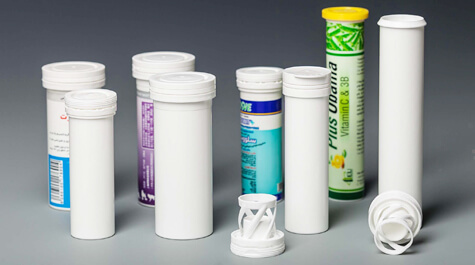
 Effervescent tablets are a new type of preparation that originated from abroad and has also been widely used in China in recent years. Due to the complex production process, high difficulty and high production cost, this formulation has very strict requirements on packaging. The effervescent tube must not only meet the basic moisture-proof and sealing requirements, but also consider the impact of various impact forces on the tablet during transportation.

No alt text provided for this image

effervescent tablet tube

The effervescent tube is a necessary part of the effervescent tablet to enter the market. If the effervescent tablet is contaminated and deteriorated, it is generally related to these factors of the effervescent tube. First of all, it depends on whether the effervescent tube is completely sealed. If the seal is not complete, external water vapor will invade the inside of the package, and the effervescent tablet has the characteristics of moisture absorption, which can easily cause deterioration of the preparation by moisture.

Secondly, the anti-drop performance of the packaging should be considered. This performance is mainly to prevent damage to the packaging and damage to the contents due to various external forces during the packaging, transportation, handling, and shelf circulation. The heavier the item, the higher the distance it falls, the higher the impact energy generated, and the higher the strength requirements of the packaging. The anti-drop performance of the effervescent tube can be tested as follows: the desiccant cap and bottle body are dropped at a height of 1 meter, the bottle cap is not broken, and the desiccant must not leak. Since the desiccant of the effervescent tube is generally placed in the cap, if the desiccant leaks, the silica gel and the molecular sieve will directly contact the drug, which will cause pollution to the effervescent tube.

Pharmaceutical packaging is a very rigorous industry, and any one of the packaging testing failures will have a certain impact on the drugs, and even affect the health of patients. When selecting effervescent tube suppliers, manufacturers of effervescent tablets should strictly examine their product quality and production qualifications to ensure drug safety.

2020年11月24日星期二

Test standard of desiccant cap

 Test standard of desiccant cap

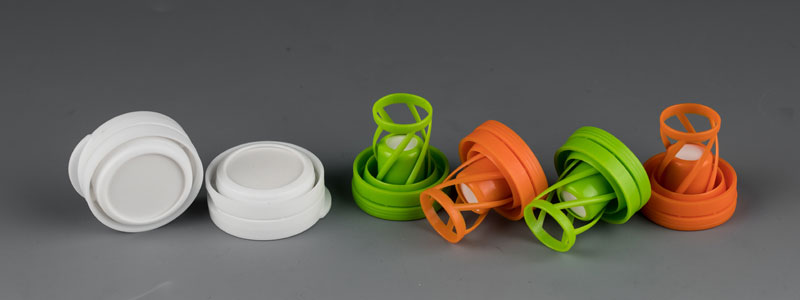
desiccant caps for pharma bottles

The following is the test standard for pharmaceutical desiccant caps:

1. Appearance

According to the quality requirements of plastic products, combined with the actual sample description, in line with the purpose of fully reflecting the quality of the product.

2. Identification

In order to effectively control the quality of the product and strengthen the monitoring of the formula and set the project, we refer to the YBB00172004-2015 method, select the infrared spectrum and density test, the index is consistent with YBB00112002-2015

3. Residue on ignition

The purpose of this test is to control the inorganic impurities in the plastic. We followed the 0.1% standard for YBB00172004-2015 and the 3.0% standard for the cover with sunscreen.

4. Desiccant Moisture Content Desiccant is a highly absorbent material that may absorb water during production. In order to ensure the quality of the product, it is necessary to control the moisture content of the desiccant to ensure the quality of the product before use.

5. Saturating agent saturated moisture absorption rate 

The desiccant capacity of the desiccant is an important indicator to check the quality of the desiccant. The saturated moisture absorption rate of different desiccants is different. To achieve the saturation of moisture absorption, it is taken out to constant weight after 8 days.

6. Short-term moisture absorption rate of desiccant

The short-term moisture absorption capacity of desiccant is also an important indicator to examine the quality of desiccant, simulating the hygroscopicity of the product during use.

7. Drop resistance

This product is a combination and should consider the combined performance of the product.

8. Physical and chemical properties of cardboard

According to the requirements of YBB00172004-2015, the physical and chemical indicators of cardboard have been established.

9. Dissolution test

Easy Oxide This item is designed to control the impurities in the water-soluble extract of the product that may affect the safety and effectiveness of the drug. Method YBB00172004-2015, the indicator is still no more than 1.0ml.

Heavy metals To control the total amount of heavy metals, set this item. . The method of the Pharmacopoeia of the People's Republic of China is adopted, and the indicator is one in a million

Non-volatile methods and indicators are fully based on the requirements of YBB00172004-2015.

10. Microbiological limits The method of the Pharmacopoeia of the People's Republic of China shall be adopted and shall comply with the regulations.

11. Abnormal toxicity The method of the Pharmacopoeia of the People's Republic of China is adopted and should comply with the regulations.