显示标签为“pharmaceutical packaging”的博文。显示所有博文

2025年6月16日星期一

Requirements for moisture absorption rate of desiccant for medicinal moisture-proof bottles

 The stability of the internal environment of the medicinal moisture-proof bottle is crucial to the quality of the drug. To prevent moisture from affecting tablets, desiccants are usually placed in the package to control humidity. The moisture absorption rate of the desiccant is directly related to its effectiveness and service life. This article will discuss in detail the moisture absorption rate requirements of the desiccant and its impact on the stability of the drug.
Application of HDPE container with desiccant cap in dry syrup

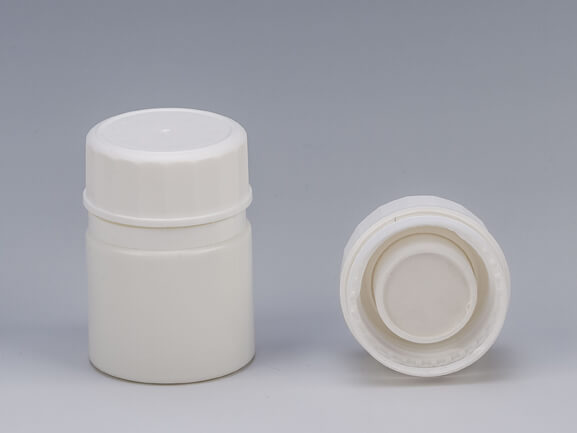
50ml desiccant bottle with CRC

1. The role of desiccant


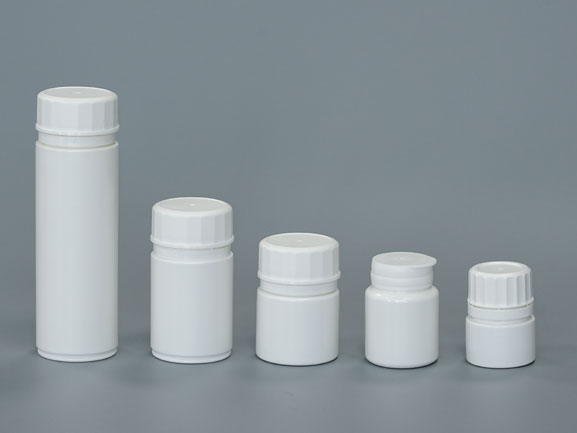
In the packaging of oral solid pharmaceutical high-density polyethylene moisture-proof combination bottle caps, the main function of the desiccant is to absorb moisture in the tube to prevent the tablets from being damaged by moisture. Commonly used desiccants include silica gel and molecular sieves, each of which has different moisture absorption characteristics and application advantages. In order to ensure the stability of drugs during storage and transportation, it is crucial to select a suitable desiccant and meet relevant standards.


2. Silica gel desiccant


1. Performance characteristics


The main component of silica gel desiccant is highly active silica gel, and its moisture absorption capacity can reach 40% of its own weight. As the only desiccant certified by the US FDA, silica gel desiccant can safely come into direct contact with drugs and food. Silica gel can effectively control moisture in long-term use and keep the internal environment of the package dry, thereby protecting the quality of the drug.


2. Moisture absorption rate requirements


In the application of medicinal moisture-proof bottles, the saturated moisture absorption rate of silica gel desiccant is required to be no less than 30%. In addition, in terms of short-term moisture absorption rate, the requirement for silica gel is no less than 3%. These standards ensure that silica gel desiccant can effectively absorb moisture during use and maintain the stability of the internal environment.


III. Molecular sieve desiccant


1. Performance characteristics


In addition to being able to absorb moisture, molecular sieve desiccant can also absorb other gases, and it can also effectively accommodate water molecules at high temperatures (above 230°C). The hygroscopic properties of molecular sieves enable them to quickly absorb moisture in a short period of time, which is suitable for packaging needs that require rapid control of humidity.


2. Moisture absorption rate requirements


According to the standard, the saturated moisture absorption rate of molecular sieve desiccant should be no less than 19%, and the short-term moisture absorption rate should be no less than 4.5%. These requirements ensure that molecular sieves can quickly reduce the humidity inside the package in a short period of time and provide reliable protection for drugs.
Desiccant bottle characteristics

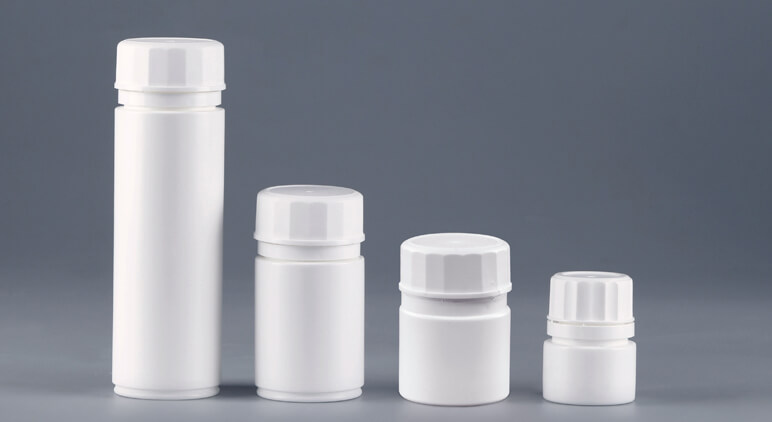
desiccant bottle with silica gel

IV. Mixing advantages


In practical applications, the desiccant for medicinal moisture-proof bottles is usually an equal proportion of silica gel and molecular sieve. This mixture has the advantages of both, with silica gel providing long-term stable moisture absorption capacity and molecular sieves able to quickly respond to short-term humidity changes.

Moisture absorption rate requirements


According to the YBB standard, the moisture content of the desiccant mixture should be less than 4.8%. In terms of saturated moisture absorption rate, the mixture is required to be no less than 24%. For short-term moisture absorption rate, the mixture is required to be no less than 3.5%. These standards ensure that the desiccant mixture can effectively control the humidity in the pharmaceutical moisture-proof bottle in actual use, thereby protecting the stability and effectiveness of the drug.


Desiccant in pharmaceutical moisture-proof bottles is crucial to the stability of tablets and capsules. Ensuring that the moisture absorption rate of the desiccant meets the YBB standard not only helps maintain the quality of the drug, but also increases consumer confidence in the product. When selecting packaging and desiccant, pharmaceutical companies should fully consider the performance requirements of the desiccant to ensure the stability of the drug throughout the supply chain.

2025年6月3日星期二

HDPE & PP Bottles with Desiccant Caps: Packaging for Moisture-Sensitive Products

 In today's highly regulated industries-especially pharmaceuticals, nutraceuticals, and diagnostics—product stability is non-negotiable. Moisture control plays a critical role in maintaining efficacy, shelf life, and safety. Enter the HDPE or PP bottle with a desiccant cap—a robust, integrated solution that combines protective plastic materials with built-in moisture management.

Application of HDPE container with desiccant cap in dry syrup

50ml desiccant bottle with CRC

What Are HDPE and PP Bottles with Desiccant Caps?

These bottles are made from High-Density Polyethylene (HDPE) or Polypropylene (PP)—two of the most widely used plastics in pharmaceutical and medical-grade packaging. Each bottle features a desiccant-integrated cap, which actively absorbs moisture from the bottle interior, protecting its contents without the need for loose desiccant sachets or canisters.

Desiccant bottle characteristics

desiccant bottle with silica gel

Why Use HDPE or PP?

Both HDPE and PP are FDA-approved for food and pharmaceutical contact, and they offer a balance of durability, chemical resistance, and cost-effectiveness:


HDPE (High-Density Polyethylene)

Excellent moisture barrier


High impact resistance


Lightweight and recyclable


Commonly used for tablets, capsules, and powders


PP (Polypropylene)

Higher heat resistance than HDPE


Chemically inert and non-reactive


Great for autoclave or steam sterilization


Often used for diagnostic kits or liquid formulations


The Desiccant Cap Advantage

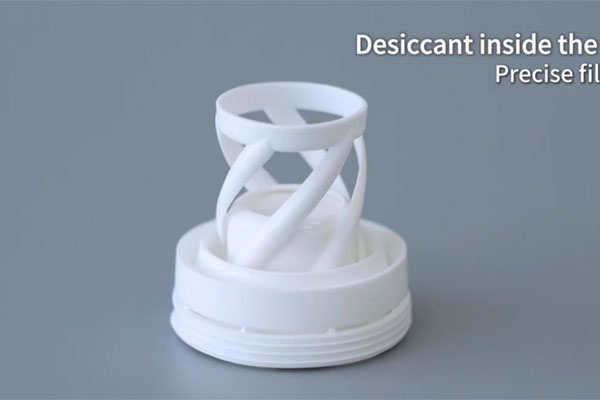
Desiccant caps are engineered with moisture-absorbing materials—like silica gel, molecular sieves, or activated carbon—integrated into the cap's structure. This keeps the desiccant secure and away from the product, while offering consistent protection from humidity.


Key Benefits of Desiccant Cap Bottles:

Integrated Moisture Control: Reduces product degradation due to humidity


Safety First: No loose packets, eliminating ingestion risks


Maximum Fill Volume: No internal space taken up by sachets


Streamlined Packaging: Simplifies automated bottling processes


Regulatory-Ready: Compatible with cGMP and FDA packaging standards


Ideal Applications

Pharmaceuticals: Tablets, capsules, probiotics, and powder-based meds


Nutraceuticals: Herbal blends, vitamins, and dietary supplements


Diagnostics: Glucose strips, test kits, and reagent cartridges


Industrial Uses: Sensitive materials like adhesives, catalysts, and electronics


2025年5月25日星期日

Innovative packaging solution for COP vials without washing or sterilization

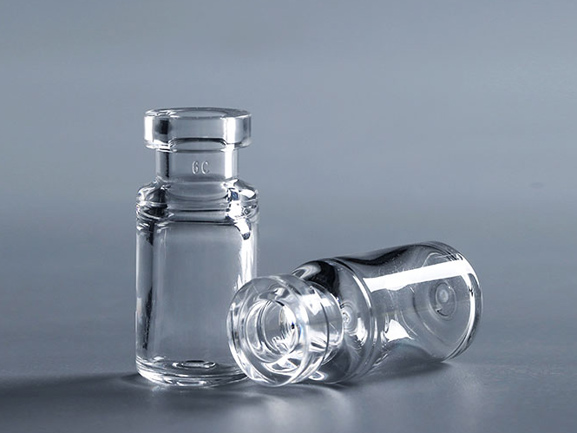
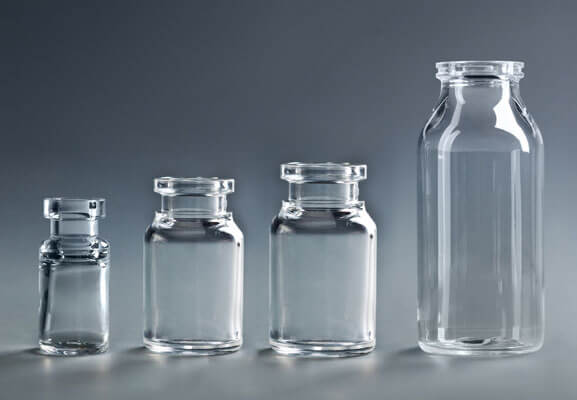
 As the pharmaceutical industry faces increasingly strict demands for drug packaging materials, especially in the field of high-end drugs such as biologics and cell-based therapies, there is a growing need for higher packaging quality, stability, and safety. COP vials (Cyclo-Olefins Polymer pharmaceutical plastic vials) have become the ideal packaging material for many pharmaceutical companies due to their excellent chemical stability, low protein adsorption, and outstanding low-temperature resistance. In recent years, the "no-wash, no-sterilization" packaging form of COP vials has gained widespread attention in the industry as an innovative solution, providing an efficient and convenient option for pharmaceutical production.

RTU Sterile Vials in Nest or Tray: The Future of Pharmaceutical Packaging

sterile vial in tray

1. Definition of No-Wash, No-Sterilization Packaging Form

In traditional drug packaging processes, the vials typically need to undergo cleaning and sterilization treatments to ensure sterility. This process is not only time-consuming and labor-intensive but also increases production costs and process complexity. The no-wash, no-sterilization packaging form of COP vials, as the name suggests, is a method where vials are directly used for filling and packaging without the traditional washing and sterilization procedures. This innovative approach guarantees the hygiene of the vials and the safety of the drugs by using sterile raw materials and a high-standard production environment during vial manufacturing, while also eliminating many steps in the traditional process. As a result, it significantly improves production efficiency.

Requirements for COP vials for cell-based drugs

RTU(ready to use) 2ml COP vial

2. Technical Advantages of No-Wash, No-Sterilization Packaging

Time and Cost Savings: The traditional packaging process involves cleaning, sterilization, and other procedures, which consume a lot of time and increase additional labor and equipment costs. The no-wash, no-sterilization COP vials streamline production processes by eliminating these steps, offering directly sterilized vials, reducing production cycles, and lowering factory operating costs.

Improved Production Efficiency: As competition in the pharmaceutical market intensifies, companies increasingly demand higher efficiency in production processes. The application of no-wash, no-sterilization technology allows drug filling to be carried out quickly and seamlessly, avoiding delays from cleaning and sterilization. This enables pharmaceutical companies to increase production flexibility, quickly respond to market demand changes, and enhance overall production capacity.

Reduced Risk of Drug Contamination: COP vials are produced in sterile environments using materials that meet pharmaceutical standards, ensuring that no external contamination is introduced during the packaging process. In traditional cleaning and sterilization processes, improper handling or aging equipment can still lead to microbial contamination. However, the no-wash, no-sterilization COP vials minimize contamination risk by controlling the source, ensuring the quality and safety of the drugs.

3. Applicable Scenarios for No-Wash, No-Sterilization Packaging

No-wash, no-sterilization COP vials are especially suitable for drugs that require high packaging standards, particularly in the fields of biologics, cell-based therapies, and high-pH drugs. Some typical applications include:

Biologics and Lyophilized Powders: Biologics often contain sensitive proteins or active ingredients, and any unnecessary contact or contamination could affect the drug's efficacy. No-wash, no-sterilization COP vials provide sterile packaging, ensuring the drug is not contaminated during storage and transport, preserving its activity to the maximum extent.

Cell-based Therapies: Cell therapy and gene therapy drugs need to be stored in low-temperature environments and require high cleanliness and sterility of the packaging material. The no-wash, no-sterilization COP vial packaging form reduces drug loss and contamination during low-temperature storage and transportation.

Vaccines and High-pH Drugs: High-pH drugs are prone to reactions with packaging materials during storage, which can affect the drug’s stability. COP vials, with their chemical stability and low protein adsorption properties, effectively prevent drug-material interactions, ensuring the drug's efficacy.

In summary, the no-wash, no-sterilization packaging form of COP vials offers pharmaceutical companies a novel solution that ensures drug quality and safety while significantly improving production efficiency and reducing costs. Whether in biologics, cell-based therapies, or vaccines, this innovative packaging form provides great convenience for pharmaceutical companies. With technological advancements and changing industry demands, the no-wash, no-sterilization packaging form of COP vials will undoubtedly play an increasingly important role in the future, driving the pharmaceutical industry towards greater efficiency, environmental sustainability, and intelligent development.

Antitumor drugs drive the market demand for COP vials

 COP vials are a high-end drug packaging that can be used as storage containers for drugs with a pH value greater than 10, protein drugs, and cell drugs. With the popularity of anti-tumor drugs, the demand for this type of packaging has also increased.


Anti-tumor drugs are a type of drug for treating tumor diseases. Simply put, there are chemotherapy drugs and biological agents. In recent years, the development of molecular oncology and molecular pharmacology has gradually clarified the nature of tumors; the invention and application of advanced technologies such as large-scale rapid screening, combinatorial chemistry, and genetic engineering have accelerated the process of drug development; the research and development of anti-tumor drugs has entered a new era.

What is Gene Therapy

Polymer Vial for cell and gene therapies

According to statistics from the World Health Organization (WHO), 3/5 of the world's people die from four major diseases: cancer, diabetes, cardiovascular disease, and chronic respiratory diseases, and cancer is one of the main causes of death. At present, drug therapy has become one of the important means of clinical treatment of tumors today. Affected by the high incidence and mortality of cancer, the sales of anti-tumor drugs have also increased year by year. The research on new anti-tumor drugs is also in full swing, becoming the focus of competition among pharmaceutical companies. COP vials are the main packaging for this type of drug. They have good temperature resistance and can maintain good stability at -196℃—+121℃, making them a good packaging container.

Requirements for COP vials for cell-based drugs

RTU(ready to use) 2ml COP vial

Overall, the market demand for anti-tumor drugs is large, and pharmaceutical companies are enthusiastic about research and development. As a special packaging for this, COP vials will also enter a period of rapid development, helping more anti-tumor drugs to be launched on the market.

2025年5月8日星期四

Effervescent tube water vapor transmission rate test

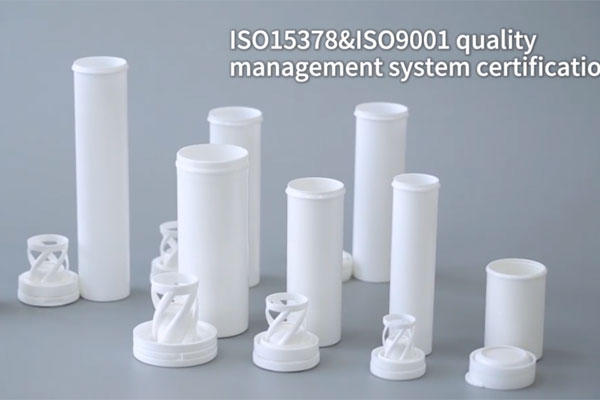
 In the field of pharmaceutical packaging, effervescent tubes play a critical role in protecting moisture-sensitive medications such as vitamin C effervescent tablets, certain tablets, and capsules. Among the various performance indicators, the water vapor transmission rate (WVTR) is a key metric used to assess the moisture barrier properties of effervescent tubes. The accuracy and standardization of WVTR testing methods directly affect the quality and safety of the medications. Let's take a closer look at this crucial testing process.

How Automated Labeling Is Revolutionizing Effervescent Tablet Packaging

cap for effervescent tube

I. Significance of Testing: A Critical Line of Defense for Drug Quality

The stability and efficacy of medications are closely tied to their storage conditions, with humidity being one of the most critical factors. As the "protective outerwear" of pharmaceuticals, effervescent tubes must have excellent moisture barrier performance. If the water vapor transmission rate is too high, external moisture can silently seep in and cause the drug to absorb moisture. This not only alters the physical form of the medication—such as causing effervescent tablets to clump or tablets to deform—but can also affect its chemical properties, reducing efficacy and potentially generating harmful impurities that pose health risks to patients. Therefore, accurately testing the WVTR of effervescent tubes is a vital prerequisite for ensuring drug quality and safe, effective medication use.


II. Testing Standards: The Foundation of Standardized Procedures

According to the authoritative Chinese standard "Oral Solid Pharmaceutical Polypropylene Bottles" (YBB00112002-2015), the WVTR testing process for effervescent tubes follows a clearly defined and standardized procedure. Specifically, the test must use Method 3 (2) from "Water Vapor Transmission Rate Testing Method" (YBB00092003-2015). During testing, environmental conditions must be strictly controlled, with temperature maintained at 25°C ± 2°C and relative humidity at 95% ± 5%. Only under these standardized conditions can the resulting WVTR values be accurate and comparable, truly reflecting the moisture barrier performance of the tubes. According to the regulations, the WVTR of effervescent tubes must not exceed 100 mg/24h·L, which serves as a key benchmark for determining whether the tubes meet quality standards.


III. Key Testing Considerations: Ensuring Accuracy and Reliability

In actual testing, many details can impact the accuracy of the results. First, sample selection is crucial. Since factors like material type, thickness, and structure can all affect WVTR, it's essential to select samples with the same material, thickness, and structure. This minimizes errors caused by sample differences and ensures the test accurately reflects the true performance of the effervescent tubes. For example, different materials have different molecular structures and thus vary greatly in their ability to block water vapor; similarly, variations in thickness can influence how easily water vapor penetrates.

How Automated Labeling Is Revolutionizing Effervescent Tablet Packaging

effervescent tube


Second, the stability of the testing environment must not be overlooked. Fluctuations in temperature and humidity can affect the diffusion rate of water vapor, thereby skewing test results. In conditions with higher temperatures or unstable humidity, water vapor molecules become more active, potentially increasing the amount that passes through the tube and causing deviations in the results. Thus, testing must be conducted in a stable environment with precisely controlled temperature and humidity. Laboratories must be equipped with high-precision environmental control systems to continuously monitor and adjust conditions, ensuring the entire testing process stays within the required standards.


WVTR testing for effervescent tubes is a vital step in safeguarding the quality and safety of medications. By strictly adhering to testing standards and paying close attention to key details during testing, accurate and reliable results can be obtained, allowing for the selection of high-performance tubes that effectively protect medications during storage and transport—ultimately safeguarding patient health.


2025年4月14日星期一

Child-resistant packaging: A critical line of defense for protecting families and children

As consumers' safety awareness continues to improve, child-resistant packaging has become a vital part of the global market. Parents with children in the family, especially parents of infants and preschoolers, are well aware of the potential dangers of many items in the home environment to children. In this context, the significance of child-resistant packaging has become increasingly prominent. It is not only an effective means to ensure that children are protected from harmful substances, but also a key measure to improve the overall quality of life and safety level.

Preventing children from opening the bottle can effectively reduce the risk of children accidentally ingesting drugs

HDPE bottle with child resistant closure

Historical background of child-resistant packaging

The original intention of child-resistant packaging can be traced back to the 1970s, when the United States began to implement the "Poison Prevention Packaging Act" (PPPA). This law stipulates that any household products that may pose a danger to children (such as medicines, detergents and chemicals) must be packaged in a safe way to prevent children from accidentally ingesting or misusing them. This move significantly reduced the incidence of accidents caused by children's contact with these items and became the starting point for global safety packaging specifications.

ISO 8317 standard: a globally unified safety standard

ISO 8317 is one of the important international standards for child-resistant packaging certification. Its main goal is to ensure that the packaging design can effectively prevent children from misusing it, while also taking into account the convenience of adults when using it. The standard clearly states that qualified packaging must effectively prevent at least 80% of children aged 42 to 51 months from successfully opening the package. The implementation of this standard has unified and standardized child-resistant packaging worldwide, effectively ensuring the safety of children.

The innovative design of oral liquid bottle cap 

28mm child resistant cap for liquid

Taking into account both child safety and adult convenience

While ensuring the safety of children, the ISO 8317 standard also takes into account the convenience of adults, especially the elderly, when using packaging. For items used in daily household use, adults often need to be able to easily open and reseal the package, especially daily necessities such as medicines and cleaning products. Therefore, child-resistant packaging must not only have efficient protective performance, but also must take into account convenient adult operation. Through careful design, packaging can balance the needs of both, not only effectively preventing children from contacting dangerous items, but also ensuring that adults can use it without hindrance.

Global child-resistant packaging certification

Many countries and regions in the world have formulated child-resistant packaging standards similar to the US PPPA. ISO 8317 provides a unified quality standard for product packaging worldwide. If companies can strictly abide by these standards when designing and producing packaging, they can not only improve the safety of their products, but also effectively enhance the brand's trust among consumers. This global certification system enables child-safe packaging to circulate smoothly in the international market, effectively ensuring the safety of families around the world.

Enterprises should strictly abide by child-safe packaging standards

As global attention to consumer safety continues to heat up, more and more companies are aware of the importance of child-safe packaging. Whether in the design stage or the production process, companies need to strictly abide by international safety standards to ensure that packaging design can effectively prevent children from misusing it. This is not only a social responsibility of the company, but also can win the favor and trust of consumers for the brand. Child-safe packaging certification can not only help companies stand out in the fierce market competition, but also provide consumers with a more secure shopping experience.

Child-safe packaging certification plays a vital role in ensuring the safety of families and children. The implementation of the ISO 8317 standard provides a scientific basis and unified standards for child-safe packaging worldwide, helping companies to ensure product safety while taking into account the convenience of consumers. Companies should strictly follow relevant standards in the product design and packaging process to provide consumers with higher quality and safer products. 

2025年3月10日星期一

COP vial: a new packaging for cell therapy drugs

With the rapid development of cell therapy, its application value in the fields of cancer, blood diseases, cardiovascular diseases, etc. has become increasingly prominent. However, cell therapy drugs have extremely stringent requirements for packaging, and traditional packaging materials often cannot meet their special needs. Cyclic olefin polymer (COP) vials have become an ideal packaging choice for cell therapy drugs due to their unique performance advantages.

Requirements for COP vials for cell-based drugs

RTU(ready to use) 2ml COP vial

Challenges of cell therapy drugs to packaging

Cell therapy drugs usually contain protein components, which are easily adsorbed on the packaging surface, resulting in drug waste and inaccurate dosage. In addition, cell drugs need to be stored in ultra-low temperature environments (such as liquid nitrogen environments) to maintain drug activity. Therefore, packaging materials must meet the following two core requirements:

1. Low protein adsorption: avoid drug waste and ensure accurate dosage;

2. Excellent low temperature resistance: maintain stability in ultra-low temperature environments to ensure drug activity.

How do COP vials meet the needs of cell therapy drugs?

1. Low protein adsorption: COP vials have extremely low protein adsorption characteristics, which can effectively prevent drug components from being adsorbed on the packaging surface, ensuring the accuracy of drug dosage and the stability of efficacy. This feature makes it an ideal choice for protein drugs and cell therapy drugs.

2. Excellent low temperature resistance: COP vials can still maintain excellent physical and chemical stability in ultra-low temperature environments, and can withstand the extreme conditions of liquid nitrogen storage, ensuring that the activity of cell therapy drugs is not affected during storage and transportation.

Application of COP vials in the field of cell therapy

At present, COP vials have been widely used in the packaging of a variety of high-value cell therapy drugs, including:

Immune cell therapy drugs: such as CAR-T cell therapy drugs;

Stem cell therapy drugs: used to repair tissue and organ damage;

Gene therapy drugs: such as drugs used to treat genetic diseases.

Strict quality inspection to ensure drug safety

RTU Sterile Vials in Nest or Tray: The Future of Pharmaceutical Packaging

sterile vial in tray

The production process of COP vials follows strict quality inspection standards, including:

Appearance inspection: transparency, surface finish, no blisters, oil stains, etc.;

Performance inspection: sealing, absorbance, acidity and alkalinity, total organic carbon, etc.;

Biocompatibility inspection: cytotoxicity, skin sensitization, hemolysis, etc.

These inspection items ensure the stability and safety of COP vials during drug storage and transportation, and provide a reliable packaging solution for cell therapy drugs.

COP vials are an ideal choice for cell therapy drug packaging due to their low protein adsorption and low temperature resistance. They can not only meet the special needs of cell therapy drugs, but also provide pharmaceutical companies with safe and reliable packaging solutions, helping the rapid development of the cell therapy field. 

2025年3月4日星期二

Design and application of high-density polyethylene bottles for oral solid medicine

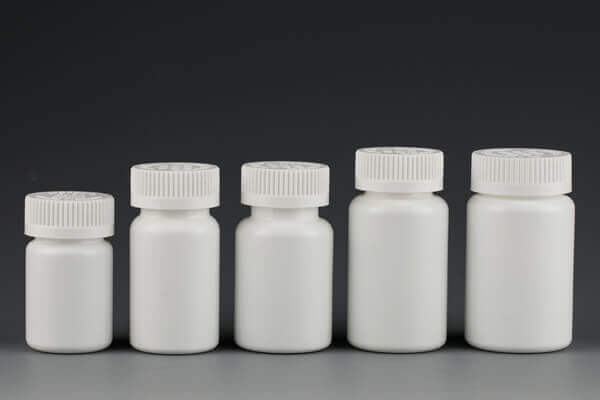
In pharmaceutical packaging, oral solid pharmaceutical high-density polyethylene bottles (HDPE bottles) are a common and important packaging form. Due to the characteristics of solid drugs, this type of bottle has its own unique requirements in design and material selection to ensure the quality and safety of drugs.

Preventing children from opening the bottle can effectively reduce the risk of children accidentally ingesting drugs

HDPE bottle for pills

Bottle mouth design


The bottle mouth design of oral solid pharmaceutical high-density polyethylene bottles is usually larger. This design helps to facilitate the filling and taking of drugs. The advantage of a large-diameter bottle mouth is that it can quickly and effectively fill the drug, and it is also convenient for users to operate when taking the drug. Compared with the bottle mouth of liquid drugs, the bottle mouth of solid drugs does not require particularly strict sealing, because solid drugs will not cause leakage problems due to the opening and closing of the bottle mouth.


Bottle wall thickness


The wall thickness requirements of oral solid pharmaceutical high-density polyethylene bottles are relatively loose. Since solid drugs are not affected by liquid pressure, the wall thickness of this bottle is mainly to provide sufficient mechanical strength and durability. Generally speaking, the wall thickness of solid pharmaceutical bottles can be adjusted according to actual needs to ensure the stability and durability of the bottle, but it does not need to be as high as the standard of liquid pharmaceutical bottles.


Transparency and Masterbatch Use


Solid drugs have relatively low transparency requirements for bottles because solid drugs are not directly affected by light. However, in some cases, pharmaceutical packaging companies may use HDPE bottles of different colors to meet market demand or enhance product recognition. For oral solid drugs, the color of the bottle usually does not affect the quality of the drug, but it can help users identify the drug more conveniently.

Design and application of high-density polyethylene bottles for oral solid medicine

HDPE container with silica gel

Design Optimization


The design of oral solid pharmaceutical HDPE bottles also takes convenience and humanization into consideration. For example, some bottles are designed with moisture-proof functions to protect the dryness of drugs during storage. In addition, the shape and size of the bottle are also optimized for easy storage and transportation.


In summary, the design and material selection of oral solid pharmaceutical HDPE bottles are mainly based on practicality and economy. Through reasonable bottle mouth design, appropriate wall thickness and color selection, this bottle not only ensures the effectiveness and safety of the drug, but also improves the convenience of use. Pharmaceutical packaging material companies can continue to innovate in these details to improve product quality and user experience.

2024年8月26日星期一

Child-resistant packaging certification and ISO 8317 standard analysis

Child-resistant packaging certification plays a vital role in ensuring the safety of families and children. Since the introduction of the Poison Prevention Packaging Act (PPPA) in the United States in the 1970s, child-resistant packaging has become an important part of protective measures. The law stipulates that all products harmful to children must use child-proof packaging, thus significantly reducing the rate of accidents caused by children's exposure to harmful substances.

Preventing children from opening the bottle can effectively reduce the risk of children accidentally ingesting drugs

HDPE bottle with child resistant closure

The ISO 8317 standard is one of the key international standards for certification of child-safe packaging. The standard is designed to ensure that packaging effectively prevents misuse by children while being easy for adults to use. ISO 8317's testing process requires packaging to prevent at least 80% of successful opening attempts by children aged 42 to 51 months. If the packaging is able to meet this standard, it is considered child-safe.

In addition, ISO 8317 also takes into account the ease of use by adults of different ages, including the elderly. Qualified packaging should not only have adequate protective capabilities, but also be easy for adults to use and reseal. This balance ensures children's safety without causing too much trouble during normal use.

Many countries and regions around the world have followed standards similar to the US PPPA and formulated corresponding child safety packaging specifications. International certification to ISO 8317 provides a unified quality standard that standardizes child-safe packaging worldwide, thereby improving safety.

The innovative design of oral liquid bottle cap 

28mm child resistant cap for liquid medicine

In short, child-resistant packaging certification is a key step in protecting children's health, and the ISO 8317 standard provides a scientific basis to ensure the effectiveness of packaging in practical applications. Companies should strictly abide by these standards when designing and producing packaging to ensure the safety of children. 

2024年8月2日星期五

The Prospects of the Pharmaceutical Packaging Industry

 The pharmaceutical packaging industry stands at a critical juncture of growth and transformation, driven by advances in technology, stringent regulatory requirements, and evolving consumer demands. As we navigate through the 21st century, the industry is poised to experience significant changes that will shape its future. This blog explores the current landscape, emerging trends, and the prospects of the pharmaceutical packaging industry.

Current Landscape

Emerging Trends

Future Prospects


Desiccant bottle characteristics

desiccant bottle with silica gel

Current Landscape


Pharmaceutical packaging serves multiple purposes, including protecting drug products, ensuring patient safety, providing information, and facilitating ease of use. The industry's primary segments include:

Primary Packaging: Direct contact with the drug (e.g., bottles, blister packs, vials).

Secondary Packaging: Provides additional protection and grouping (e.g., cartons, boxes).

Tertiary Packaging: Bulk handling and transportation (e.g., pallets, crates).

The industry is regulated by stringent standards to ensure the safety and efficacy of medications. Key regulatory bodies include the FDA (USA), EMA (Europe), and PMDA (Japan), among others.

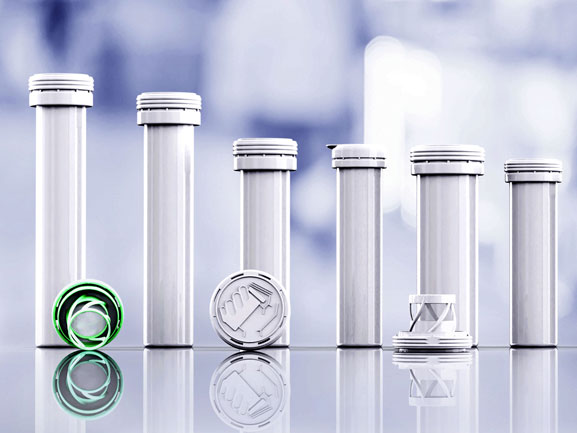
Effervescent tubes with spiral caps information

Effervescent tube

Emerging Trends


Smart Packaging:

RFID Tags and QR Codes: Enhance traceability and anti-counterfeiting measures.

Sensors: Monitor storage conditions (e.g., temperature, humidity) to ensure drug integrity.


Sustainability:

Eco-friendly Materials: Increased use of biodegradable and recyclable materials to reduce environmental impact.

Lightweight Packaging: Reducing material usage while maintaining protection standards.

What is Gene Therapy

COP vial

Personalized Medicine:

Custom Packaging Solutions: Tailored to individual patient needs and dosages, requiring flexible and adaptable packaging systems.


Automation and AI:

Smart Manufacturing: Incorporation of AI and machine learning to optimize production processes, reduce waste, and ensure consistent quality.


Robotics: Automated packaging lines to improve efficiency and reduce human error.


Market Growth Drivers

Aging Population:

Increased demand for medications to manage chronic diseases prevalent in older populations.

Advancements in Biotechnology:


Rise in complex biologics and biosimilars requiring specialized packaging solutions to maintain stability and efficacy.


Regulatory Compliance:

Ongoing updates to regulatory standards necessitate continuous innovation in packaging solutions to ensure compliance.

Application and characteristics of amber PET bottle

PET amber bottle

Globalization:

Expansion of pharmaceutical markets into emerging economies, driving demand for diverse and adaptable packaging solutions.

Challenges


Cost Management:

Balancing the need for advanced packaging solutions with cost efficiency remains a significant challenge.

Regulatory Hurdles:


Navigating the complex and varying regulations across different regions requires significant resources and expertise.


Counterfeit Drugs:

Ensuring the authenticity of medications through secure packaging to combat the growing threat of counterfeit drugs.


Future Prospects


The future of the pharmaceutical packaging industry looks promising, driven by technological innovations and the growing need for safe and effective drug delivery. Key areas of growth include:


Digital Integration:


Increased use of digital technologies for enhanced traceability, patient engagement, and data analytics.


Biodegradable and Smart Materials:

Development of new materials that combine sustainability with advanced functionalities.


Collaborative Innovations:

Partnerships between pharmaceutical companies, packaging manufacturers, and technology providers to co-create innovative solutions.


Patient-Centric Design:

Focus on packaging that improves patient adherence, convenience, and overall experience.


The journey ahead is one of transformation and opportunity, promising a future where pharmaceutical packaging not only meets the demands of today but also anticipates the needs of tomorrow.

2024年4月14日星期日

Application of effervescent tube - electrolyte effervescent tablets

 Electrolyte effervescent tablets are a convenient, quick solution for replenishing fluids and electrolytes, especially suitable for people with busy lifestyles and those who need a quick recovery. The effervescent tube plays a vital role in electrolyte effervescent tablets. Its design and function allow users to conveniently replenish the required water and electrolytes at any time and anywhere.


Requirements for the moisture content of the desiccant in the effervescent tube

144mm*29mm effervescent tube packaging


Requirements for the moisture content of the desiccant in the effervescent tube

caps for effervescent tube

First of all, the portability of effervescent tubes is one of its very big advantages. Thanks to its compact, lightweight design, users can easily slip it into their pocket or bag and take it with them at any time. This allows users to conveniently replenish water and electrolytes during outdoor activities, sports competitions or travel, ensuring that the body maintains adequate levels and electrolyte balance.

Secondly, the effervescent tube has a built-in desiccant, and the material is made of raw materials with very good barrier properties and has good moisture-proof performance. This means that even in humid environments, the effervescent electrolyte tablets maintain their quality and effectiveness, ensuring users get optimal rehydration when they need it.

In addition, the effervescent tube adopts a coil spring design to compress the tablets and prevent the medicine from being damaged during transportation. This design ensures that every effervescent tablet received by users is intact, thereby ensuring product quality and reliability.

Therefore, the effervescent tube plays a key role in electrolyte effervescent tablets. Its portability, moisture-proof performance and drug protection function allow users to obtain the required water and electrolyte supplements anytime and anywhere, providing convenience and guarantee for health and vitality.


2024年2月19日星期一

Why liquid preparations should use child-resistant cap

 Child-proof bottle is a special packaging container with child protection function. It is mainly used to prevent children from opening the package at will and accidentally ingesting medicines. Our common tablets, capsules and other medicines all use this kind of packaging. In addition, it also includes some liquid preparations, such as oral liquids, syrups, etc.

The innovative design of oral liquid bottle cap 

28mm child resistant  cap for liquid medicine

Oral liquids and syrups generally taste sweet. Children are in the growth and development period and are curious about many things. It is easy for them to treat such drugs as drinks, causing accidental ingestion and serious consequences.

Application and characteristics of amber PET bottle

PET amber bottle

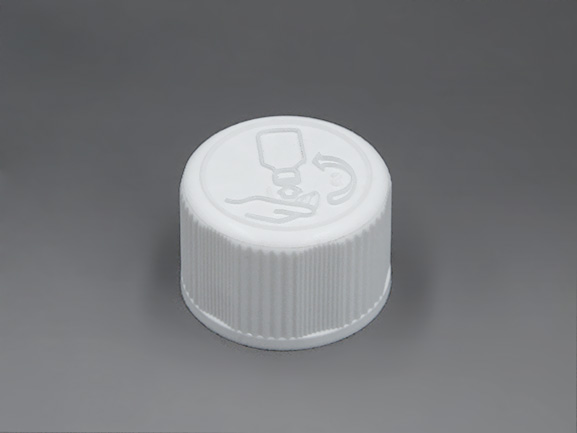
The special design of the child-proof bottle is mainly reflected in the lid. It adopts an inner and outer double-layer structure design. The lid is marked with a push-down and rotation mark. Normal adults can easily open the package according to the mark guidance. For children who are in the developmental stage, it is often difficult for them to apply force in two different directions at the same time. This prevents them from opening the package at will in a short period of time, thereby reducing the risk of accidentally ingesting medicines.

What are the characteristics of oral dosing syringe


What are the characteristics of oral dosing syringe

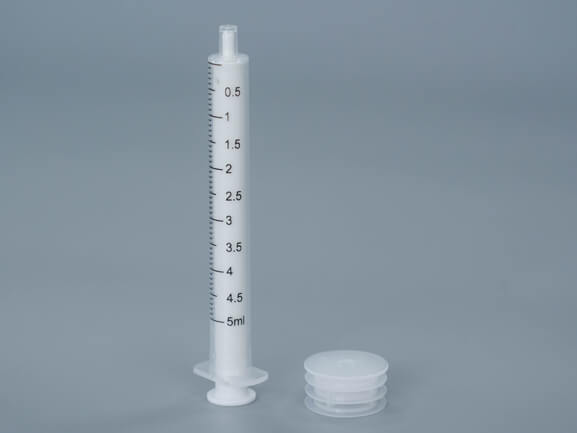
5ml oral dosing pipette


What are the characteristics of oral dosing syringe

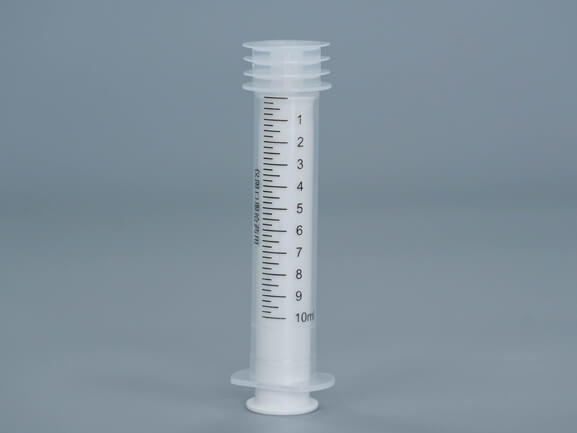
10ml oral dosing syringe