显示标签为“desiccant”的博文。显示所有博文

2025年6月16日星期一

Requirements for moisture absorption rate of desiccant for medicinal moisture-proof bottles

 The stability of the internal environment of the medicinal moisture-proof bottle is crucial to the quality of the drug. To prevent moisture from affecting tablets, desiccants are usually placed in the package to control humidity. The moisture absorption rate of the desiccant is directly related to its effectiveness and service life. This article will discuss in detail the moisture absorption rate requirements of the desiccant and its impact on the stability of the drug.

Application of HDPE container with desiccant cap in dry syrup

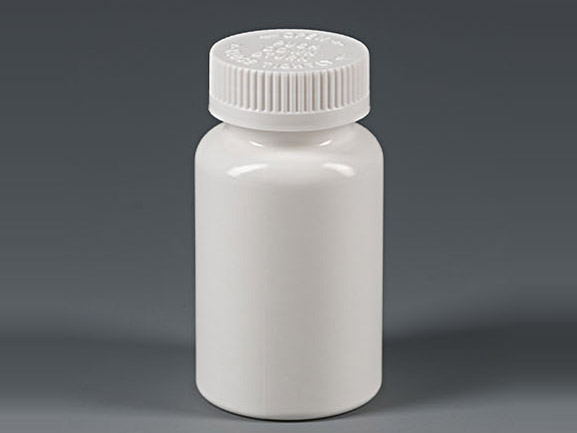
50ml desiccant bottle with CRC

1. The role of desiccant


In the packaging of oral solid pharmaceutical high-density polyethylene moisture-proof combination bottle caps, the main function of the desiccant is to absorb moisture in the tube to prevent the tablets from being damaged by moisture. Commonly used desiccants include silica gel and molecular sieves, each of which has different moisture absorption characteristics and application advantages. In order to ensure the stability of drugs during storage and transportation, it is crucial to select a suitable desiccant and meet relevant standards.


2. Silica gel desiccant


1. Performance characteristics


The main component of silica gel desiccant is highly active silica gel, and its moisture absorption capacity can reach 40% of its own weight. As the only desiccant certified by the US FDA, silica gel desiccant can safely come into direct contact with drugs and food. Silica gel can effectively control moisture in long-term use and keep the internal environment of the package dry, thereby protecting the quality of the drug.


2. Moisture absorption rate requirements


In the application of medicinal moisture-proof bottles, the saturated moisture absorption rate of silica gel desiccant is required to be no less than 30%. In addition, in terms of short-term moisture absorption rate, the requirement for silica gel is no less than 3%. These standards ensure that silica gel desiccant can effectively absorb moisture during use and maintain the stability of the internal environment.


III. Molecular sieve desiccant


1. Performance characteristics


In addition to being able to absorb moisture, molecular sieve desiccant can also absorb other gases, and it can also effectively accommodate water molecules at high temperatures (above 230°C). The hygroscopic properties of molecular sieves enable them to quickly absorb moisture in a short period of time, which is suitable for packaging needs that require rapid control of humidity.


2. Moisture absorption rate requirements


According to the standard, the saturated moisture absorption rate of molecular sieve desiccant should be no less than 19%, and the short-term moisture absorption rate should be no less than 4.5%. These requirements ensure that molecular sieves can quickly reduce the humidity inside the package in a short period of time and provide reliable protection for drugs.

Desiccant bottle characteristics

desiccant bottle with silica gel

IV. Mixing advantages


In practical applications, the desiccant for medicinal moisture-proof bottles is usually an equal proportion of silica gel and molecular sieve. This mixture has the advantages of both, with silica gel providing long-term stable moisture absorption capacity and molecular sieves able to quickly respond to short-term humidity changes.

Moisture absorption rate requirements


According to the YBB standard, the moisture content of the desiccant mixture should be less than 4.8%. In terms of saturated moisture absorption rate, the mixture is required to be no less than 24%. For short-term moisture absorption rate, the mixture is required to be no less than 3.5%. These standards ensure that the desiccant mixture can effectively control the humidity in the pharmaceutical moisture-proof bottle in actual use, thereby protecting the stability and effectiveness of the drug.


Desiccant in pharmaceutical moisture-proof bottles is crucial to the stability of tablets and capsules. Ensuring that the moisture absorption rate of the desiccant meets the YBB standard not only helps maintain the quality of the drug, but also increases consumer confidence in the product. When selecting packaging and desiccant, pharmaceutical companies should fully consider the performance requirements of the desiccant to ensure the stability of the drug throughout the supply chain.

2025年5月12日星期一

Types of Moisture-Proof Packaging for Sensitive Products

 Moisture is one of the leading causes of degradation for a variety of products, particularly in the pharmaceutical and diagnostics industries. Whether it's effervescent tablets, test strips, or desiccant bottles, effective moisture-proof packaging plays a crucial role in maintaining product integrity, extending shelf life, and ensuring accurate results. Let's dive into the specific packaging solutions designed to protect these sensitive products from humidity.

How Automated Labeling Is Revolutionizing Effervescent Tablet Packaging

effervescent tablet packaging

1. Effervescent Tablet Packaging

Effervescent tablets, which dissolve in water to deliver active ingredients quickly, are extremely sensitive to moisture. Exposure to humidity can cause them to degrade, fizz prematurely, or lose their potency. Therefore, moisture-proof packaging is essential.


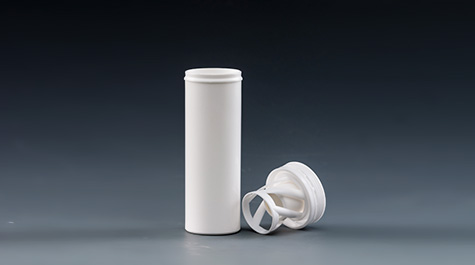
Desiccant Tube Packaging: Rigid plastic tubes, typically made of HDPE (High-Density Polyethylene) or PP (Polypropylene), with integrated desiccant stoppers or caps. These desiccants absorb moisture each time the cap is removed, ensuring the tablets remain dry.


feature of glucose test strip container

glucose test strip container

2. Test Strip Packaging

Test strips, including those for glucose, pregnancy tests, and water quality tests, are highly sensitive to moisture. If exposed to humidity, they can lose their functionality or give false results. Therefore, packaging needs to effectively shield these strips from moisture and environmental factors.


Desiccant-Lined Vials: Multi-strip packs often come in rigid plastic vials or bottles with desiccant material built into the cap or walls. These vials ensure the test strips remain dry throughout their shelf life.


Why It Works: Individual sealing and desiccant integration prevent moisture from compromising the strips' chemicals, ensuring that the test results remain accurate and reliable.

Desiccant bottle characteristics

desiccant bottle with silica gel

3. Desiccant Bottles

Desiccant bottles are commonly used for packaging moisture-sensitive pills, capsules, and other pharmaceutical products that need long-term protection from humidity. These bottles are designed to absorb moisture and maintain a dry environment inside the container, ensuring the product’s efficacy.


Common Packaging Solutions:


Desiccant-Integrated Caps: These bottles feature caps with integrated desiccant liners, such as silica gel or molecular sieves, that absorb moisture as the bottle is opened. This ensures that the product stays dry even when the container is frequently opened.


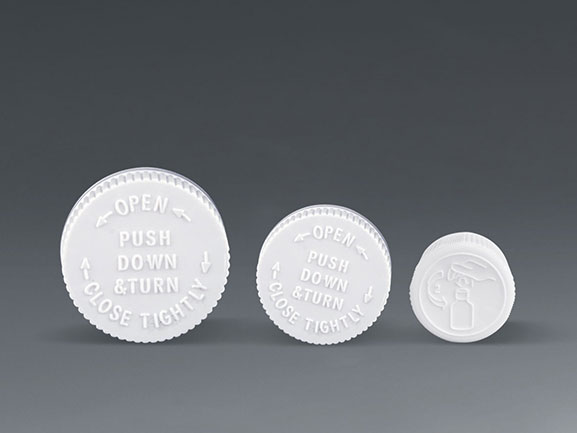
Child-Resistant and Tamper-Evident Features: For pharmaceuticals, desiccant bottles often include child-resistant closures and tamper-evident seals for safety and compliance.


Why It Works: Desiccant bottles effectively control humidity levels inside the container, ensuring that the product remains in ideal conditions, preserving its quality and potency.

2024年12月29日星期日

HDPE moisture-proof combination bottle caps that meet FDA USP standards

 In today's pharmaceutical packaging field, ensuring the safety and effectiveness of drugs is crucial. As a key part, packaging materials including bottle caps must meet strict standards to ensure drug quality and patient health, and require compliance with FDA USP standards for high-density polyethylene moisture-proof combination bottle caps.

Application of HDPE container with desiccant cap in dry syrup

50ml desiccant bottle with CRC


USP standards ensure the quality of drug packaging

The United States Pharmacopeia (USP) is a globally recognized pharmaceutical quality standard setting agency. Its regulations on plastic packaging systems, especially Chapter <661>, detail the selection, performance requirements and test methods of plastic materials. These standards apply not only to the packaging of the main drug, but also to auxiliary materials such as bottle caps.


Advantages of high-density polyethylene moisture-proof combination bottle caps


High-density polyethylene (HDPE) is widely selected for bottle cap manufacturing in pharmaceutical packaging due to its excellent moisture resistance, chemical stability and biocompatibility. According to USP standards, HDPE bottle caps can effectively protect drugs from external contamination and moisture intrusion, ensuring long-term storage and stability of drugs.


Guarantee of meeting strict standards


According to the requirements of USP <661> chapter, HDPE bottle caps must pass a variety of tests, including but not limited to physical properties, chemical stability, and compatibility tests after contact with drugs. These tests ensure that the bottle caps will not release harmful substances during use, ensuring the safety and purity of the drugs.


Choosing high-density polyethylene moisture-proof combination bottle caps is not only an investment in drug quality, but also a responsibility for patient health and safety. These bottle caps can not only effectively protect drugs, but also reduce the risks of drugs during transportation and storage, providing more confidence and protection for medical institutions and patients.


2024年8月2日星期五

The Prospects of the Pharmaceutical Packaging Industry

 The pharmaceutical packaging industry stands at a critical juncture of growth and transformation, driven by advances in technology, stringent regulatory requirements, and evolving consumer demands. As we navigate through the 21st century, the industry is poised to experience significant changes that will shape its future. This blog explores the current landscape, emerging trends, and the prospects of the pharmaceutical packaging industry.

Current Landscape

Emerging Trends

Future Prospects


Desiccant bottle characteristics

desiccant bottle with silica gel

Current Landscape


Pharmaceutical packaging serves multiple purposes, including protecting drug products, ensuring patient safety, providing information, and facilitating ease of use. The industry's primary segments include:

Primary Packaging: Direct contact with the drug (e.g., bottles, blister packs, vials).

Secondary Packaging: Provides additional protection and grouping (e.g., cartons, boxes).

Tertiary Packaging: Bulk handling and transportation (e.g., pallets, crates).

The industry is regulated by stringent standards to ensure the safety and efficacy of medications. Key regulatory bodies include the FDA (USA), EMA (Europe), and PMDA (Japan), among others.

Effervescent tubes with spiral caps information

Effervescent tube

Emerging Trends


Smart Packaging:

RFID Tags and QR Codes: Enhance traceability and anti-counterfeiting measures.

Sensors: Monitor storage conditions (e.g., temperature, humidity) to ensure drug integrity.


Sustainability:

Eco-friendly Materials: Increased use of biodegradable and recyclable materials to reduce environmental impact.

Lightweight Packaging: Reducing material usage while maintaining protection standards.

What is Gene Therapy

COP vial

Personalized Medicine:

Custom Packaging Solutions: Tailored to individual patient needs and dosages, requiring flexible and adaptable packaging systems.


Automation and AI:

Smart Manufacturing: Incorporation of AI and machine learning to optimize production processes, reduce waste, and ensure consistent quality.


Robotics: Automated packaging lines to improve efficiency and reduce human error.


Market Growth Drivers

Aging Population:

Increased demand for medications to manage chronic diseases prevalent in older populations.

Advancements in Biotechnology:


Rise in complex biologics and biosimilars requiring specialized packaging solutions to maintain stability and efficacy.


Regulatory Compliance:

Ongoing updates to regulatory standards necessitate continuous innovation in packaging solutions to ensure compliance.

Application and characteristics of amber PET bottle

PET amber bottle

Globalization:

Expansion of pharmaceutical markets into emerging economies, driving demand for diverse and adaptable packaging solutions.

Challenges


Cost Management:

Balancing the need for advanced packaging solutions with cost efficiency remains a significant challenge.

Regulatory Hurdles:


Navigating the complex and varying regulations across different regions requires significant resources and expertise.


Counterfeit Drugs:

Ensuring the authenticity of medications through secure packaging to combat the growing threat of counterfeit drugs.


Future Prospects


The future of the pharmaceutical packaging industry looks promising, driven by technological innovations and the growing need for safe and effective drug delivery. Key areas of growth include:


Digital Integration:


Increased use of digital technologies for enhanced traceability, patient engagement, and data analytics.


Biodegradable and Smart Materials:

Development of new materials that combine sustainability with advanced functionalities.


Collaborative Innovations:

Partnerships between pharmaceutical companies, packaging manufacturers, and technology providers to co-create innovative solutions.


Patient-Centric Design:

Focus on packaging that improves patient adherence, convenience, and overall experience.


The journey ahead is one of transformation and opportunity, promising a future where pharmaceutical packaging not only meets the demands of today but also anticipates the needs of tomorrow.

2024年2月27日星期二

What kind of medicines are suitable for hdpe bottle with desiccant cap

 In the modern medical field, pharmaceutical packaging is very important to ensure the safety and effectiveness of drugs. As a common form of pharmaceutical packaging, HDPE bottles with desiccant cap meet the storage needs of various drug types with their unique design and superior performance.


Desiccant bottle characteristics

desiccant bottle with silica gel


Requirement of desiccant for tablet medicine bottle

50ml pharma desiccant bottle


HDPE bottles are made of polyethylene polymer materials and processed through injection molding, injection blowing and other processes to become strong and lightweight plastic bottles. This form of packaging has the advantages of being unbreakable, easy to transport and store, and provides convenience for the transportation and distribution of medicines.

HDPE bottle with desiccant cap is mainly suitable for containing tablets, capsules, pills and other types of medicines. For tablets, due to their special pharmaceutical ingredients and taking methods, there are high requirements for moisture-proof packaging. In order to ensure the effectiveness and stability of the medicine, a desiccant is placed inside the bottle to absorb moisture and prevent the medicine from getting damp, sticking or deteriorating. In addition, for light-sensitive drugs, color masterbatches can also be added to the raw materials to make brown bottles to reduce the negative impact of light on the drugs and improve drug stability.

2023年10月30日星期一

Desiccant bottle characteristics

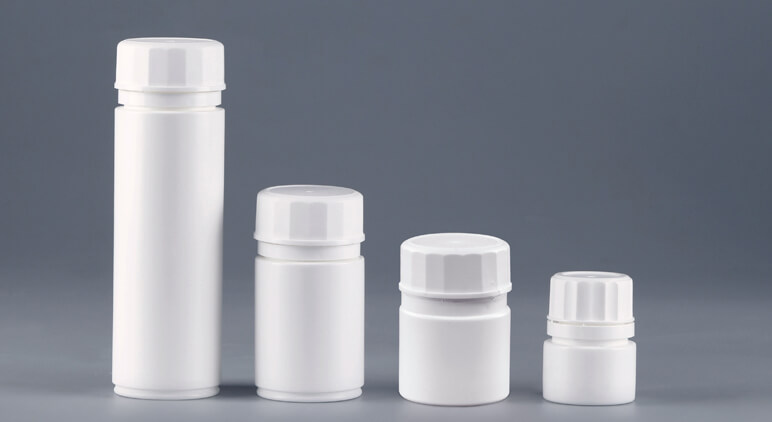
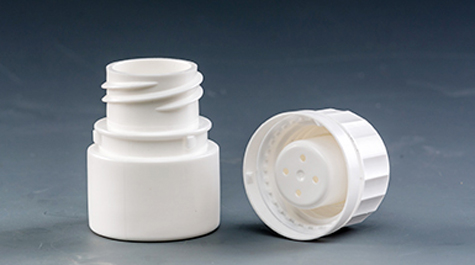
 Xinfuda desiccant bottle has a built-in desiccant in the cap and is available in 25ml, 40ml, 50ml, 70m, 175ml capacity. It has the function of preventing children from opening and has a good sealing effect.

The product has the following characteristics:


Desiccant bottle characteristics

desiccant bottle with silica gel


Requirement of desiccant for tablet medicine bottle

50ml pharma desiccant bottle


1. There is a bottle buckle at the neck of the bottle. When the desiccant cap is tightly closed, the anti-theft ring will get stuck. When it is opened again, the anti-theft ring will automatically fall off to ensure product safety;

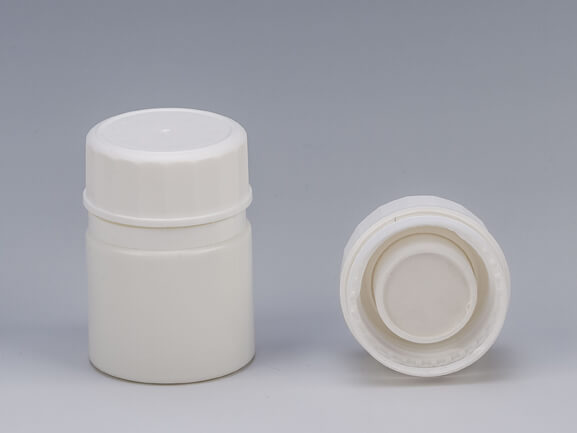
2. The built-in small silo can store desiccant, and the multifunctional desiccant integrated cover can achieve high packaging efficiency and provide an all-in-one solution.

3. Adopt innovative shaping design, which does not require aluminum foil gasket sealing, ensuring the sealing of the product and strictly controlling the water vapor transmission effect;

4. The bottle wall is thickened, produced with domestic advanced injection blowing equipment, and the quality is stable;

5. Comply with YBB inspection standards, pass CDE related review, status is A, US DMF registered enterprise; products can be customized to meet the needs of different customers.


2023年8月23日星期三

How to quickly select the most suitable drug packaging

Pharmaceutical products are usually packaged in containers for easy storage, distribution and use, and to protect the quality of the product. Information on the stability of the medicinal product in the selected container over the proposed shelf life is part of the quality information required to obtain regulatory approval for any medicinal product to market, in addition to evidence that the product is safe, effective, high quality and conforms to current good manufacturing practice. Product stability is usually demonstrated by conducting practical stability studies under ICH conditions. Due to the time-consuming nature, for long-term stability studies of pharmaceutical products, it is important to select the appropriate container to ensure the success of the study, especially where product packaging protection is required.

Product stability can be achieved through formulation design and proper use of containers. However, formulation design alone cannot ensure product stability during storage. Due to the diversity of pharmaceutical properties and their interactions with environmental conditions, some pharmaceutical products require protection against degrading factors such as humidity and oxygen. Therefore, selecting the proper packaging to provide the desired protection is an important part of product development. Although the selection process can be simplified by using the highest protective container closure system, the high cost may make it difficult to justify or practical for commercialization unless a high barrier container closure system is really required. Therefore, an appropriate container closure system must be selected to balance the need for product protection and the cost of commercialization.

Formal stability studies are the process of demonstrating the quality of a drug product over its shelf life in a selected container closure system. Formal stability studies are not the best way to select containers, as the process is empirical, time-consuming, expensive and inefficient. Proper selection of containers can be achieved by utilizing a science-based and quality-by-design (QbD) approach in the early development stages, before formal stability studies. The container can be selected based on material properties and relating the properties of the drug product to the properties of the container. Formal stability studies are then used to demonstrate the stability of the product in the selected container closure system.

This chapter will focus on the scientific selection of containers and/or packaging materials for solid oral dosage (SOD) to provide protection.


1. General considerations


Packaging materials used for pharmaceutical products must meet regulatory agency and pharmacopoeia requirements, provide adequate protection to the product from degradation and contaminating agents, perform their intended function properly, and be compatible and safe for use with the drug product. In addition, the packaging should be of a convenient and cost-effective nature for both the patient and the pharmaceutical manufacturer.

Containers are used for different types of products and different routes of administration. Different types of products have different container requirements. Container-drug interaction concerns are greatest for parenterals and inhalers, and lowest for solid dispersions. For detailed information on different types of drug products, please refer to FDA's guidance <Container Closure Systems for Packaging Human Drugs and Biologics>.

Proper use of container closure systems can protect SOD from moisture, light, oxygen or other gases, microbial contamination, and mechanical stress. In general, protection from moisture, light and oxygen are the most important factors. Control of microbial contamination can be easily achieved through the use of well-sealed containers and controlled materials, manufacturing and packaging processes under good manufacturing practice conditions. Protection from physical stress is achieved by using containers with adequate strength and minimized headspace to prevent excessive movement of product during handling and shipping. Containers generally do not protect the product from heat stress. For heat-sensitive products, it is usually protected by refrigeration or freezing during storage, transportation and use.


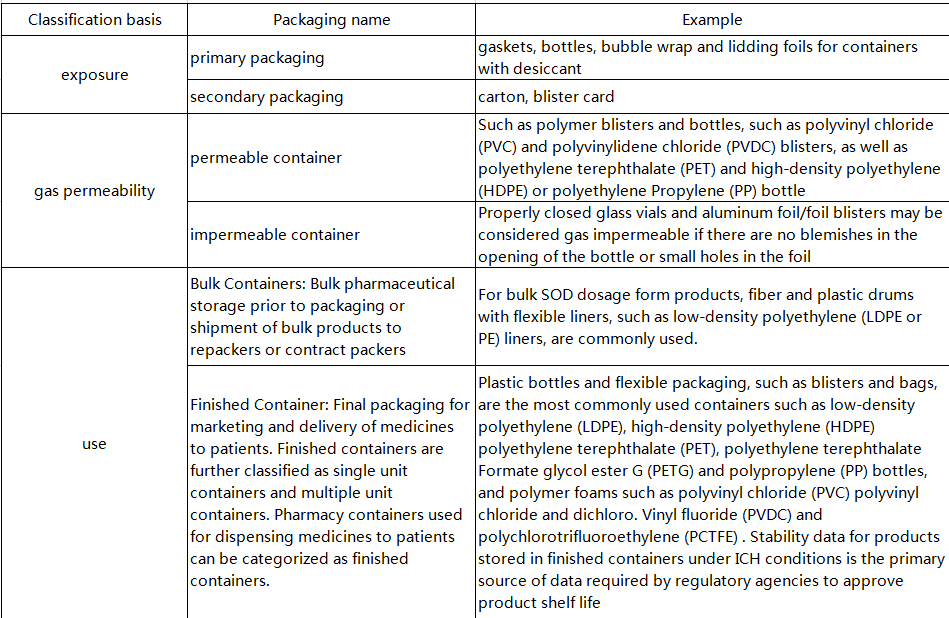
2. Container classification

1692693474538.jpg


3. Desiccant


Desiccants are often used to keep products dry and stable. Desiccants can absorb moisture from the air through physical adsorption or chemical reaction, thereby reducing the humidity in sealed containers. Moisture absorption of silica gel is an example of physical adsorption, and moisture absorption of calcium oxide is an example of chemical reaction.


3.1 Classification of desiccants For solid pharmaceutical products, the most commonly used desiccants are silica gel, clay and molecular sieves.


3.1.1 Silica gel

Silica gel is amorphous silicon dioxide and is highly porous. Silica gel performs well at room temperature, but adsorption rates and equilibrium humidity may be reduced at higher temperatures. Moisture in silica gel can be removed by drying at greater than 110°C. The current USP Chapter 671 recommends pre-drying silica gel desiccants at about 150°C to ensure complete removal of adsorbed moisture.


3.1.2 Clay

Clay is a low cost desiccant that works well at low temperatures. The main chemical components of clay include silica, alumina, magnesia, calcium oxide and iron oxide. Different grades of clay desiccants have different moisture absorption capabilities. Clay works well at room temperature, but at temperatures below 50°C it may lose moisture instead of absorbing it.
silica gel.png

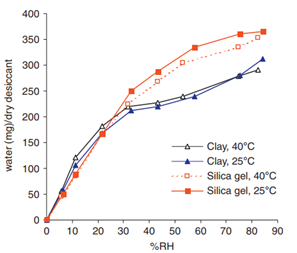
Equilibrium adsorption capacity of silica gel and clay

Humidity sorption isotherms for desiccants can be found in the literature. The equilibrium adsorption capacities of silica gel and clay at different temperatures and humidity are shown in Fig. 1. One caveat is that different grades of desiccant of the same type may have significantly different moisture adsorption capacities. Therefore, it is imperative to verify the humidity sorption isotherm of the chosen desiccant.


3.1.3 Molecular sieve


Molecular sieves are highly porous crystalline materials with precise monodisperse pores that can accommodate molecules of a specific size. Molecular sieves are available in different effective pore sizes such as 3, 4, 5 and 10. A molecular sieve with an effective pore size of 3 can selectively adsorb water molecules because the diameter of a water molecule is about 3, while a molecular sieve with a pore size of 4 can also adsorb oxygen in addition to water molecules.


3.2 Desiccant Dosage It is important to consider the amount of desiccant used, an insufficient amount will not provide the desired protective effect, while too much may lead to overdrying and increased costs. In many cases, overuse of desiccants does not affect drug product quality. However, excessive drying of some hydrates may lead to unstable amorphous formation. Therefore, it is very important to understand the product characteristics, the degradation mechanism of the product, and the humidity range required by the product before determining the amount of desiccant.


3.3 Effectiveness of the desiccant Because when exposed to air, the desiccant may rapidly absorb water vapor, thereby reducing or even losing its protective ability. In order to maintain the effectiveness of the desiccant, the environmental conditions and packaging process in which it is placed in the product container must be well controlled, and the ambient humidity and exposure time in which the desiccant is placed in the container must be clearly reduced if necessary.


4. Oxygen absorber


When the product is sensitive to oxygen in the air, the following methods can be selected for protection.


1. Use antioxidants

2. Pack the product in a container impermeable to oxygen, such as a glass or aluminum container, combined with an inert gas such as nitrogen or argon.

3. Synergistic protection of medicines through formulation design and packaging


Normal air contains about 21% oxygen. Oxygen levels can be reduced to a range of about 0.5-5% with inert gases. Oxygen levels in sealed containers can be reduced to less than 0.1% with adequate quantities of oxygen absorbers. Reducing initial oxygen levels combined with the use of containers with low oxygen permeability supplemented by oxygen absorbers may be the best method of protection for oxygen sensitive products. An oxygen absorber is a material that reacts with oxygen. Oxygen absorbers are common in the food industry but are less commonly used in pharmaceutical products. Different types of materials used as oxygen absorbers include:

Inorganic oxygen absorbers, such as powdered metals or their intermediate oxides;

organic antioxidants, such as vitamin C or salicylates;

Polymer oxygen absorber.

Unlike desiccants, oxygen absorbers have not been well studied for pharmaceuticals. Therefore, extensive research is required, including material properties and characterization of the redox mechanisms of oxygen absorbers and drug products, to evaluate the protective effect of oxygen absorbers on drug products.


5. The permeability of the container


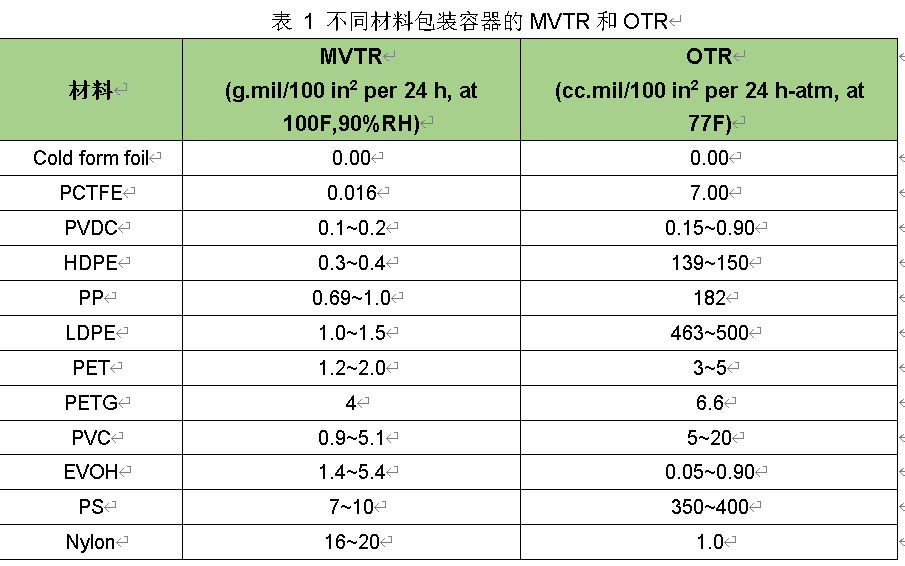
The permeability of the container is a key factor to be considered when selecting packaging materials for products that are sensitive to the respective permeate. The moisture and oxygen transmission rates of packaging materials need to be tested and reported as moisture vapor/water vapor transmission rate (MVTR or WVTR) and oxygen transmission rate (OTR). Table 1 lists the MVTR and OTR data of some packaging materials. It is important to note that the data listed for the blister material in the table refers to a flat film. Due to the reduced thickness of the forming cavity, the permeation rate of the blister will be greater than that of the flat film. The actual dimensions of any given container, including surface area and thickness, should be considered in package design and evaluation.
微信图片_20230822165020.png

The data in Table 1 shows that materials with low MVTR may not have low OTR. For example, the MVTR of nylon is approximately 1000 times greater than that of PCTFE. However, the OTR of nylon is actually smaller than that of PCTFE. The combination of PCTFE and EVOH can produce multilayer blister materials with excellent moisture and oxygen barrier properties.


While aluminum foil may be considered the ultimate gas barrier, thin foils (thicker than 25 microns) may have puncture holes, and the foil may pass through through these puncture holes. Puncture holes can be caused by the presence of organic contaminants in the molten aluminum or by rolling stress during foil production. The number of perforated holes increases with decreasing foil thickness. This property is an important factor to consider when selecting foil materials and designing packages that use thin foil as a barrier.


5.1 Selection of packaging according to the nature of the product and the permeability of the container


Generally, claims for protection are established during the early development stages using an API or drug product through accelerated degradation studies or forced degradation studies.

If accelerated studies show that the product is not sensitive to moisture and/or other gases, then the protection requirements for the product primarily include protection against contamination and physical stress. If the product is light-sensitive, containers with low light transmission should be preferred, otherwise, if transparent primary packaging is used, secondary packaging should be used to protect it from light. If the product is moisture sensitive, a container with a low MVTR value should be preferred and a desiccant can be used for additional protection.
What characteristics should COVID-19 tablet packaging have

50ml pharma desiccant bottle

How to quickly select the most suitable drug packaging

150ml HDPE bottle

Tablet bottle will develop towards functionalization

effervescent tablet tube

Molnupiravir for moisture-proof packaging of drugs two requirements

medicine cap


Source from 药事纵横
2023年7月6日星期四

Common materials for medicinal moisture-proof bottles

 Medicinal moisture-proof bottles are usually used for storage and packaging of moisture-sensitive pharmaceuticals to maintain their stability and efficacy. Common materials are mainly glass bottles and plastic bottles, among which plastic bottles account for a large proportion in practical applications. Today we mainly introduce common plastic materials.


Requirement of desiccant for tablet medicine bottle

50ml pharma desiccant bottle


caps feature of desiccant packaging

effervescent tube cap


Polyethylene: High-density polyethylene is a kind of thermoplastic resin obtained by polymerization, which has good tensile strength, creep resistance, abrasion resistance, electrical insulation, toughness and cold resistance. Good chemical stability, corrosion resistance to acid, alkali and various salts at room temperature.

Polypropylene: Polypropylene is a polymer formed by addition polymerization of propylene. It can resist the corrosion of acids, alkalis, salt solutions and various organic solvents below 80 °C. In the practical application of polypropylene, the heat resistance and strength of pharmaceutical moisture-proof bottles can be improved by means of filling modification, blending modification, and reinforcement modification. Pharmaceutical companies that have special requirements for sterilization methods and require high-temperature sterilization, or require packaging to achieve translucent effects, generally choose polypropylene vials.


Pharmaceutical packaging desiccant moisture absorption rate detection

desiccant cap


Polyester: Polyester is a general term for polymers obtained by polycondensation of polyols and polybasic acids. It has high transparency, can block ultraviolet rays, and has good gloss; the heat resistance of pure PET is not high, and the heat distortion temperature is only about 85°C , but greatly improved after strengthening treatment; heat aging resistance is good, the embrittlement temperature is -70°C, and it still has a certain toughness at -30°C. The packaging made of this raw material has high transparency, and it can be matched with drugs of various colors, which can also improve the overall aesthetics of the drug to a certain extent.

It should be noted that the material selection of medicinal moisture-proof bottles should be determined according to the characteristics and requirements of specific drugs. Different drugs may have different requirements for materials, so when choosing the material of the medicinal moisture-proof bottle, comprehensive consideration should be given to the properties, stability and use environment of the drug to ensure the quality and safety of the drug.

2023年5月7日星期日

The importance of desiccant in effervescent tubes

 Effervescent tablet is a kind of health care medicine containing disintegrant. Due to its special material, if the moisture-proof and moisture-absorbing function in the tube is not perfect, the effervescent tablet will be easily affected by moisture and deteriorate. Xinfuda is the production of effervescent tube The manufacturer will share with you the important role played by the desiccant in the effervescent tube:


The shelf life of effervescent tube desiccant

silica gel desiccant in the caps


Two desiccant forms of tablet bottle

84mm effervescent tablet tube with sprial cap


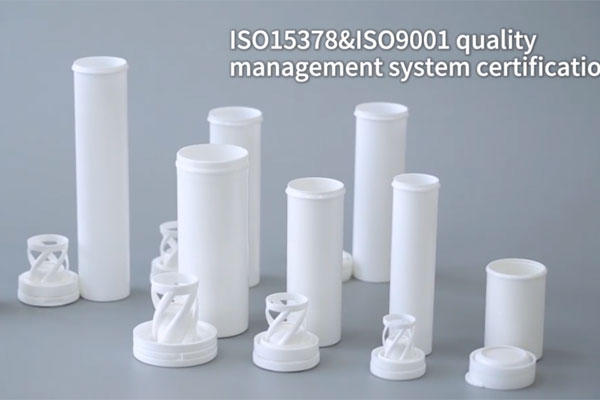
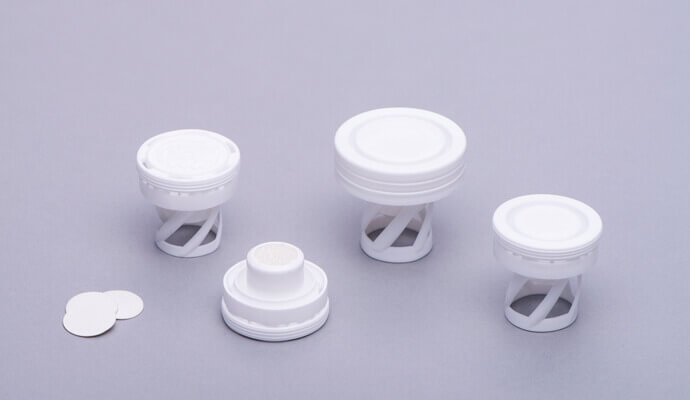
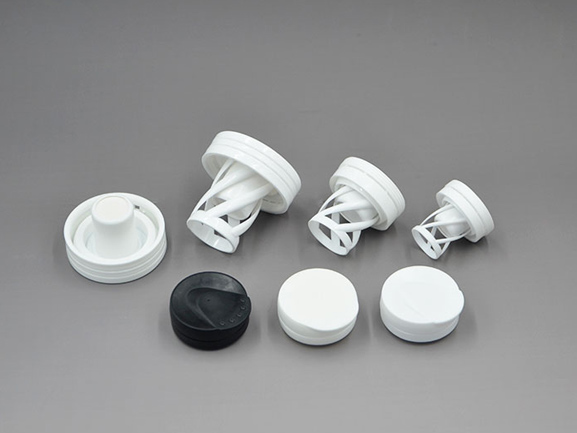
There is a separate small medicine compartment on the cap of the effervescent tube, in which is a desiccant mainly composed of an equal proportion mixture of silica gel and molecular sieve. Among them, silica gel is a highly active adsorption material, and its interior is composed of many extremely small pores, which can absorb water and absorb it, and achieve the purpose of absorbing a large amount of water vapor. Molecular sieve is a synthetic desiccant. Molecular sieve can maintain moisture absorption function in high temperature environment and absorb a large amount of water vapor in the environment in low humidity environment.

The effervescent tube manufacturer has discovered the characteristics of these two materials, and after a certain proportion of adjustments, it can quickly absorb moisture while absorbing a large amount of water vapor, so as to ensure that the tablets in the effervescent tube will not deteriorate due to moisture.

2023年1月8日星期日

Effect of desiccant in effervescent tube on effervescent tablet

Today, with the health awareness of the whole people, we always keep some medicines or health care products at home, such as effervescent tablets. A desiccant is usually placed in the bottle. Will the desiccant in the bottle affect the effervescent tablet?

Requirements for the moisture content of the desiccant in the effervescent tube

144mm*29mm effervescent tube packaging


Requirements for the moisture content of the desiccant in the effervescent tube

caps for effervescent tube


First of all, we need to clarify one thing that effervescent tablets are tablets containing effervescent disintegrants, which have high requirements for the moisture-proof performance of the packaging. The effervescent tablet tube is a special package used to store this kind of tablet. A desiccant is usually placed inside the package to absorb moisture. The material of the desiccant itself is silica gel, molecular sieve and a mixture of the two materials for customers to choose. It is non-toxic, harmless and highly hygroscopic.

And the difference of the effervescent tablet tube is mainly reflected in the bottle cap, and the cap of the effervescent tablet tube is provided with a small medicine compartment, which contains a desiccant. It can achieve zero contact between the desiccant and the medicine without contacting the medicine, and by the way, it can prevent children from eating the desiccant by mistake. And there are relevant regulations to regulate desiccants, such as the "Pharmaceutical Packaging Material Registration Certificate" has clear regulations.

So to sum up, unless the desiccant in the effervescent tube breaks and comes into contact with the drug to cause secondary pollution, the desiccant in the effervescent tube will not affect the effervescent tablet.