显示标签为“usp”的博文。显示所有博文

2024年12月29日星期日

HDPE moisture-proof combination bottle caps that meet FDA USP standards

 In today's pharmaceutical packaging field, ensuring the safety and effectiveness of drugs is crucial. As a key part, packaging materials including bottle caps must meet strict standards to ensure drug quality and patient health, and require compliance with FDA USP standards for high-density polyethylene moisture-proof combination bottle caps.
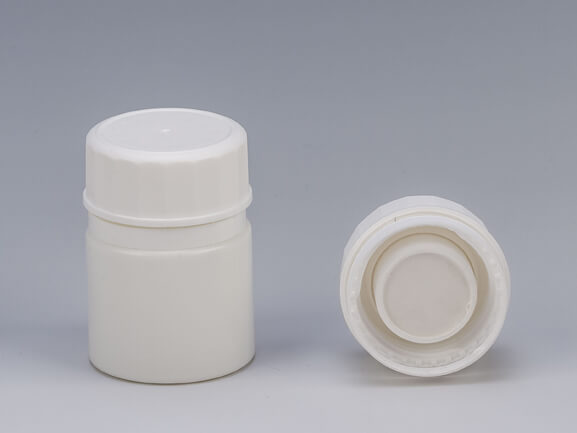
Application of HDPE container with desiccant cap in dry syrup

50ml desiccant bottle with CRC


USP standards ensure the quality of drug packaging

The United States Pharmacopeia (USP) is a globally recognized pharmaceutical quality standard setting agency. Its regulations on plastic packaging systems, especially Chapter <661>, detail the selection, performance requirements and test methods of plastic materials. These standards apply not only to the packaging of the main drug, but also to auxiliary materials such as bottle caps.


Advantages of high-density polyethylene moisture-proof combination bottle caps


High-density polyethylene (HDPE) is widely selected for bottle cap manufacturing in pharmaceutical packaging due to its excellent moisture resistance, chemical stability and biocompatibility. According to USP standards, HDPE bottle caps can effectively protect drugs from external contamination and moisture intrusion, ensuring long-term storage and stability of drugs.


Guarantee of meeting strict standards


According to the requirements of USP <661> chapter, HDPE bottle caps must pass a variety of tests, including but not limited to physical properties, chemical stability, and compatibility tests after contact with drugs. These tests ensure that the bottle caps will not release harmful substances during use, ensuring the safety and purity of the drugs.


Choosing high-density polyethylene moisture-proof combination bottle caps is not only an investment in drug quality, but also a responsibility for patient health and safety. These bottle caps can not only effectively protect drugs, but also reduce the risks of drugs during transportation and storage, providing more confidence and protection for medical institutions and patients.

2022年9月16日星期五

USP CONTAINERS-PLASTICS

 INTRODUCTION

It is the purpose of this chapter to provide standards for plastic materials and components used to package medical articles (pharmaceuticals, biologics, dietary supplements, and devices). Definitions that apply to this chapter are provided in the Preservation, Packaging, Storage, and Labeling section of the General Notices and Requirements. Standards and tests for the functional properties of containers and their components are provided in general chapter Containers—Performance Testing <671>.

In addition to the standards provided herein, the ingredients added to the polymers, and those used in the fabrication of the containers, must conform to the requirements in the applicable sections of the Code of Federal Regulations, Title 21, Indirect Food Additives, or have been evaluated by the FDA and determined to be acceptable substances for the listed use.

Plastic articles are identified and characterized by IR spectroscopy and differential scanning calorimetry. Standards are provided in this chapter for the identification and characterization of the different types of plastic, and the test procedures are provided at the end of the chapter. The degree of testing is based on whether or not the container has direct contact with the drug product, and the risk is based on the route of administration.

Plastics are composed of a mixture of homologous polymers, having a range of molecular weights. Plastics may contain other substances such as residues from the polymerization process, plasticizers, stabilizers, antioxidants, pigments, and lubricants. These materials meet the requirements for food contact as provided in the Code of Federal Regulations, Title 21. Factors such as plastic composition, processing and cleaning procedures, surface treatment, contacting media, inks, adhesives, absorption and permeability of preservatives, and conditions of storage may also affect the suitability of a plastic for a specific use. Extraction tests are designed to characterize the extracted components and identify possible migrants. The degree or extent of testing for extractables of the component is dependent on the intended use and the degree of risk to adversely impact the efficacy of the compendial article (drug, biologic, dietary supplement, or device). Resin-specific extraction tests are provided in this chapter for polyethylene, polypropylene, polypropylene terephthalate, and polypropylene terephthalate G. Test all other plastics as directed under Physicochemical Tests in the section Test Methods. Conduct the Buffering Capacity test only when the containers are intended to hold a liquid product.

Plastic components used for products of high risk, such as those intended for inhalation, parenteral preparation, and ophthalmics are tested using the Biological Tests in the section Test Methods.

Plastic containers intended for packaging products prepared for parenteral use meet the requirements under Biological Tests and Physicochemical Tests in the section Test Methods. Standards are also provided for polyethylene containers used to package dry oral dosage forms that are not meant for constitution into solution.


USP<661>CONTAINERS-PLASTICS

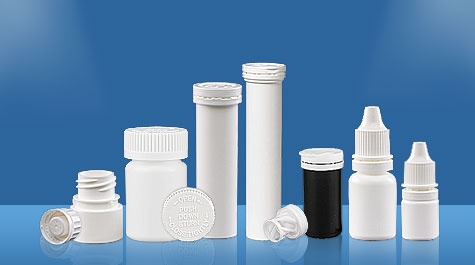
plastic pharmaceutical packaging


Source from USP