显示标签为“FDA”的博文。显示所有博文

2024年12月29日星期日

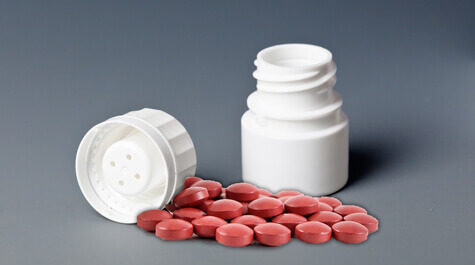
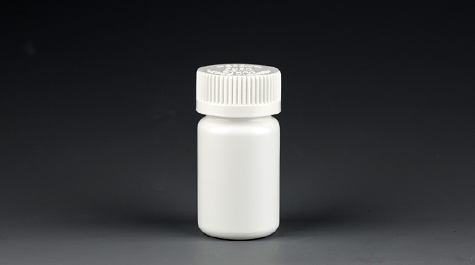
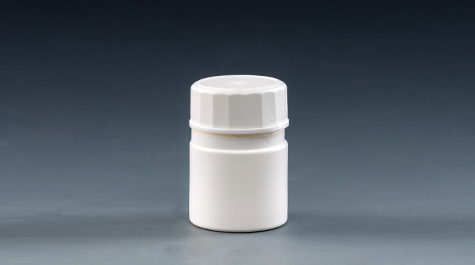
HDPE moisture-proof combination bottle caps that meet FDA USP standards

 In today's pharmaceutical packaging field, ensuring the safety and effectiveness of drugs is crucial. As a key part, packaging materials including bottle caps must meet strict standards to ensure drug quality and patient health, and require compliance with FDA USP standards for high-density polyethylene moisture-proof combination bottle caps.

Application of HDPE container with desiccant cap in dry syrup

50ml desiccant bottle with CRC


USP standards ensure the quality of drug packaging

The United States Pharmacopeia (USP) is a globally recognized pharmaceutical quality standard setting agency. Its regulations on plastic packaging systems, especially Chapter <661>, detail the selection, performance requirements and test methods of plastic materials. These standards apply not only to the packaging of the main drug, but also to auxiliary materials such as bottle caps.


Advantages of high-density polyethylene moisture-proof combination bottle caps


High-density polyethylene (HDPE) is widely selected for bottle cap manufacturing in pharmaceutical packaging due to its excellent moisture resistance, chemical stability and biocompatibility. According to USP standards, HDPE bottle caps can effectively protect drugs from external contamination and moisture intrusion, ensuring long-term storage and stability of drugs.


Guarantee of meeting strict standards


According to the requirements of USP <661> chapter, HDPE bottle caps must pass a variety of tests, including but not limited to physical properties, chemical stability, and compatibility tests after contact with drugs. These tests ensure that the bottle caps will not release harmful substances during use, ensuring the safety and purity of the drugs.


Choosing high-density polyethylene moisture-proof combination bottle caps is not only an investment in drug quality, but also a responsibility for patient health and safety. These bottle caps can not only effectively protect drugs, but also reduce the risks of drugs during transportation and storage, providing more confidence and protection for medical institutions and patients.


2024年1月7日星期日

FDA Approves First Gene Therapies to Treat Patients with Sickle Cell Disease

 Today, the U.S. Food and Drug Administration approved two milestone treatments, Casgevy and Lyfgenia, representing the first cell-based gene therapies for the treatment of sickle cell disease (SCD) in patients 12 years and older. Additionally, one of these therapies, Casgevy, is the first FDA-approved treatment to utilize a type of novel genome editing technology, signaling an innovative advancement in the field of gene therapy. 

Sickle cell disease is a group of inherited blood disorders affecting approximately 100,000 people in the U.S. It is most common in African Americans and, while less prevalent, also affects Hispanic Americans. The primary problem in sickle cell disease is a mutation in hemoglobin, a protein found in red blood cells that delivers oxygen to the body’s tissues. This mutation causes red blood cells to develop a crescent or “sickle” shape. These sickled red blood cells restrict the flow in blood vessels and limit oxygen delivery to the body’s tissues, leading to severe pain and organ damage called vaso-occlusive events (VOEs) or vaso-occlusive crises (VOCs). The recurrence of these events or crises can lead to life-threatening disabilities and/or early death. 

“Sickle cell disease is a rare, debilitating and life-threatening blood disorder with significant unmet need, and we are excited to advance the field especially for individuals whose lives have been severely disrupted by the disease by approving two cell-based gene therapies today,” said Nicole Verdun, M.D., director of the Office of Therapeutic Products within the FDA’s Center for Biologics Evaluation and Research. “Gene therapy holds the promise of delivering more targeted and effective treatments, especially for individuals with rare diseases where the current treatment options are limited.” 

Casgevy, a cell-based gene therapy, is approved for the treatment of sickle cell disease in patients 12 years of age and older with recurrent vaso-occlusive crises. Casgevy is the first FDA-approved therapy utilizing CRISPR/Cas9, a type of genome editing technology. Patients’ hematopoietic (blood) stem cells are modified by genome editing using CRISPR/Cas9 technology. 

CRISPR/Cas9 can be directed to cut DNA in targeted areas, enabling the ability to accurately edit (remove, add, or replace) DNA where it was cut. The modified blood stem cells are transplanted back into the patient where they engraft (attach and multiply) within the bone marrow and increase the production of fetal hemoglobin (HbF), a type of hemoglobin that facilitates oxygen delivery. In patients with sickle cell disease, increased levels of HbF prevent the sickling of red blood cells.

Lyfgenia is a cell-based gene therapy. Lyfgenia uses a lentiviral vector (gene delivery vehicle) for genetic modification and is approved for the treatment of patients 12 years of age and older with sickle cell disease and a history of vaso-occlusive events. With Lyfgenia, the patient’s blood stem cells are genetically modified to produce HbAT87Q, a gene-therapy derived hemoglobin that functions similarly to hemoglobin A, which is the normal adult hemoglobin produced in persons not affected by sickle cell disease. Red blood cells containing HbAT87Q have a lower risk of sickling and occluding blood flow. These modified stem cells are then delivered to the patient. 

Both products are made from the patients’ own blood stem cells, which are modified, and are given back as a one-time, single-dose infusion as part of a hematopoietic (blood) stem cell transplant. Prior to treatment, a patients’ own stem cells are collected, and then the patient must undergo myeloablative conditioning (high-dose chemotherapy), a process that removes cells from the bone marrow so they can be replaced with the modified cells in Casgevy and Lyfgenia. Patients who received Casgevy or Lyfgenia will be followed in a long-term study to evaluate each product’s safety and effectiveness. 

“These approvals represent an important medical advance with the use of innovative cell-based gene therapies to target potentially devastating diseases and improve public health,” said Peter Marks, M.D., Ph.D., director of the FDA’s Center for Biologics Evaluation and Research. “Today’s actions follow rigorous evaluations of the scientific and clinical data needed to support approval, reflecting the FDA’s commitment to facilitating development of safe and effective treatments for conditions with severe impacts on human health.”


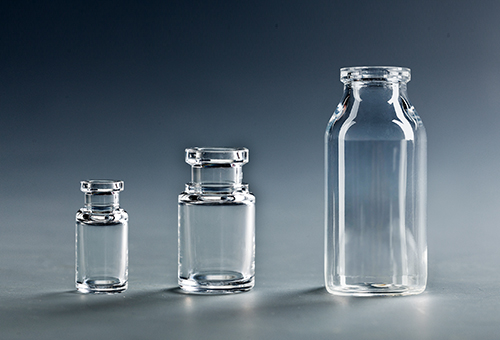
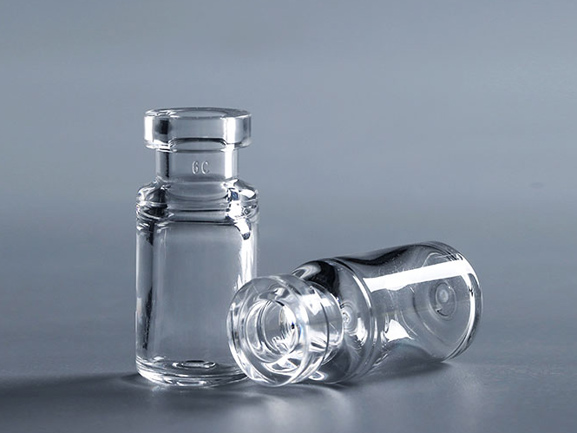
Pharmaceutical packaging CZ vial instead of glass bottle

CZ vial


Requirements for COP vials for cell-based drugs

RTU(ready to use) 2ml COP vial


Source from FDA:https://www.fda.gov/news-events/press-announcements/fda-approves-first-gene-therapies-treat-patients-sickle-cell-disease

2023年9月12日星期二

FDA approves multiple generics of ADHD and BED treatment

 Action 

FDA has approved several first generics of Vyvanse (lisdexamfetamine dimesylate) capsules and chewable tablets for attention-deficit/hyperactivity disorder (ADHD) in patients six years and older and moderate to severe binge-eating disorder (BED) in adults. See Vyvanse’s prescribing information for details on dosing.  

Disease or Condition 

People with ADHD may have trouble paying attention, controlling impulsive behaviors (may act without thinking about what the result will be), or be overly active. ADHD is one of the most common neurodevelopmental disorders of childhood, affecting approximately 10% of children. It is usually first diagnosed in childhood and can last into adulthood. ADHD can be successfully managed with behavioral and pharmacological treatment, and some symptoms may improve as the child ages. 

Patients with BED have recurrent episodes of compulsive overeating during which they consume larger amounts of food than normal and experience the sense that they lack control. Patients with this condition eat when they aren’t hungry and often eat to the point of being uncomfortably full. Patients may feel ashamed and embarrassed by how much they are eating, which can result in social isolation. BED may lead to weight gain and to other health problems. 

Safety  

FDA-approved generic medicines work in the same way and provide the same clinical benefit and risks as their brand-name counterparts.  

The prescribing information for lisdexamfetamine dimesylate capsules and chewable tablets contains a boxed warning to inform health care providers and patients about the potential risk of abuse and dependence. Drugs that increase the levels of certain chemicals in the brain, such as amphetamines and methylphenidate-containing products (including lisdexamfetamine dimesylate), have a high potential for abuse, which can lead to addiction and overdose. Health care providers should assess the risk of abuse prior to prescribing and monitor for signs of abuse and dependence while on therapy. To address continuing concerns of misuse, addiction and overdose, FDA recently required updates to the labeling of prescription stimulants to standardize prescribing information and clearly inform patients, caregivers, and health care professionals of these risks.  

The prescribing information also includes warnings and precautions regarding serious cardiovascular reactions, blood pressure and heart rate increases, psychiatric adverse reactions, suppression of growth, peripheral vasculopathy (reduced circulation of blood flow to body parts), and serotonin syndrome (a potentially life-threatening overage of serotonin). Please see Vyvanse’s full prescribing information for additional details. 

The most common side effects in children, adolescents and/or adults with ADHD taking lisdexamfetamine dimesylate capsules and chewable tablets were anorexia, anxiety, decreased appetite, decreased weight, diarrhea, dizziness, dry mouth, irritability, insomnia, nausea, upper abdominal pain, and vomiting. The most common side effects in adults with BED were dry mouth, insomnia, decreased appetite, increased heart rate, constipation, feeling jittery, and anxiety.

Designation 

Many abbreviated new drug applications (ANDAs) for lisdexamfetamine dimesylate received priority review. Information on priority review of ANDAs is available in the Manual of Policies and Procedures 5240.3 Rev. 6, Prioritization of the Review of Original ANDAs, Amendments, and Supplements.  


FDA approves multiple generics of ADHD and BED treatment

HDPE pill bottle with CRC cap

FDA approves multiple generics of ADHD and BED treatment

25ml pharma desiccant bottle


Source from FDA: https://www.fda.gov/drugs/news-events-human-drugs/fda-approves-multiple-generics-adhd-and-bed-treatment


2023年4月23日星期日

Design principle of Intranasal Atomization Device

 The emergence of new drugs has led to changes in drug delivery methods. In addition to our common oral drug delivery and injection drug delivery, Intranasal Atomization Device is becoming the choice of many drugs. What is the design principle of the Intranasal Atomization Device as a delivery device for these drugs?


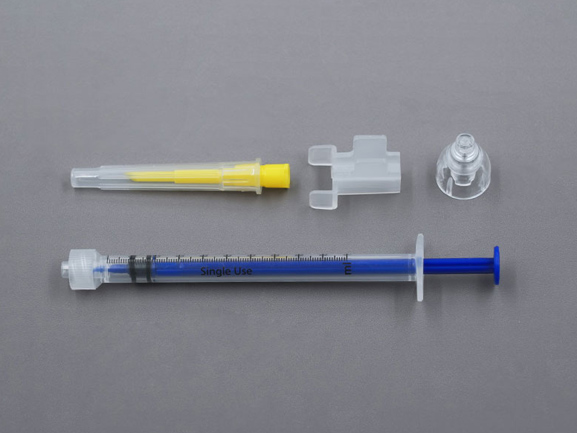
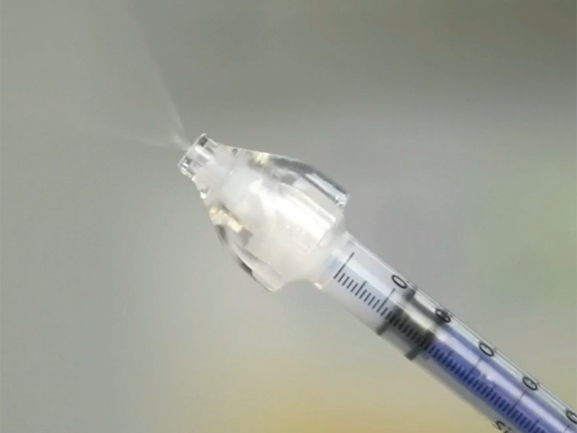
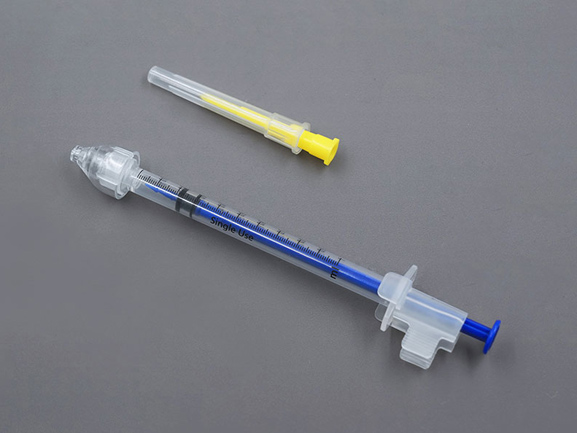
The Intranasal Atomization Device is composed of a syringe, a nasal spray device, a push rod and a dose limiter. After extracting the drug, it converts the liquid drug into mist particles through the nasal spray device, and then acts on specific parts or the whole body through the absorption of the nasal mucosa . This method of administration is rapid, safe, effective and painless, avoiding the risk of needle sticks. The nebulized drug can be directly absorbed into the blood circulation through the nasal mucosa, the preparation time is short, the effect is rapid, and the administration process does not require aseptic operation, which is easier to be accepted by patients.


Intranasal Atomization Device-a new painless drug delivery device

Disposable Intranasal Atomization Device


How to use the disposable Intranasal Atomization Device

Xinfuda Disposable Intranasal Atomization Device Successfully Obtained Medical Device Registration Certificate


Currently, this mode of administration is used for the delivery of various types of drugs such as chemical drugs, liposomes, peptides, and vaccines. Intranasal administration can avoid drug degradation, gastrointestinal irritation, first-pass effect, and achieve brain targeting, etc., and it has attracted increasing attention. Intranasal cell administration for brain disease cell therapy is currently being studied. A new way of cell drug delivery.

Xinfuda Disposable Intranasal Atomization Device Successfully Obtained Medical Device Registration Certificate

Medical device registration certificate


With the rapid development of various technologies, the Intranasal Atomization Device has undoubtedly become a new type of drug delivery method and has been accepted by the public. With the continuous advancement of science and technology, we can look forward to what new drug delivery methods will appear in the future.

2023年4月18日星期二

FDA Approves First Over-the-Counter Naloxone Nasal Spray

 March 29, 2023


Español

Today, the U.S. Food and Drug Administration approved Narcan, 4 milligram (mg) naloxone hydrochloride nasal spray for over-the-counter (OTC), nonprescription, use – the first naloxone product approved for use without a prescription. Naloxone is a medication that rapidly reverses the effects of opioid overdose and is the standard treatment for opioid overdose. Today’s action paves the way for the life-saving medication to reverse an opioid overdose to be sold directly to consumers in places like drug stores, convenience stores, grocery stores and gas stations, as well as online. 

The timeline for availability and price of this OTC product is determined by the manufacturer. The FDA will work with all stakeholders to help facilitate the continued availability of naloxone nasal spray products during the time needed to implement the Narcan switch from prescription to OTC status, which may take months. Other formulations and dosages of naloxone will remain available by prescription only. 

Drug overdose persists as a major public health issue in the United States, with more than 101,750 reported fatal overdoses occurring in the 12-month period ending in October 2022, primarily driven by synthetic opioids like illicit fentanyl. 

Narcan nasal spray was first approved by the FDA in 2015 as a prescription drug. In accordance with a process to change the status of a drug from prescription to nonprescription, the manufacturer provided data demonstrating that the drug is safe and effective for use as directed in its proposed labeling. The manufacturer also showed that consumers can understand how to use the drug safely and effectively without the supervision of a healthcare professional. The application to approve Narcan nasal spray for OTC use was granted priority review status and was the subject of an advisory committee meeting in February 2023, where committee members voted unanimously to recommend it be approved for marketing without a prescription. 

The approval of OTC Narcan nasal spray will require a change in the labeling for the currently approved 4 mg generic naloxone nasal spray products that rely on Narcan as their reference listed drug product. Manufacturers of these products will be required to submit a supplement to their applications to effectively switch their products to OTC status. The approval may also affect the status of other brand-name naloxone nasal spray products of 4 mg or less, but determinations will be made on a case-by-case basis and the FDA may contact other firms as needed. 

The use of Narcan nasal spray in individuals who are opioid dependent may result in severe opioid withdrawal characterized by body aches, diarrhea, increased heart rate (tachycardia), fever, runny nose, sneezing, goose bumps, sweating, yawning, nausea or vomiting, nervousness, restlessness or irritability, shivering or trembling, abdominal cramps, weakness and increased blood pressure.

The FDA has taken a series of measures to help facilitate access to naloxone products. In November 2022, the agency announced its preliminary assessment that certain naloxone products, such as the one ultimately approved today, have the potential to be safe and effective for over-the-counter use and encouraged sponsors to submit applications for approval of OTC naloxone products. The agency previously announced in 2019 that it had designed, tested, and validated a model naloxone Drug Facts Label (DFL) with easy-to-understand pictograms on how to use the drug to encourage manufacturers to pursue approval of OTC naloxone products. The model DFL was used to support the approved application along with the results of a simulated use Human Factors validation study designed to assess whether all the components of the product with which a user would interact could be used safely and effectively as intended.

Through the FDA Overdose Prevention Framework, the agency remains focused on responding to all facets of substance use, misuse, substance use disorders, overdose and death in the U.S. The framework’s priorities include: supporting primary prevention by eliminating unnecessary initial prescription drug exposure and inappropriate prolonged prescribing; encouraging harm reduction through innovation and education; advancing development of evidence-based treatments for substance use disorders; and protecting the public from unapproved, diverted or counterfeit drugs presenting overdose risks.
 
The FDA granted the OTC approval of Narcan to Emergent BioSolutions.


Intranasal Atomization Device-a new painless drug delivery device

Disposable Intranasal Atomization Device


How to use the disposable Intranasal Atomization Device

Xinfuda Disposable Intranasal Atomization Device Successfully Obtained Medical Device Registration Certificate


Source from FDA: https://www.fda.gov/news-events/press-announcements/fda-approves-first-over-counter-naloxone-nasal-spray


2023年4月9日星期日

FDA Approves First Generic Flumethasone for Certain Anti-inflammatory Responsive Diseases in Cats, Dogs and Horses

 April 5, 2023

Today the U.S. Food and Drug Administration approved Bimasone Injectable Solution, the first generic flumethasone, for certain diseases that cause inflammation in horses, dogs, and cats. Bimasone is recommended for the various rheumatic, allergic, dermatologic and other disease states that are known to be responsive to anti-inflammatory drugs (i.e., corticoids) in these species.

Bimasone is a corticosteroid drug. It contains the same active ingredient (flumethasone) in the same concentration and dosage form as the approved brand name drug product, Flucort, which was first approved for use in horses, dogs, and cats on October 21, 1965.  

In horses, Bimasone is approved for use for musculoskeletal conditions due to inflammation, such as bursitis (a painful condition that affects the fluid-filled sacs that cushion the bones, tendons and muscles near a horse’s joints, often in the hip or shoulder), carpitis (inflammation of the connective tissues near the horse’s carpus, which is comparable to the human wrist), osselets (arthritis in the fetlock joint of a horse, often in the front legs), and myositis (rapid muscle wasting, often in the horse’s hindquarters).

In dogs, Bimasone is approved for use for musculoskeletal conditions due to inflammation of muscles or joints, such as arthritis, osteoarthritis, intervertebral disc disease, and myositis. The drug has proven useful in treating canine ear infections (otitis externa) when used with topical medication for similar reasons. It is also approved for certain acute and chronic skin conditions (dermatoses) from various causes to help control the itchy skin (pruritus), irritation, and inflammation associated with these conditions, and for use in treating allergic reactions, such as hives, urticaria (raised itchy rash on skin), and insect bites. Bimasone is also approved for treating shock in dogs, when administered intravenously.

In cats, Bimasone is approved for certain acute and chronic skin conditions (dermatoses) from various causes to help control the itchy skin (pruritus), irritation, and inflammation associated with these conditions.

Bimasone is only available by prescription from a licensed veterinarian because professional veterinary expertise is needed to determine whether Bimasone is an appropriate treatment.

Bimasone is supplied in a 0.5mg/mL concentration in 100 mL multi-dose vials.

Bimasone is sponsored by Bimeda Animal Health Ltd., based in Dublin, Ireland.


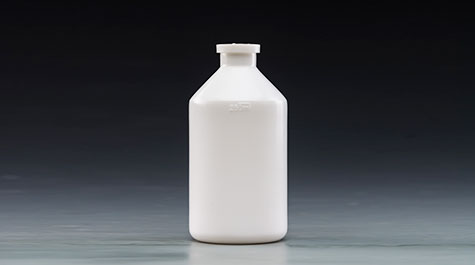
Specification and material introduction of plastic vaccine bottle

100ml PP vaccine vial

Specification and material introduction of plastic vaccine bottle

250ml PE plastic vaccine bottle


Source from FDA: https://www.fda.gov/animal-veterinary/cvm-updates/fda-approves-first-generic-flumethasone-certain-anti-inflammatory-responsive-diseases-cats-dogs-and

2023年3月23日星期四

FDA approves first treatment for Friedreich's ataxia

 Action

FDA has approved Skyclarys (omaveloxolone) as the first treatment for Friedreich's ataxia, a rare, inherited, degenerative disease that damages the nervous system, characterized by impaired coordination and walking.

Patients take Skyclarys capsules orally without food once a day at a recommended dosage of 150 mg.

Disease or Condition

Friedreich's ataxia causes progressive damage to the spinal cord, peripheral nerves, and the brain, resulting in uncoordinated muscle movement, poor balance, difficulty walking, changes in speech and swallowing, and a shortened lifespan. The condition can also cause heart disease. This disease tends to develop in children and teenagers and gradually worsens over time.

Although rare, Friedreich's ataxia is the most common form of hereditary ataxia in the United States, affecting about one in every 50,000 people.

Effectiveness

The efficacy and safety of Skyclarys to treat Friedreich's ataxia was evaluated in a 48-week randomized, placebo-controlled, and double-blind study [Study 1 (NCT02255435)] and an open-label extension.

Study 1 enrolled 103 individuals with Friedreich’s ataxia who received placebo (52 individuals) or Skyclarys 150 mg (51 individuals) for 48 weeks. Of the research participants, 53% were male, 97% were white, and the mean age was 24 years at study entry. Nine (18%) patients were younger than age 18.

The primary objective was to evaluate the change in the modified Friedreich's Ataxia Rating Scale (mFARS) score compared to placebo at week 48. The mFARS is a clinical assessment that measures disease progression, namely swallowing and speech (bulbar), upper limb coordination, lower limb coordination, and upright stability. Individuals receiving Skyclarys performed better on the mFARS than people receiving placebo.

In a post hoc analysis, individuals who continued treatment with Skyclarys in an open-label extension for up to three years performed better on the mFARS compared to a matched set of untreated patients from a natural history study.

Safety Information

The most common side effects of Skyclarys were an increase in alanine transaminase and an increase of aspartate aminotransferase, which can be signs of liver damage, headache, nausea, abdominal pain, fatigue, diarrhea and musculoskeletal pain.

See full prescribing information for additional information on risks associated with Skyclarys.


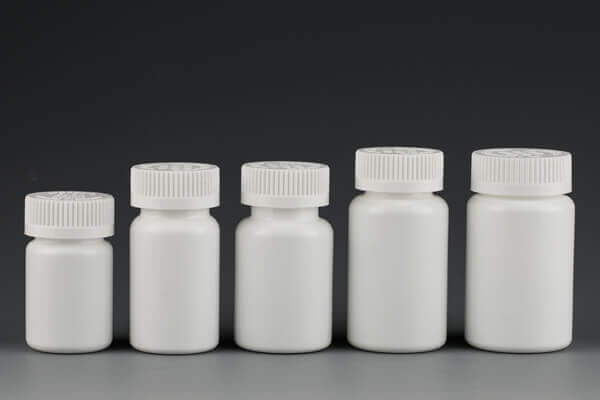
Three common colors of tablet medicine bottles

45ml plastic medicine bottle with CRC

Several requirements for material properties of tablet medicine bottles

50ml desiccant bottle


Source from FDA:https://www.fda.gov/drugs/news-events-human-drugs/fda-approves-first-treatment-friedreichs-ataxia

2023年3月7日星期二

FDA approves first treatment for Friedreich's ataxia

 Action

FDA has approved Skyclarys (omaveloxolone) as the first treatment for Friedreich’s ataxia, a rare, inherited, degenerative disease that damages the nervous system, characterized by impaired coordination and walking.

Patients take Skyclarys capsules orally without food once a day at a recommended dosage of 150 mg.

Disease or Condition

Friedreich’s ataxia causes progressive damage to the spinal cord, peripheral nerves, and the brain, resulting in uncoordinated muscle movement, poor balance, difficulty walking, changes in speech and swallowing, and a shortened lifespan. The condition can also cause heart disease. This disease tends to develop in children and teenagers and gradually worsens over time.

Although rare, Friedreich’s ataxia is the most common form of hereditary ataxia in the United States, affecting about one in every 50,000 people.

Effectiveness

The efficacy and safety of Skyclarys to treat Friedreich’s ataxia was evaluated in a 48-week randomized, placebo-controlled, and double-blind study [Study 1 (NCT02255435)] and an open-label extension.

Study 1 enrolled 103 individuals with Friedreich’s ataxia who received placebo (52 individuals) or Skyclarys 150 mg (51 individuals) for 48 weeks. Of the research participants, 53% were male, 97% were white, and the mean age was 24 years at study entry. Nine (18%) patients were younger than age 18.

The primary objective was to evaluate the change in the modified Friedreich’s Ataxia Rating Scale (mFARS) score compared to placebo at week 48. The mFARS is a clinical assessment that measures disease progression, namely swallowing and speech (bulbar), upper limb coordination, lower limb coordination, and upright stability. Individuals receiving Skyclarys performed better on the mFARS than people receiving placebo.

In a post hoc analysis, individuals who continued treatment with Skyclarys in an open-label extension for up to three years performed better on the mFARS compared to a matched set of untreated patients from a natural history study.

Safety Information

The most common side effects of Skyclarys were an increase in alanine transaminase and an increase of aspartate aminotransferase, which can be signs of liver damage, headache, nausea, abdominal pain, fatigue, diarrhea and musculoskeletal pain.

See full prescribing information for additional information on risks associated with Skyclarys.


Three common colors of tablet medicine bottles

45ml plastic medicine bottle with CRC

Several requirements for material properties of tablet medicine bottles

50ml desiccant bottle


Source from FDA:https://www.fda.gov/drugs/news-events-human-drugs/fda-approves-first-treatment-friedreichs-ataxia

FDA Approves First Oral Treatment for Cats with Diabetes Mellitus

 December 8, 2022

Today the U.S. Food and Drug Administration approved the first oral new animal drug to improve glycemic control in otherwise healthy cats with diabetes mellitus not previously treated with insulin. Bexacat (bexagliflozin tablets) is also the first sodium-glucose cotransporter 2 (SGLT2) inhibitor new animal drug approved by the FDA in any animal species. An SGLT2 inhibitor is not insulin and is not for use in cats with the type of diabetes mellitus that requires insulin treatment. The labeling for Bexacat includes a boxed warning regarding the critical need for appropriate patient selection and the potential for certain severe adverse reactions.

As with people, the cells of a cat’s body need sugar in the form of glucose for energy. Cats with diabetes mellitus cannot properly produce or respond to the hormone insulin, which helps cells use glucose as a source of energy for normal function. Without treatment, cats with diabetes mellitus will have high levels of glucose in their blood and urine. The first symptoms of diabetes mellitus are usually increased thirst and urine output, weight loss, and increased appetite. Diabetes mellitus in cats often requires lifelong therapy.

Cats with diabetes mellitus have been traditionally treated with a combination of insulin therapy and diet. Insulin therapy requires owners to administer insulin injections, usually twice a day, roughly 12 hours apart at the same time each day. Bexagliflozin, the active ingredient in Bexacat, prevents the cat’s kidneys from reabsorbing glucose into the blood, causing excess glucose to be passed out in the urine and resulting in lowered blood glucose. Bexacat is given to cats orally once daily via a flavored tablet. 

Although there are notable safety concerns with the use of Bexacat, they can be mitigated by carefully screening cats before starting the drug, continued diligent monitoring regardless of the duration of or response to treatment, and knowing how to promptly recognize and appropriately treat serious and life-threatening adverse reactions.

The data from two 6-month field studies and an extended use field study demonstrated that Bexacat was over 80 percent effective in improving glycemic control in cats with diabetes mellitus. However, potential patients must be selected carefully and screened to evaluate for kidney, liver and pancreatic disease, as well as ketoacidosis (a high level of a type of acids, known as ketones, in the blood). Bexacat should not be used in cats who have previously been treated with insulin, are receiving insulin treatment, or who have insulin-dependent diabetes mellitus, as serious adverse reactions can occur. Bexacat should not be initiated in cats who are not eating well, dehydrated, or lethargic when diagnosed with diabetes mellitus. 

Cats treated with Bexacat may be at an increased risk of serious adverse reactions, including diabetic ketoacidosis or euglycemic diabetic ketoacidosis, which can be fatal. Cats with diabetic ketoacidosis or euglycemic ketoacidosis should be treated as emergencies, including discontinuation of Bexacat and initiation of insulin therapy. All cats who receive Bexacat should be examined and have blood tests at regular intervals following initiation of treatment. Cats should be carefully monitored for lack of appetite, lethargy, dehydration, and weight loss. Cat owners who note any of these signs should stop Bexacat treatment and immediately take the cat to a veterinarian, who should assess the cat for diabetic ketoacidosis or euglycemic diabetic ketoacidosis.

Clients whose cats receive Bexacat should receive a Client Information Sheet informing them of the potential risks associated with Bexacat treatment, signs to watch for, and what to do if their cat becomes symptomatic. There will also be educational outreach to veterinarians to familiarize them with the appropriate use of the product. The outreach and materials will be available so veterinarians can learn about the product before prescribing its use.

As with all new animal drugs, veterinarians and clients should report any adverse events to the sponsor, which is required to provide those reports to the FDA. Veterinarians and clients may also report directly to the FDA.  

Bexacat oral tablets are administered to cats weighing 6.6 pounds (3.0 kg) or greater once daily, at approximately the same time each day, with or without food and regardless of blood glucose level.  

Bexacat is supplied in 15mg flavored tablets in 30 and 90-count bottles.

Bexacat is sponsored by Increvet Inc., based in Boston, Massachusetts.
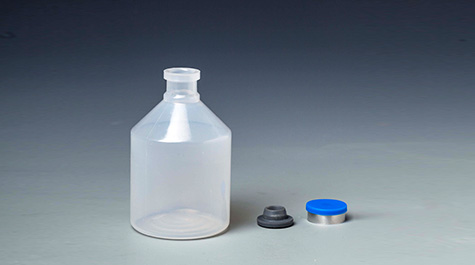
Specification and material introduction of plastic vaccine bottle

100ml PP vaccine vial

Specification and material introduction of plastic vaccine bottle

250ml PE plastic vaccine bottle

Source from FDA: https://www.fda.gov/animal-veterinary/cvm-updates/fda-approves-first-oral-treatment-cats-diabetes-mellitus
2023年2月16日星期四

Heartworm Disease – What Is It and What Causes It

 Heartworm disease is a serious disease that results in severe lung disease, heart failure, other organ damage, and death in pets, mainly dogs, cats, and ferrets. It is caused by a parasitic worm called Dirofilaria immitis.The worms are spread through the bite of a mosquito.  The dog is the definitive host, meaning that the worms mature into adults, mate, and produce offspring while living inside a dog.  The mosquito is the intermediate host, meaning that the worms live inside a mosquito for a short transition period in order to become infective (able to cause heartworm disease).  The worms are called “heartworms” because the adults live in the heart, lungs, and associated blood vessels of an infected animal.    

In the United States, heartworm disease is most common along the Atlantic and Gulf coasts from the Gulf of Mexico to New Jersey and along the Mississippi River and its major tributaries, but it has been reported in dogs in all 50 states. 

FDA Seeks Public Comment on Revised Guidance Documents Focused on Harmonizing Requirements for Anti-parasitic Drugs Used in Animals

single dose appicator

FDA Seeks Public Comment on Revised Guidance Documents Focused on Harmonizing Requirements for Anti-parasitic Drugs Used in Animals

30ml dial a dose syringe

FDA Announces 2022 Public Meeting of the National Antimicrobial Resistance Monitoring System

plastic injection vial


Source from FDA

2022年11月14日星期一

FDA Approves Simplera Otic Solution to Treat Ear Infections in Dogs

 September 28, 2022

Today the U.S. Food and Drug Administration approved Simplera Otic Solution, the first generic drug product that has a single dose treatment with a 30-day duration of effect for otitis externa (outer ear infection) in dogs associated with susceptible strains of yeast (Malassezia pachydermatis) and bacteria (Staphylococcus pseudintermedius).

Simplera Otic Solution contains the same active ingredients (florfenicol, terbinafine, mometasone furoate) in the same concentration and dosage form as the approved brand name drug product, Claro, which was first approved on September 20, 2015.

Simplera is a prescription product, meaning a veterinarian’s expertise is required to diagnose otitis externa and to determine whether Simplera is an appropriate treatment.

Dogs that are administered Simplera should be restrained to minimize post-application head shaking. People who are administering Simplera or restraining dogs should wear eye protection. Reducing the potential for splatter of product will help prevent accidental eye exposure in people and dogs and help to prevent eye injuries. Precautions should also be taken to prevent medication getting in the eyes of the dog being treated. If accidental exposure to the eyes of people or dogs occurs, seek medical care.

Simplera is supplied in a single-use dropperette in a blister. Each dropperette contains one 1 mL dose. Simplera is available in cartons of 10 dropperettes.

Simplera is sponsored by Vetoquinol USA, Inc., based in Fort Worth, Texas.

FDA Seeks Public Comment on Revised Guidance Documents Focused on Harmonizing Requirements for Anti-parasitic Drugs Used in Animals

single dose appicator

FDA Seeks Public Comment on Revised Guidance Documents Focused on Harmonizing Requirements for Anti-parasitic Drugs Used in Animals

30ml dial a dose syringe

FDA Announces 2022 Public Meeting of the National Antimicrobial Resistance Monitoring System

plastic injection vial


Source from FDA

2022年8月22日星期一

FDA Approves New Combination Drug for Sedation in Dogs

 March 30, 2022

Today the U.S. Food and Drug Administration approved Zenalpha (medetomidine and vatinoxan hydrochlorides injection) for use as a sedative and analgesic (i.e., pain reliever) to help keep dogs sedated and comfortable while undergoing exams or certain medical procedures.

Medetomidine is a sedative with analgesic properties that has already been approved for use in dogs. Medetomidine can cause a decrease in an animal’s heart rate and can increase the chance of arrythmias (irregular heartbeat), which can be significant in some dogs. This is the first approval of vatinoxan by the FDA. Vatinoxan reduces the negative cardiovascular effects of medetomidine by keeping the heart rate closer to the normal range, thereby improving cardiovascular function and improving the safety profile of medetomidine while the dog is sedated.

Zenalpha is intended to provide sedation along with pain relief that lasts for the duration of the sedation to dogs for clinical examinations or procedures that may require the dog to remain still or quiet. The sponsor conducted a field effectiveness study in dogs that came to the veterinary clinic for non-invasive examinations or procedures that required restraint and sedation. Examples of the examinations or procedures ranged from nail trims to diagnostic procedures to minor surgery to removal of skin masses and draining abscesses. Dogs in the treatment group received one injection of Zenalpha, and dogs in the control group received one injection of an approved veterinary dexmedetomidine injectable solution. Dexmedetomidine is in the same drug class as medetomidine and was used as the control drug because medetomidine was not commercially available when the field study was conducted. 

Dogs that received Zenalpha had less severe decreases in heart rate and body temperature compared to dogs that received dexmedetomidine, and a decrease in the prolonged duration of sedation that can occur with dexmedetomidine alone. Overall, dogs administered Zenalpha had a faster time to onset of sedation and a faster recovery than dogs administered dexmedetomidine.  If necessary, administration of another FDA-approved animal drug called atipamezole can reverse the sedative and analgesic effects of Zenalpha.

Most dogs in both the Zenalpha and control group had no reaction or a mild reaction (slight movement) to intramuscular injection of product. More dogs in the Zenalpha group had a moderate or severe reaction (movement, attention to injection site, vocalization) to the injection of the product compared to the control group. The most common adverse reactions seen in dogs administered Zenalpha were diarrhea, muscle tremors, and colitis (inflammation of the lining of the colon), which occurred in 2 to 3 percent of dogs.

The labeling for Zenalpha includes detailed safety information for people who handle, administer, or are exposed to the drug. The labeling also includes a note to physicians in case a person accidentally gets the drug on their skin or in their eyes, mouth or mucous membranes, or accidentally injects themself. 

Zenalpha is only for use by a licensed veterinarian because professional expertise is required for proper dosing and administration of the product and to monitor the dog’s vital signs while sedated.

Zenalpha is supplied in 10 mL multi-dose glass vials and is sponsored by Vetcare Oy, based in Finland. 

FDA Approves New Combination Drug for Sedation in Dogs

10ml injection vial


FDA Approves the First Generic Firocoxib Chewable Tablets for Dogs

30ml dial a dose syringe


Source from FDA

2022年8月17日星期三

FDA Announces 2022 Public Meeting of the National Antimicrobial Resistance Monitoring System

 July 5, 2022

Today, the U.S. Food and Drug Administration, in cooperation with the U.S. Centers for Disease Control and Prevention (CDC), and the U.S. Department of Agriculture's Food Safety and Inspection Service (USDA-FSIS), its partners in the National Antimicrobial Resistance Monitoring System (NARMS), opened registration for the 2022 Public Meeting of NARMS. The virtual meeting will be held on Wednesday, September 21 and Thursday, September 22, 2022.

During the meeting, representatives from the three public health agencies will discuss progress made toward meeting objectives outlined in the NARMS Strategic Plan: 2021-2025. The agenda for the meeting is available.

The meeting will be preceded by a virtual technical workshop on Tuesday, September 20, 2022, to demonstrate how to access NARMS data online.

The meeting and workshop are free to attend and open to the public. Each session must be registered for separately using the links below. 

Technical workshop (Tuesday, September 20, 2022)
https://fda.zoomgov.com/webinar/register/WN_Eew1FDNHS_ur73BWDgWZrQ

Day 1 of the public meeting (Wednesday, September 21, 2022)
https://fda.zoomgov.com/webinar/register/WN_ErC5aBkjQ8eiVUb2qPZo_g

Day 2 of the public meeting (Thursday, September 22, 2022)
https://fda.zoomgov.com/webinar/register/WN_dOyVe07MTyaGfSFcve11eg

For more information, visit 2022 NARMS Public Meeting registration webpage.


FDA Announces 2022 Public Meeting of the National Antimicrobial Resistance Monitoring System

plastic injection vial

FDA Announces 2022 Public Meeting of the National Antimicrobial Resistance Monitoring System

animal health paste syringe

Source from FDA