显示标签为“injection vial”的博文。显示所有博文

2025年5月25日星期日

Antitumor drugs drive the market demand for COP vials

 COP vials are a high-end drug packaging that can be used as storage containers for drugs with a pH value greater than 10, protein drugs, and cell drugs. With the popularity of anti-tumor drugs, the demand for this type of packaging has also increased.


Anti-tumor drugs are a type of drug for treating tumor diseases. Simply put, there are chemotherapy drugs and biological agents. In recent years, the development of molecular oncology and molecular pharmacology has gradually clarified the nature of tumors; the invention and application of advanced technologies such as large-scale rapid screening, combinatorial chemistry, and genetic engineering have accelerated the process of drug development; the research and development of anti-tumor drugs has entered a new era.
What is Gene Therapy

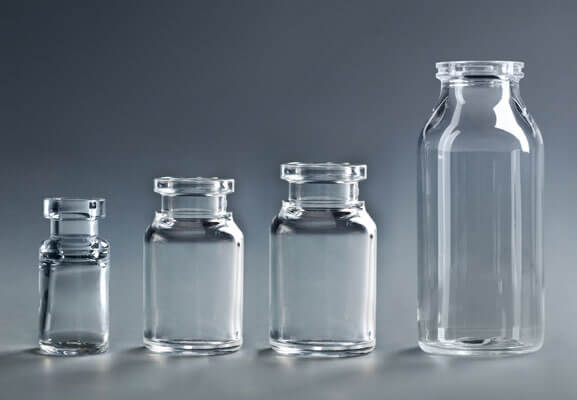
Polymer Vial for cell and gene therapies

According to statistics from the World Health Organization (WHO), 3/5 of the world's people die from four major diseases: cancer, diabetes, cardiovascular disease, and chronic respiratory diseases, and cancer is one of the main causes of death. At present, drug therapy has become one of the important means of clinical treatment of tumors today. Affected by the high incidence and mortality of cancer, the sales of anti-tumor drugs have also increased year by year. The research on new anti-tumor drugs is also in full swing, becoming the focus of competition among pharmaceutical companies. COP vials are the main packaging for this type of drug. They have good temperature resistance and can maintain good stability at -196℃—+121℃, making them a good packaging container.
Requirements for COP vials for cell-based drugs

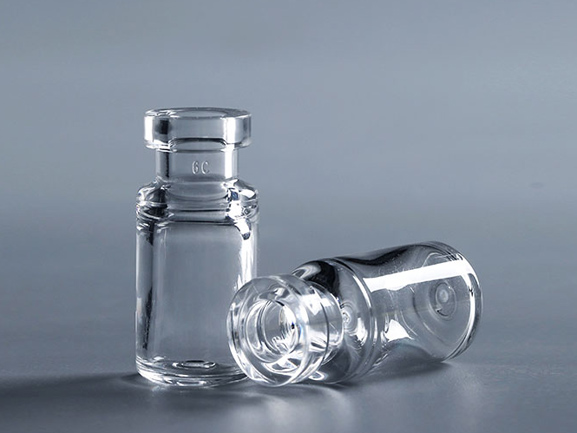
RTU(ready to use) 2ml COP vial

Overall, the market demand for anti-tumor drugs is large, and pharmaceutical companies are enthusiastic about research and development. As a special packaging for this, COP vials will also enter a period of rapid development, helping more anti-tumor drugs to be launched on the market.

2024年4月9日星期二

How to ensure the sealing of veterinary vaccine bottles

The prevention and control of animal diseases is of great significance to the breeding industry and food safety. At present, the main way to prevent and control diseases is still to inject vaccines in advance. The sealing of vaccine bottles is crucial to ensuring the safety and effectiveness of the vaccine. The key factors affecting the sealing have a lot to do with the bottle cap and its butyl rubber stopper.


Application of 50ml 100ml veterinary vaccine bottles

100ml transparent PP vial

A vaccine bottle is a container used to store vaccines. Its sealing performance is directly related to the bottle cap. The connection between the bottle thread and the bottle cap is the most likely location for leakage, and it is also the focus of the bottle cap sealing performance testing. Therefore, the bottle cap The sealing performance can basically reflect the sealing performance of the vaccine bottle.

FDA Announces 2022 Public Meeting of the National Antimicrobial Resistance Monitoring System

plastic vaccine vial

The sealing performance is generally tested by the following method: take 20 samples, put an appropriate amount of glass beads into the bottles, tighten the caps, and seal them with a capping device. The bottle mouth and caps should match appropriately. Place it in a container with an air extraction device, immerse it in water, and vacuum it until the vacuum degree is 27kpa. Maintain it for two minutes. There should be no water intrusion or bubbling in the bottle.

On the other hand, the sealing performance of vaccine bottles is closely related to the quality of butyl rubber stoppers. Butyl rubber stoppers have very good performance in terms of cleanliness, chemical stability, air tightness, etc., and are widely used in the pharmaceutical industry. Due to direct contact with drugs, the country has issued many relevant standards to control the product quality of butyl rubber stoppers.

The regulations regarding the tightness between the rubber stopper and the device body are as follows: Take 10 samples and preprocess them according to the method specified in the pharmaceutical packaging material standard. Put the pretreated experimental sample into a container with an air extraction device containing 10% methylene blue solution, evacuate to a vacuum degree of 25kPa, maintain it for 30 minutes, return the vacuum device to normal pressure, spin for another 20 minutes, take it out, and use water Rinse the outer wall of the bottle and observe that the methylene blue solution must not penetrate into the bottle.

Bottle caps and rubber stoppers are two important factors that affect the sealing of vaccine bottles. When selecting vaccine bottles, pharmaceutical companies must fully consider the importance of packaging to medicines and ensure the quality of vaccine bottles.


2023年5月18日星期四

Pay attention to these points when using veterinary vaccine bottles

 Veterinary vaccine bottles play a very important role in the transportation and storage of animal vaccines. They are mostly made of high-density polyethylene or polypropylene raw materials through different processes. So, what problems should be paid attention to during the use of this kind of packaging?


Specification and material introduction of plastic vaccine bottle

100ml PP vaccine vial

Specification and material introduction of plastic vaccine bottle

250ml PE plastic vaccine bottle

  1. First of all, veterinary vaccine bottles before they are put into use should be stored in a cool, ventilated, and dry place, with no harmful or corrosive items around them.

2. Before the vaccine is immunized, first observe whether the veterinary vaccine bottle is completely sealed. If there is leakage, vaccine demulsification and delamination, it means that the vaccine has deteriorated or is contaminated, and it is forbidden to use it.

3. Before using the vaccine, check the instruction manual inside the box (box), and check the bottles one by one. The bottles are intact and tightly sealed. The name, batch number, production date, expiration date, specifications, etc. should be clearly marked on the bottle label.

4. The inactivated seedlings should be shaken well before use, and shake again before sucking the seedlings each time. the

5. Strictly follow the recommended dosage in the instruction manual. The vaccination dosage should be accurate, do not overdose, and do not reduce the dosage without authorization.

6. Registration should be done when using the vaccine, including the name of the vaccine, batch number, place of injection, date and number of livestock (poultry), etc.

After the vaccine immunization is completed, the discarded veterinary vaccine bottles should not be thrown away. They should be collected for pollution-free treatment to avoid secondary pollution of the farm.


2023年3月13日星期一

Will Gamma sterilization of COP vials change color

 When choosing pharmaceutical packaging, the compatibility with the drug and the overall quality of the product are important considerations for pharmaceutical companies. For some high value-added drugs, whether the COP vial will change color after Gamma sterilization is also a key issue. one of the factors to consider.


Requirements for COP vials for cell-based drugs

RTU(ready to use) 2ml COP vial


Sterilization is a necessary link for packaging to be put into use. Irradiation sterilization is a commonly used method. It is an effective method to kill microorganisms on most substances by using electromagnetic waves generated by ionizing radiation. The rays used for sterilization include electron beams, X-rays and gamma rays, etc., which can control the growth of microorganisms or kill microorganisms in a specific way. X-rays and γ-rays can oxidize other substances or generate free radicals (OH·H) to act on biomolecules, or directly act on biomolecules, breaking hydrogen bonds, oxidizing double bonds, destroying ring structures or making certain Molecular aggregation and other methods destroy and change the structure of biological macromolecules, thereby inhibiting or killing microorganisms.


Application of COP vial in high pH value drug

5ml COP vial


Application of COP vial in high pH value drug

100ml COP injection vial


COP vial is a kind of high-transparency pharmaceutical packaging, which is mostly used for the packaging of biological drugs, high-end chemical drugs and protein drugs. If the color changes after sterilization, it will affect the overall image of the drug and make the drug greatly discounted. Thanks to the good stability of cyclic olefin polymers, this product will basically not change color when sterilized with a radiation dose of less than 15kgy. There will be a slight greening phenomenon if it is above 20kgy, but it will recover part of it after a week. Guaranteed To ensure overall transparency.


In addition, COP vials also have good chemical stability and can tolerate drugs with a pH value greater than 10; low protein adsorption ensures the accuracy of drugs. These characteristics also make the application range of this packaging more extensive.


2023年2月5日星期日

Pay attention to these points when using veterinary vaccine bottles

 Veterinary vaccine bottles play a very important role in the transportation and storage of animal vaccines. They are mostly made of high-density polyethylene or polypropylene raw materials through different processes. So, what problems should be paid attention to during the use of this kind of packaging?


Specification and material introduction of plastic vaccine bottle

100ml PP vaccine vial

Specification and material introduction of plastic vaccine bottle

250ml PE plastic vaccine bottle

  1. First of all, veterinary vaccine bottles before they are put into use should be stored in a cool, ventilated, and dry place, with no harmful or corrosive items around them.

2. Before the vaccine is immunized, first observe whether the veterinary vaccine bottle is completely sealed. If there is leakage, vaccine demulsification and delamination, it means that the vaccine has deteriorated or is contaminated, and it is forbidden to use it.

3. Before using the vaccine, check the instruction manual inside the box (box), and check the bottles one by one. The bottles are intact and tightly sealed. The name, batch number, production date, expiration date, specifications, etc. should be clearly marked on the bottle label.

4. The inactivated seedlings should be shaken well before use, and shake again before sucking the seedlings each time. the

5. Strictly follow the recommended dosage in the instruction manual. The vaccination dosage should be accurate, do not overdose, and do not reduce the dosage without authorization.

6. Registration should be done when using the vaccine, including the name of the vaccine, batch number, place of injection, date and number of livestock (poultry), etc.

After the vaccine immunization is completed, the discarded veterinary vaccine bottles should not be thrown away. They should be collected for pollution-free treatment to avoid secondary pollution of the farm.

2023年1月28日星期六

Characteristics of inactivated vaccines and selection of vaccine bottles

 Animal vaccines are the basis for ensuring the healthy development of animal husbandry and play an important role in preventing the occurrence of various animal diseases. Inactivated vaccine is a common type of animal vaccine, so what are its characteristics, and how should its veterinary vaccine bottle be selected?


Specification and material introduction of plastic vaccine bottle

100ml PP vaccine vial

Specification and material introduction of plastic vaccine bottle

250ml PE plastic vaccine bottle


Inactivated vaccines, also known as dead vaccines, are vaccines made by treating microorganisms with physical or chemical methods to lose infectivity or toxicity while maintaining good immunogenicity. The advantage of this type of vaccine is that it is safe, does not return to the ancestors, does not return to strength, is convenient for storage and transportation, is not sensitive to the interference of maternal antibodies, and is easy to make combined vaccines and multivalent vaccines.

Inactivated vaccines are generally required to be stored at 2-8°C and can be stored in a refrigerator. Since this type of vaccine does not require high temperature and high pressure sterilization, polyethylene or polypropylene veterinary vaccine bottles are often used in packaging. Both materials have good corrosion resistance and can withstand the corrosion of most acid and alkali solvents. In addition, in order to facilitate the transportation of vaccines, their packaging containers must also be light in weight and not fragile, so as to avoid damage to the packaging due to external forces during transportation and affect the safety of vaccines.

Veterinary vaccine bottles play an important role in the transportation and storage of vaccines. Xinfuda has been engaged in pharmaceutical packaging for more than 20 years and specializes in the production of various pharmaceutical plastic bottles. Welcome to discuss cooperation.


2022年10月9日星期日

COP bottles help the rise of the cell and gene therapy track

 At present, the cell and gene therapy industry has become a global sunrise industry, with broad prospects in the treatment of cancer, blood diseases, cardiovascular diseases, Alzheimer's disease, liver diseases, and nervous system diseases. As an important packaging form for such products, COP bottleswill also contribute to the better development of the industry.

Application of COP vial in high pH value drug

5ml COP vial


Application of COP vial in high pH value drug

100ml COP injection vial


Cell and gene therapy refers to the introduction of exogenous genetic material into target cells to modify or manipulate gene expression and change the biological characteristics of cells to achieve therapeutic effects. Different from small molecule and antibody drugs, cell and gene therapy have great application potential for many diseases for which drug targets cannot be found because they can directly act on genetic material. Since the 1990s, the related research in the field of cell and gene therapy has shown a continuous upward trend, and the research attention in this field has gradually increased.

Cell and gene therapy products are high value-added drugs, which have strict requirements on storage temperature and performance of packaging materials. COP bottle has very high transparency, low protein adsorption, high rigidity, at -196 ℃

The performance is still stable in the environment of ~+121 °C, and the stability of drugs with special drugs for the environment, such as cell and gene therapy, can also be guaranteed.

On the other hand, the state and local governments have successively issued various policies to support the development of the cell and gene industry, and its future prospects are worth looking forward to. As the main packaging of such products, COP bottles will also play a better protective role and help the industry rise. Xinfuda is now available in three sizes: 2ml, 5ml and 100ml.

2022年8月22日星期一

FDA Approves New Combination Drug for Sedation in Dogs

 March 30, 2022

Today the U.S. Food and Drug Administration approved Zenalpha (medetomidine and vatinoxan hydrochlorides injection) for use as a sedative and analgesic (i.e., pain reliever) to help keep dogs sedated and comfortable while undergoing exams or certain medical procedures.

Medetomidine is a sedative with analgesic properties that has already been approved for use in dogs. Medetomidine can cause a decrease in an animal’s heart rate and can increase the chance of arrythmias (irregular heartbeat), which can be significant in some dogs. This is the first approval of vatinoxan by the FDA. Vatinoxan reduces the negative cardiovascular effects of medetomidine by keeping the heart rate closer to the normal range, thereby improving cardiovascular function and improving the safety profile of medetomidine while the dog is sedated.

Zenalpha is intended to provide sedation along with pain relief that lasts for the duration of the sedation to dogs for clinical examinations or procedures that may require the dog to remain still or quiet. The sponsor conducted a field effectiveness study in dogs that came to the veterinary clinic for non-invasive examinations or procedures that required restraint and sedation. Examples of the examinations or procedures ranged from nail trims to diagnostic procedures to minor surgery to removal of skin masses and draining abscesses. Dogs in the treatment group received one injection of Zenalpha, and dogs in the control group received one injection of an approved veterinary dexmedetomidine injectable solution. Dexmedetomidine is in the same drug class as medetomidine and was used as the control drug because medetomidine was not commercially available when the field study was conducted. 

Dogs that received Zenalpha had less severe decreases in heart rate and body temperature compared to dogs that received dexmedetomidine, and a decrease in the prolonged duration of sedation that can occur with dexmedetomidine alone. Overall, dogs administered Zenalpha had a faster time to onset of sedation and a faster recovery than dogs administered dexmedetomidine.  If necessary, administration of another FDA-approved animal drug called atipamezole can reverse the sedative and analgesic effects of Zenalpha.

Most dogs in both the Zenalpha and control group had no reaction or a mild reaction (slight movement) to intramuscular injection of product. More dogs in the Zenalpha group had a moderate or severe reaction (movement, attention to injection site, vocalization) to the injection of the product compared to the control group. The most common adverse reactions seen in dogs administered Zenalpha were diarrhea, muscle tremors, and colitis (inflammation of the lining of the colon), which occurred in 2 to 3 percent of dogs.

The labeling for Zenalpha includes detailed safety information for people who handle, administer, or are exposed to the drug. The labeling also includes a note to physicians in case a person accidentally gets the drug on their skin or in their eyes, mouth or mucous membranes, or accidentally injects themself. 

Zenalpha is only for use by a licensed veterinarian because professional expertise is required for proper dosing and administration of the product and to monitor the dog’s vital signs while sedated.

Zenalpha is supplied in 10 mL multi-dose glass vials and is sponsored by Vetcare Oy, based in Finland. 

FDA Approves New Combination Drug for Sedation in Dogs

10ml injection vial


FDA Approves the First Generic Firocoxib Chewable Tablets for Dogs

30ml dial a dose syringe


Source from FDA

2022年6月13日星期一

Introduction of EO Sterilization for Pet Injection Bottles

 Pet injection bottle is a kind of pharmaceutical packaging. In order to prevent the microbes on the packaging from contaminating the vaccine, this packaging needs to be sterilized and can only be used after reaching the microbial limit. Ethylene oxide sterilization is a common sterilization method for this type of packaging.


Introduction of EO Sterilization for Pet Injection Bottles

250ml PE plastic vaccine bottle


Ethylene oxide is also called ethylene oxide. It is a colorless liquid at low temperature with aromatic ether smell. Its boiling point is 10.8 °C, its odor threshold is 760 mg/m~1064 mg/m, and its density is 1.52; it is flammable and explosive, and its maximum The low combustion concentration is 3%. Ethylene oxide does not damage sterilized items and has strong penetrating power, so most items that are not suitable for sterilization by general methods can be sterilized and sterilized with ethylene oxide. For example, electronic instruments, optical instruments, medical instruments, books, documents, fur, cotton, chemical fibers, plastic products, wood products, ceramics and metal products, endoscopes, dialyzers and disposable medical supplies, etc. One of the low temperature sterilization methods.

It is generally believed to be due to its non-specific alkylation with microbial proteins, DNA and RNA. EO can undergo alkylation with free carboxyl, sulfhydryl and hydroxyl groups on proteins, and replace unstable hydrogen atoms to form compounds with hydroxyethyl radicals. Reactive groups required in basic metabolism hinder the normal chemical reactions and metabolism of bacterial proteins, resulting in the death of microorganisms on pet injection vials.

The above is an introduction to the commonly used sterilization methods for pet injection bottles. Ethylene oxide sterilization is a mature sterilization method. Although it has a strong sterilization effect, there are many factors affecting its sterilization, such as concentration and temperature. sterilization effect.

2022年5月30日星期一

Introduction of EO Sterilization for Pet Injection Bottles

 Pet injection bottle is a kind of pharmaceutical packaging. In order to prevent the microbes on the packaging from contaminating the vaccine, this packaging needs to be sterilized and can only be used after reaching the microbial limit. Ethylene oxide sterilization is a common sterilization method for this type of packaging.


Introduction of EO Sterilization for Pet Injection Bottles

250ml PE plastic vaccine bottle


Ethylene oxide is also called ethylene oxide. It is a colorless liquid at low temperature with aromatic ether smell. Its boiling point is 10.8 °C, its odor threshold is 760 mg/m~1064 mg/m, and its density is 1.52; it is flammable and explosive, and its maximum The low combustion concentration is 3%. Ethylene oxide does not damage sterilized items and has strong penetrating power, so most items that are not suitable for sterilization by general methods can be sterilized and sterilized with ethylene oxide. For example, electronic instruments, optical instruments, medical instruments, books, documents, fur, cotton, chemical fibers, plastic products, wood products, ceramics and metal products, endoscopes, dialyzers and disposable medical supplies, etc. One of the low temperature sterilization methods.

It is generally believed to be due to its non-specific alkylation with microbial proteins, DNA and RNA. EO can undergo alkylation with free carboxyl, sulfhydryl and hydroxyl groups on proteins, and replace unstable hydrogen atoms to form compounds with hydroxyethyl radicals. Reactive groups required in basic metabolism hinder the normal chemical reactions and metabolism of bacterial proteins, resulting in the death of microorganisms on pet injection vials.

The above is an introduction to the commonly used sterilization methods for pet injection bottles. Ethylene oxide sterilization is a mature sterilization method. Although it has a strong sterilization effect, there are many factors affecting its sterilization, such as concentration and temperature. sterilization effect.

2022年3月13日星期日

Introduction to the sterilization process of veterinary vaccine bottles

 Veterinary vaccine bottles are containers used to store various animal vaccines. In order to ensure the safety of vaccines, the packaging must be sterilized before being put into use. This kind of packaging is generally sterilized by ethylene oxide, and the sterilization process is as follows:

Introduction to the sterilization process of veterinary vaccine bottles

50ml pp vaccine bottle

Introduction to the sterilization process of veterinary vaccine bottles

250ml vaccine bottle


1. The ethylene oxide sterilization procedure should include preheating, pre-wetting, vacuuming, feeding gasified ethylene oxide to reach a predetermined concentration, maintaining sterilization time, removing ethylene oxide gas in the sterilizer, analyzing and Remove ethylene oxide residues from veterinary vaccine vials.

2. 100% pure ethylene oxide or mixed gas of ethylene oxide and carbon dioxide can be used for ethylene oxide sterilization. Freon is prohibited.

3. The analysis can be continued in an ethylene oxide sterilizer, or it can be placed in a special fume hood, and natural ventilation should not be used. The repeatedly input air should be filtered with high efficiency, which can filter out more than 99.6% of particles ≥0.3um.

4. Residues of ethylene oxide mainly refer to ethylene oxide and its two by-products, chloroethanol ethane and ethylene glycol ethane, left in articles and packaging materials after ethylene oxide sterilization; Residual ethane can cause burns and irritation to the patient.

The above is an introduction to the sterilization process of veterinary vaccine bottles. After the sterilization is completed, the packaging can enter the next step of use, which better protects the stability and safety of the vaccine within the validity period.

2022年3月7日星期一

Two common materials for pet vaccine bottles

 To keep pets healthy, they need to be vaccinated on a regular basis. The pet vaccine bottle is a special container for storing vaccines, so what material is it generally made of?


Two common materials for pet vaccine bottles

50ml PP vaccine vial

Two common materials for pet vaccine bottles

100ml PP transparent vial

According to the different preparation processes of pet vaccines, it can be divided into inactivated vaccines and attenuated live vaccines. Inactivated vaccines are mainly made by culturing the virus on the cell matrix, and then using physical or chemical methods to kill the infectious virus but keep it at the same time. The integrity of its antigen particles makes it lose its pathogenicity and retain its antigenicity. It has the characteristics of safety, no anti-ancestry, and no return to strength. It is relatively common in pets, and it is easier to be made into multiple vaccines to prevent multiple infectious diseases.

In terms of packaging material, inactivated pet vaccine bottles are mainly made of polyethylene or polypropylene. Both materials have good corrosion resistance and can withstand the corrosion of most acid and alkali solvents at room temperature. , and light weight, not fragile, easy to transport, is also a common raw material for veterinary plastic bottle packaging. The difference is that the transparency of polypropylene raw materials is higher than that of polyethylene, and it has good high temperature resistance, while the toughness of polyethylene is better than that of polypropylene.

In general, polypropylene and polyethylene are common raw materials for pet vaccine bottles, and pharmaceutical companies can choose appropriate raw materials according to their own product needs.

2021年11月21日星期日

Quality control point of vaccine vials

 Plastic bottles are widely used in many industries. Among them, our veterinary medicine industry also has a lot of applications. There are many types of injection vials, and the quality of products is also uneven. Manufacturers of vaccine vials need to control quality in many ways when producing bottles.


Quality control point of vaccine vials

small injection vial

1. Capacity: Due to the particularity of drug packaging and medication, the shape is mostly round from a few milliliters to about 1,000 milliliters.

2. In order to ensure that the medicine is not affected by moisture and does not deteriorate during the validity period, the medical plastic bottle should have good sealing and barrier properties, and can prevent the effects of light, heat, water vapor, and oxygen on the medicine.

3. The inner wall of the oral liquid bottle is in direct contact with the drug. The bottle-making material must meet the requirements of the drug packaging to ensure the safety of the drug.

4. Oral liquid bottles belong to a class of packaging materials. It can be used for pharmaceutical packaging without cleaning and sterilization. Therefore, there are higher requirements for microbial limits, and the production environment and production process should meet the requirements of relevant regulations. 

5. The shape, size and structure of the oral liquid bottle should meet the requirements of various types of filling machines for pharmaceutical companies and the requirements of high-speed automatic filling machines.

2021年11月2日星期二

USDA begins process to identify veterinary shortage areas

 State animal health officials have until November 8, 2021, to submit nominations for locations to be designated as U.S. Department of Agriculture (USDA) veterinary shortage areas in 2022.

Designated shortage areas become eligible for assistance through two USDA programs that help recruit veterinarians to work in them: the Veterinary Medicine Loan Repayment Program (VMLRP) and Veterinary Services Grant Program (VSGP).

Veterinarians and other veterinary professionals can work with their state veterinary associations and local animal health officials on these nominations. Information about the nomination process and how to apply can be found on USDA’s website.


USDA begins process to identify veterinary shortage areas

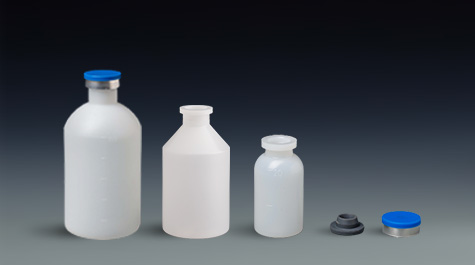
injection vial


The VMLRP and VSGP programs help alleviate veterinary access gaps in rural, agricultural communities and public health veterinary practice. Before each fiscal year, USDA gathers veterinary shortage data from state animal health officials and uses the information to designate shortage areas to be mitigated through VMLRP and VSGP awards.


USDA begins process to identify veterinary shortage areas

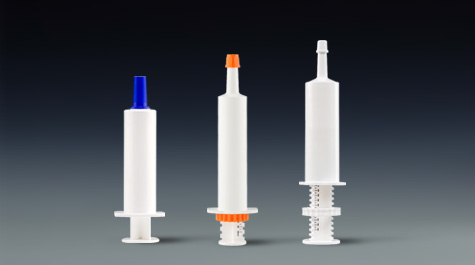
veterinary syringe


USDA begins process to identify veterinary shortage areas

1000ml dispensing bottle


The list of shortage areas for 2022 is expected to be announced in February 2022, when the application window for these awards will open. In 2021, the USDA designated 221 veterinary shortage areas in 48 states.

The VMLRP awards for 2021 are expected to be announced later this year. In 2021, there were 78 VMLRP offers to veterinarians in 36 states. Under the VSGP program, NIFA has issued $3 million in grants to support 17 projects since September. These included 10 awards to support rural practice enhancement and seven to support education, extension, and training work in shortage areas.

As the leading champion of the VMLRP and VSGP programs, the AVMA is working with Congress to pass the VMLRP Enhancement Act, a bill that would extend the program’s ability to reach more communities in need of veterinary services. In the House of Representatives, AVMA’s sustained advocacy has so far expanded the number of cosponsors for the VMLRP Enhancement Act to 37. In the previous Congress, there were 29 cosponsors.

Individual voices from the veterinary community make a difference in helping lawmakers understand the importance of programs like VMLRP and the need to broaden its impact. The AVMA Congressional Advocacy Network makes it easy for you to contact your representatives in Congress to urge them to support this legislation.

2021年9月12日星期日

Vaccine diluent requirements for vaccine bottles

 Vaccine diluent refers to the reagent used to dilute the vaccine. Depending on the type of vaccine, there are different types of diluents, but plastic vaccine bottles are used in the packaging. Its requirements for packaging are mainly reflected in the following aspects:


Vaccine diluent requirements for vaccine bottles

250ml PE plastic vaccine bottle


1. Sealability: The vaccine diluent is mainly used to dilute the vaccine, which is related to the immune effect of the vaccine. Therefore, the plastic vaccine bottle must ensure good airtightness, so as to ensure that the diluent is in a good storage environment and improve the immune effect.
2. Barrier property: The barrier property of the bottle refers to its ability to block the invasion of external microorganisms. The packaging material of the diluent is generally polyethylene or polypropylene, which are non-toxic and tasteless, and have good barrier properties. Can isolate the pollution of the external environment.
3. Compatibility: The diluent is generally acid or salt, and the packaging material needs to be compatible with this type of solution to ensure that the contents will not deteriorate due to the reaction between the solution and the material during storage.
Commonly used diluents in animal vaccines include physiological saline, phosphate buffer, aluminum glue saline, and special diluents specially formulated according to the characteristics of the vaccine itself. Although the types are different, the requirements for injection vials are uniform. Yes, proper packaging can ensure that the solution is in a good storage condition and improve the immune effect of the vaccine.

2021年8月4日星期三

Comparison of two materials of plastic vaccine bottle

 Plastic vaccine bottles are mainly used for the storage of inactivated vaccines in the veterinary medicine industry. The raw materials used to make this kind of packaging are mainly polyethylene (PE) and polypropylene (PP). So what is the difference between these two raw materials?


Comparison of two materials of plastic vaccine bottle

100ml autoclavable vaccine vial


Polypropylene is a white waxy material with transparent and light appearance, colorless, odorless, and non-toxic. It has good high temperature resistance and can resist corrosion by most acids, alkalis and solvents. But this kind of raw material is easy to be brittle at low temperature, so some additives will be added during production to improve the toughness of the bottle. The use temperature of polyethylene is -100~-70°C. It has good low temperature resistance, insoluble in general solvents at room temperature, low water absorption, excellent electrical insulation performance, and toughness better than polypropylene.


Comparison of two materials of plastic vaccine bottle

100ml PP injection vial


Comparing the two raw materials, the corrosion resistance is almost the same, but the transparency of polypropylene is higher than that of polyethylene, and it can be made into a translucent plastic vaccine bottle. Thanks to its good high temperature resistance, polypropylene bottles can be terminally sterilized, and the low temperature resistance and toughness of polyethylene are better than polypropylene raw materials.
In general, if pharmaceutical companies require terminal sterilization of plastic vaccine bottles, they will choose polypropylene raw materials, and if the packaging has high requirements for toughness, they will choose polyethylene raw materials. The various performance advantages of these two raw materials complement each other and meet the different needs of different veterinary drug manufacturers for vaccine packaging.

2021年7月19日星期一

Selection of veterinary drug packaging and many hidden dangers of drug deterioration

 Veterinary drugs play an important role in the prevention, treatment, and diagnosis of animal diseases. Common types of veterinary drugs include serum products, vaccines, diagnostic products, proprietary Chinese medicines, antibiotics, disinfectants, etc. Different drugs have different requirements for veterinary drug packaging. Improper selection can easily lead to deterioration of medicines and even endanger animal health.


Selection of veterinary drug packaging and many hidden dangers of drug deterioration

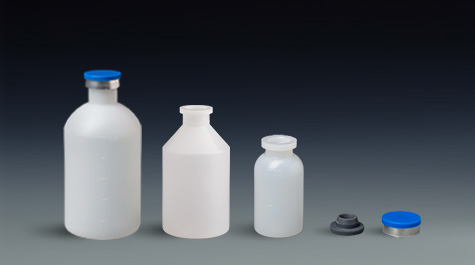
vaccine bottle


Under normal circumstances, if the following phenomena occur in a veterinary drug, it means that the drug has deteriorated. Not only can it not have the expected efficacy, but it may also increase its toxicity. For example, the shape and color of the drug contents are inconsistent with the label instructions; the powder absorbs moisture and ferments and becomes smelly; the oral liquid appears flocculent and sediment; the injection solution changes color, turbidity, precipitation or crystal precipitation, etc., all indicate that the drug has deteriorated and cannot be used. If an animal is taken or injected with deteriorating drugs, it will seriously affect the animal's health and cause certain economic losses to the farm.


Selection of veterinary drug packaging and many hidden dangers of drug deterioration

paste syringe


On the one hand, the cause of drug deterioration is related to the performance and storage period of the drug itself, and on the other hand, it has a lot to do with the quality of the veterinary drug packaging. Packaging not only protects the safety of the drug, but also has sealing properties, which can prevent foreign impurities from invading the inside of the package and affecting the drug. Therefore, when choosing veterinary drug packaging, pharmaceutical companies should strictly examine the quality of the product to ensure the safety and safety of the drug within the validity period. Stability, to avoid the deterioration of the drug and cause serious consequences.

2021年7月13日星期二

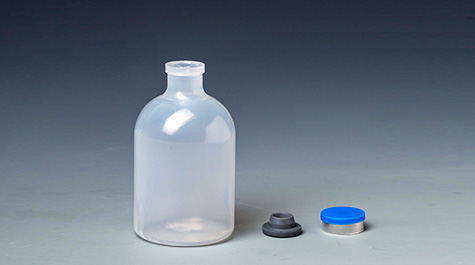
What is the function of the cap of the veterinary injection vial

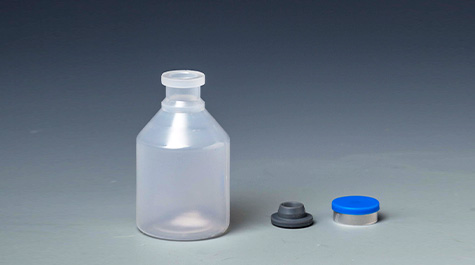
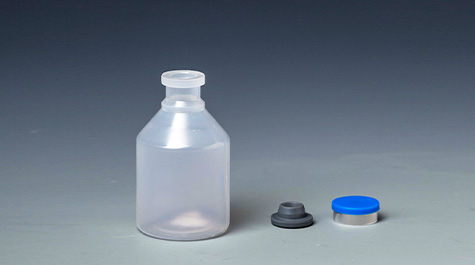
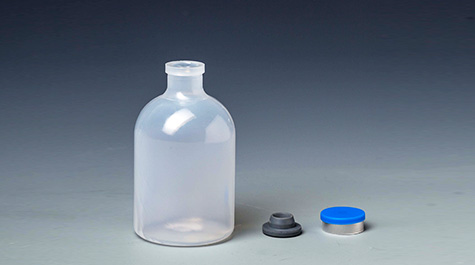
 The cap is an important part of the bottle, which not only plays the role of sealing the mouth of the bottle, but also improves the aesthetics of the entire bottle. There are many types of bottle caps, and different bottles have different needs. The bottle caps of veterinary injection vials mainly use rubber stopper aluminum caps.


What is the function of the cap of the veterinary injection vial

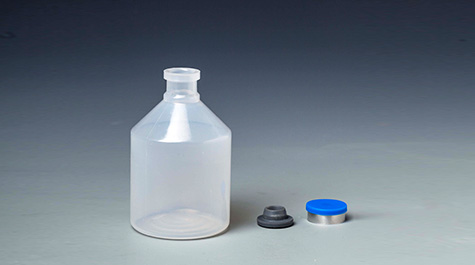
plastic injection vial


Veterinary vaccines are generally injection preparations, and the rubber plug aluminum cap is more convenient for practical application. This kind of cap is composed of an aluminum cap and a butyl rubber stopper. The rubber stopper has good air tightness, heat resistance, aging resistance, acid and alkali resistance, and high cleanliness, which can block the drug in the bottle and the aluminum cap directly. Contact, avoid the reaction between the two and affect the effect of the drug. Its unique chemical stability and excellent sealing properties ensure the quality of medicines and improve the safety of medicines.
The aluminum cover is a very strong material that will not rust or break easily. It is destructive after opening and can effectively prevent theft. In addition, it also has the advantages of cushioning, shock resistance, heat insulation, moisture resistance, chemical corrosion resistance, etc., and it is non-toxic, non-absorbent, non-dust, peeling, and increased, and the sealing performance is very good. Various brand patterns, anti-counterfeiting signs, etc. can be designed on the top of the lid, which brings certain brand value-added to the development of the enterprise.
As an inseparable part of the veterinary injection vial, the rubber stopper aluminum cap not only guarantees the tightness of the package, but also has high aesthetics. The small bottle cap can play a finishing touch.

2021年7月8日星期四

What is the function of the cap of the veterinary injection vial

The cap is an important part of the bottle, which not only plays the role of sealing the mouth of the bottle, but also improves the aesthetics of the entire bottle. There are many types of bottle caps, and different bottles have different needs. The bottle caps of veterinary injection vials mainly use rubber stopper aluminum caps.


What is the function of the cap of the veterinary injection vial

plastic injection vial


Veterinary vaccines are generally injection preparations, and the rubber plug aluminum cap is more convenient for practical application. This kind of cap is composed of an aluminum cap and a butyl rubber stopper. The rubber stopper has good air tightness, heat resistance, aging resistance, acid and alkali resistance, and high cleanliness, which can block the drug in the bottle and the aluminum cap directly. Contact, avoid the reaction between the two and affect the effect of the drug. Its unique chemical stability and excellent sealing properties ensure the quality of medicines and improve the safety of medicines.
The aluminum cover is a very strong material that will not rust or break easily. It is destructive after opening and can effectively prevent theft. In addition, it also has the advantages of cushioning, shock resistance, heat insulation, moisture resistance, chemical corrosion resistance, etc., and it is non-toxic, non-absorbent, non-dust, peeling, and increased, and the sealing performance is very good. Various brand patterns, anti-counterfeiting signs, etc. can be designed on the top of the lid, which brings certain brand value-added to the development of the enterprise.
As an inseparable part of the veterinary injection vial, the rubber stopper aluminum cap not only guarantees the tightness of the package, but also has high aesthetics. The small bottle cap can play a finishing touch.

2021年7月5日星期一

What is the function of the cap of the veterinary injection vial

 The cap is an important part of the bottle, which not only plays the role of sealing the mouth of the bottle, but also improves the aesthetics of the entire bottle. There are many types of bottle caps, and different bottles have different needs. The bottle caps of veterinary injection vials mainly use rubber stopper aluminum caps.


What is the function of the cap of the veterinary injection vial

plastic injection vial


Veterinary vaccines are generally injection preparations, and the rubber plug aluminum cap is more convenient for practical application. This kind of cap is composed of an aluminum cap and a butyl rubber stopper. The rubber stopper has good air tightness, heat resistance, aging resistance, acid and alkali resistance, and high cleanliness, which can block the drug in the bottle and the aluminum cap directly. Contact, avoid the reaction between the two and affect the effect of the drug. Its unique chemical stability and excellent sealing properties ensure the quality of medicines and improve the safety of medicines.
The aluminum cover is a very strong material that will not rust or break easily. It is destructive after opening and can effectively prevent theft. In addition, it also has the advantages of cushioning, shock resistance, heat insulation, moisture resistance, chemical corrosion resistance, etc., and it is non-toxic, non-absorbent, non-dust, peeling, and increased, and the sealing performance is very good. Various brand patterns, anti-counterfeiting signs, etc. can be designed on the top of the lid, which brings certain brand value-added to the development of the enterprise.
As an inseparable part of the veterinary injection vial, the rubber stopper aluminum cap not only guarantees the tightness of the package, but also has high aesthetics. The small bottle cap can play a finishing touch.