显示标签为“pp vial”的博文。显示所有博文

2023年11月23日星期四

Requirements for veterinary drug packaging for different drugs

 Veterinary drugs refer to substances used to prevent, treat, diagnose animal diseases or purposefully regulate animal physiological functions, including vaccines, diagnostic products, antibiotics, biochemical drugs, traditional Chinese medicines, disinfectants, etc. Depending on the dosage form of the drug, the packaging of veterinary drugs The requirements also vary.
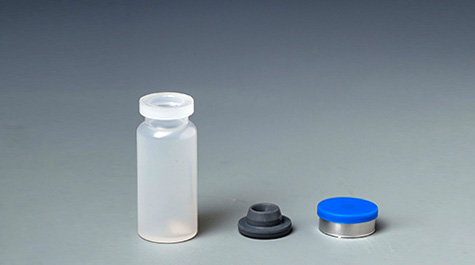
Specification and material introduction of plastic vaccine bottle

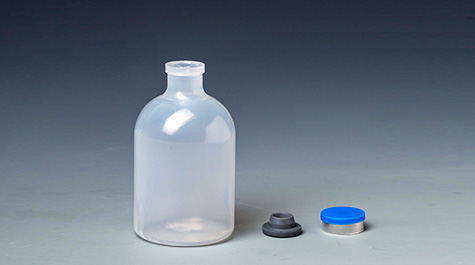
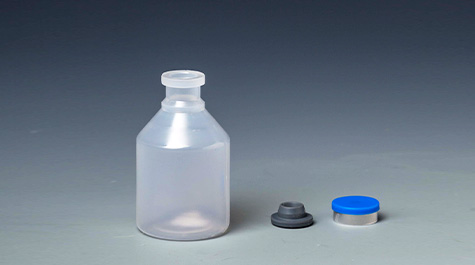
100ml PP vaccine vial

Although there are many types of veterinary drugs, they are mainly divided into two categories according to dosage forms: liquid drugs and powder drugs. Liquid medicines generally choose plastic packaging bottles. The main raw materials include polyethylene, polypropylene, polyester, high barrier, etc. Oral liquids and injections require bottles that are transparent and light-shielding. In order to ensure that the drugs are not affected by light and decompose and deteriorate, brown polyester bottles are chosen. Liquid medicines have high sealing requirements for bottles, so when choosing bottle caps, rubber stoppers and aluminum caps are often used to achieve a good sealing effect.
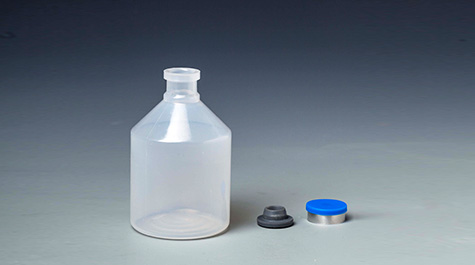
Specification and material introduction of plastic vaccine bottle

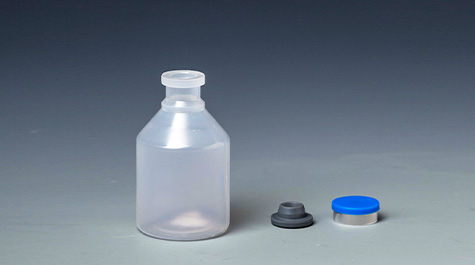
250ml PE plastic vaccine bottle


Powder dosage forms account for a relatively small proportion of veterinary drugs. The main requirement for veterinary drug packaging for this type of drugs is moisture resistance. They are usually packaged in plastic bottles. They are sealed with aluminum foil gaskets and a desiccant is placed inside the bottle to ensure the dryness of the internal environment. , to prevent the medicine from getting damp and deteriorating.
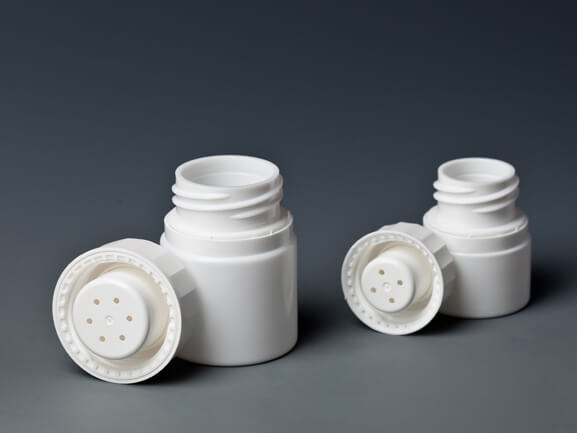

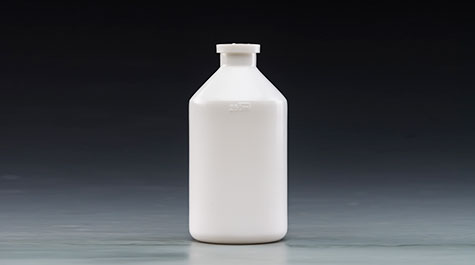
FDA Conditionally Approves Phenobarbital Tablets to Control Seizures in Dogs with Idiopathic Epilepsy

medicine bottle


In addition, some highly corrosive drugs (such as disinfectants) have higher barrier requirements for veterinary drug packaging, and packaging with high barrier materials will be selected to ensure that the drugs are in a good state of preservation.


The above are the requirements for veterinary drug packaging for several different veterinary drug dosage forms. Choosing appropriate veterinary drug packaging according to the characteristics of the drug is the basic condition to ensure the safety and effectiveness of the drug.

2022年12月4日星期日

Application of 50ml 100ml veterinary vaccine bottles

 Animal vaccines play an important role in preventing infectious diseases and improving the economic benefits of farming. Veterinary vaccine bottles, as packaging containers for animal vaccines, are crucial to the safety and stability of vaccines. There are various types of animal vaccines, and different vaccines have different application of packaging specifications.


Application of 50ml 100ml veterinary vaccine bottles

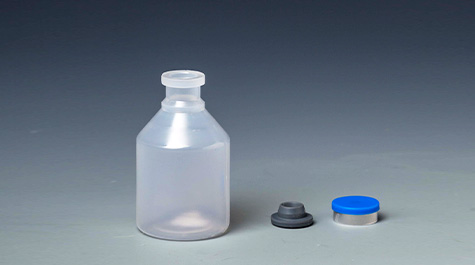
50ml PP INJECTION VIAL

Application of 50ml 100ml veterinary vaccine bottles

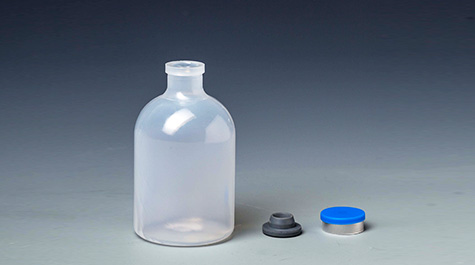
100ml transparent PP vial


Foot-and-mouth disease inactivated vaccine: It is one of the most important weapons to prevent the occurrence and prevalence of foot-and-mouth disease. The vaccine should be an emulsion, allowing a small amount of oil phase precipitation or stratification of the emulsion column. If it encounters demulsification or exceeds the specified stratification (water phase exudation should not exceed 1/10 according to the regulations), it cannot be used. Vaccines should be stored at 2-8°C in the dark to prevent freezing. This vaccine mainly uses 50ml and 100ml veterinary vaccine bottles, and other piglets use 20ml or 50ml specifications.

The above is the application of different specifications of packaging in animal vaccines. In addition to being used as storage containers for inactivated vaccines, veterinary vaccine bottles can also be used to store vaccine diluents, and the specifications are mainly 20ml-50ml.

2022年3月7日星期一

Two common materials for pet vaccine bottles

 To keep pets healthy, they need to be vaccinated on a regular basis. The pet vaccine bottle is a special container for storing vaccines, so what material is it generally made of?


Two common materials for pet vaccine bottles

50ml PP vaccine vial

Two common materials for pet vaccine bottles

100ml PP transparent vial

According to the different preparation processes of pet vaccines, it can be divided into inactivated vaccines and attenuated live vaccines. Inactivated vaccines are mainly made by culturing the virus on the cell matrix, and then using physical or chemical methods to kill the infectious virus but keep it at the same time. The integrity of its antigen particles makes it lose its pathogenicity and retain its antigenicity. It has the characteristics of safety, no anti-ancestry, and no return to strength. It is relatively common in pets, and it is easier to be made into multiple vaccines to prevent multiple infectious diseases.

In terms of packaging material, inactivated pet vaccine bottles are mainly made of polyethylene or polypropylene. Both materials have good corrosion resistance and can withstand the corrosion of most acid and alkali solvents at room temperature. , and light weight, not fragile, easy to transport, is also a common raw material for veterinary plastic bottle packaging. The difference is that the transparency of polypropylene raw materials is higher than that of polyethylene, and it has good high temperature resistance, while the toughness of polyethylene is better than that of polypropylene.

In general, polypropylene and polyethylene are common raw materials for pet vaccine bottles, and pharmaceutical companies can choose appropriate raw materials according to their own product needs.

2021年8月23日星期一

The difference between plastic vaccine bottle and glass in application

 Animal vaccines are of great significance in preventing various diseases, blocking the spread of infectious diseases, and ensuring the healthy development of animal husbandry. There are many types of animal vaccines. We will find that some vaccines are packaged in plastic vaccine bottles, while some vaccines are packaged in plastic vaccine bottles. What is the difference between the two kinds of packaging for the selected glass vaccine bottle?


The difference between plastic vaccine bottle and glass in application

50ml pp injection vial


Animal vaccines are divided into inactivated vaccines and live vaccines due to their antigenic properties and different preparation techniques. Inactivated vaccines, also known as dead vaccines, are vaccines made by using physical or chemical methods to treat microorganisms so that they lose their infectivity or toxicity and maintain good immunogenicity. It has the characteristics of being safe and not returning to ancestors and being strong. This vaccine does not have high requirements on the storage environment. The suitable storage temperature is 2-8℃. During the storage process, the vaccine must be strictly prevented from freezing. It cannot be stored below 0℃, otherwise it will cause the inactivated vaccine to deteriorate and affect the immune system. Effect. Different from the single-dose packaging of live vaccines, the packaging capacity of this type of vaccine is generally relatively large, and the glass material is easily broken during transportation, so plastic vaccine bottles are often used to store inactivated vaccines.


The difference between plastic vaccine bottle and glass in application

10ml injection vial


Live vaccines generally need to be stored at a low temperature, especially freeze-dried vaccines need to be below -15°C. The lower the temperature, the longer the storage time. Such vaccines are generally subjected to high temperature and high pressure sterilization. Relatively speaking, the high temperature and low temperature resistance of glass materials are more suitable for storage of such vaccines.
In addition, plastic vaccine bottles are generally processed from polyethylene or polypropylene materials, which have good barrier properties and corrosion resistance to acid and alkali solvents. The vaccine diluent is generally physiological saline, and this type of packaging can also be selected.