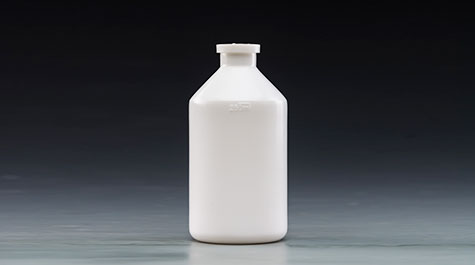
显示标签为“veterinary drug”的博文。显示所有博文

2023年12月6日星期三

Application of high-density polyethylene bottles in solid pharmaceuticals

 High-density polyethylene bottles (HDPE bottles) are a commonly used plastic packaging that are widely used in pharmaceutical packaging due to their excellent physical and chemical properties. Compared with traditional glass bottles, this bottle has better impact resistance, chemical stability and portability. It has become an important choice in solid pharmaceutical packaging.
FDA Conditionally Approves Phenobarbital Tablets to Control Seizures in Dogs with Idiopathic Epilepsy

medicine bottle

1. Impact resistance: High-density polyethylene bottles can withstand strong impact and are not easily broken. They can effectively protect the internal drugs from the external environment.

2. Chemical stability: It has good stability against a variety of chemical substances and is resistant to corrosion by most acid and alkali solvents at room temperature. It can prevent the interaction between drugs and packaging materials and ensure the quality of drugs.

3. Portability: Bottles made of this material are relatively light, easy to transport and use, and also reduce transportation costs.

4. Good sealing: It has good sealing performance and can effectively prevent drugs from getting damp and contaminated.

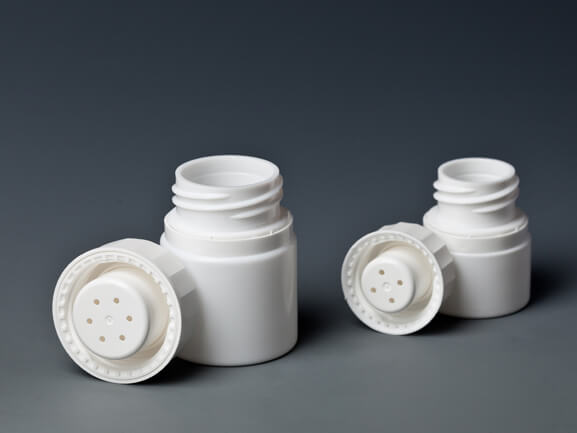
5. Moisture-proof performance: Due to the strict requirements for moisture-proof performance of solid drugs, this bottle will have a small medicine bin on the lid to store desiccant and maintain the stability of the internal environment of the package.

The above is the application of high-density polyethylene bottles in solid drugs. Its excellent impact resistance, chemical stability and portability make it a very widely used pharmaceutical packaging.

2023年11月23日星期四

Requirements for veterinary drug packaging for different drugs

 Veterinary drugs refer to substances used to prevent, treat, diagnose animal diseases or purposefully regulate animal physiological functions, including vaccines, diagnostic products, antibiotics, biochemical drugs, traditional Chinese medicines, disinfectants, etc. Depending on the dosage form of the drug, the packaging of veterinary drugs The requirements also vary.

Specification and material introduction of plastic vaccine bottle

100ml PP vaccine vial

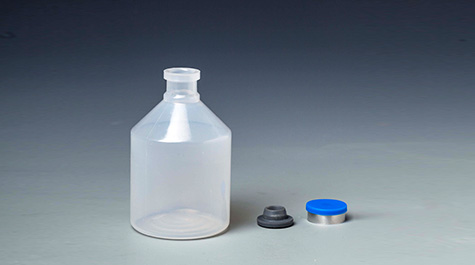
Although there are many types of veterinary drugs, they are mainly divided into two categories according to dosage forms: liquid drugs and powder drugs. Liquid medicines generally choose plastic packaging bottles. The main raw materials include polyethylene, polypropylene, polyester, high barrier, etc. Oral liquids and injections require bottles that are transparent and light-shielding. In order to ensure that the drugs are not affected by light and decompose and deteriorate, brown polyester bottles are chosen. Liquid medicines have high sealing requirements for bottles, so when choosing bottle caps, rubber stoppers and aluminum caps are often used to achieve a good sealing effect.

Specification and material introduction of plastic vaccine bottle

250ml PE plastic vaccine bottle


Powder dosage forms account for a relatively small proportion of veterinary drugs. The main requirement for veterinary drug packaging for this type of drugs is moisture resistance. They are usually packaged in plastic bottles. They are sealed with aluminum foil gaskets and a desiccant is placed inside the bottle to ensure the dryness of the internal environment. , to prevent the medicine from getting damp and deteriorating.


FDA Conditionally Approves Phenobarbital Tablets to Control Seizures in Dogs with Idiopathic Epilepsy

medicine bottle


In addition, some highly corrosive drugs (such as disinfectants) have higher barrier requirements for veterinary drug packaging, and packaging with high barrier materials will be selected to ensure that the drugs are in a good state of preservation.


The above are the requirements for veterinary drug packaging for several different veterinary drug dosage forms. Choosing appropriate veterinary drug packaging according to the characteristics of the drug is the basic condition to ensure the safety and effectiveness of the drug.