显示标签为“vaccine bottle”的博文。显示所有博文

2024年4月9日星期二

How to ensure the sealing of veterinary vaccine bottles

The prevention and control of animal diseases is of great significance to the breeding industry and food safety. At present, the main way to prevent and control diseases is still to inject vaccines in advance. The sealing of vaccine bottles is crucial to ensuring the safety and effectiveness of the vaccine. The key factors affecting the sealing have a lot to do with the bottle cap and its butyl rubber stopper.
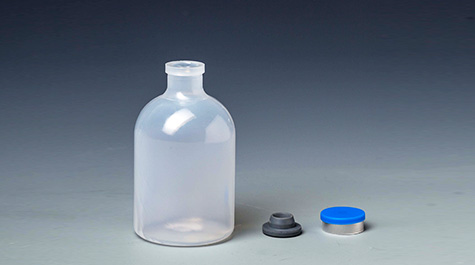

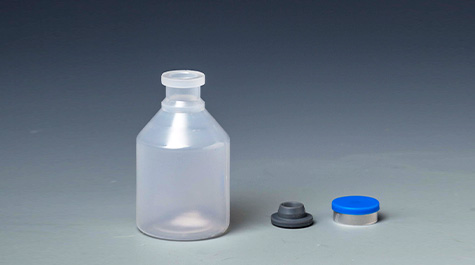
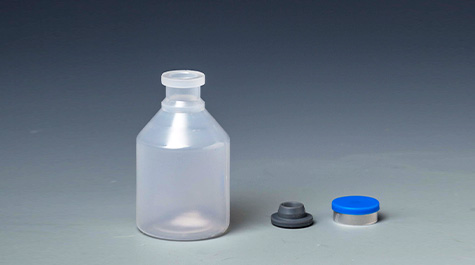
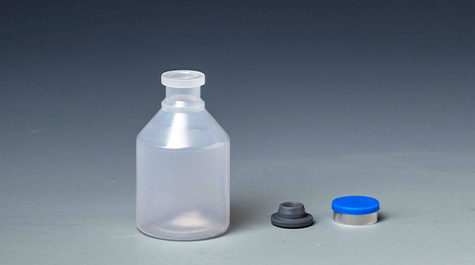
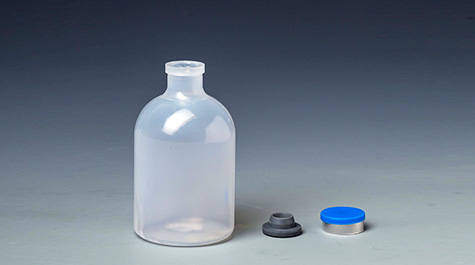
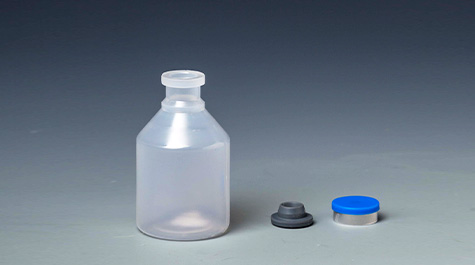
Application of 50ml 100ml veterinary vaccine bottles

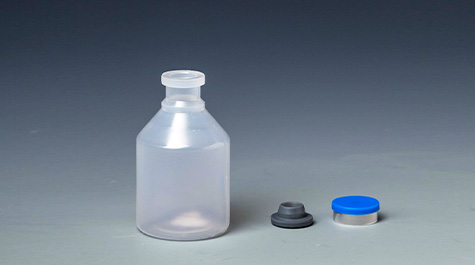
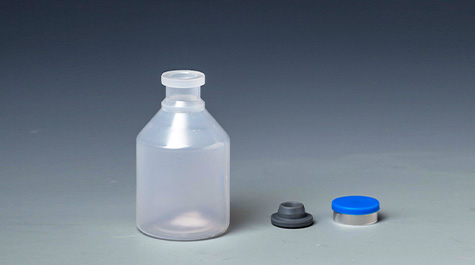
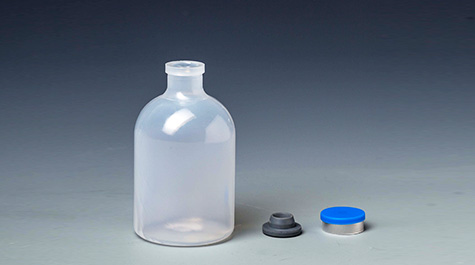
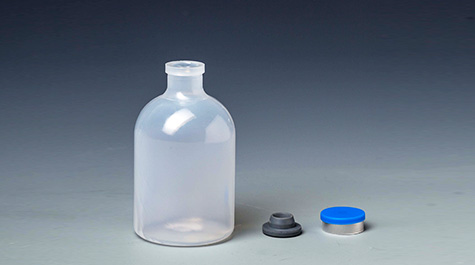
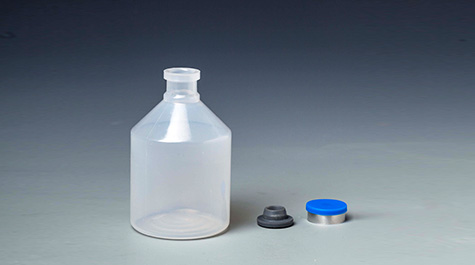
100ml transparent PP vial

A vaccine bottle is a container used to store vaccines. Its sealing performance is directly related to the bottle cap. The connection between the bottle thread and the bottle cap is the most likely location for leakage, and it is also the focus of the bottle cap sealing performance testing. Therefore, the bottle cap The sealing performance can basically reflect the sealing performance of the vaccine bottle.
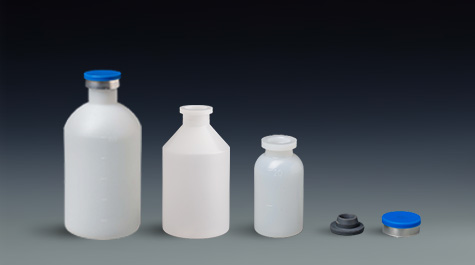
FDA Announces 2022 Public Meeting of the National Antimicrobial Resistance Monitoring System

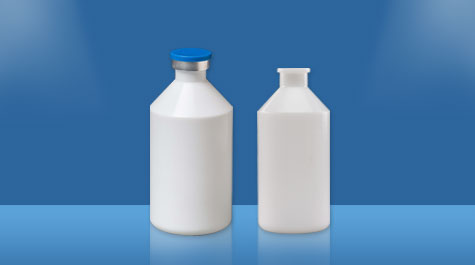
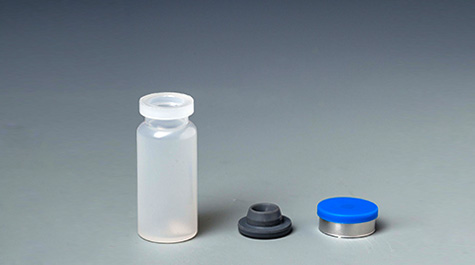
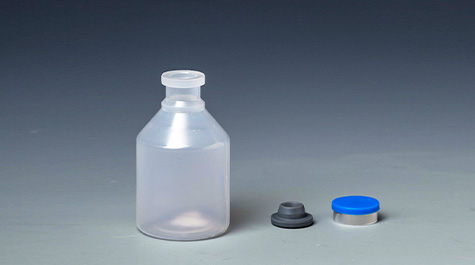
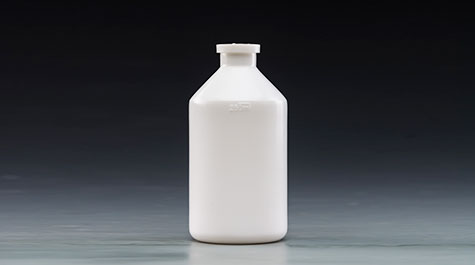
plastic vaccine vial

The sealing performance is generally tested by the following method: take 20 samples, put an appropriate amount of glass beads into the bottles, tighten the caps, and seal them with a capping device. The bottle mouth and caps should match appropriately. Place it in a container with an air extraction device, immerse it in water, and vacuum it until the vacuum degree is 27kpa. Maintain it for two minutes. There should be no water intrusion or bubbling in the bottle.

On the other hand, the sealing performance of vaccine bottles is closely related to the quality of butyl rubber stoppers. Butyl rubber stoppers have very good performance in terms of cleanliness, chemical stability, air tightness, etc., and are widely used in the pharmaceutical industry. Due to direct contact with drugs, the country has issued many relevant standards to control the product quality of butyl rubber stoppers.

The regulations regarding the tightness between the rubber stopper and the device body are as follows: Take 10 samples and preprocess them according to the method specified in the pharmaceutical packaging material standard. Put the pretreated experimental sample into a container with an air extraction device containing 10% methylene blue solution, evacuate to a vacuum degree of 25kPa, maintain it for 30 minutes, return the vacuum device to normal pressure, spin for another 20 minutes, take it out, and use water Rinse the outer wall of the bottle and observe that the methylene blue solution must not penetrate into the bottle.

Bottle caps and rubber stoppers are two important factors that affect the sealing of vaccine bottles. When selecting vaccine bottles, pharmaceutical companies must fully consider the importance of packaging to medicines and ensure the quality of vaccine bottles.

2023年11月23日星期四

Requirements for veterinary drug packaging for different drugs

 Veterinary drugs refer to substances used to prevent, treat, diagnose animal diseases or purposefully regulate animal physiological functions, including vaccines, diagnostic products, antibiotics, biochemical drugs, traditional Chinese medicines, disinfectants, etc. Depending on the dosage form of the drug, the packaging of veterinary drugs The requirements also vary.

Specification and material introduction of plastic vaccine bottle

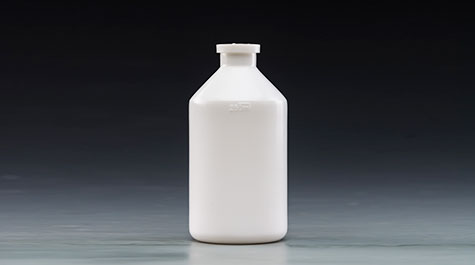
100ml PP vaccine vial

Although there are many types of veterinary drugs, they are mainly divided into two categories according to dosage forms: liquid drugs and powder drugs. Liquid medicines generally choose plastic packaging bottles. The main raw materials include polyethylene, polypropylene, polyester, high barrier, etc. Oral liquids and injections require bottles that are transparent and light-shielding. In order to ensure that the drugs are not affected by light and decompose and deteriorate, brown polyester bottles are chosen. Liquid medicines have high sealing requirements for bottles, so when choosing bottle caps, rubber stoppers and aluminum caps are often used to achieve a good sealing effect.

Specification and material introduction of plastic vaccine bottle

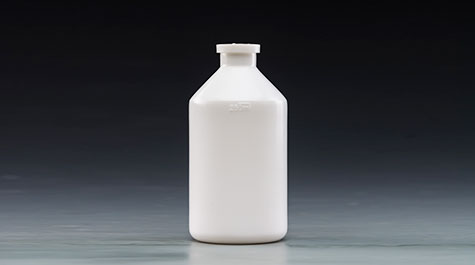
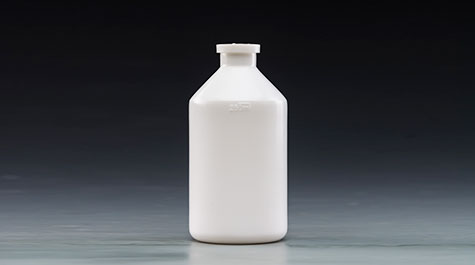
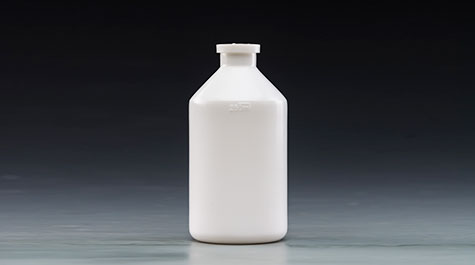
250ml PE plastic vaccine bottle


Powder dosage forms account for a relatively small proportion of veterinary drugs. The main requirement for veterinary drug packaging for this type of drugs is moisture resistance. They are usually packaged in plastic bottles. They are sealed with aluminum foil gaskets and a desiccant is placed inside the bottle to ensure the dryness of the internal environment. , to prevent the medicine from getting damp and deteriorating.


FDA Conditionally Approves Phenobarbital Tablets to Control Seizures in Dogs with Idiopathic Epilepsy

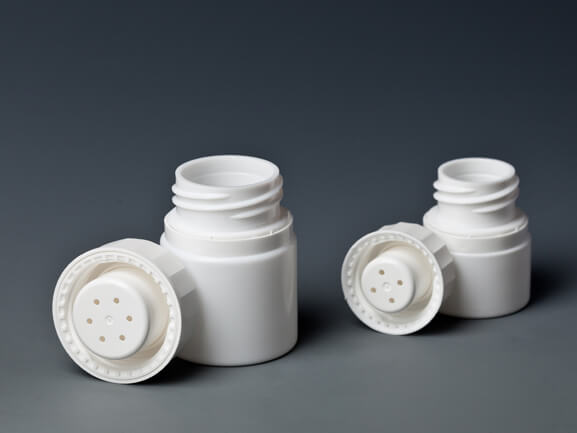
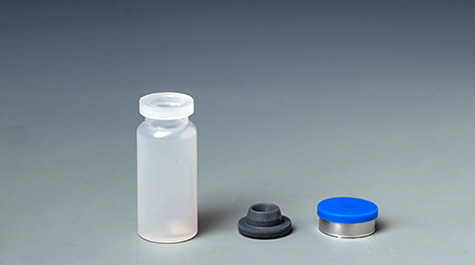
medicine bottle


In addition, some highly corrosive drugs (such as disinfectants) have higher barrier requirements for veterinary drug packaging, and packaging with high barrier materials will be selected to ensure that the drugs are in a good state of preservation.


The above are the requirements for veterinary drug packaging for several different veterinary drug dosage forms. Choosing appropriate veterinary drug packaging according to the characteristics of the drug is the basic condition to ensure the safety and effectiveness of the drug.

2023年6月11日星期日

Future Trends of Veterinary Vaccines and Types of Vaccine Vials

 Veterinary vaccines are one of the important ways to prevent and control animal infectious diseases. With the innovation and development of research and development technology, veterinary vaccines have shown diversified development. So, what are the future development trends, and what are the types of vaccine bottles?


Specification and material introduction of plastic vaccine bottle

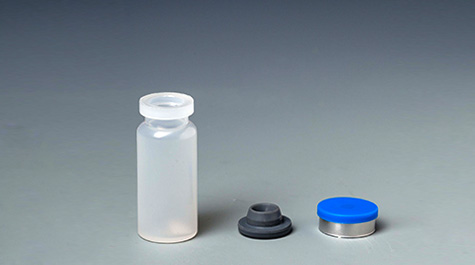
100ml PP vaccine vial

Specification and material introduction of plastic vaccine bottle

250ml PE plastic vaccine bottle


First, there is an increased demand for multivalent multivalent vaccines. This vaccine can maximize the types of immune protection against diseases, reduce immune stress responses, and improve the safety of vaccine use on the premise of simplifying immunization operations. It can also reduce the cost of vaccine transportation, storage and vaccination, and can reduce the burden on livestock and poultry breeding enterprises or farm households.

Secondly, genetically engineered vaccines have become the focus of industry development. At present, the application of genetic engineering technology for poultry vaccines is relatively mature, such as the new tributary method and other genetically engineered multiple inactivated vaccines, which have driven the technical upgrading of poultry vaccines. With the improvement of the immune efficacy of genetically engineered vaccines, the reduction of production costs and the deepening of market promotion, new genetically engineered vaccines will become an important development direction of veterinary vaccines in the future.

For different vaccine types, vaccine bottles of different materials are required as packaging. Inactivated vaccines are stored at 2-8°C, and plastic vaccine bottles are generally used. If the live attenuated vaccine needs to be stored in a low-temperature freezer, glass bottles are used.

The above is the future development trend of veterinary vaccines and the types of vaccine bottles. With the continuous innovation of vaccine types, more vaccines against new diseases will appear in the future to help the healthy development of animal husbandry.
2023年5月30日星期二

Quality standard for aluminum caps of veterinary vaccine bottles

 The quality of the vaccine bottle is related to whether the veterinary vaccine can be effectively stored, and will also affect the effect of animal immunity in the later stage, which is of great significance to the sustainable and healthy development of animal husbandry. Factors that affect the quality of vaccine bottles include bottle sealing, drop resistance, sterility, etc. In addition, the quality of bottle caps is also one of the important factors affecting their quality.

Specification and material introduction of plastic vaccine bottle

100ml PP vaccine vial

Specification and material introduction of plastic vaccine bottle

250ml PE plastic vaccine bottle


Vaccine bottle caps generally use rubber stoppers and aluminum caps. In YBB00082005-2015 "Aluminum Caps for Injection Bottles", the quality standards for aluminum caps are specified in detail:

[Appearance] Take an appropriate amount of this product, place it in a place with bright natural light, and observe visually, it should be clean without residual lubricant, burr, or damage.

[Mechanical properties of aluminum parts] The tensile strength of the material should be 130-180N/mm, and the elongation should not be less than 2%.

[Convexity] Take an appropriate amount of this product, measure with a vernier caliper, accurate to 0.1mm, and the convexity should not exceed 3%.

[Opening force] B (two-bridge), C (three-bridge) type aluminum cover opening force: 25N<B type tear sheet<60N, 46N<C type tear sheet<76N; D (tear-off type) aluminum cover Tear force: 30N<bridge breaking force<50N; 5N<full opening force<25N.

[Thickness] The thickness should be determined within a given range through negotiation between the supplier and the buyer, and the thickness and tolerance should not exceed ±0.022mm.

[Sterilization resistance] Take an appropriate amount of this product, rinse it with water, and bake it in an oven at 180°C for 1 hour, there should be no obvious change on the surface, and there should be no bulge and detachment on the surface layer.

[Compatibility] Take an appropriate amount of this product after baking in an oven at 180°C for 1 hour, cover it on a suitable bottle with a nominal capacity of water (with a rubber stopper), and seal it with a capping device. Fracture and abnormal deformation.

[Coating firmness] Take an appropriate amount of this product (suitable for coated aluminum covers on the outer surface), bake in an oven at 180°C for 1 hour, and then wipe the surface with absorbent cotton soaked in 80% (V/V) ethanol solution for 30 Seconds, and then wipe the surface with absorbent cotton soaked in 70% (V/V) isopropanol solution for 30 seconds, the coating should be free of any abrasion.

Animal diseases have always been a major factor restricting the development of my country's animal husbandry. To do a good job in the prevention and control of animal diseases, reduce the incidence of infectious diseases, and promote the healthy development of my country's animal husbandry requires the joint efforts of every vaccine manufacturer and vaccine bottle supplier.

2023年5月18日星期四

Pay attention to these points when using veterinary vaccine bottles

 Veterinary vaccine bottles play a very important role in the transportation and storage of animal vaccines. They are mostly made of high-density polyethylene or polypropylene raw materials through different processes. So, what problems should be paid attention to during the use of this kind of packaging?


Specification and material introduction of plastic vaccine bottle

100ml PP vaccine vial

Specification and material introduction of plastic vaccine bottle

250ml PE plastic vaccine bottle

  1. First of all, veterinary vaccine bottles before they are put into use should be stored in a cool, ventilated, and dry place, with no harmful or corrosive items around them.

2. Before the vaccine is immunized, first observe whether the veterinary vaccine bottle is completely sealed. If there is leakage, vaccine demulsification and delamination, it means that the vaccine has deteriorated or is contaminated, and it is forbidden to use it.

3. Before using the vaccine, check the instruction manual inside the box (box), and check the bottles one by one. The bottles are intact and tightly sealed. The name, batch number, production date, expiration date, specifications, etc. should be clearly marked on the bottle label.

4. The inactivated seedlings should be shaken well before use, and shake again before sucking the seedlings each time. the

5. Strictly follow the recommended dosage in the instruction manual. The vaccination dosage should be accurate, do not overdose, and do not reduce the dosage without authorization.

6. Registration should be done when using the vaccine, including the name of the vaccine, batch number, place of injection, date and number of livestock (poultry), etc.

After the vaccine immunization is completed, the discarded veterinary vaccine bottles should not be thrown away. They should be collected for pollution-free treatment to avoid secondary pollution of the farm.


Characteristics of inactivated vaccines and selection of vaccine bottles

 Animal vaccines are the basis for ensuring the healthy development of animal husbandry and play an important role in preventing the occurrence of various animal diseases. Inactivated vaccine is a common type of animal vaccine, so what are its characteristics, and how should its veterinary vaccine bottle be selected?


Specification and material introduction of plastic vaccine bottle

100ml PP vaccine vial

Specification and material introduction of plastic vaccine bottle

250ml PE plastic vaccine bottle


Inactivated vaccines, also known as dead vaccines, are vaccines made by treating microorganisms with physical or chemical methods to lose infectivity or toxicity while maintaining good immunogenicity. The advantage of this type of vaccine is that it is safe, does not return to the ancestors, does not return to strength, is convenient for storage and transportation, is not sensitive to the interference of maternal antibodies, and is easy to make combined vaccines and multivalent vaccines.

Inactivated vaccines are generally required to be stored at 2-8°C and can be stored in a refrigerator. Since this type of vaccine does not require high temperature and high pressure sterilization, polyethylene or polypropylene veterinary vaccine bottles are often used in packaging. Both materials have good corrosion resistance and can withstand the corrosion of most acid and alkali solvents. In addition, in order to facilitate the transportation of vaccines, their packaging containers must also be light in weight and not fragile, so as to avoid damage to the packaging due to external forces during transportation and affect the safety of vaccines.

Veterinary vaccine bottles play an important role in the transportation and storage of vaccines. Xinfuda has been engaged in pharmaceutical packaging for more than 20 years and specializes in the production of various pharmaceutical plastic bottles. Welcome to discuss cooperation.


2023年2月5日星期日

Pay attention to these points when using veterinary vaccine bottles

 Veterinary vaccine bottles play a very important role in the transportation and storage of animal vaccines. They are mostly made of high-density polyethylene or polypropylene raw materials through different processes. So, what problems should be paid attention to during the use of this kind of packaging?


Specification and material introduction of plastic vaccine bottle

100ml PP vaccine vial

Specification and material introduction of plastic vaccine bottle

250ml PE plastic vaccine bottle

  1. First of all, veterinary vaccine bottles before they are put into use should be stored in a cool, ventilated, and dry place, with no harmful or corrosive items around them.

2. Before the vaccine is immunized, first observe whether the veterinary vaccine bottle is completely sealed. If there is leakage, vaccine demulsification and delamination, it means that the vaccine has deteriorated or is contaminated, and it is forbidden to use it.

3. Before using the vaccine, check the instruction manual inside the box (box), and check the bottles one by one. The bottles are intact and tightly sealed. The name, batch number, production date, expiration date, specifications, etc. should be clearly marked on the bottle label.

4. The inactivated seedlings should be shaken well before use, and shake again before sucking the seedlings each time. the

5. Strictly follow the recommended dosage in the instruction manual. The vaccination dosage should be accurate, do not overdose, and do not reduce the dosage without authorization.

6. Registration should be done when using the vaccine, including the name of the vaccine, batch number, place of injection, date and number of livestock (poultry), etc.

After the vaccine immunization is completed, the discarded veterinary vaccine bottles should not be thrown away. They should be collected for pollution-free treatment to avoid secondary pollution of the farm.

2023年1月28日星期六

Characteristics of inactivated vaccines and selection of vaccine bottles

 Animal vaccines are the basis for ensuring the healthy development of animal husbandry and play an important role in preventing the occurrence of various animal diseases. Inactivated vaccine is a common type of animal vaccine, so what are its characteristics, and how should its veterinary vaccine bottle be selected?


Specification and material introduction of plastic vaccine bottle

100ml PP vaccine vial

Specification and material introduction of plastic vaccine bottle

250ml PE plastic vaccine bottle


Inactivated vaccines, also known as dead vaccines, are vaccines made by treating microorganisms with physical or chemical methods to lose infectivity or toxicity while maintaining good immunogenicity. The advantage of this type of vaccine is that it is safe, does not return to the ancestors, does not return to strength, is convenient for storage and transportation, is not sensitive to the interference of maternal antibodies, and is easy to make combined vaccines and multivalent vaccines.

Inactivated vaccines are generally required to be stored at 2-8°C and can be stored in a refrigerator. Since this type of vaccine does not require high temperature and high pressure sterilization, polyethylene or polypropylene veterinary vaccine bottles are often used in packaging. Both materials have good corrosion resistance and can withstand the corrosion of most acid and alkali solvents. In addition, in order to facilitate the transportation of vaccines, their packaging containers must also be light in weight and not fragile, so as to avoid damage to the packaging due to external forces during transportation and affect the safety of vaccines.

Veterinary vaccine bottles play an important role in the transportation and storage of vaccines. Xinfuda has been engaged in pharmaceutical packaging for more than 20 years and specializes in the production of various pharmaceutical plastic bottles. Welcome to discuss cooperation.


2022年12月4日星期日

Application of 50ml 100ml veterinary vaccine bottles

 Animal vaccines play an important role in preventing infectious diseases and improving the economic benefits of farming. Veterinary vaccine bottles, as packaging containers for animal vaccines, are crucial to the safety and stability of vaccines. There are various types of animal vaccines, and different vaccines have different application of packaging specifications.


Application of 50ml 100ml veterinary vaccine bottles

50ml PP INJECTION VIAL

Application of 50ml 100ml veterinary vaccine bottles

100ml transparent PP vial


Foot-and-mouth disease inactivated vaccine: It is one of the most important weapons to prevent the occurrence and prevalence of foot-and-mouth disease. The vaccine should be an emulsion, allowing a small amount of oil phase precipitation or stratification of the emulsion column. If it encounters demulsification or exceeds the specified stratification (water phase exudation should not exceed 1/10 according to the regulations), it cannot be used. Vaccines should be stored at 2-8°C in the dark to prevent freezing. This vaccine mainly uses 50ml and 100ml veterinary vaccine bottles, and other piglets use 20ml or 50ml specifications.

The above is the application of different specifications of packaging in animal vaccines. In addition to being used as storage containers for inactivated vaccines, veterinary vaccine bottles can also be used to store vaccine diluents, and the specifications are mainly 20ml-50ml.

2022年6月13日星期一

Introduction of EO Sterilization for Pet Injection Bottles

 Pet injection bottle is a kind of pharmaceutical packaging. In order to prevent the microbes on the packaging from contaminating the vaccine, this packaging needs to be sterilized and can only be used after reaching the microbial limit. Ethylene oxide sterilization is a common sterilization method for this type of packaging.


Introduction of EO Sterilization for Pet Injection Bottles

250ml PE plastic vaccine bottle


Ethylene oxide is also called ethylene oxide. It is a colorless liquid at low temperature with aromatic ether smell. Its boiling point is 10.8 °C, its odor threshold is 760 mg/m~1064 mg/m, and its density is 1.52; it is flammable and explosive, and its maximum The low combustion concentration is 3%. Ethylene oxide does not damage sterilized items and has strong penetrating power, so most items that are not suitable for sterilization by general methods can be sterilized and sterilized with ethylene oxide. For example, electronic instruments, optical instruments, medical instruments, books, documents, fur, cotton, chemical fibers, plastic products, wood products, ceramics and metal products, endoscopes, dialyzers and disposable medical supplies, etc. One of the low temperature sterilization methods.

It is generally believed to be due to its non-specific alkylation with microbial proteins, DNA and RNA. EO can undergo alkylation with free carboxyl, sulfhydryl and hydroxyl groups on proteins, and replace unstable hydrogen atoms to form compounds with hydroxyethyl radicals. Reactive groups required in basic metabolism hinder the normal chemical reactions and metabolism of bacterial proteins, resulting in the death of microorganisms on pet injection vials.

The above is an introduction to the commonly used sterilization methods for pet injection bottles. Ethylene oxide sterilization is a mature sterilization method. Although it has a strong sterilization effect, there are many factors affecting its sterilization, such as concentration and temperature. sterilization effect.

2022年5月30日星期一

Introduction of EO Sterilization for Pet Injection Bottles

 Pet injection bottle is a kind of pharmaceutical packaging. In order to prevent the microbes on the packaging from contaminating the vaccine, this packaging needs to be sterilized and can only be used after reaching the microbial limit. Ethylene oxide sterilization is a common sterilization method for this type of packaging.


Introduction of EO Sterilization for Pet Injection Bottles

250ml PE plastic vaccine bottle


Ethylene oxide is also called ethylene oxide. It is a colorless liquid at low temperature with aromatic ether smell. Its boiling point is 10.8 °C, its odor threshold is 760 mg/m~1064 mg/m, and its density is 1.52; it is flammable and explosive, and its maximum The low combustion concentration is 3%. Ethylene oxide does not damage sterilized items and has strong penetrating power, so most items that are not suitable for sterilization by general methods can be sterilized and sterilized with ethylene oxide. For example, electronic instruments, optical instruments, medical instruments, books, documents, fur, cotton, chemical fibers, plastic products, wood products, ceramics and metal products, endoscopes, dialyzers and disposable medical supplies, etc. One of the low temperature sterilization methods.

It is generally believed to be due to its non-specific alkylation with microbial proteins, DNA and RNA. EO can undergo alkylation with free carboxyl, sulfhydryl and hydroxyl groups on proteins, and replace unstable hydrogen atoms to form compounds with hydroxyethyl radicals. Reactive groups required in basic metabolism hinder the normal chemical reactions and metabolism of bacterial proteins, resulting in the death of microorganisms on pet injection vials.

The above is an introduction to the commonly used sterilization methods for pet injection bottles. Ethylene oxide sterilization is a mature sterilization method. Although it has a strong sterilization effect, there are many factors affecting its sterilization, such as concentration and temperature. sterilization effect.

2022年3月13日星期日

Introduction to the sterilization process of veterinary vaccine bottles

 Veterinary vaccine bottles are containers used to store various animal vaccines. In order to ensure the safety of vaccines, the packaging must be sterilized before being put into use. This kind of packaging is generally sterilized by ethylene oxide, and the sterilization process is as follows:

Introduction to the sterilization process of veterinary vaccine bottles

50ml pp vaccine bottle

Introduction to the sterilization process of veterinary vaccine bottles

250ml vaccine bottle


1. The ethylene oxide sterilization procedure should include preheating, pre-wetting, vacuuming, feeding gasified ethylene oxide to reach a predetermined concentration, maintaining sterilization time, removing ethylene oxide gas in the sterilizer, analyzing and Remove ethylene oxide residues from veterinary vaccine vials.

2. 100% pure ethylene oxide or mixed gas of ethylene oxide and carbon dioxide can be used for ethylene oxide sterilization. Freon is prohibited.

3. The analysis can be continued in an ethylene oxide sterilizer, or it can be placed in a special fume hood, and natural ventilation should not be used. The repeatedly input air should be filtered with high efficiency, which can filter out more than 99.6% of particles ≥0.3um.

4. Residues of ethylene oxide mainly refer to ethylene oxide and its two by-products, chloroethanol ethane and ethylene glycol ethane, left in articles and packaging materials after ethylene oxide sterilization; Residual ethane can cause burns and irritation to the patient.

The above is an introduction to the sterilization process of veterinary vaccine bottles. After the sterilization is completed, the packaging can enter the next step of use, which better protects the stability and safety of the vaccine within the validity period.

2022年3月7日星期一

Two common materials for pet vaccine bottles

 To keep pets healthy, they need to be vaccinated on a regular basis. The pet vaccine bottle is a special container for storing vaccines, so what material is it generally made of?


Two common materials for pet vaccine bottles

50ml PP vaccine vial

Two common materials for pet vaccine bottles

100ml PP transparent vial

According to the different preparation processes of pet vaccines, it can be divided into inactivated vaccines and attenuated live vaccines. Inactivated vaccines are mainly made by culturing the virus on the cell matrix, and then using physical or chemical methods to kill the infectious virus but keep it at the same time. The integrity of its antigen particles makes it lose its pathogenicity and retain its antigenicity. It has the characteristics of safety, no anti-ancestry, and no return to strength. It is relatively common in pets, and it is easier to be made into multiple vaccines to prevent multiple infectious diseases.

In terms of packaging material, inactivated pet vaccine bottles are mainly made of polyethylene or polypropylene. Both materials have good corrosion resistance and can withstand the corrosion of most acid and alkali solvents at room temperature. , and light weight, not fragile, easy to transport, is also a common raw material for veterinary plastic bottle packaging. The difference is that the transparency of polypropylene raw materials is higher than that of polyethylene, and it has good high temperature resistance, while the toughness of polyethylene is better than that of polypropylene.

In general, polypropylene and polyethylene are common raw materials for pet vaccine bottles, and pharmaceutical companies can choose appropriate raw materials according to their own product needs.

2021年9月27日星期一

Principles of Cobalt 60 Irradiation Sterilization of Plastic Vaccine Bottles

 Plastic vaccine bottles are the main packaging of inactivated animal vaccines. Vaccines are different from ordinary items. They have strict requirements on packaging. Among them, sterility is a very important point. In the way of sterilization, this kind of packaging will choose cobalt 60 irradiation sterilization.


Principles of Cobalt 60 Irradiation Sterilization of Plastic Vaccine Bottles

250ml plastic vaccine bottle


Cobalt 60 irradiation sterilization is the use of 60Coγ-ray irradiation, which acts on microorganisms, directly or indirectly destroys the nucleus of microorganisms, thereby killing microorganisms and playing a role of disinfection and sterilization. It is a kind of radiation sterilization technology. The gamma rays produced by the radioactive isotope cobalt 60 irradiate packaged food. In the process of energy transfer and transfer, it produces powerful physical and biological effects to achieve the purpose of killing insects and sterilization.
Cobalt 60 irradiation sterilization has the advantages of strong penetration, uniform, thorough and rapid sterilization, no pollution to the environment, low cost and low energy consumption. The plastic vaccine bottle sterilized by this method can achieve a good sterilization effect without There will be drug residues. In my country, a national standard has been formed for cobalt 60 sterilization technology. The current implementation is the GB10252-2009 "Radiation Protection and Safety Specifications for Gamma Irradiation Devices" standard, which is a relatively mature sterilization method.


Principles of Cobalt 60 Irradiation Sterilization of Plastic Vaccine Bottles

100ml PP transparent vial


Cobalt 60 irradiation sterilization is only one of the many sterilization methods for plastic vaccine bottles. Others include high temperature and high pressure sterilization and ethylene oxide sterilization. The specific sterilization method to choose depends on the requirements and requirements of the veterinary drug manufacturer. Depending on the characteristics of the vaccine.

2021年9月12日星期日

Vaccine diluent requirements for vaccine bottles

 Vaccine diluent refers to the reagent used to dilute the vaccine. Depending on the type of vaccine, there are different types of diluents, but plastic vaccine bottles are used in the packaging. Its requirements for packaging are mainly reflected in the following aspects:


Vaccine diluent requirements for vaccine bottles

250ml PE plastic vaccine bottle


1. Sealability: The vaccine diluent is mainly used to dilute the vaccine, which is related to the immune effect of the vaccine. Therefore, the plastic vaccine bottle must ensure good airtightness, so as to ensure that the diluent is in a good storage environment and improve the immune effect.
2. Barrier property: The barrier property of the bottle refers to its ability to block the invasion of external microorganisms. The packaging material of the diluent is generally polyethylene or polypropylene, which are non-toxic and tasteless, and have good barrier properties. Can isolate the pollution of the external environment.
3. Compatibility: The diluent is generally acid or salt, and the packaging material needs to be compatible with this type of solution to ensure that the contents will not deteriorate due to the reaction between the solution and the material during storage.
Commonly used diluents in animal vaccines include physiological saline, phosphate buffer, aluminum glue saline, and special diluents specially formulated according to the characteristics of the vaccine itself. Although the types are different, the requirements for injection vials are uniform. Yes, proper packaging can ensure that the solution is in a good storage condition and improve the immune effect of the vaccine.

2021年9月9日星期四

Cap characteristics of plastic vaccine bottles

 Plastic vaccine bottles are the main packaging of inactivated veterinary vaccines. Vaccines are a special solution and have high requirements for packaging. What are the characteristics of the bottle cap as an important part of the bottle?


Cap characteristics of plastic vaccine bottles

250ml plastic vaccine bottle


Plastic vaccine bottle caps generally use rubber stopper aluminum caps, which are composed of rubber stoppers and aluminum caps. The aluminum cap has good hygiene, will not rust, is easy to open, and does not require auxiliary tools to open, and is not easy to hurt the user. After opening, the bottle cap is obviously destructive and can effectively prevent theft. In addition, the aluminum cover also has the characteristics of good cushioning, shock resistance, heat insulation, moisture resistance, chemical corrosion resistance, etc., non-toxic, non-absorbent, non-dust, and has very good anti-pollution properties. The internal cleanliness, chemical stability, air tightness, and biological performance of the butyl rubber stopper are very good. The rubber stopper coated with the film can effectively reduce the absorption, adsorption, leaching and permeation between the rubber stopper and the drug, and improve the drug Long-term stability; at the same time, the mechanical lubricity of the rubber plug is also well improved, which greatly reduces the increase in the number of insoluble particles in the liquid medicine caused by the silicone oil.


Cap characteristics of plastic vaccine bottles

10ml PP injection vial


The aluminum cover of the rubber plug made by the combination of the aluminum cover and the rubber stopper has been exerted to a large extent in terms of airtightness, anti-pollution properties, and chemical stability, and can maintain a good storage state of the vaccine. Large-capacity injection bottles, oral liquid bottles, etc. have selected this kind of good bottle cap.
In addition, the choice of plastic vaccine bottle aluminum caps has a unique advantage, that is, embossing, milling, etc. can be embossed on the aluminum cap to meet the brand promotion needs of pharmaceutical companies.

2021年9月6日星期一

How long can the vaccine be stored after opening the plastic vaccine bottle?

 Animal vaccines are the main way to prevent animal diseases, and the quality of vaccines is related to the final immune effect. During the immunization process, we will encounter the situation that the vaccine cannot be used up. If the plastic vaccine bottle is opened, how long can the vaccine be stored?


How long can the vaccine be stored after opening the plastic vaccine bottle?cid=3

50ml pp injection vial


Animal vaccines are generally divided into inactivated vaccines and attenuated live vaccines. These two vaccines have their own characteristics and are also different in packaging. Among them, plastic vaccine bottles generally contain inactivated vaccines. Inactivated vaccines are vaccines made by using physical or chemical methods to treat microorganisms so that they lose their infectivity or toxicity and maintain good immunogenicity. It has the characteristics of safety, no return to ancestors, no return to strength, and easy storage and transportation. This kind of vaccine is generally a liquid preparation, containing adjuvants, fire extinguishing agents and stabilizers. Freezing may affect the stability of the vaccine, causing the antigen and adjuvant to be stratified, affecting the immune effect, so it is generally stored at 2-8°C in the dark , Strictly prevent freezing.
The capacity of inactivated vaccines is generally relatively large, and sometimes it may not be used up once after opening. In order to avoid waste, some farms choose to save the vaccine again and use it next time. In fact, this approach is wrong. After the vaccine is opened, its environment has changed. It must be vaccinated as soon as possible. If the vaccine is not used up, try to use it up on the same day. If it is not used up, it should be discarded.
Immunization is a complex physiological reaction process, which must be operated in strict accordance with regulations. After the plastic vaccine bottle is opened, the vaccine has a limited shelf life. If an animal is injected with a vaccine stored for a long time after opening, it will not only affect the immune effect, but even endanger the health of the animal and cause unnecessary losses to the farm.

2021年8月24日星期二

Application of Plastic Vaccine Bottle in Avian Influenza Vaccine

 A plastic vaccine bottle is a special container made of polyethylene or polypropylene and other polymer materials. Unlike glass packaging, this type of container is mainly used for the storage of inactivated vaccines. Avian influenza vaccine is one of them.


Application of Plastic Vaccine Bottle in Avian Influenza Vaccine

50ml PP vaccine bottle


Avian influenza virus is a common infectious disease in poultry farming, and it is also an important factor hindering the economic benefits of farms. Sick poultry can cause elevated body temperature, purple crown and wattles, swelling, bleeding, and even necrosis. At the same time, it is accompanied by symptoms such as breathing difficulties and coughing. Highly pathogenic avian influenza can cause poultry death when there are no obvious symptoms. The fatality rate can reach 70%~100%. Vaccinating poultry in advance is an effective way to prevent the spread of avian influenza.


Application of Plastic Vaccine Bottle in Avian Influenza Vaccine

100ml plastic transparent PP vial


Avian influenza viruses can be divided into 16 H subtypes (H1~H16) and 9 N subtypes (N1~ N9), among which the most harmful to poultry are H5, H7 and H9 subtype strains. The bird flu vaccines on the market are mainly inactivated vaccines, which are safe to use, easy to store, and have no pollution hazard. They are not sensitive to the neutralization of maternal antibodies, and are easy to make combined vaccines or multivalent vaccines. Plastic vaccine bottles have good barrier properties and tightness, and are light in weight, not fragile, and easy to transport. They can be used as packaging containers for inactivated avian influenza vaccines.
Plastic vaccine bottles are different from glass packaging. The bottles can be processed into various colors according to the needs of pharmaceutical companies to increase brand recognition and improve product market competitiveness

2021年8月23日星期一

The difference between plastic vaccine bottle and glass in application

 Animal vaccines are of great significance in preventing various diseases, blocking the spread of infectious diseases, and ensuring the healthy development of animal husbandry. There are many types of animal vaccines. We will find that some vaccines are packaged in plastic vaccine bottles, while some vaccines are packaged in plastic vaccine bottles. What is the difference between the two kinds of packaging for the selected glass vaccine bottle?


The difference between plastic vaccine bottle and glass in application

50ml pp injection vial


Animal vaccines are divided into inactivated vaccines and live vaccines due to their antigenic properties and different preparation techniques. Inactivated vaccines, also known as dead vaccines, are vaccines made by using physical or chemical methods to treat microorganisms so that they lose their infectivity or toxicity and maintain good immunogenicity. It has the characteristics of being safe and not returning to ancestors and being strong. This vaccine does not have high requirements on the storage environment. The suitable storage temperature is 2-8℃. During the storage process, the vaccine must be strictly prevented from freezing. It cannot be stored below 0℃, otherwise it will cause the inactivated vaccine to deteriorate and affect the immune system. Effect. Different from the single-dose packaging of live vaccines, the packaging capacity of this type of vaccine is generally relatively large, and the glass material is easily broken during transportation, so plastic vaccine bottles are often used to store inactivated vaccines.


The difference between plastic vaccine bottle and glass in application

10ml injection vial


Live vaccines generally need to be stored at a low temperature, especially freeze-dried vaccines need to be below -15°C. The lower the temperature, the longer the storage time. Such vaccines are generally subjected to high temperature and high pressure sterilization. Relatively speaking, the high temperature and low temperature resistance of glass materials are more suitable for storage of such vaccines.
In addition, plastic vaccine bottles are generally processed from polyethylene or polypropylene materials, which have good barrier properties and corrosion resistance to acid and alkali solvents. The vaccine diluent is generally physiological saline, and this type of packaging can also be selected.

2021年8月18日星期三

Principles of Ethylene Oxide Sterilization of Plastic Vaccine Bottles

 Vaccination for animals in advance is an effective way to reduce infectious diseases, and the quality of the vaccine will directly affect the immune effect. Plastic vaccine bottles are the main packaging method of inactivated veterinary vaccines. In order to ensure that the microbial limit and other indicators of the packaging meet the requirements of national standards, they must be sterilized by ethylene oxide after the packaging process is completed.


Principles of Ethylene Oxide Sterilization of Plastic Vaccine Bottles

10ml plastic injection vial


Ethylene oxide, also known as ethylene oxide, is a colorless liquid at low temperatures with an aromatic ether smell. It has a boiling point of 10.8°C, an odor threshold of 760 mg/m~1064 mg/m, and a density of 1.52; ethylene oxide is flammable and easy to Explosion, its minimum combustion concentration is 3%. The principle of ethylene oxide sterilization is through its interaction with sulfhydryl (-SH), amino (-NH2), hydroxyl (-OH) and carboxyl (-COOH) on protein molecules and imino (-NH-) on nucleic acid molecules. The alkylation reaction occurs, causing the protein to lose the reactive group, hindering the normal biochemical reaction and metabolism of the protein, leading to the death of microorganisms, thereby achieving the sterilization effect.


Principles of Ethylene Oxide Sterilization of Plastic Vaccine Bottles

50ml plastic PP injection vial


Ethylene oxide is an alkylating agent with strong penetrating power. It can use a variety of packaging materials and can be sterilized in the packaging state. It can kill various microorganisms (including bacteria, spores, viruses, and fungal spores) at room temperature. Etc.), suitable for biomedical polymer materials that are not resistant to high temperature treatment, such as natural rubber, polyethylene, polypropylene and polyvinyl chloride. The microbiological limit of the sterilized plastic vaccine bottle will meet the standard requirements, which can prevent the vaccine from being contaminated.
It should be noted that after the sterilization of the plastic vaccine bottle, the ethylene oxide gas discharged should be properly treated and meet environmental protection requirements, so that the residual ethylene oxide can be safely removed.