显示标签为“crc cap”的博文。显示所有博文

2025年6月16日星期一

Requirements for moisture absorption rate of desiccant for medicinal moisture-proof bottles

 The stability of the internal environment of the medicinal moisture-proof bottle is crucial to the quality of the drug. To prevent moisture from affecting tablets, desiccants are usually placed in the package to control humidity. The moisture absorption rate of the desiccant is directly related to its effectiveness and service life. This article will discuss in detail the moisture absorption rate requirements of the desiccant and its impact on the stability of the drug.
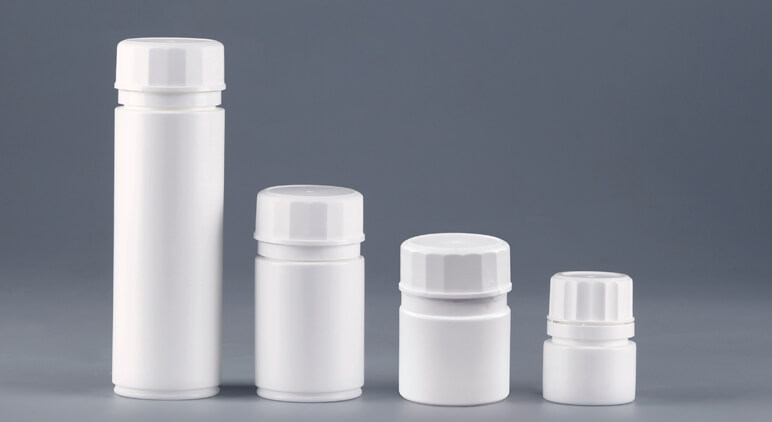
Application of HDPE container with desiccant cap in dry syrup

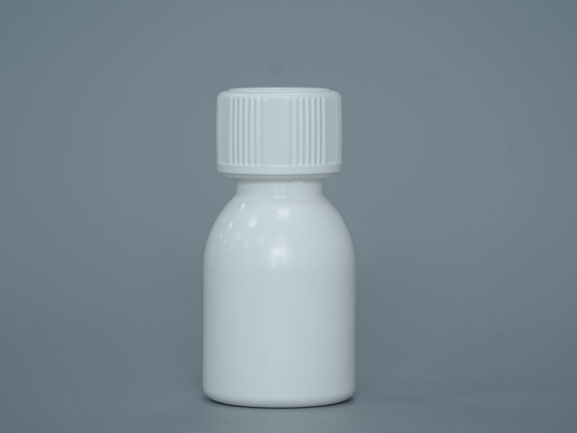
50ml desiccant bottle with CRC

1. The role of desiccant


In the packaging of oral solid pharmaceutical high-density polyethylene moisture-proof combination bottle caps, the main function of the desiccant is to absorb moisture in the tube to prevent the tablets from being damaged by moisture. Commonly used desiccants include silica gel and molecular sieves, each of which has different moisture absorption characteristics and application advantages. In order to ensure the stability of drugs during storage and transportation, it is crucial to select a suitable desiccant and meet relevant standards.


2. Silica gel desiccant


1. Performance characteristics


The main component of silica gel desiccant is highly active silica gel, and its moisture absorption capacity can reach 40% of its own weight. As the only desiccant certified by the US FDA, silica gel desiccant can safely come into direct contact with drugs and food. Silica gel can effectively control moisture in long-term use and keep the internal environment of the package dry, thereby protecting the quality of the drug.


2. Moisture absorption rate requirements


In the application of medicinal moisture-proof bottles, the saturated moisture absorption rate of silica gel desiccant is required to be no less than 30%. In addition, in terms of short-term moisture absorption rate, the requirement for silica gel is no less than 3%. These standards ensure that silica gel desiccant can effectively absorb moisture during use and maintain the stability of the internal environment.


III. Molecular sieve desiccant


1. Performance characteristics


In addition to being able to absorb moisture, molecular sieve desiccant can also absorb other gases, and it can also effectively accommodate water molecules at high temperatures (above 230°C). The hygroscopic properties of molecular sieves enable them to quickly absorb moisture in a short period of time, which is suitable for packaging needs that require rapid control of humidity.


2. Moisture absorption rate requirements


According to the standard, the saturated moisture absorption rate of molecular sieve desiccant should be no less than 19%, and the short-term moisture absorption rate should be no less than 4.5%. These requirements ensure that molecular sieves can quickly reduce the humidity inside the package in a short period of time and provide reliable protection for drugs.
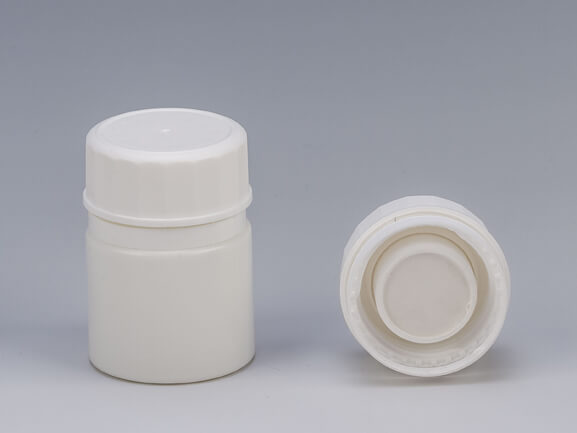
Desiccant bottle characteristics

desiccant bottle with silica gel

IV. Mixing advantages


In practical applications, the desiccant for medicinal moisture-proof bottles is usually an equal proportion of silica gel and molecular sieve. This mixture has the advantages of both, with silica gel providing long-term stable moisture absorption capacity and molecular sieves able to quickly respond to short-term humidity changes.

Moisture absorption rate requirements


According to the YBB standard, the moisture content of the desiccant mixture should be less than 4.8%. In terms of saturated moisture absorption rate, the mixture is required to be no less than 24%. For short-term moisture absorption rate, the mixture is required to be no less than 3.5%. These standards ensure that the desiccant mixture can effectively control the humidity in the pharmaceutical moisture-proof bottle in actual use, thereby protecting the stability and effectiveness of the drug.


Desiccant in pharmaceutical moisture-proof bottles is crucial to the stability of tablets and capsules. Ensuring that the moisture absorption rate of the desiccant meets the YBB standard not only helps maintain the quality of the drug, but also increases consumer confidence in the product. When selecting packaging and desiccant, pharmaceutical companies should fully consider the performance requirements of the desiccant to ensure the stability of the drug throughout the supply chain.

2025年4月14日星期一

Child-resistant packaging: A critical line of defense for protecting families and children

As consumers' safety awareness continues to improve, child-resistant packaging has become a vital part of the global market. Parents with children in the family, especially parents of infants and preschoolers, are well aware of the potential dangers of many items in the home environment to children. In this context, the significance of child-resistant packaging has become increasingly prominent. It is not only an effective means to ensure that children are protected from harmful substances, but also a key measure to improve the overall quality of life and safety level.

Preventing children from opening the bottle can effectively reduce the risk of children accidentally ingesting drugs

HDPE bottle with child resistant closure

Historical background of child-resistant packaging

The original intention of child-resistant packaging can be traced back to the 1970s, when the United States began to implement the "Poison Prevention Packaging Act" (PPPA). This law stipulates that any household products that may pose a danger to children (such as medicines, detergents and chemicals) must be packaged in a safe way to prevent children from accidentally ingesting or misusing them. This move significantly reduced the incidence of accidents caused by children's contact with these items and became the starting point for global safety packaging specifications.

ISO 8317 standard: a globally unified safety standard

ISO 8317 is one of the important international standards for child-resistant packaging certification. Its main goal is to ensure that the packaging design can effectively prevent children from misusing it, while also taking into account the convenience of adults when using it. The standard clearly states that qualified packaging must effectively prevent at least 80% of children aged 42 to 51 months from successfully opening the package. The implementation of this standard has unified and standardized child-resistant packaging worldwide, effectively ensuring the safety of children.

The innovative design of oral liquid bottle cap 

28mm child resistant cap for liquid

Taking into account both child safety and adult convenience

While ensuring the safety of children, the ISO 8317 standard also takes into account the convenience of adults, especially the elderly, when using packaging. For items used in daily household use, adults often need to be able to easily open and reseal the package, especially daily necessities such as medicines and cleaning products. Therefore, child-resistant packaging must not only have efficient protective performance, but also must take into account convenient adult operation. Through careful design, packaging can balance the needs of both, not only effectively preventing children from contacting dangerous items, but also ensuring that adults can use it without hindrance.

Global child-resistant packaging certification

Many countries and regions in the world have formulated child-resistant packaging standards similar to the US PPPA. ISO 8317 provides a unified quality standard for product packaging worldwide. If companies can strictly abide by these standards when designing and producing packaging, they can not only improve the safety of their products, but also effectively enhance the brand's trust among consumers. This global certification system enables child-safe packaging to circulate smoothly in the international market, effectively ensuring the safety of families around the world.

Enterprises should strictly abide by child-safe packaging standards

As global attention to consumer safety continues to heat up, more and more companies are aware of the importance of child-safe packaging. Whether in the design stage or the production process, companies need to strictly abide by international safety standards to ensure that packaging design can effectively prevent children from misusing it. This is not only a social responsibility of the company, but also can win the favor and trust of consumers for the brand. Child-safe packaging certification can not only help companies stand out in the fierce market competition, but also provide consumers with a more secure shopping experience.

Child-safe packaging certification plays a vital role in ensuring the safety of families and children. The implementation of the ISO 8317 standard provides a scientific basis and unified standards for child-safe packaging worldwide, helping companies to ensure product safety while taking into account the convenience of consumers. Companies should strictly follow relevant standards in the product design and packaging process to provide consumers with higher quality and safer products. 

2025年3月17日星期一

Child-resistant caps for oral preparations with iso15378

ISO 15378 is an international standard that specifies requirements for the quality management systems (QMS) of manufacturers of primary packaging materials for the pharmaceutical industry. It is particularly relevant for organizations that manufacture packaging materials like child-resistant caps (CRCs) for oral preparations. The standard is designed to ensure that packaging materials used for pharmaceutical products meet strict quality and safety requirements, including those related to child-resistant features.

The innovative design of oral liquid bottle cap 

28mm child resistant cap for liquid

Here's how ISO 15378 relates to child-resistant caps for oral preparations:


1. Overview of ISO 15378

ISO 15378 applies to manufacturers of primary packaging materials (such as containers, bottles, caps, and closures) used in the pharmaceutical industry.

The standard focuses on establishing a quality management system (QMS) that ensures consistent product quality, regulatory compliance, and the safety of packaging materials.

The standard aligns with Good Manufacturing Practices (GMP) to guarantee that the packaging materials are fit for their intended use and do not compromise the safety, quality, or efficacy of the pharmaceutical products they contain.

2. Child-Resistant Features Under ISO 15378

Design and Performance of CRCs: Manufacturers must ensure that child-resistant caps for oral preparations are designed and tested to meet the necessary regulatory and safety standards, such as the U.S. Poison Prevention Packaging Act (PPPA) or the European Directive 2001/95/EC on General Product Safety. ISO 15378 ensures that these designs are created with quality and compliance in mind.

Testing and Validation: ISO 15378 emphasizes the need for proper testing and validation of the child-resistant features. This means that manufacturers should have documented processes and procedures in place to demonstrate that their CRCs are effective in preventing access by young children, while still being usable by adults, particularly older individuals.

Traceability: The standard requires manufacturers to maintain proper traceability of packaging materials, including CRCs. This means that any batch of packaging material can be traced back to its manufacturing process, allowing manufacturers to monitor and control quality throughout the production cycle.

3. Key Aspects of ISO 15378 for CRCs

Risk Management: ISO 15378 promotes risk-based approaches in the design and manufacturing of packaging materials. In the case of child-resistant caps, risk management practices would include assessing potential failure modes (e.g., if a cap is not sufficiently child-resistant) and putting in place controls to mitigate these risks.

Regulatory Compliance: The standard ensures that CRC manufacturers adhere to local and international regulations regarding child-resistant packaging. This includes meeting the regulatory guidelines set forth by authorities like the U.S. FDA (for the U.S.) or the European Medicines Agency (EMA).

Supplier Evaluation: ISO 15378 requires manufacturers to evaluate and control suppliers of materials used in CRCs (e.g., plastics or metals), ensuring that the materials meet the required specifications and do not introduce any quality risks.

Packaging Integrity: The standard ensures that CRCs, along with other packaging components, maintain their integrity throughout the entire lifecycle of the product, from manufacturing to distribution and storage.

4. Benefits of Implementing ISO 15378 for CRC Manufacturers

Quality Assurance: Implementing ISO 15378 ensures that CRCs are consistently manufactured with high quality, meeting both regulatory requirements and customer expectations.

Improved Risk Management: The standard helps manufacturers proactively identify and manage risks in the production of child-resistant packaging, reducing the chance of product recalls or compliance failures.

Application and characteristics of amber PET bottle

PET amber bottle

Market Confidence: Certification to ISO 15378 demonstrates a commitment to quality and safety, which can enhance trust with regulatory bodies, pharmaceutical companies, and consumers.

Global Recognition: As an internationally recognized standard, ISO 15378 facilitates access to global markets by ensuring that packaging materials meet the required standards in different regions.

5. Implementation of ISO 15378 for CRCs in Oral Preparations

Process Control: CRC manufacturers must have well-defined processes for designing, testing, and producing caps that are resistant to tampering by children, including clear procedures for batch testing and qualification.

Documentation: The entire process must be documented in accordance with the requirements of ISO 15378, ensuring that records of design specifications, testing results, and quality controls are available for review by auditors or regulatory agencies.

Continuous Improvement: ISO 15378 requires that packaging manufacturers adopt a continuous improvement approach, ensuring that any issues discovered with child-resistant packaging are addressed and improvements are made over time.

2025年2月24日星期一

What is ISO 8317 for Child-Resistant Closures (CRC)

ISO 8317 is an internationally recognized standard for Child-Resistant Closures (CRC), ensuring that packaging prevents children from accessing hazardous contents, such as pharmaceuticals, chemicals, and cleaning products. This standard sets requirements for packaging that balances safety and ease of use, offering secure protection against accidental poisoning while remaining accessible to adults.

Introduction to the production process of medicinal CRC caps

child resistant cap

Key Features of ISO 8317:


Child-Resistant Testing:


ISO 8317 outlines stringent testing methods to ensure that children under 5 years old are unable to open CRC packaging. It also ensures that the closures remain functional throughout the shelf life of the product and can be easily opened and resealed by adults.

The innovative design of oral liquid bottle cap 

28mm child resistant cap for liquid

Reliable Performance:


The standard tests CRC closures for durability and long-term performance. It ensures that closures withstand repeated opening, closing, and resealing without compromising on safety.

Ease of Use for Adults:


While designed to be child-resistant, the closure mechanism must also allow adults to easily open and close it without excessive force or difficulty.

Design Specifications:


The standard specifies various design features, including closure type, locking mechanisms, and compatibility with container types. This ensures consistency and effectiveness for a wide range of products.

Compliance with Global Safety Standards:


ISO 8317 helps manufacturers comply with child-safety regulations globally. It ensures that products meet the high standards necessary for consumer safety and legal compliance.

Why ISO 8317 is Important

Child Safety: The primary goal of ISO 8317 is to protect children from accessing hazardous substances that could lead to poisoning, which is especially critical for pharmaceutical, chemical, and household products.

Regulatory Compliance: Many countries and regions require CRC packaging that complies with ISO 8317, ensuring that manufacturers meet legal packaging standards.

Consumer Confidence: ISO 8317 certification provides consumers with the peace of mind that products are packaged with the highest level of child safety in mind.

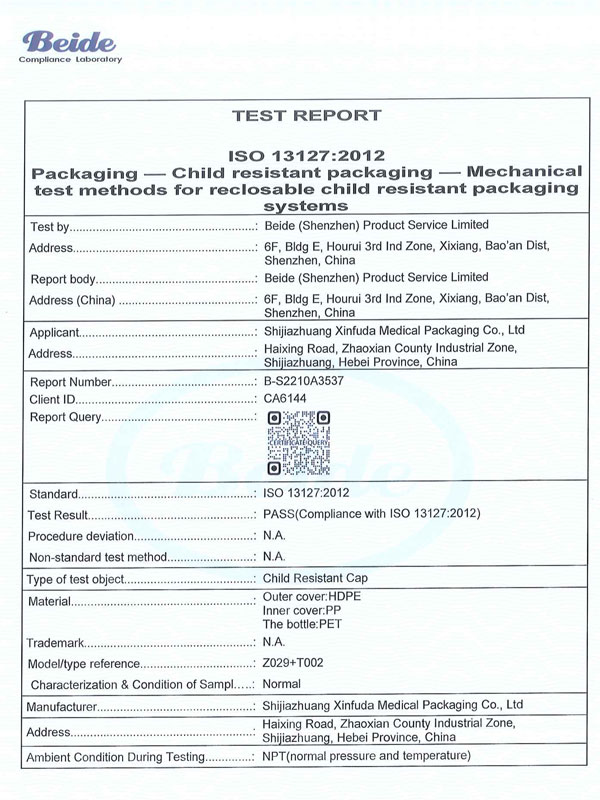
Xinfuda get ISO 13127:2012

Our Product Range

We offer a variety of ISO 8317-compliant CRC caps, ensuring that we meet the diverse needs of our customers across multiple industries. Our caps are designed for safety, reliability, and ease of use, and we provide the following sizes:


28mm CRC Cap

33mm CRC Cap

38mm CRC Cap

45mm CRC Cap

Each of these sizes adheres to the strict requirements set by ISO 8317, offering reliable child-resistant functionality and a secure seal for a wide range of products. Whether you’re packaging pharmaceuticals, nutraceuticals, or household products, our 28mm, 33mm, 38mm, and 45mm CRC caps ensure that your product remains safely sealed and compliant with international safety standards.


Conclusion

ISO 8317 plays a critical role in ensuring that Child-Resistant Closures (CRC) meet global safety standards. By incorporating 28mm, 33mm, 38mm, and 45mm CRC caps, we provide packaging solutions that ensure child safety while still being practical and easy for adults to use. Our ISO 8317-compliant caps offer peace of mind and protection, helping to reduce the risk of accidental poisoning and ensuring the secure containment of hazardous substances.


Ready to secure your products with trusted child-resistant solutions? Explore our range of ISO 8317-compliant CRC caps today.

Tamper-Evident and Child-Resistant 28mm Caps

 28mm caps refer to caps that have a diameter of 28mm and are commonly used for bottles containing liquids, tablets, or other products. These caps are designed with two primary safety features:


Tamper-Evident Functionality

Tamper-Evident and Child-Resistant 28mm Caps

cap with tamper evident

Tamper-evident caps provide visual evidence that a bottle has been opened or tampered with. They are designed to break or distort when the cap is removed, ensuring that consumers can easily tell if the product has been compromised.

Features like breakaway bands, shrink seals, or indicators on the cap help show whether the product has been opened, giving consumers peace of mind.

Child-Resistant Functionality


Child-resistant caps are designed to be difficult for children to open, but still accessible for adults. This is particularly important for pharmaceuticals, cleaning products, and chemicals that may pose a danger if ingested by children.

The innovative design of oral liquid bottle cap 

28mm child resistant cap for liquid

These caps typically use mechanisms like push-and-turn, squeeze-and-turn, or snap-on designs that require specific force or action to open.

Why Choose Tamper-Evident and Child-Resistant 28mm Caps?

1. Product Safety and Security

Tamper-evident features help ensure that the product inside the bottle has not been altered or contaminated, which is crucial in industries like pharmaceuticals and food & beverage.

Child-resistant features add an additional layer of safety, preventing accidental ingestion of harmful substances by young children, which is especially important for over-the-counter medicines and household chemicals.

2. Regulatory Compliance

For many products, especially in the pharmaceutical and healthcare sectors, child-resistant packaging is not just a safety measure—it’s a legal requirement. Many regions, including the United States (CFR 1700) and Europe (EU Regulation 1272/2008), have strict regulations around child-resistant packaging to prevent child poisoning.

In addition, tamper-evident packaging is a common requirement for food and drug safety regulations to ensure that products are sealed in compliance with health standards.

3. Consumer Confidence

Consumers value knowing that the products they purchase are safe and have not been tampered with. Tamper-evident features ensure that once the cap is broken, it’s clear that the product has been accessed, providing reassurance to consumers about the integrity of the product.

Child-resistant packaging ensures that parents can trust that products containing potentially harmful ingredients are securely packaged.

4. Versatility

28mm caps are widely used for a variety of bottles, including pharmaceutical vials, nutraceutical bottles, cosmetic containers, and food products. The versatility of this size makes it an ideal choice for different applications, allowing manufacturers to incorporate tamper-evident and child-resistant features without having to design specialized packaging for every type of product.

Choosing the Right Material for Oral Syrup Bottles

60ml HDPE dry syrup bottle

Applications of Tamper-Evident and Child-Resistant 28mm Caps

Pharmaceuticals: For OTC medicines like pain relievers, cough syrups, or vitamins, where child-resistant packaging is required by law.

Nutraceuticals: Dietary supplements, especially those containing herbs or high-dose vitamins, that must be kept away from children.

Food & Beverage: Bottled drinks, condiments, and sauces that need to be protected from tampering during transport and handling.

Cosmetics: Products such as lotions, creams, or oils that need to be tamper-proof for consumer confidence.

Conclusion

28mm tamper-evident and child-resistant caps provide essential safety features that help protect consumers and products alike. With their ability to prevent tampering and ensure that children cannot easily access harmful substances, these caps play a critical role in safeguarding public health. Additionally, they help businesses comply with regulatory standards, while also building consumer trust and confidence in the product’s integrity.


If you're considering incorporating 28mm tamper-evident and child-resistant caps into your packaging line, it's important to assess your product's needs, the types of safety features required, and the regulatory standards in your industry.

2024年12月22日星期日

Differences in the design of oral liquid bottle caps for glass bottles and plastic bottles

 In the packaging design of oral liquids, the selection of medicinal bottle caps is crucial. Especially for oral liquid screw caps with child protection function, there are certain differences in the internal design between glass bottles and plastic bottles.

The innovative design of oral liquid bottle cap 

28mm child resistant cap for liquid

28mm cap with deiccant or without desiccant application in pharmaceutical

Background and risks of oral liquids


As a pharmaceutical preparation with good taste, oral liquids are extracted from Chinese herbal decoctions, and additives such as flavoring agents and antibacterial agents are added, and are sealed in bottles in a sterile or semi-sterile form. However, because of its taste close to that of beverages, it is easy for children to mistake it for ordinary drinks, and there is a risk of accidental ingestion. The physiological characteristics of children determine that they have low tolerance for drugs, and excessive consumption may bring serious consequences and even endanger life.

Choosing the Right Material for Oral Syrup Bottles

60ml HDPE dry syrup bottle

Design of water-based screw caps


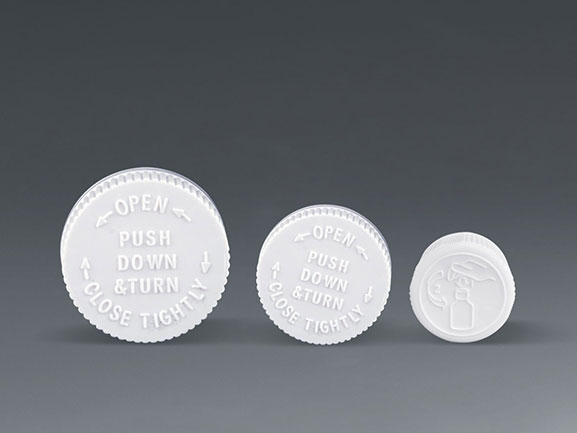
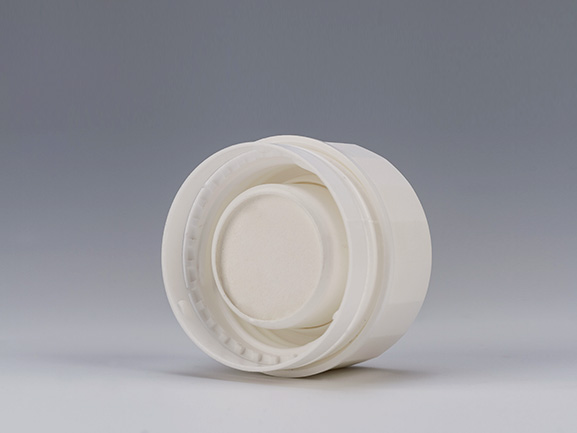
In order to reduce the risk of accidental ingestion of oral liquids, water-based screw caps with child protection function are often used. This cap adopts an inner and outer double-layer structure design, and the inner and outer caps are connected by a card slot. When opening the cap, it is necessary to press down the outer cap and rotate it at the same time to drive the inner cap to rotate together and complete the opening action. This design can effectively prevent children from opening the package at will in a short time, reducing the risk of accidental ingestion.


Differences between glass bottles and plastic bottles


Although the water-based screw-on caps are used in both glass bottles and plastic bottles, there are certain differences in their internal designs. It is mainly reflected in the gasket inside the cap. The gasket of the glass bottle cap is relatively thicker, while that of the plastic bottle is relatively thinner. This difference is mainly determined by the different materials of the bottles. Glass bottles are relatively more brittle, and the increase in the thickness of the gasket can enhance its performance in sealing and pressure resistance, ensuring that the liquid is not easy to leak. Since the material of plastic bottles is relatively soft, the gasket of the cap can be relatively thin, which can ensure the sealing and reduce the production cost at the same time.


The design difference between the oral liquid bottle caps in glass bottles and plastic bottles is mainly reflected in the thickness of the gasket, which is determined according to the material of the bottle body and aims to ensure the good sealing of the bottle. Through reasonable design and selection, the water-based screw-on cap can effectively reduce the risk of accidental ingestion of oral liquid and ensure the safety of children's medication.

2024年12月1日星期日

Differences between 28mm oral liquid covers in solid and liquid dosage forms

 As an important part of drug packaging, the medicinal bottle cap plays a very critical role in the overall sealing of the packaging. The 28mm oral liquid cap is a special cap with child protection function, which is mainly used to prevent children from accidentally opening the package and ingesting drugs. It is widely used in various solid and liquid preparations packaging, and its design also has certain differences in different applications.

The innovative design of oral liquid bottle cap 

28mm child resistant cap for liquid

28mm cap with deiccant or without desiccant application in pharmaceutical

Application of 28mm oral liquid cap in solid preparation packaging:


Solid drugs such as tablets and capsules have relatively high requirements for moisture resistance. In addition to requiring good sealing of the packaging to isolate the invasion of external water vapor, the drug itself also carries a certain amount of water molecules during the preparation process, so internal moisture resistance is equally important. The 28mm cap has a small medicine compartment on the top of the cap, which is used to store desiccant, so that it can absorb internal moisture, maintain environmental stability, and ensure that the drug will not be damp and deteriorate.


Application of 28mm oral liquid cap in liquid preparation packaging:


Liquid preparations such as oral liquids, suspensions, syrups, etc., are very easy to cause leakage problems due to violent shaking during transportation, so the sealing performance of the packaging is more important. In order to achieve better sealing, it will do more research on the selection of gaskets to make the lid and gasket fit more closely.

28mm Child Resistant Cap for Glass Bottles: Material, Size, Function, and Application

HDPE syrup bottle with crc cap

The above is the differentiated design of the 28mm oral liquid cover in solid and liquid preparation packaging. Although the design is slightly different, it focuses on child protection in terms of function. Through the design of the inner and outer double-layer structure, it increases the difficulty of opening the lid to prevent children from accidentally ingesting medicines, thus protecting children's safety.

2024年11月10日星期日

Types of medicine cap

 Medicine caps, or pill caps, come in a variety of types depending on their purpose, design, and the type of medication being contained. Here are some common types:

The importance of color design for medicine caps

child resistant cap


1. Child-Resistant Caps (CRC)

Purpose: Designed to prevent children from accidentally opening bottles and ingesting the contents.

Mechanism: Typically require a combination of pushing down and twisting to open.

Used for: Prescription medications, over-the-counter drugs, or substances that can be harmful if ingested by children.


The innovative design of oral liquid bottle cap 

28mm child resistant  cap for liquid medicine


2. Senior-Friendly Caps

Purpose: Easier to open for elderly people or those with limited hand strength or dexterity.

Design: May be flip-top or have an easy-to-grip design, often with wider threads for better leverage.

3. Tamper-Evident Caps

Purpose: Provide visual evidence if the bottle has been opened or tampered with.

Design: Includes a band around the neck of the bottle that breaks or shows signs of damage when the bottle is opened.

Used for: Prescription medications, supplements, and over-the-counter drugs.

4. Non-Child-Resistant Caps

Purpose: Provide simple, easy access for adults.

Design: Regular screw-on caps without child-resistant features, typically used for non-hazardous substances.

5. Snap-On or Press-On Caps

Purpose: Simple to close and open by pressing the cap firmly onto the bottle.

Design: No twisting required, commonly found in some over-the-counter bottles or small containers.

6. Dropper Caps

Purpose: Allows controlled dispensing of liquid medications, often used for liquids like eye drops or oral syrups.

Design: Comes with a dropper or nozzle to control the amount of liquid dispensed.

Used for: Liquid medications, oils, and tinctures.

7. Flip-Top Caps

Purpose: Often found on liquid medications or products that require frequent opening.

Design: Includes a lid that flips open, providing easy access to the contents without removing the cap entirely.

Used for: Lotions, liquid medications, and some over-the-counter drugs.

8. Pressure-Sensitive Caps

Purpose: Used to maintain an airtight or moisture-proof seal.

Design: Seals tightly with pressure, often used for powders or substances that must remain sealed to retain their potency.

9. Screw Caps

Purpose: A simple screw-on mechanism to seal the bottle.

Design: Used for a variety of products, including vitamins and prescription medications.


The importance of color design for medicine caps

desiccant cap

10. Bottle Caps with Desiccants

Purpose: Includes a small desiccant packet or material to absorb moisture and keep the contents dry.

Used for: Pills and tablets that are sensitive to moisture, like certain antibiotics or vitamins.

Different types of caps are designed to ensure that the medications are safe, secure, and convenient for the end user, depending on their needs and the type of medication.


2024年10月15日星期二

DMF Grade HDPE Bottles

 In industries like pharmaceuticals, healthcare, and nutraceuticals, maintaining product integrity is non-negotiable. One critical factor in this process is the choice of packaging. DMF grade HDPE bottles have become a preferred packaging solution for many companies because of their superior quality, regulatory compliance, and reliability. 

Preventing children from opening the bottle can effectively reduce the risk of children accidentally ingesting drugs

HDPE bottle with child resistant closure

What Is a Drug Master File (DMF)?

A DMF is a confidential submission to the FDA (U.S. Food and Drug Administration) containing detailed information about a material, component, or process used in the manufacturing of drug products. It provides supporting documentation to assist companies and regulatory bodies in evaluating the safety and quality of these components.


What Is a Type III DMF?

Type III DMFs focus specifically on packaging materials used in pharmaceutical products. These packaging components ensure that the drug product remains stable, uncontaminated, and effective throughout its shelf life. This type of DMF applies to a wide variety of packaging items used in pharmaceutical applications, including bottles, caps, seals, and other protective materials.


Examples of Packaging Materials Covered Under Type III DMFs

HDPE (High-Density Polyethylene) Bottles

Used for tablets, capsules, and liquid formulations.

FDA-compliant, non-leaching, moisture-resistant material.

Often paired with desiccant caps for moisture-sensitive products.

Application of HDPE container with desiccant cap in dry syrup

HDPE containers with desiccant cap

Closures and Caps

Child-resistant caps for safety.

Tamper-evident seals to ensure integrity and prevent contamination.

Flexible Films and Foils

The innovative design of oral liquid bottle cap 

28mm child resistant cap 

DMF Grade HDPE (High-Density Polyethylene) bottles are bottles manufactured according to the stringent standards outlined in these submissions. They are widely used in pharmaceuticals, biotech, and medical packaging to ensure compliance with regulatory norms.


Key Features of DMF Grade HDPE Bottles

1.Manufactured with US DMF-approved raw materials to meet the highest regulatory standards.

2.Produced in a cGMP compliance to ensure product purity and safety.

3.100% quality inspection using advanced, highly calibrated inspection systems.

4.All pharmaceutical plastic packaging complies with updated USP <661>& <671> standards for material safety and performance.

5.High-capacity production guarantees on-time delivery and supply consistency.

6.Packaging is designed with uniform wall thickness, minimal taper, and concavity to allow for smooth, wrinkle-free labeling, ensuring a professional presentation.

2024年8月30日星期五

The Importance of CRC Caps on Syrup Bottle

 When it comes to packaging food products, especially syrups, safety and convenience are paramount. One of the most effective solutions in ensuring both is the use of CRC (Child Resistant Closure) caps on syrup bottles. In this blog, we’ll explore what CRC caps are, their benefits, and why they are essential for syrup packaging.

Application and characteristics of amber PET bottle

PET amber bottle

1. What is a CRC Cap?


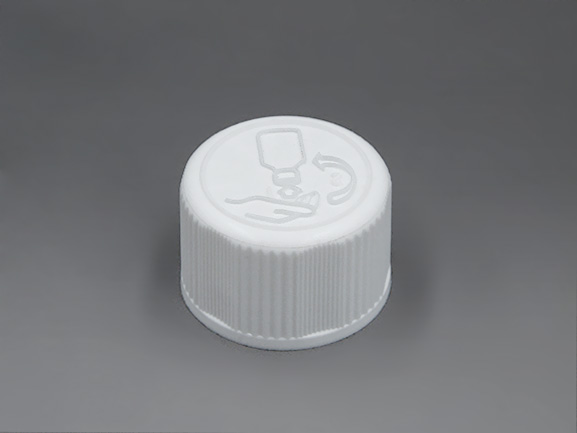
A CRC cap is a specialized closure designed to prevent children from easily opening containers that hold potentially harmful substances. These caps require a specific method of opening, which often involves pressing down and turning, making it difficult for young children to access the contents inside. This feature is particularly important for syrup bottles, which may contain ingredients that, while safe for adults, could pose a risk to children if ingested in large quantities.

The innovative design of oral liquid bottle cap 

28mm child resistant cap for liquid

2. Why Use CRC Caps for Syrup Bottles?


a. Child Safety: The primary purpose of CRC caps is to protect children. Syrups, especially those that are sweet and colorful, can be very appealing to kids. By using CRC caps, manufacturers can significantly reduce the risk of accidental ingestion.


b. Quality Assurance: CRC caps often come with tamper-evident features, ensuring that the product has not been opened or altered before it reaches the consumer. This adds an extra layer of trust for customers, knowing that they are purchasing a safe and intact product.


c. Convenience for Adults: While CRC caps are designed to be child-resistant, they are also user-friendly for adults. Most CRC caps can be opened with a simple press-and-turn motion, making them convenient for parents and caregivers.


d. Regulatory Compliance: Many countries have regulations in place that require child-resistant packaging for certain products, including food items. Using CRC caps helps manufacturers comply with these regulations, avoiding potential legal issues and ensuring consumer safety.


e. Brand Reputation: Companies that prioritize safety in their packaging can enhance their brand reputation. Consumers are more likely to trust and choose brands that demonstrate a commitment to protecting their families.

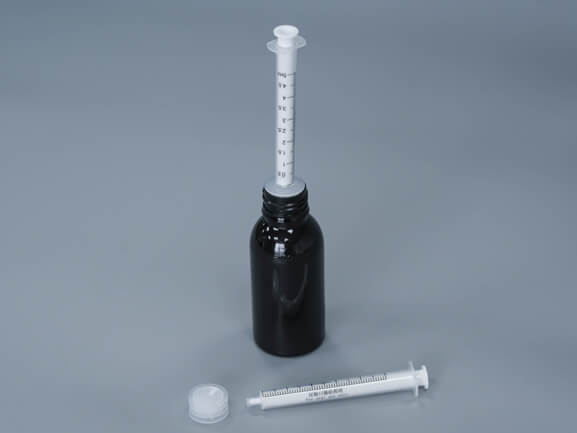
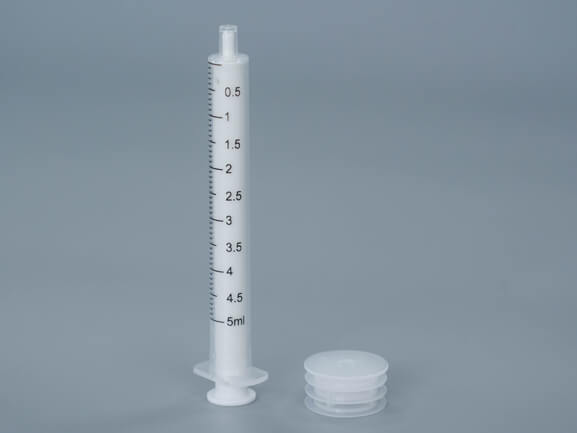
What are the characteristics of oral dosing syringe

What are the characteristics of oral dosing syringe

5ml oral dosing pipette

3. The Design and Functionality of CRC Caps


CRC caps are designed with a unique mechanism that requires a specific action to open. This can include pressing down while turning or squeezing the sides of the cap. The design not only deters children but also ensures that the cap remains securely closed during transportation and storage.


Additionally, CRC caps are available in various materials and colors, allowing manufacturers to maintain their branding while ensuring safety. This versatility makes them an ideal choice for syrup bottles, which often come in vibrant packaging to attract consumers.


4. Conclusion


In conclusion, the use of CRC caps on syrup bottles is a vital aspect of food safety and consumer protection. By incorporating these child-resistant closures, manufacturers can ensure that their products are safe for families while also complying with regulations and enhancing their brand reputation. As consumers, it’s essential to look for products with CRC caps, especially when it comes to items that may be appealing to children. So next time you reach for that delicious syrup, take a moment to appreciate the thoughtful design that keeps it safe!