显示标签为“plastic eye dropper”的博文。显示所有博文

2021年4月16日星期五

Eye drop bottle purchase attention

 Eye drops are commonly used drugs in ophthalmology. A bottle of high-quality eye drops requires a high-quality eye drop bottle to protect it. Pharmaceutical companies can consider the following aspects when purchasing eye drop bottles.
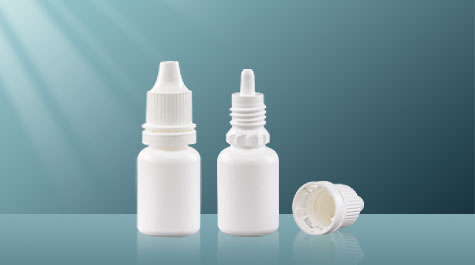

Eye drop bottle purchase attention

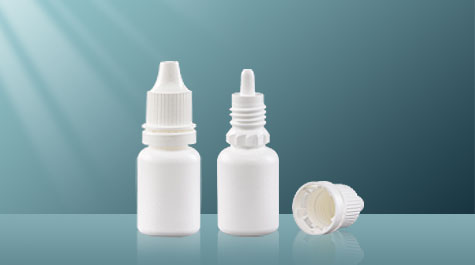
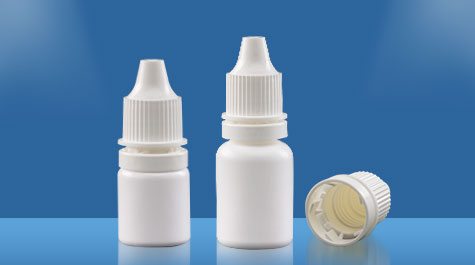
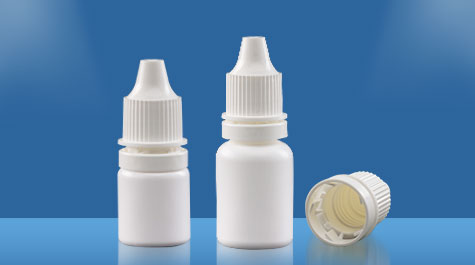
eye dropper bottle


1. No matter what raw material you choose, the eye drop bottle must first meet the requirements of non-toxicity and no peculiar smell. The low-density polyethylene (LDPE), polyester (PET) and other materials we see daily can be used as eye drop bottles Based on the raw materials of the drug, the appropriate materials can be selected according to the properties of the drug to better meet its demand for packaging.

2. The airtightness and water vapor permeability of the bottle body and cap. Tightness and water vapor permeability are two important technical indicators of plastic bottles. They have a vital impact on the stability of the packaged product. Pharmaceutical companies need to pay attention to these two indicators when purchasing eye drop bottles.

3. Product quality standards for eye drops. The product quality can be analyzed and judged from the manufacturer's product quality standards, which is convenient for pharmaceutical companies to make correct judgments.

4. Quality assurance system. Auditing suppliers has become an essential part of purchasing eye drop bottles. Through the audit, a comprehensive and correct assessment of the manufacturer's software and hardware facilities, technical equipment, and comprehensive quality level can be made. High-quality manufacturers are more secure in terms of product quality, delivery cycle, and later service.

Eye drops are essential medicines to protect eye health. Pay attention to the importance of eye drops bottles. Choosing high-quality pharmaceutical packaging is a necessary condition to ensure eye health.

2021年3月30日星期二

Test requirements for easy oxides of eye drop bottles

 Pharmaceutical packaging can protect medicines from environmental influences and maintain the original properties of medicines, facilitating their storage, transportation and use. Eye drop bottles are commonly used packaging for ophthalmic drugs, and their quality directly affects the health and safety of patients. In its quality standards, there are many test items involved, and easy oxide is a very important one.


Test requirements for easy oxides of eye drop bottles

LDPE eye dropper bottle

Easily oxidized substances refer to substances that are prone to chemical reactions with oxygen in ordinary environments. The common ones are metals that are prone to rust. In the pharmaceutical packaging industry, they generally refer to substances that are prone to oxidation reactions with oxygen, such as organic matter, reducing agents, Sulfur, phosphorus, etc. The control of easy oxides is of great significance to ensure the quality of the drug within the validity period, prevent the chemical reaction between the precipitated reducing substances and the drug, and affect the efficacy and safety of the drug.

For the detection of easy oxides, there are specific requirements in YBB20072012 "Low Density Polyethylene Medical Eye Drop Bottles": a precise amount of 20mL of the test solution, precise addition of 20mL of potassium permanganate titrant (0.002mol/L) and Dilute sulfuric acid 1mL, boil for 3 minutes, quickly cool, add 0.1g potassium iodide, place in a dark place for 5 minutes, titrate with sodium thiosulfate titrant (0.01mol/L) to light brown, and then drop 5 drops of starch indicator solution Titrate to colorless, take another blank solution of water and operate in the same way. Do a blank test at the same time. The difference between the two consumption of sodium thiosulfate titrant should not exceed 1.5mL.

The eye drop bottle is used as a pharmaceutical package that directly contacts the eye. If the easy oxide exceeds the standard, it will cause the deterioration of the medicine and affect the patient's eye health. The quality and safety of pharmaceutical packaging materials and their compatibility with drugs have a very important impact on drug safety. In order to protect people's drug safety, manufacturers of pharmaceutical packaging materials should pay attention to their quality control.


2021年3月16日星期二

Application of eye drop bottle in common ophthalmology medicine

 The prevalence of electronic products has made eye diseases more and more common in our lives. Common eye diseases include glaucoma, cataracts, mydriasis, dry eye, sty, bacterial conjunctivitis, etc. The common drugs used to treat eye diseases are mostly eye drops. Therefore, eye drop bottles are also widely used in common ophthalmology drugs.


Application of eye drop bottle in common ophthalmology medicine

eye dropper bottle


Data show that from 2013 to 2017, the size of my country's ophthalmology market increased from 46.7 billion yuan to 86.6 billion yuan, with an average annual compound growth rate of 16.7%. With the increase in the incidence of ophthalmology, the upgrading of ophthalmic treatment technology, and the improvement of patient diagnosis and treatment awareness, the scale of my country's ophthalmology market is expected to continue to grow at a growth rate of about 14% between 2018 and 2022.

There are tablets for the treatment of ophthalmic diseases, such as: latanoprost, diclofinamide, zhangyanming tablets, scopolamine, dehydrocholic acid tablets, voriting tablets, etc.; there are also cream drugs, such as dementia Eye ointment, tetracycline ointment, yellow mercury oxide ointment, etc., among which there are many kinds of eye drops, such as timolol, clonidine, chlortetracycline, rifampicin, chloramphenicol, sodium sulfacetamide, Shaoyanning, Xiaolaiwei, sodium hydroxymethylcellulose, phthalazin, phthalazin, etc., almost every kind of eye disease treatment medicine has eye drops. Therefore, in the ophthalmic medicine packaging, eye drops Bottles occupy a large market.

With the increase in ophthalmological diseases, the market demand for ophthalmic drugs such as eye drops is also increasing. On the whole, the application of eye drop bottles in common ophthalmic drugs packaging will become more common.

2021年3月11日星期四

Comparison of safety items of eye drop bottles at home and abroad

 With the rapid increase in the demand for eye use, eye drops have become a must-have item for many people. As a high-risk route of administration, eye drops have very strict pharmaceutocal packaging requirements. There are differences in the standards for eye drop bottles at home and abroad. The differences in safety items are mainly reflected in clarity, burning residue, N-ethane non-volatile matter, easy to oxidize, and eye irritation test.


Comparison of safety items of eye drop bottles at home and abroad

eye dropper bottle

Compared with foreign pharmacopoeias, some items in the YBB standard have higher requirements, such as heavy metals, n-ethane nonvolatiles, ultraviolet absorbance, etc., adding biological test items such as microbial limit, sterility, abnormal toxicity, and eye irritation tests. According to the relevant requirements of the 2015 edition of the Chinese Pharmacopoeia, eye drops should be sterile products. Through these items, the degree of microbial contamination of the drug packaging materials can be checked. In addition, the preclinical safety evaluation of ophthalmic drugs must first evaluate the ocular irritation; therefore, in order to investigate the toxicity introduced during the production process, it is necessary to detect the ocular irritation.

In the ignition residue inspection items, the YBB standard stipulates different limit requirements based on the two types of sunscreen and no sunscreen, which is more reasonable than the United States Pharmacopoeia. In terms of easy oxide detection, the content specified in the YBB standard shall not exceed 1.5ml, which is too loose compared with the 0.5ml regulation in the European Pharmacopoeia.

Although there are certain differences in individual test items, there is no doubt about the degree of attention paid to the quality of eye drop bottles at home and abroad, and there is room for improvement in the improvement of standards.


2021年1月27日星期三

Microbial Limit Test of Eye Drop Bottle

 The microbial limit inspection method is a method to inspect the degree of microbial contamination of non-specified sterilized preparations and their raw materials and auxiliary materials. The inspection items include the number of bacteria, molds, yeasts and control bacteria. At present, most pharmaceutical packaging has specific regulations on microbial limits, and eye drop bottles used as eye medications are no exception. So, how to detect the microbial limit of the eye drop bottle? How is it required in relevant industry standards?

Microbial Limit Test of Eye Drop Bottle

eye dropper bottle

The eye drop bottle consists of a bottle body, an inner stopper and a bottle cap. The specification is generally 5ml-100ml, and the material is mostly low-density polyethylene.

According to the relevant standards of "YBB20072012 Low Density Polyethylene Medical Eye Drop Bottles", the microbial limit detection follows the following methods and standards: Take several test bottles, add 1/2 nominal volume of sodium chloride injection, and tighten the cap , Shake for 1 minute to get the test solution. The test solution shall be tested in accordance with the law after membrane filtration (Chinese Pharmacopoeia 2010 Edition Two Appendix XIJ). Bacteria must not exceed 100cfu per bottle, molds and yeasts must not be detected, Staphylococcus aureus must not be detected, and Pseudomonas aeruginosa must not be detected. Check out.

Whether the microbial limit meets the standard is related to the quality of the eye drop bottle. If the unqualified product is used in the medicine, it will not only pollute the medicine, but also seriously affect the health of the patient. The importance of pharmaceutical packaging cannot be ignored, and pharmaceutical packaging material manufacturers should strictly control the quality to protect the safety of drugs.