显示标签为“eye dropper”的博文。显示所有博文

2024年7月18日星期四

What are the inspection items for eye drop bottles

 As an important tool for eye medication, the quality of eye drop bottles is directly related to the user's vision health and safety. According to the standard YBB00062002-2015 "Low-density polyethylene eye drop bottles", the inspection items of eye drop bottles include the following:
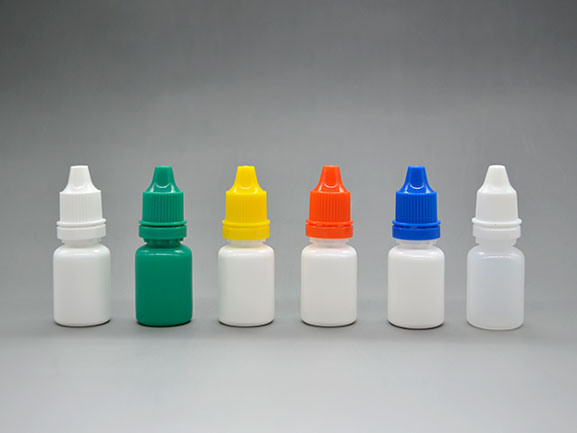
FDA warns consumers about potential risks of using eye drops packaged in bottles with loose safety seals

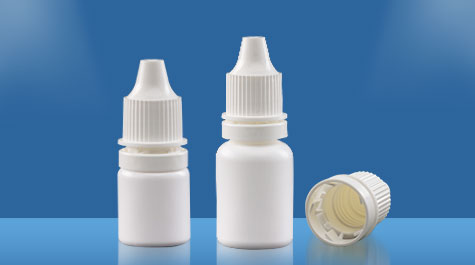
eye drop bottles

Appearance and identification: The eye drop bottle must first have an intact appearance without obvious foreign matter or defects. At the same time, the uniqueness and identifiability of the product are ensured through labeling and packaging to avoid confusion.

Density and sealing: The density test of the eye drop bottle ensures that the bottle material meets the requirements, while the sealing test ensures that it does not leak during use to avoid contamination and waste of the liquid medicine.

Drip volume and visible foreign matter: The accurate control of the drip volume directly affects the dosage of the liquid medicine, while the detection of visible foreign matter eliminates any impurities that may affect the clarity and safety of the liquid medicine.

Dissolution test: Including the detection of clarity, pH change, oxidizable substances, heavy metals, absorbance and non-volatile substances to evaluate the stability and safety of the liquid medicine in the bottle.

Ignition residue and n-hexane non-volatile matter: Ensure the compliance of the residue after the bottle is burned under specific conditions, and exclude the possible contamination of the non-volatile matter on the liquid medicine.

Decolorization test and microbial limit: The decolorization test detects the effect of the bottle material on the photostability of the liquid medicine, and the microbial limit ensures the sterility of the bottle before and after use.

Biological test: Biological tests include abnormal toxicity and eye irritation tests. The abnormal toxicity test ensures that the bottle material will not have adverse reactions or toxic effects on the human body; the eye irritation test evaluates the irritation reaction that may be caused by the liquid medicine contacting the eyes.

Through the above series of strict testing items, the manufacturers and users of eye drop bottles can ensure the quality and safety of the products, thereby effectively ensuring the effect of eye drug administration and the health of users. These testing items not only meet the requirements of the standards, but also reflect the high requirements and challenges of pharmaceutical processes and technologies, providing reliable protection for eye health.

2021年4月16日星期五

Eye drop bottle purchase attention

 Eye drops are commonly used drugs in ophthalmology. A bottle of high-quality eye drops requires a high-quality eye drop bottle to protect it. Pharmaceutical companies can consider the following aspects when purchasing eye drop bottles.


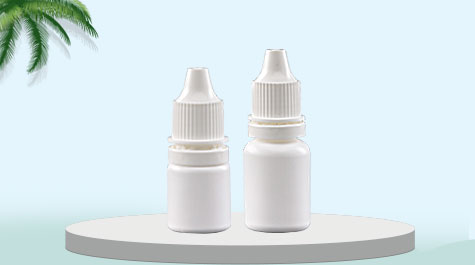
Eye drop bottle purchase attention

eye dropper bottle


1. No matter what raw material you choose, the eye drop bottle must first meet the requirements of non-toxicity and no peculiar smell. The low-density polyethylene (LDPE), polyester (PET) and other materials we see daily can be used as eye drop bottles Based on the raw materials of the drug, the appropriate materials can be selected according to the properties of the drug to better meet its demand for packaging.

2. The airtightness and water vapor permeability of the bottle body and cap. Tightness and water vapor permeability are two important technical indicators of plastic bottles. They have a vital impact on the stability of the packaged product. Pharmaceutical companies need to pay attention to these two indicators when purchasing eye drop bottles.

3. Product quality standards for eye drops. The product quality can be analyzed and judged from the manufacturer's product quality standards, which is convenient for pharmaceutical companies to make correct judgments.

4. Quality assurance system. Auditing suppliers has become an essential part of purchasing eye drop bottles. Through the audit, a comprehensive and correct assessment of the manufacturer's software and hardware facilities, technical equipment, and comprehensive quality level can be made. High-quality manufacturers are more secure in terms of product quality, delivery cycle, and later service.

Eye drops are essential medicines to protect eye health. Pay attention to the importance of eye drops bottles. Choosing high-quality pharmaceutical packaging is a necessary condition to ensure eye health.

2021年3月11日星期四

Comparison of safety items of eye drop bottles at home and abroad

 With the rapid increase in the demand for eye use, eye drops have become a must-have item for many people. As a high-risk route of administration, eye drops have very strict pharmaceutocal packaging requirements. There are differences in the standards for eye drop bottles at home and abroad. The differences in safety items are mainly reflected in clarity, burning residue, N-ethane non-volatile matter, easy to oxidize, and eye irritation test.


Comparison of safety items of eye drop bottles at home and abroad

eye dropper bottle

Compared with foreign pharmacopoeias, some items in the YBB standard have higher requirements, such as heavy metals, n-ethane nonvolatiles, ultraviolet absorbance, etc., adding biological test items such as microbial limit, sterility, abnormal toxicity, and eye irritation tests. According to the relevant requirements of the 2015 edition of the Chinese Pharmacopoeia, eye drops should be sterile products. Through these items, the degree of microbial contamination of the drug packaging materials can be checked. In addition, the preclinical safety evaluation of ophthalmic drugs must first evaluate the ocular irritation; therefore, in order to investigate the toxicity introduced during the production process, it is necessary to detect the ocular irritation.

In the ignition residue inspection items, the YBB standard stipulates different limit requirements based on the two types of sunscreen and no sunscreen, which is more reasonable than the United States Pharmacopoeia. In terms of easy oxide detection, the content specified in the YBB standard shall not exceed 1.5ml, which is too loose compared with the 0.5ml regulation in the European Pharmacopoeia.

Although there are certain differences in individual test items, there is no doubt about the degree of attention paid to the quality of eye drop bottles at home and abroad, and there is room for improvement in the improvement of standards.


2021年2月19日星期五

What are the differences between domestic and foreign standards for medicinal eye drop bottles

 Pharmaceutical packaging is a powerful guarantee to ensure the quality of medicines and maintain their efficacy, and is an indispensable part of the circulation of medicines. As a container that directly contacts drugs, drug packaging requires industry standards to regulate its production quality, and eye drop bottles are no exception. Eye drops are a high-risk route of drug administration, and their packaging requirements are more stringent. So what are the differences between domestic and foreign standards for eye drop bottles?

What are the differences between domestic and foreign standards for medicinal eye drop bottles

eye dropper bottle

At present, the standards implemented for low-density polyethylene medical eye drops bottles are the national drug packaging (container) material standards promulgated by the State Food and Drug Administration, YBB00062000 and the 2015 version of the national drug packaging material standard YBB0062002-2015. This standard is only applicable For multi-dose eye drop bottles, the standard for single-dose eye drop bottles is mostly corporate standards. In the domestic standard, the appearance, tightness, dripping volume, dissolution test, clarity, clarity, easy oxidation, PH value change, heavy metals, non-volatile matter, ignition residue, and decolorization test of eye drop bottles , Microbial limits, etc. have specific requirements.

Although the United States Pharmacopoeia (USP) and European Pharmacopoeia (EP) do not directly stipulate the quality standards of eye drop bottles, there are relevant regulations for polyethylene plastic packaging materials in the general rules. Compared with China's eye drop bottle standards, the United States and European Pharmacopoeia have no special requirements on the amount of eye drop bottle dripping, pH change, and eye irritation test. However, there are no special requirements for aluminum, chromium, titanium, vanadium, zinc, and zirconium. The content has standard requirements, and other items are not much different.

Through the comparison of the quality standards of eye drop bottles at home and abroad, it is not difficult to see that the domestic packaging standards are already very standardized and can fully meet the packaging needs of the domestic pharmaceutical industry. Among them, there are many pharmaceutical packaging materials companies that are going to the international stage. It is believed that with the continuous innovation and improvement of my country's packaging processing technology, the domestic pharmaceutical packaging standards will be in line with international standards and help the internationalization of Chinese pharmaceutical companies' brands.


2021年1月27日星期三

Microbial Limit Test of Eye Drop Bottle

 The microbial limit inspection method is a method to inspect the degree of microbial contamination of non-specified sterilized preparations and their raw materials and auxiliary materials. The inspection items include the number of bacteria, molds, yeasts and control bacteria. At present, most pharmaceutical packaging has specific regulations on microbial limits, and eye drop bottles used as eye medications are no exception. So, how to detect the microbial limit of the eye drop bottle? How is it required in relevant industry standards?

Microbial Limit Test of Eye Drop Bottle

eye dropper bottle

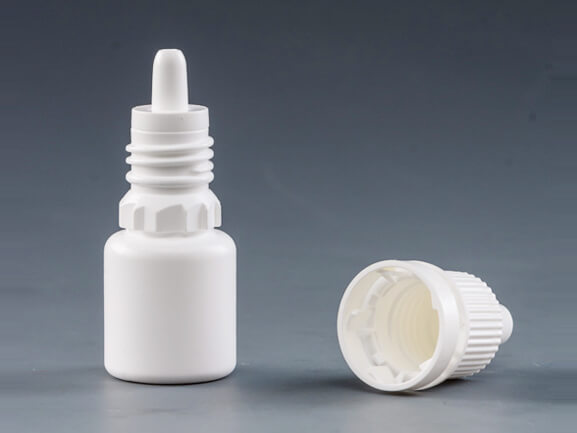
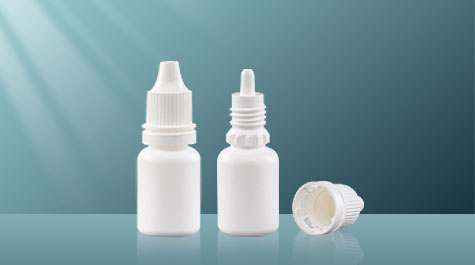
The eye drop bottle consists of a bottle body, an inner stopper and a bottle cap. The specification is generally 5ml-100ml, and the material is mostly low-density polyethylene.

According to the relevant standards of "YBB20072012 Low Density Polyethylene Medical Eye Drop Bottles", the microbial limit detection follows the following methods and standards: Take several test bottles, add 1/2 nominal volume of sodium chloride injection, and tighten the cap , Shake for 1 minute to get the test solution. The test solution shall be tested in accordance with the law after membrane filtration (Chinese Pharmacopoeia 2010 Edition Two Appendix XIJ). Bacteria must not exceed 100cfu per bottle, molds and yeasts must not be detected, Staphylococcus aureus must not be detected, and Pseudomonas aeruginosa must not be detected. Check out.

Whether the microbial limit meets the standard is related to the quality of the eye drop bottle. If the unqualified product is used in the medicine, it will not only pollute the medicine, but also seriously affect the health of the patient. The importance of pharmaceutical packaging cannot be ignored, and pharmaceutical packaging material manufacturers should strictly control the quality to protect the safety of drugs.

2021年1月11日星期一

Increased demand for ophthalmic treatment

 The eye is one of the important sensory organs of the human body. With the changes in technology and lifestyle, the incidence of various eye diseases is gradually increasing. Relevant data shows that the number of myopia in Chinese adolescents is estimated to be about 100 million, the number of adult myopia is 450 million, and the number of macular fundus diseases is about 64 million. The incidence of various eye diseases such as cataract, glaucoma, and dry eye is increasing year by year. The sharp increase in demand for treatment has led to rapid growth in the ophthalmology market.

Increased demand for ophthalmic treatment

eye dropper bottles

According to statistics from the China Commercial Industry Research Institute, the scale of China's ophthalmology market has grown from 46.77 billion yuan in 2013 to 97.97 billion yuan in 2018, with a compound annual growth rate of 17%. With the upgrading of high-tech, consumption upgrades, increased ocular morbidity and increased patient self-diagnosis awareness, it is estimated that the size of the Chinese ophthalmology market has exceeded 100 billion yuan, and the compound annual growth rate of the market size in the next five years is expected to remain at 13%- Around 15%. The most common medicine to treat eye diseases is eye drops, and the large-scale growth of the ophthalmology market will inevitably stimulate the development of the packaging industry chain for eye medicines such as eye drop bottles.

The pharmaceutical packaging of medicines is an important means of competition for medicines, especially OTC products, especially for eye drop bottles. The overall appearance and practicality of the eye drop bottle will affect the sales of the drug. The scale of the ophthalmology market of hundreds of billions is both an opportunity and a challenge. How to seize the industry opportunities and occupy a place in the fierce market competition is worthy of consideration by many pharmaceutical companies.