显示标签为“eye drop bottle”的博文。显示所有博文

2024年7月18日星期四

What are the inspection items for eye drop bottles

 As an important tool for eye medication, the quality of eye drop bottles is directly related to the user's vision health and safety. According to the standard YBB00062002-2015 "Low-density polyethylene eye drop bottles", the inspection items of eye drop bottles include the following:
FDA warns consumers about potential risks of using eye drops packaged in bottles with loose safety seals

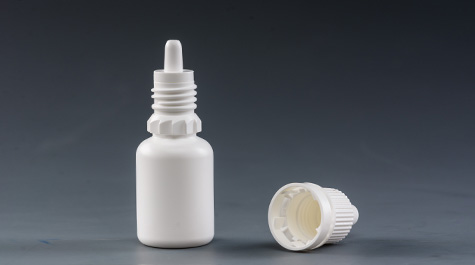
eye drop bottles

Appearance and identification: The eye drop bottle must first have an intact appearance without obvious foreign matter or defects. At the same time, the uniqueness and identifiability of the product are ensured through labeling and packaging to avoid confusion.

Density and sealing: The density test of the eye drop bottle ensures that the bottle material meets the requirements, while the sealing test ensures that it does not leak during use to avoid contamination and waste of the liquid medicine.

Drip volume and visible foreign matter: The accurate control of the drip volume directly affects the dosage of the liquid medicine, while the detection of visible foreign matter eliminates any impurities that may affect the clarity and safety of the liquid medicine.

Dissolution test: Including the detection of clarity, pH change, oxidizable substances, heavy metals, absorbance and non-volatile substances to evaluate the stability and safety of the liquid medicine in the bottle.

Ignition residue and n-hexane non-volatile matter: Ensure the compliance of the residue after the bottle is burned under specific conditions, and exclude the possible contamination of the non-volatile matter on the liquid medicine.

Decolorization test and microbial limit: The decolorization test detects the effect of the bottle material on the photostability of the liquid medicine, and the microbial limit ensures the sterility of the bottle before and after use.

Biological test: Biological tests include abnormal toxicity and eye irritation tests. The abnormal toxicity test ensures that the bottle material will not have adverse reactions or toxic effects on the human body; the eye irritation test evaluates the irritation reaction that may be caused by the liquid medicine contacting the eyes.

Through the above series of strict testing items, the manufacturers and users of eye drop bottles can ensure the quality and safety of the products, thereby effectively ensuring the effect of eye drug administration and the health of users. These testing items not only meet the requirements of the standards, but also reflect the high requirements and challenges of pharmaceutical processes and technologies, providing reliable protection for eye health.

2023年12月3日星期日

Decolorization test of eye drop bottles

 Eye drop bottles are an important packaging form for ophthalmic drugs. Since they are in direct contact with the eyes, their quality and safety are particularly important. The decolorization test is an important test item in their quality standards.


Structure design of eye drop bottle

5ml eye dropper bottle


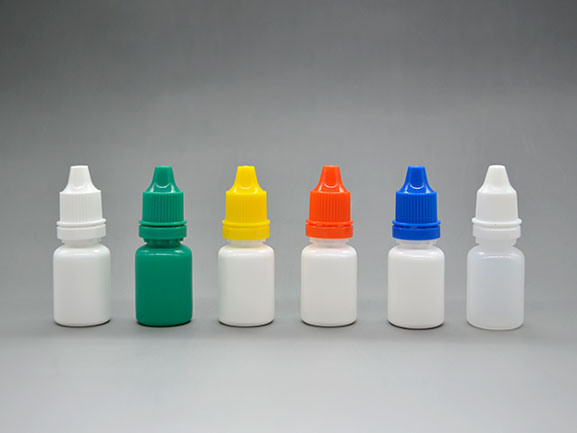
Eye drop bottles are usually made of low-density polyethylene (LDPE) raw materials, which have excellent physical properties and chemical stability. The decolorization experiment is mainly aimed at packaging with colored plastic materials. Its purpose is to detect whether there is a migration risk of colorants and to avoid contamination of drugs due to migration of colorants, which may affect drug treatment effects and even patient health. Therefore, decolorization experimental testing of packaging containing colorants has become the key to ensuring drug safety.

In the YBB00062002-2015 "Low Density Polyethylene Medicinal Eye Drop Bottles" standard, the operations and requirements for the decolorization test are as follows: Take 50 c of the entire part of the product into 2cmx0.3cm small pieces, and place three stoppered cones respectively. In the bottle, add 4% acetic acid solution (60C+2C), 65% ethanol solution (25C+2C), and n-hexane (25C+2C) 50ml each, soak for 2 hours, and use the same batch of 4% acetic acid solution and 65% alcohol solution. , n-hexane is used as the blank liquid, and the color of the soaking liquid should not be too deep.

In short, eye drop bottles are special packaging for ophthalmic drugs, and their quality and safety are crucial to the efficacy of the drugs and the health of patients. Conducting decolorization tests is an important measure to ensure drug quality and medication safety. It is also an important guarantee to improve product quality and safety and ensure medication safety for ophthalmic patients.


2021年11月14日星期日

Why eye drops bottle can only be used for four weeks after opening

 Eye drops occupies an important position in ophthalmic drugs and are a very common type of drug. Any medicine has a validity period. The validity period of eye drops is generally 1-3 years. If the eye drops bottle is opened, the validity period of the medicine is only four weeks.


Why eye drops bottle can only be used for four weeks after opening

eye dropper bottle


The 1-3 year validity period marked on the eye drop bottle packaging refers to the time when the package is unopened. The "People's Republic of China Pharmacopoeia" stipulates that "ophthalmic preparations can be used for up to 4 weeks after being used", even if the drug is still within the validity period. Inside, the eye drops can only be used for up to 4 weeks after opening.

This is because once the eye drops are opened, they are easy to come into contact with microorganisms and tears during storage and use, leading to drug contamination. Under normal circumstances, each eye drop will be available after opening in the manual [Precautions] Maximum time used. Some drugs can be used for less than 4 weeks after opening, and the specific instructions shall prevail. Patients are advised to indicate the opening time on the package after opening the eye drops to avoid expiration and deterioration.

Of course, there are some special cases. If it is a small package of eye drops without preservatives, it will not have any resistance to bacteria and viruses floating in the air after opening. Each small bottle is only used for one time. Open the eye drops bottle After that, it can only be used once, and it needs to be discarded after the medication is finished

2021年10月18日星期一

Features of eye drops bottle

 With the development of technology and the transformation of people's working methods, eye diseases are more common, and the demand for ophthalmic drugs is also rising, which will drive the market growth of eye drop bottles. what are the characteristics of the eye drop bottles?


Features of eye drops bottle

5ml eye dropper bottle


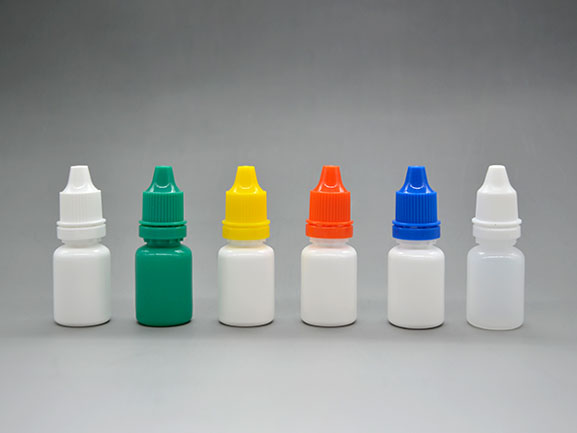
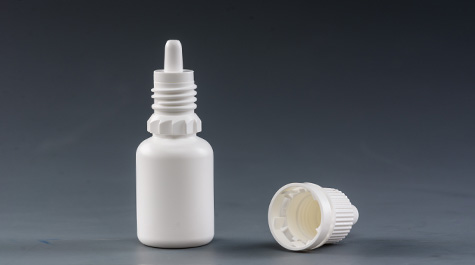
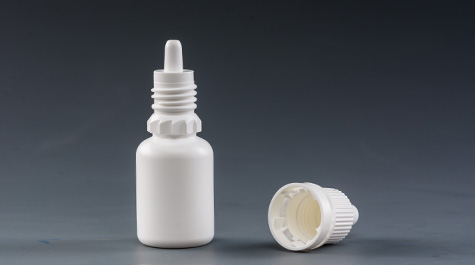
The eye drop bottle is the main packaging of ophthalmic drugs. It is composed of a cap, a nozzle and a bottle body. It is generally processed from low-density polyethylene raw materials. It has good flexibility, extensibility, easy processing, and corrosion resistance. Wait. It is a kind of packaging container with convenient use and good sealing performance.

2021年7月21日星期三

The quality control points of eye drop bottles

 With the prevalence of electronic products, the incidence of various ophthalmic diseases such as glaucoma, cataracts, and dry eye disease remains high. Eye drops are commonly used drugs in ophthalmology. The product quality of eye drop bottles will directly affect the safety and safety of the drugs. Stability, therefore, controlling the quality of packaging is of great significance to the safety of patients' medication.


The quality control points of eye drop bottles

5ml eye dropper bottle]


Manufacturers of eye drops should select appropriate eye drop bottles in accordance with the barrier properties of packaging materials and the packaging form of the drug, taking into account other factors such as transparency, aesthetics, ease of use, and economics. Quality control mainly considers the following aspects:

1. The eye drops themselves should have a certain degree of stability during storage and use.

2. The packaging materials of medicines must not contain substances that may affect the medicines during use.

3. Due to the difference in eye drop bottle packaging materials, container formulations, selected raw and auxiliary materials, and production processes, some components may be dissolved out by the drugs in contact, or interact with drugs, or be immersed and corroded by drugs for a long time Directly affect the quality of medicines.

4. If the plastic bottle is made with improper dosage, the migration of its trace components will change the medicinal effect of the medicine, and even endanger the health of the person taking the medicine.

5. The pharmaceutical packaging material and the packaged drugs must not react in a chemical or biological sense.