显示标签为“child proof bottles”的博文。显示所有博文

2024年8月26日星期一

Child-resistant caps for oral preparations: Reduce the chance of children taking medications by mistake

 In our daily lives, we frequently encounter instances where children accidentally ingest medications, which can pose significant risks to their health and safety. To address this concern, child resistant packaging is import for pharmaceuticals. Child-resistant caps for oral dosage forms have been developed. These specially designed lids feature an inner and outer double-layer structure, which makes them more challenging to open and effectively prevents children from inadvertently accessing the medication.
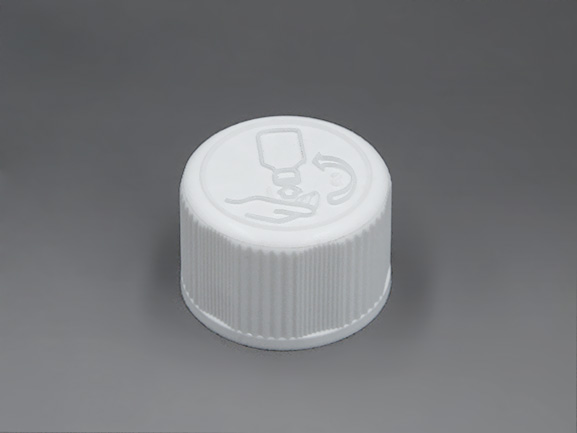
The innovative design of oral liquid bottle cap 

28mm child resistant cap for liquid

Design Principle:

The design of child resistant caps for oral preparations is primarily based on this inner and outer double-layer structure. The outer cover and inner cover are connected through a slot, requiring users to press down and rotate in two directions simultaneously to open the lid. This mechanism increases the difficulty of opening, as children typically lack the strength and dexterity needed to manipulate such a design, thereby significantly reducing the likelihood of accidental ingestion.
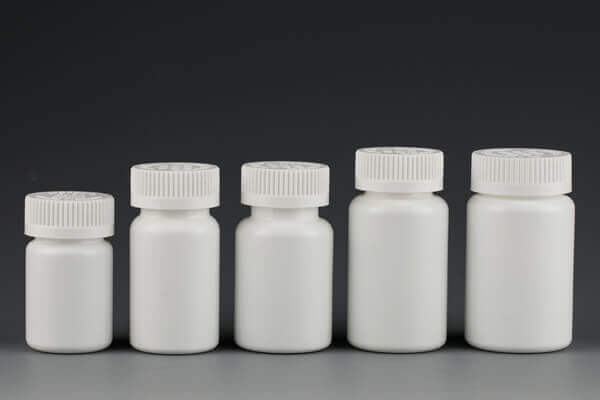
Preventing children from opening the bottle can effectively reduce the risk of children accidentally ingesting drugs

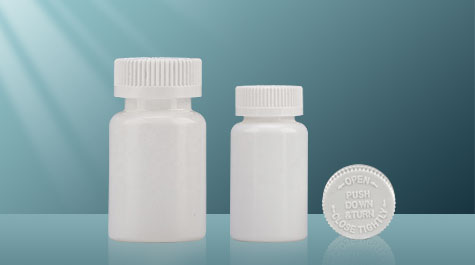
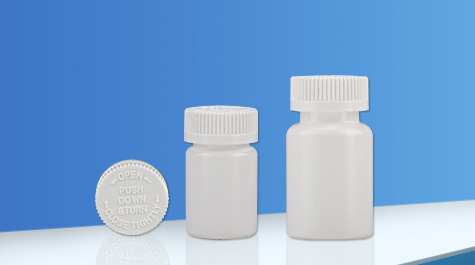
HDPE bottle with child resistant closure

Practical Applications:

Child-resiostant caps for oral preparations have demonstrated remarkable effectiveness in practical applications. They can be utilized with both glass and plastic bottles and are commonly used for packaging oral medications such as ibuprofen suspension, acetaminophen, ambrofenol oral solution, and ambroxol hydrochloride oral solution. Additionally, when used for solid medications, these lids often include a small silo to hold a desiccant, which helps maintain the stability of the internal environment of the package.
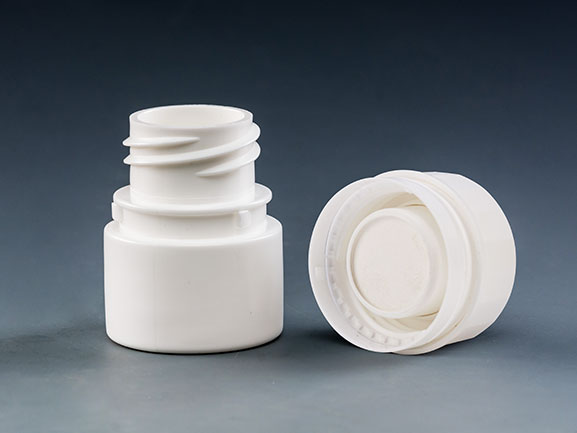
Child-resistant caps for oral preparations: Reduce the chance of children taking medications by mistake

Child Resistant Cap with Desiccant for HDPE Container


In summary, child resistant caps for oral preparations serve as an effective measure to prevent accidental ingestion of medications by children. Their innovative inner and outer double-layer design enhances the difficulty of opening, thereby safeguarding children from potential harm. However, it remains essential for parents to practice proper drug management to ensure the ongoing health and safety of their children.

2021年6月29日星期二

Choose a tablet medicine bottle to master these four principles

 The tablet medicine bottle is mainly used for the packaging of solid medicines such as sustained-release tablets and dispersible tablets. There are various styles and shapes according to the material of the bottle and the different packaging requirements of the medicine. Appropriate packaging can ensure a good storage state of the drug and ensure the stability of the drug effect within the validity period. How to choose the right packaging for tablets?


Choose a tablet medicine bottle to master these four principles

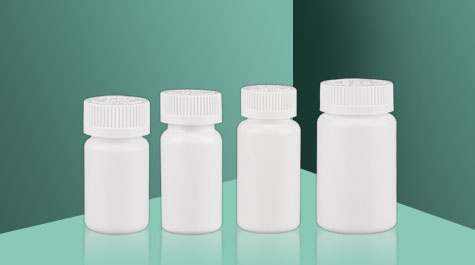
Child proof bottle


At present, the tablet and medicine bottles on the market are mainly made of plastic materials such as polyethylene, polypropylene, polyester, etc. The following four aspects can be considered when choosing:

1. Production materials

The raw materials of pharmaceutical packaging must meet the requirements of non-toxic and odor-free. There are many types of raw materials available on the market, which requires evaluation of the comprehensive performance of the raw materials. Generally, high-density polyethylene and polypropylene raw materials are selected for tablets. You can choose PET raw materials if the transparency of the bottle is required.


Choose a tablet medicine bottle to master these four principles

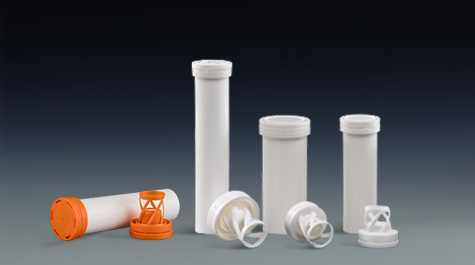
effervescent tablet tube

2. Tightness and permeability

Tightness and water vapor permeability are two important technical indicators of pharmaceutical plastic bottles such as tablet medicine bottles, which play a vital role in the stability of the drug inside.

3. Stability and compatibility

For the selection of packaging for tablets, especially for new drugs, a loading test should be carried out first to examine the stability of the loading and the compatibility between the packaging and the drug. The mutual penetration, dissolution, adsorption, chemical reaction, and denaturation of drugs and packaging materials must be determined through scientific testing.

4. Product quality standards

From the manufacturer’s product quality standards, the pros and cons of product quality can be analyzed and judged, and the comprehensive strength of the manufacturer can also be reflected from the side.

The choice of tablet medicine bottle can be comprehensively considered from the above four aspects, and the above principles are also applicable to the choice of other pharmaceutical packaging.

2021年5月11日星期二

How to achieve aseptic requirements for high-density polyethylene bottles?

Medicine bottles are an important part of the circulation of medicines. The common pharmaceutical packaging is mainly plastic bottles and PTP aluminum foil, especially high-density polyethylene bottles, which can be used for the packaging of solid and liquid medicines. As a special commodity, medicine has high requirements for packaging, and sterility is the most basic condition. So, how can high-density polyethylene bottles meet the requirements for sterility?

Aseptic packaging is a method of sterilizing packaging in a sterile environment using instant ultra-high temperature sterilization technology. The sterile high-density polyethylene bottle can better maintain the ingredients of the medicine, extend the shelf life, inhibit bacterial contamination, and ensure the safety of medication. If the package contains bacteria, it will greatly shorten the shelf life of the medicine, seriously affect the efficacy of the medicine, and even cause a safety accident of the medicine. Therefore, the sterility of the drug package is the focus of the pharmaceutical companies.


How to achieve aseptic requirements for high-density polyethylene bottles

child proof bottle


The sterility of high-density polyethylene bottles must first be derived from the sterility of the production environment. According to GMP requirements, the production of pharmaceutical packaging materials must be completed in a clean workshop. The clean workshop has Pressure difference, illuminance, noise, etc. have strict standards. From the production process to sorting to packaging, they must be strictly controlled to ensure that the entire production process is carried out in a sterile space.

Secondly, high-density polyethylene bottles will undergo secondary sterilization after the production is completed. The main sterilization methods used are ethylene oxide sterilization or cobalt 60 sterilization to ensure that they meet the requirements of the industry standard for microbial limits ( Inspect according to law (Chinese Pharmacopoeia 2015 Edition General Rules 1105, 1106), the number of bacteria must not exceed 1000cfu per bottle, the number of molds and yeasts must not exceed 100cfu per bottle, and each bottle of Escherichia coli must not be detected).

It is not a separate action for high-density polyethylene bottles to achieve aseptic requirements. It needs to be strictly controlled from the production environment, packaging, sterilization and other links in order to achieve true sterility. With the substantial increase in the production standards of the pharmaceutical industry, the industry's requirements for aseptic packaging will become higher and higher.


2021年4月28日星期三

Which drugs need to prevent children from opening the bottle

 "Child-resistant bottles are also called CRC (Child-Resistant Cap) packaging, which originated in the United States in 1970. The "Poison Prevention Packaging Act" (PPPA) stipulates that products harmful to children must be packaged in child-safe packaging, specifically related to drugs Dietary supplement products include the following categories:


Which drugs need to prevent children from opening the bottle

child proof bottle


1. The following human products intended for oral administration: aspirin; prescription drugs and controlled drugs; products containing more than 1 gram of acetaminophen, products containing 1 gram or more of ibuprofen; containing more than 66 mg of diphenhydramine base Equivalent products; and products containing more than 0.045 mg loperamide;

2. The liquid product contains more than 5% of methyl salicylate;

3. For liquids containing 250 mg or more of elemental iron, the concentration is 0.025% or higher by weight/volume; for non-liquids, the concentration is 0.05% or higher by weight/weight;

4. Products containing more than 5 mg lidocaine or 0.5 mg of dibucaine; e) human products containing 250 mg or more of naproxen or 50 mg of ketoprofen;

5. Fluoride-containing products and ethanol-containing mouthwashes. (See the description above.);

6. Human products containing more than 14 mg of minoxidil;

7. Any dosage form that can be taken orally on over-the-counter medicines (OTC), and any medicine containing active ingredients previously only available through prescription.

8. Products containing imidazoline equal to or greater than 0.08 mg.

The above is the US Poison Prevention Packaging Act" for drugs and dietary supplement products that must be bottle-proof for children to open. In addition, it also includes containers containing liquid nicotine, chemicals and cosmetics.


Source: US Consumer Product Safety Commission

2021年4月27日星期二

Application of High Density Polyethylene Bottle in Medicine Packaging

With the continuous improvement of various production processes, HDPE raw materials are processed into various forms of high-density polyethylene bottles and used in various industries. Among many applications, pharmaceutical packaging is a relatively special field.


Application of High Density Polyethylene Bottle in Medicine Packaging

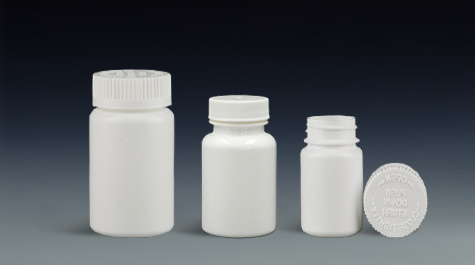
60ml HDPE pill bottle with crc


High-density polyethylene is non-toxic, odorless, feels like wax, has excellent low temperature performance, can be used in an environment of -70-100 ℃, is resistant to most acids and alkalis, has good flexibility, and is light and not fragile. . Pharmaceutical packaging is generally divided into two categories: solid and liquid. High-density polyethylene bottles can be used as packaging for solid medicines and liquid medicines. Some liquid medicines are easy to decompose when exposed to light, and will be made into brown bottles by adding color masterbatch to the raw materials to better protect the medicines. Solid medicines are easily deteriorated by moisture, so high-density polyethylene bottles used for solid medicine packaging will add a desiccant to the bottle to maintain the dryness of the environment in the bottle and protect the stability of the medicine.

HDPE pills bottle plays an important role in the safety and effectiveness of drugs. For high-density polyethylene bottles for solid and liquid pharmaceutical packaging, the industry has also formulated corresponding quality standards to determine the appearance, dissolution, drop resistance, and abnormality of the bottles. Toxicity and other indicators and testing methods have been specified in detail to ensure that the packaging quality meets the standard requirements.

High-density polyethylene bottles are currently one of the common packaging in the pharmaceutical industry. In addition, polyester bottles, polypropylene bottles and other polymer material packaging also have a certain range of applications in the field of pharmaceutical packaging. Whether there will be more innovative packaging in the future, we will wait and see.

2021年4月13日星期二

The mouth design of HDPE pill bottles should pay attention to these details

High-density polyethylene bottles are more common in pharmaceutical packaging, such as tablets, capsules, oral liquids and other drugs will choose this packaging. In the bottle design, pharmaceutical companies generally pay attention to whether the appearance is beautiful, whether it can meet the characteristics of the drug and storage needs. In fact, the design of the mouth of the high-density polyethylene bottle is also very important.

The mouth design of HDPE pill bottles should pay attention to these details

HDPE bottle for pharmaceutical


The appearance of high-density polyethylene bottles is the first impression of consumers, the epitome of brand image, and the primary factor that pharmaceutical companies pay attention to. There are also some more strict manufacturers who will evaluate the grip of the bottle and the convenience of use. In fact, the design of the bottle mouth is also related to many problems.

The first is the size of the caliber of the high-density polyethylene bottle, which is directly related to the convenience of consumers. For example, the mouth of the oral liquid bottle is too large, it is easy to spill when the liquid is poured, and the mouth is too small and not It is conducive to filling, so a reasonable bottle caliber is very important.

On the other hand is the standard issue of caliber. The high-density polyethylene bottle has a uniform caliber, which is conducive to the matching of caps and is suitable for the production of industrialized manufacturers. In addition, it also involves the sealing problem of the bottle mouth. A reasonable bottle mouth design is conducive to the attachment of the sealing film and can make the sealing of the package more reliable.

In summary, not only high-density polyethylene bottles, pharmaceutical packaging material manufacturers should also pay more attention to the design of the bottle mouth when producing other medical plastic bottles to improve the overall quality of the product.