显示标签为“cow mastitis syringe”的博文。显示所有博文

2023年6月26日星期一

Cow Mastitis Drug Packaging-Intramammary Syringe

 Cow mastitis is a common disease in dairy farming and requires medical treatment to relieve symptoms and restore health. Due to the special site of administration, cow mastitis drugs are often packaged in intramammary syringes.
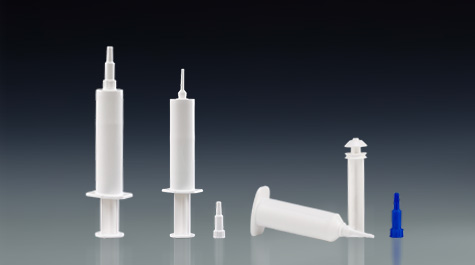
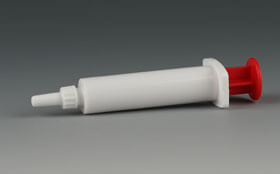
The role of intramammary tube in the treatment of dairy cow endometritis

intramammary syringe


Printing method for intramammary syringes

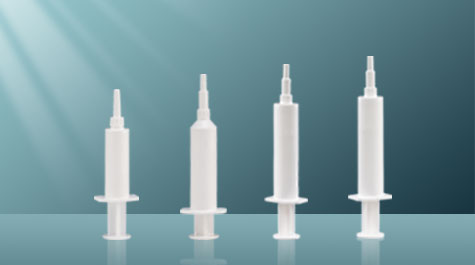
5ml syringe for cow mastitis


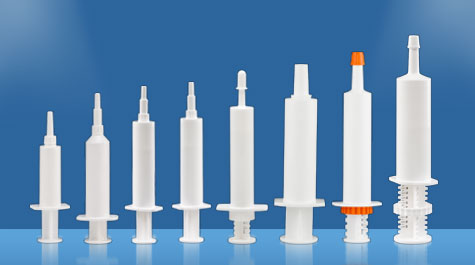
The plastic syringe has two functions of drug storage and administration, and it can maintain the airtightness of the overall package under the action of the protective cap and the push rod. Open the protective cap, push the push rod, and it turns into a drug delivery tool, which is very convenient to operate. The common specifications of this kind of packaging are 5ml, 8ml, 10ml, 13ml, etc., and can also be customized according to your needs. The unique design can avoid contamination and cross-infection, and ensure the purity and effect of the drug, which has a good guarantee for the treatment of dairy cows.

Taken together, intramammary syringes, as a packaging method for cow mastitis drugs, have the characteristics of safety, convenience, and waste reduction. In addition, this kind of packaging is also used in cockroach medicine, uterine infusion medicine, pet nutrition cream and so on.

2021年7月21日星期三

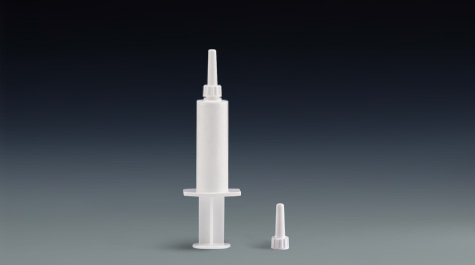
The characteristics of two kinds of protective caps of cow syringe

 Mastitis is a common and frequently-occurring disease in dairy cows, especially during the dry period. Using a cow syringe for udder perfusion treatment is an effective treatment method. Its protective caps are divided into breakable and non-breakable. What are the characteristics of these two types?


The characteristics of two kinds of protective caps of cow syringe

5ml syringe for cow mastitis


Dairy cow mastitis is mostly recessive, the initial symptoms are not obvious, and it is difficult to find during production, so it is easy to delay the optimal treatment period, which leads to the lack of high-stage lactation performance in milk cows within 2-3 months after delivery. Full performance, severely cause the lactating cows to lose milking ability and be eliminated. Production statistics show that mastitis during the dry period will cause more than 25% of the lactation loss in the next lactation period.
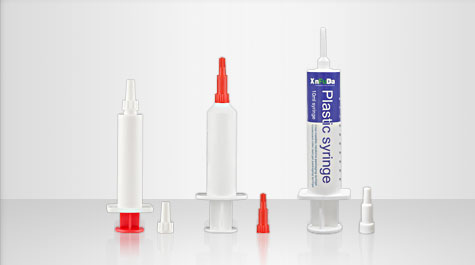
The cow syringe is composed of a pipe sleeve, a push rod, a piston, a protective cap and other structures, and the protective cap has two forms: breakable and non-breakable. The breakable protective cap enters the cow's udder shallowly, can maintain the integrity of the nipple tube, and minimize the entry of bacteria into the gland. The non-breakable protective cap goes deeper into the breast, stretches the sphincter muscles, expands the nipple duct, and is easier to introduce bacteria.
The above is the difference between the breakable cap and the non-breakable cap of the cow udder perfusion device. In general, to reduce the bacterial contamination of the cow udder, the operator should perform strict disinfection before the udder injector to reduce the probability of infection from the root cause
.

2021年3月29日星期一

Prevention and treatment of common dairy cow diseases is still the focus

With the continuous improvement of people's living standards, the people's awareness of the consumption of dairy products is getting stronger and stronger, which in turn promotes the development of the entire dairy industry. The dairy farming industry is at the upstream of the dairy industry chain, and good management of the farms is the basis for ensuring the healthy development of the dairy industry. Promoted by various large-scale breeding policies, the prevention of dairy cow diseases is still an important factor restricting the development of dairy cattle breeding.


Prevention and treatment of common dairy cow diseases is still the focus

intramammary syringe

The large-scale breeding model has promoted the improvement of the informatization, automation, and intelligence of dairy cow breeding, and the breeding efficiency has also improved. However, common diseases such as dairy cow mastitis and endometritis occur frequently, which seriously affects the economic benefits of farms. Mastitis can cause inflammation and swelling of the cow's mammary glands, which greatly reduces milk production. Endometritis occurs mostly after delivery, which can cause reproductive problems in dairy cows, increase the empty time of dairy cows, and cause a huge loss of milk production at the same time. Therefore, it is particularly important to prevent and control common dairy cow diseases.

The causes of cow mastitis and endometritis are closely related to the environment of the cow house. Farms should pay attention to the timely cleaning of feces in peacetime, and clean and disinfect the environment of the cow house to reduce the incidence. On the other hand, pay attention to observe the basic condition of dairy cows, and find that effective treatment measures should be taken promptly after the onset of the disease. For example, medication through the perfusion device has a good cure effect in the application of dairy cow mastitis and endometritis.

At present, the consumption demand of China's milk market is still expanding, so the future development of my country's dairy cattle breeding industry is still considerable. Large-scale breeding is the only way for the development of dairy cattle breeding. Doing a good job in the prevention and treatment of common diseases can fundamentally improve the economic benefits of breeding. Veterinary syringe will also play an important role in the treatment of common diseases in dairy cows.

2021年3月15日星期一

Cow endometritis treatment

 Dairy cow endometritis is a common reproductive disorder in the dairy farming industry. It not only affects the reproductive ability of dairy cows, but also causes a decrease in milk production. It can even induce diseases such as dairy cow mastitis, and bring huge economic losses to farmers. A good therapeutic effect can be achieved by using a veterinary syringe and a catheter to treat the uterus such as pharmaceutical preparations.

Cow endometritis treatment

syringe for cow mastitis

According to statistics, about 50% of the cows eliminated each year are caused by endometritis. Inadequate disinfection during delivery or dystocia, careless cleaning and disinfection of the cow's vulva, unclean cow houses, poor sanitation, and the intrusion of certain infectious disease pathogens into the reproductive system of cows can all cause cow endometritis. The key to treatment is to control infection, eliminate inflammation and promote the excretion of pathological secretions in the uterine cavity, and perform symptomatic treatment according to the severity of the disease.

The perfusion device is a new type of drug delivery device that integrates the functions of drug storage and injection. It is composed of a tube sleeve, a push rod, a piston, a protective cap or a positioning ring. When in use, the protective cap is opened, the drug delivery end is connected to the catheter, and the drug is inserted into the cow's uterus for drug delivery. This treatment method is simple to operate, less irritating to the cow, reduces drug pollution, and is safer and more effective.

The functionality and convenience of the packaging are the key to helping the product win the market. The perfusion device is not only used in the treatment of cow endometritis, but also in the treatment of cow mastitis, pet syringe nutrition cream, and cockroach-killing gel syringe. Wide range of applications.


2021年3月8日星期一

Cow endometritis treatment

 Dairy cow endometritis is a common reproductive disorder in the dairy farming industry. It not only affects the reproductive ability of dairy cows, but also causes a decrease in milk production. It can even induce diseases such as dairy cow mastitis, and bring huge economic losses to farmers. A good therapeutic effect can be achieved by using a veterinary syringe and a catheter to treat the uterus such as pharmaceutical preparations.

Cow endometritis treatment

syringe for cow mastitis

According to statistics, about 50% of the cows eliminated each year are caused by endometritis. Inadequate disinfection during delivery or dystocia, careless cleaning and disinfection of the cow's vulva, unclean cow houses, poor sanitation, and the intrusion of certain infectious disease pathogens into the reproductive system of cows can all cause cow endometritis. The key to treatment is to control infection, eliminate inflammation and promote the excretion of pathological secretions in the uterine cavity, and perform symptomatic treatment according to the severity of the disease.

The perfusion device is a new type of drug delivery device that integrates the functions of drug storage and injection. It is composed of a tube sleeve, a push rod, a piston, a protective cap or a positioning ring. When in use, the protective cap is opened, the drug delivery end is connected to the catheter, and the drug is inserted into the cow's uterus for drug delivery. This treatment method is simple to operate, less irritating to the cow, reduces drug pollution, and is safer and more effective.

The functionality and convenience of the packaging are the key to helping the product win the market. The perfusion device is not only used in the treatment of cow endometritis, but also in the treatment of cow mastitis, pet syringe nutrition cream, and cockroach-killing gel syringe. Wide range of applications.


2021年3月2日星期二

Reduce the incidence of mastitis in dairy cows

 In the process of dairy cow feeding, mastitis is one of the common diseases, and its causes are complicated, which will cause a decline in milk production and cause serious economic losses to the farmers. To find out the cause of dairy cows, take effective measures to prevent them in advance, and use a perfusion device to treat sick cows with local administration can effectively reduce farm losses.


Reduce the incidence of mastitis in dairy cows

intramammary syringe


The causes of cow mastitis are diverse, mainly in the following aspects:

1. Poor environmental sanitation on the farm

The excrement and urine of the farm should be treated in time. If it is not cleaned up in time, it is easy to breed a large number of pathogenic microorganisms. Under such an environment, the mammary glands of dairy cows are easily infected by bacteria, leading to the occurrence of dairy cow mastitis. These pathogens mainly live in an environment that is not disinfected. If the disinfection is not complete, it will also cause the bacteria to multiply and increase the incidence.

2. There are problems with milking methods and procedures

Adverse factors inhibit the milk reflex, and the milk cannot be squeezed out. The remaining milk in the breast pool can easily cause mastitis. In addition, inadequate milking preparations, stress conditions such as pain and fear, high or low vacuum level of the milking machine, and too hard rubber inner sleeve of the teat cup of the milking machine can all lead to the occurrence of cow mastitis.

3. Infection during dry milk period

In the process of milk drying of cows, because the milk stays in the udder for a long time, infection is extremely prone to cause mastitis. In addition, repeated cessation of milk stimulation, milk leakage from the calving breast, etc. can also cause mastitis.

Understand the causes of mastitis in dairy cows, and targeted prevention is an effective way to reduce the incidence. For dairy cows that are already sick, local administration can be performed through a perfusion device to achieve a better therapeutic effect.

2021年2月1日星期一

Drugs to treat cow mastitis

 Dairy cow mastitis is one of the most troublesome diseases for dairy farmers. It has the characteristics of high incidence and easy recurrence, and local administration to the diseased area of the breast through the intramammary syringe is considered to be one of the more effective treatment methods. What should be paid attention to during the administration process?

Drugs to treat cow mastitis

5 ml cow mastitis syringe

Dairy cow mastitis is different from other diseases, and the affected area is more special, so you should be more cautious when administering the drug through the veterinary syringe. The infusion should strictly follow the following procedures:

1. Squeeze the milk from the breast first, quickly bathe the nipple, and dry the liquid on the nipple with a sterile towel or paper towel;

2. Disinfect the nipple with an alcohol cotton ball, one cotton ball only disinfects one nipple, disinfect the outer pair of nipples first;

3. To infuse the medicine, start with a pair of nipples on the inner side. To avoid infection, one needle can only be used on one nipple;

4. Do not insert the nipple too deep into the nipple tube, just 6 cm, and massage the breast after infusion;

5. At the end of the perfusion, take a nipple bath again.

Special attention should be paid to the use of fingers to gently twist the nipple tube for a while during the perfusion massage, and hold the breast to gently massage upwards 10 times in order to force the liquid to rise slowly and fully contact the breast alveoli. In order to keep the medicine in the breast as long as possible, infusion can be performed after milking in the evening. But when the cow is suffering from fibrinous mastitis, purulent mastitis, hemorrhagic mastitis, cellulitis mastitis or breast abscess and necrosis, breast massage is strictly prohibited.

The use of a perfusion device for intramammary antibiotic treatment is a thorough chemical disinfection process. The drug can directly act on pathogens in the milk pond and has a significant therapeutic effect. It has become a simple and effective method commonly used in the treatment of cow mastitis at home and abroad. treatment method.

2021年1月26日星期二

Treatment of mastitis in dairy cows with plastic syringe

 Dairy cow mastitis is one of the most troublesome diseases for dairy farmers. It has the characteristics of high incidence and easy recurrence, and local administration to the diseased area of the breast through the plastic syringe is considered to be one of the more effective treatment methods. What should be paid attention to during the administration process?


Treatment of mastitis in dairy cows with plastic syringe

5ml cow mastitis syringe


Dairy cow mastitis is different from other diseases, and the affected area is more special, so you should be more cautious when administering the drug through the intramammary syringe. The infusion should strictly follow the following procedures:

1. Squeeze the milk from the breast first, quickly bathe the nipple, and dry the liquid on the nipple with a sterile towel or paper towel;

2. Disinfect the nipple with an alcohol cotton ball, one cotton ball only disinfects one nipple, disinfect the outer pair of nipples first;

3. To infuse the medicine, start with a pair of nipples on the inner side. To avoid infection, one needle can only be used on one nipple;

4. Do not insert the nipple too deep into the nipple tube, just 6 cm, and massage the breast after infusion;

5. At the end of the perfusion, take a nipple bath again.

Special attention should be paid to the use of fingers to gently twist the nipple tube for a while during the perfusion massage, and hold the breast to gently massage upwards 10 times in order to force the liquid to rise slowly and fully contact the breast alveoli. In order to keep the medicine in the breast as long as possible, infusion can be performed after milking in the evening. But when the cow is suffering from fibrinous mastitis, purulent mastitis, hemorrhagic mastitis, cellulitis mastitis or breast abscess and necrosis, breast massage is strictly prohibited.

The use of a veterinary syringe for intramammary antibiotic treatment is a thorough chemical disinfection process. The drug can directly act on pathogens in the milk pond and has a significant therapeutic effect. It has become a simple and effective method commonly used in the treatment of cow mastitis at home and abroad. treatment method.


2021年1月21日星期四

Why veterinary syringes are receiving more and more attention from veterinary drug companies

 The plastic syringe is a new type of veterinary packaging developed in the 1990s that has both the functions of preparation packaging and syringes. It is relatively common in the medical field. It can be stored as high-end pharmaceutical packaging and used directly for injection or in ophthalmology and otology. , Orthopedics and other surgical irrigation. With the continuous upgrading of packaging, many veterinary drug companies have also begun to use veterinary syringe packaging, especially for dairy cow mastitis and pet nutrition ointment drugs.

Why veterinary syringes are receiving more and more attention from veterinary drug companies

5ml  cow mastitis syringe

Veterinary pre-filling and filling device is generally made of plastic material, made by injection molding process. It is composed of tube sleeve, push rod, piston, positioning ring and protective cap. Its biggest feature is the pre-filling of the liquid medicine in the syringe. This can reduce intermediate links, effectively avoid contamination of the liquid medicine, and minimize liquid medicine residues. On the other hand, according to the specific needs of pharmaceutical companies, a scale can be marked on the push rod and matched with a positioning ring to achieve precise injection.

Technological innovation has allowed various new packaging to emerge in an endless stream, but the law of survival of the fittest in the market will not change. Good packaging must be a product that is generally recognized by the market in terms of functionality and applicability, and good products must be matched with good packaging to win market. The pre-filled perfusion device is favored by more and more veterinary drug companies, which is an inevitable trend for drug packaging technology innovation and pharmaceutical companies to improve product competitiveness.

Animal husbandry is a pillar industry that supports my country’s economic development. Various large-scale breeding policies have promoted the development of veterinary drug companies and pharmaceutical packaging material manufacturers to a certain extent, and have also put forward higher requirements for the development of the industry. The product in this market context. The market is changing rapidly, and perhaps in the near future there will be newer packaging to replace the pre-filled infusion device.

2020年12月14日星期一

Choose cow mastitis syringe


Choose cow mastitis syringeIf you want choose the suitable and high quality cow mastitis syringe,you need know what we need exam the syringe.

First, you need choose the material, cow mastitis syringe is generally made of plastic or glass.The plastic cow mastitis syringe is cheaper, and don't easily break compared with glass cow mastitis syringe. So the plastic cow mastitis syringe is instead of glass cow mastitis syringe little by little now. If your medicine don't react with plastic, I suggest you can choose the plastic cow mastitis syringe.

Second, the cow mastitis syringe need packaging and store medicine, so you need test the gas tightness of syringe. How to test? first, you fill half full of water in the syringe tube,then insert the piston into syringe, then move the tip cap to eliminate air,then plug the tip cap, then apply 30N axial force on the plunger for 30 minutes, in the time, you need observe whether the tip cap and piston leak water.

The last, the syringe directly contact medicine, so must keep the intramammary syringe sterility. Generally the syringe must made in standard GMP workshop.In addition,the syringe can be sterile by EO to keep sterility.

2020年11月24日星期二

Choose cow mastitis syringe


Choose cow mastitis syringeIf you want choose the suitable and high quality cow mastitis syringe,you need know what we need exam the syringe.

First, you need choose the material, cow mastitis syringe is generally made of plastic or glass.The plastic cow mastitis syringe is cheaper, and don't easily break compared with glass cow mastitis syringe. So the plastic cow mastitis syringe is instead of glass cow mastitis syringe little by little now. If your medicine don't react with plastic, I suggest you can choose the plastic cow mastitis syringe.

Second, the cow mastitis syringe need packaging and store medicine, so you need test the gas tightness of syringe. How to test? first, you fill half full of water in the syringe tube,then insert the piston into syringe, then move the tip cap to eliminate air,then plug the tip cap, then apply 30N axial force on the plunger for 30 minutes, in the time, you need observe whether the tip cap and piston leak water.

The last, the syringe directly contact medicine, so must keep the intramammary syringe sterility. Generally the syringe must made in standard GMP workshop.In addition,the syringe can be sterile by EO to keep sterility.

2020年2月12日星期三

manufacturing of intramammary syringe

Syringe injectors to be filled with preparations against mastitis.
Intramammary syringes are manufactured on modern equipment and do not differ from analogues of European manufacturers neither in parameters nor in quality.
The cannula of a syringe is very elastic and does not injure the teats of the udder. The cap of a syringe seals the nozzle of the flask and the piston perfectly sits in the flask body leaving no chance to leakage of the substance. The piston of a syringe ideally slides inside the flask due to the use of special polymer additives approved for contact with food, plastic plunger allows more smooth injections.

5ml syringe for cow mastitis

According to the feature of intramammary syringe, we can use syringe more friendly and conveniently. And Xinfuda as manufacturing of plastic syringe factory, we can offer 5ml, 8ml, 10ml, 13ml sizes for you.

2020年2月11日星期二

Number of bacteria in dairy cows with breast cancer

Number of bacteria in dairy cows with breast cancer:
1. From the pollution inside the breast
Because cows with recessive mastitis have no clinical symptoms and the milk looks normal, it is often easy to be ignored and the milk of such cows is mixed into the cold tank. If the clinical mastitis is not completely treated, that is, although the clinical symptoms disappear, the bacterial cure rate does not reach 100%, and the remaining pathogens are mixed into the large tank milk by milking.

Cow mastitis syringe 

syringe for cow mastitis
2. Pollution from the breeding environment
In the pasture barn, many environmental pathogens such as litter, sink, feces and soil will have contact with the cow's breasts, resulting in a large number of microbes attached to the breast, so if the milking cup is not used before the correct method Thorough medicated bath, cleaning and disinfection around the nipple, around the breast, and other parts of the body of the cow will result in the retention of contaminants such as dirt and feces around the breast and in the nipple tube, and eventually the bacteria will be mixed into the large tank milk by milking.


plastic syringe
3. From milking equipment
Whether the milking equipment, including the milk cup, the milk tube, the milk storage tank, etc., has regular thorough disinfection has a great influence on the microbial content in the raw milk. For example, for an automatic milking production line, the number of microorganisms will increase sharply after the milking cup is squeezed, and the cup will fall during the operation. At this time, the cup is easily contaminated with the hind legs of the cow. Contact with the material causes pollution, which in turn contaminates the milk. In addition, if the rubber lining, milk tube and rubber gasket and other rubber parts are not replaced in time, cracks will cause the growth of pathogenic microorganisms.

2019年7月17日星期三

How to use intramammary syringe?

How to choose intramammary syringe may be a common problem for new veterianry medicine manufacturer, intramammary syringe main be used in dry powder and lactation for cows.
Cow mastitis medicine usually used in a small volume, our most popular syringe for cow mastitis  is 5ml and 10ml. There are a plunger, tube and cap, whcih can also as a container for medicine.

How to use intramammary syringe

1. Direct injection, to avoid the staff to cause harm to themselves during the dispensing process.
2. Easy to use, no pollution: When gel medicine is used, only the needle cap needs to be taken off, directly injected, no cross-contamination, and the air is not exposed to the medicine, so that the safe injection is achieved.

2019年5月5日星期日

The animals use the intramammary syringes to treat diary cattle's mastitis

The mastitis is a most common disease in diary cattles,This disease can be identified by abnormalities in the udder such as swelling, heat, redness, hardness, or pain (if it is clinical). Other indications of mastitis may be abnormalities in milk such as a watery appearance, flakes, or clots. When infected with sub-clinical mastitis, a cow does not show any visible signs of infection or abnormalities in milk or on the udder.\
When you find your diary cattles infect this disease,you need a veterinary treat your diary cattles.
How did the veterinary treat this disease?
The veterinary will injection long-acting antibiotics to the intramammary of your dairy cattle with professional intramammary syringe,why did veterinary use the intramammary syringe,because the dairy cattle's intramammary is easily harmed,you need protect;and the professional intramammary syringe has soft needle,so this syringe is better for dairy cattle than other syringe.The long-acting antibiotics can be forced upwards into the teat through the teat canal (intramammary infusion).
In the treatment,Cows being treated may be marked with tape to alert dairy workers, and their milk is syphoned off and discarded. To determine whether the levels of antibiotic residuals are within regulatory requirements, special tests exist. Vaccinations for mastitis are available, but as they only reduce the severity of the condition, and cannot prevent reoccurring infections, they should be used in conjunction with a mastitis prevention program.
                                                 8ml intramammary syringe