显示标签为“intramammary syringe”的博文。显示所有博文

2024年3月14日星期四

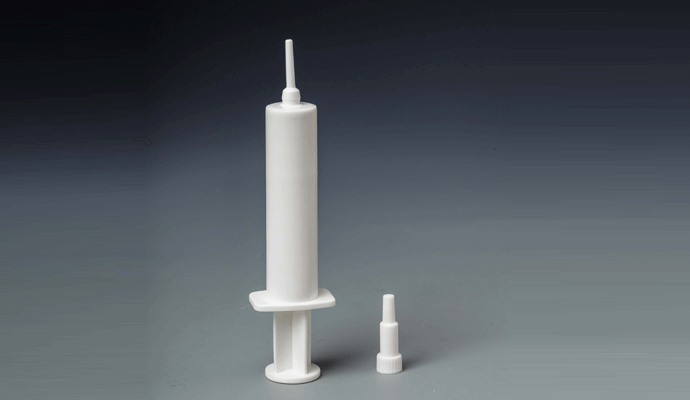
Syringe Application-Bismuth Nitrate Breast Injection

 Mastitis in dairy cows is a common disease, and in order to effectively treat and prevent this disease, the introduction of bismuth nitrate udder injection has become an innovative move. What's even more exciting is that this drug is packaged in veterinary syringes, providing veterinarians and agricultural and animal husbandry producers with a more convenient and effective use experience.
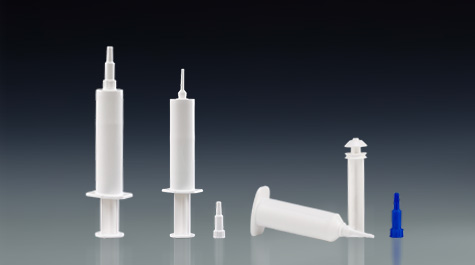

The role of intramammary tube in the treatment of dairy cow endometritis

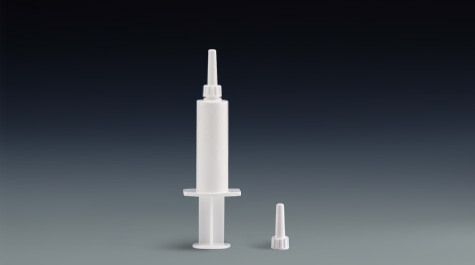
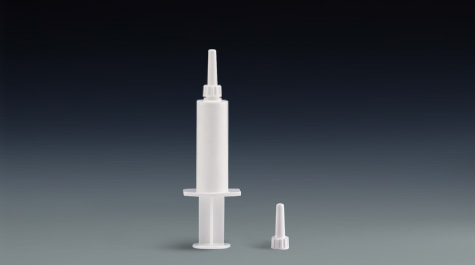
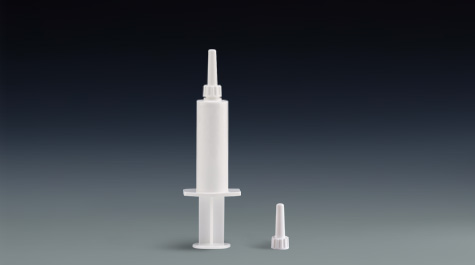
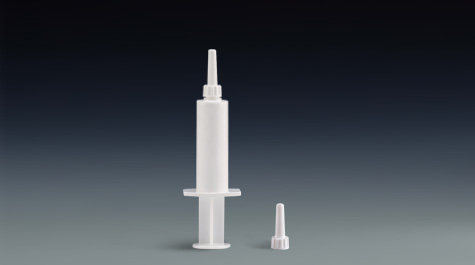
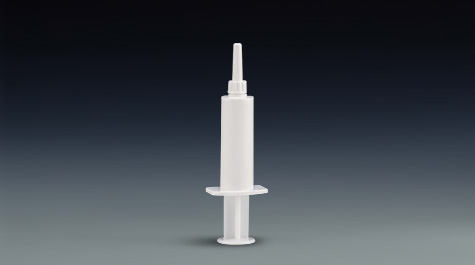
intramammary syringe


Bismuth nitrate udder injection is a drug specially designed for mastitis in dairy cows. Its unique ingredients and concentrated formula can quickly and effectively relieve and treat udder inflammation. This drug plays a key role in dairy cow health management.

The use of syringes provides a new solution for the administration of bismuth subnitrate breast injectables. Its sealing performance and flexibility ensure the long-term storage and stability of the drug. The needle is made of soft LDPE material to reduce stress and epidemic prevention in cows. At the same time, the pre-filled design effectively reduces the risk of drug residue and external contamination.

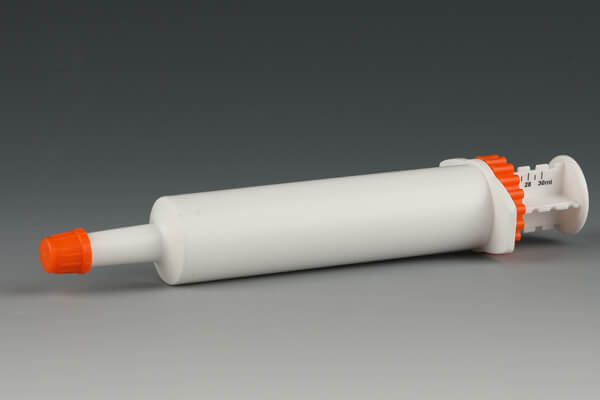
2023年8月7日星期一

Veterinary Syringes EO Sterilization

 eterinary syringes manufacturer use EO(ethylene oxide) and Co 60 to sterile veterinary syringe, the EO sterilization is used more widely than Co 60. Because Co 60 sterilization is more expensive than eo sterilization.


Veterinary Syringes EO Sterilization

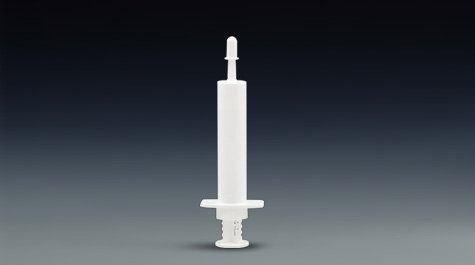
 paste syringe


The advantages of EO sterilization:

the eo sterilization can kill all microorganism,include bacterial spore, If the syringe has been steriled, you can pack the steriled syringe by packaging to keep the syringe steriling.The ethylene oxide don't etch plastic, metal and rubber material. The ethylene oxide can penetrate irregular products.


Veterinary Syringes EO Sterilization

intramammary syringe


The Co 60 sterilization is a radiation sterilization, Co 60 sterilization has strong penetrating power. So the Co 60 sterilization can sterile all parts without opening packaging. The Co 60 can sterile on normal temperature and pressure.


2023年7月5日星期三

Application of Veterinary Syringes

 The veterinary syringe is a special drug packaging, which prepackages the preparation in the tube sleeve. When administering the drug, open the protective cap and push the push rod to perform simple drug administration, thus effectively reducing the risk of cross-infection. This kind of packaging is widely used in animal medicines, such as pet nutrition cream, uterine infusion medicine, cow mastitis medicine, etc.


The role of intramammary tube in the treatment of dairy cow endometritis

intramammary syringe


The veterinary syringe is composed of a sleeve, a push rod, a piston, a protective cap or a positioning ring, and there are certain differences in design depending on the type of drug used. For uterine perfusion drugs, pet nutrition cream, etc., its tip is thicker, which is mainly for the convenience of drug administration. In order to precisely control the dose of the drug, the push rod is also marked with a standard scale, which can be used with the positioning ring to make the dosage of the drug more accurate and avoid harm to the health of animals due to overdose. For drugs such as cow mastitis medicine and cockroach medicine, the tip of this packaging is relatively thin, which is also for the convenience of administration.

Application steps of pet syringe

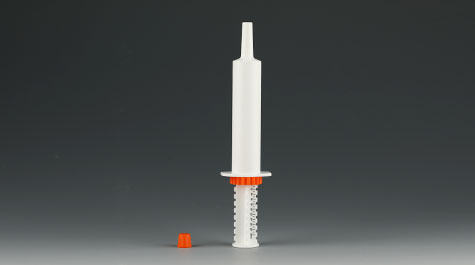
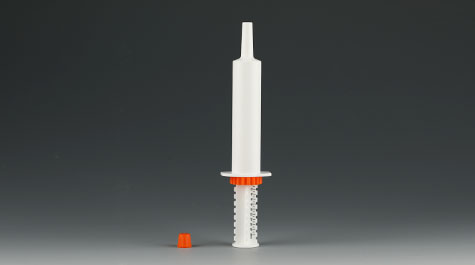
30ml dial a dose syringe

Application steps of pet syringe

pet syringe

In general, veterinary syringes can effectively reduce drug contamination and improve drug safety and controllability. In addition, its ease of use and precision make it popular in the production and use of animal medicines.


2023年6月26日星期一

Cow Mastitis Drug Packaging-Intramammary Syringe

 Cow mastitis is a common disease in dairy farming and requires medical treatment to relieve symptoms and restore health. Due to the special site of administration, cow mastitis drugs are often packaged in intramammary syringes.


The role of intramammary tube in the treatment of dairy cow endometritis

intramammary syringe


Printing method for intramammary syringes

5ml syringe for cow mastitis


The plastic syringe has two functions of drug storage and administration, and it can maintain the airtightness of the overall package under the action of the protective cap and the push rod. Open the protective cap, push the push rod, and it turns into a drug delivery tool, which is very convenient to operate. The common specifications of this kind of packaging are 5ml, 8ml, 10ml, 13ml, etc., and can also be customized according to your needs. The unique design can avoid contamination and cross-infection, and ensure the purity and effect of the drug, which has a good guarantee for the treatment of dairy cows.

Taken together, intramammary syringes, as a packaging method for cow mastitis drugs, have the characteristics of safety, convenience, and waste reduction. In addition, this kind of packaging is also used in cockroach medicine, uterine infusion medicine, pet nutrition cream and so on.

2023年1月29日星期日

Take stock of those wide applications of veterinary syringes

 Veterinary packaging is an important link in the marketing and circulation of drugs, and it plays an important role in the safety and stability of drugs during storage and transportation. Thanks to the rich functionality of the packaging, veterinary syringes are widely used in veterinary medicine, and the most common ones are as follows:


Four Applications of Plastic Animal Health Syringes

5ml syringe for cow mastitis

Four Applications of Plastic Animal Health Syringes

30ml dial a dose syringe

Four Applications of Plastic Animal Health Syringes

pet syringe


Dairy cow mastitis drug: This is a common application of veterinary syringes. The thinner tip can directly reach the affected milk area of cows for administration, and it has a rapid effect and is easy to use.

Dairy cow uterine infusion drugs: mainly dairy cow endometritis drugs. This drug is packaged in a thick-headed design, and a catheter is generally used for administration.

Pet nutrition cream: choose this kind of packaging mainly because of its quantitative drug delivery function, pet nutrition cream feeding must follow certain dosage requirements, too high or too low is not conducive to the health of pets. This kind of packaging has a positioning ring, which can make the feeding dosage more accurate when used with the standard scale on the push rod.

The above are some of the more common applications of veterinary syringes. In addition, it can also be used as a grease packaging for the lubrication of small parts.

2022年12月27日星期二

What is a Pet Syringe Applicator

 There are many kinds of veterinary drugs, including liquid preparations, solid preparations, pastes, etc., and the types of packaging are also very diverse, such as plastic bottles/barrels, aluminum foil bags, droppers, etc. The pet nutrition cream syringe applicator is a great type of packaging. 

Application steps of pet syringe

pet syringe


Ordinary plastic bottle packaging is generally only used to store medicines. The pet syringe applicator can store medicines and can also be used as a drug delivery tool. It consists of a tube sleeve, a push rod, a piston, a protective cap and a positioning ring. It is a drug storage container in a sealed state, and when we open the protective cap and push the push rod, it turns into a drug delivery Tool of.


Application steps of pet syringe

30ml dial a dose syringe


The magic of this packaging is that it allows precise control of the dose administered. There is a standard scale printed on the push rod, slide the positioning ring to the corresponding scale, and then push the push rod to achieve precise drug delivery. Especially for pets, the control of nutritional cream dosage is very important for their health.

In general, the pet syringe applicator, based on the drug storage function, satisfies the market's precise control of drug dosage, and is a functionally outstanding package. It is also used in the packaging of cow mastitis medicine, cow endometritis medicine, horse oral paste, calf oral paste and other medicines.

2022年11月15日星期二

Focus on Bovine Mastitis Treatment

 Intramammary or Systemic Administration?

Treatment of mastitis should be based on bacteriological diagnosis and take national and international guidelines on prudent use of antimicrobials into account. In acute mastitis, where bacteriological diagnosis is not available, treatment should be initiated based on herd data and personal experience. Rapid bacteriological diagnosis would facilitate the proper selection of the antimicrobial. Treating subclinical mastitis with antimicrobials during lactation is seldom economical, because of high treatment costs and generally poor efficacy. All mastitis treatment should be evidence-based, i.e., the efficacy of each product and treatment length should be demonstrated by scientific studies. Use of on-farm written protocols for mastitis treatment promotes a judicious use of antimicrobials and reduces the use of antimicrobials.

An important question regarding the treatment of mastitis is whether the antimicrobial should accumulate in the milk or in the udder tissue [9]. The target site may depend on the causative agent: streptococci are known to remain in the milk compartment, but S. aureus penetrates udder tissue and causes deep infection (Table 1). The most common route of administration of antimicrobials in mastitis is the IMM route. The advantages of this route are high concentrations of the substance achieved in the milk and low consumption of the antimicrobial as the drug is directly infused into the diseased quarter. For example, concentration of penicillin G in milk after IMM administration is 100-1000 times as high as the concentration after systemic (parenteral) administration [15, 16, 59, 32]. A disadvantage of the IMM administration is uneven distribution throughout the udder [53, 7, 8] and the risk of infecting the quarter when infusing the product via the teat canal. Efficacy of IMM treatment varies according to the causative pathogen, with the best therapeutic response being shown for mastitis caused by streptococci, coagulase-negative staphylococci, and Corynebacterium spp.


Focus on Bovine Mastitis Treatment

5ml syringe for cow mastitis

Source from: https://irishvetjournal.biomedcentral.com/articles/10.1186/2046-0481-62-S4-S40 

2022年6月27日星期一

Treatment of dairy cow mastitis with syringe

 Mastitis is a frequently-occurring disease in the dairy cow breeding process, the main cause of which is the invasion of pathogenic bacteria, such as trauma and poor milking techniques. Poor environmental sanitation, improper feeding and management, hormone imbalance, breast defects, etc. The use of veterinary syringe to treat cow mastitis is a commonly used treatment method at home and abroad.


Treatment of dairy cow mastitis with syringe

5ml syringe for cow mastitis


The pathogenic microorganisms of dairy cow mastitis are more complex, including more than 80 kinds of bacteria, fungi, mycoplasma, yeast and viruses. In general, Staphylococcus, Streptococcus and Escherichia coli account for more than 70% of clinical mastitis, followed by Corynebacterium pyogenes, Pseudomonas aeruginosa, Necrobacterium, Nocardia, Klebsiella and so on. Asymptomatic recessive mastitis is higher than clinical mastitis, with an incidence of about 50% of the entire herd. About 90% of recessive mastitis is caused by Streptococcus and Staphylococcus.

Mammary perfusion, also known as local drug delivery, is a commonly used treatment method for cow mastitis at home and abroad. The method uses a syringe to inject medicinal liquid into the diseased breast area, so that the medicine directly acts on the pathogenic area or the diseased part in the breast area. Various types of mastitis.

The specifications of intramammary syringe are mostly 5ml, 8ml, and 10ml. The needle is made of soft LDPE raw material, which can reduce the discomfort caused to the cow during administration. The thinner tip can pierce the udder of the cow to complete the administration.

2022年1月4日星期二

Why choose Xinfuda veterinary syringe

 Hello, it is a great honor to introduce to you Xinfuda star product-veterinary syringe. This product is mainly used for the treatment of dairy cow mastitis drugs and animal oral administration. This product can improve your product quality and sales, improve your company's economic benefits and production efficiency, and ensure your stable production and supply.


Why choose Xinfuda veterinary syringe

30ml dial a dose syringe


Why choose Xinfuda veterinary syringe

5ml syringe for cow mastitis


This veterinary syringe seal can improve your economic benefits. We also produce syringe seals with scales and positioning rings on the push rod, which can achieve precise drug delivery and reduce waste; our product tubes and caps are rigorously matched, and the sealing performance is good. Leakage, no residue after injection, enhance the efficacy of your product, and then enhance your economic benefits.

This veterinary syringe seal can improve your production efficiency. We can provide different assembly methods according to your drug ingredients and filling methods. After you receive the goods, you can directly fill the products on the high-speed filling machine, saving production time. Provide production efficiency.

Buying this veterinary syringe seal can guarantee your stable production and supply. We have a complete SOP process, from raw materials, workshops, production, quality inspection, release and other aspects of strict control to ensure that your delivery time is worry-free.

We have ISO9001 and ISO15378 quality certificates, CE certification, DMF filing, and EP test reports. Our workshop complies with GMP standards. We have currently exported plastic syringe to more than 30 countries and regions around the world. 

In short, our product is a good opportunity for you to choose, this product can improve your economic efficiency and production efficiency, and ensure your stable production and supply. And in the case of global raw material prices increasing, we can help you provide more solutions. It is definitely your best choice. Looking forward to cooperating with your company.

2021年11月14日星期日

Packaging syringe for mastitis

Syringe for the packaging of products for the treatment of Mastitis. This type of packaging is commonly known as mastitis syringes in the veterinary environment, they are used by practically all veterinary pharmaceutical laboratories for the packaging of their products for the treatment, control and eradication of subclinical, clinical or chronic mastitis that occurs in dairy cattle, primarily, this condition is responsible for significant losses for dairy farms, especially those located in intensive production regions. Likewise, it is one of the main causes in making early dairy cow slaughter decisions, derived from the various and recurrent problems in the health of the mammary gland, about 27% of dairy cow slaughter is due to disorders associated with mastitis and loss of milk production.


Packaging syringe for mastitis

5ml intramammary syringe


Packaging syringe for mastitis

10ml udder injector


Therefore, the importance of having a suitable container for the application of pharmaceutical products for mastitis, which guarantees the useful life of the product in its transport, storage, shelf stays and especially in its due and correct application, all Syringe must meet at least the characteristics of tightness, seal, dimensions and measures available to its final use, whether it is the application of drugs for the control of mastitis or the application of dryers.
Other names by which it is known: Mastitis syringe, Intramammary syringe, Syringe with intramammary cannula, Syringe mastitis, Syringe with cannula for mastitis

2021年8月23日星期一

Dairy farming tends to be large-scale and requires syringe drugs

 The dairy farming industry is an important part of the animal husbandry industry. With the escalation of market demand and people's increased attention to the safety of dairy products, the dairy farming industry gradually tends to scale. For the market of syringes commonly used in dairy cow mastitis and endometritis drugs, the competition will be more intense.


Dairy farming tends to be large-scale and requires syringe drugs

5ml syringe for cow mastitis


At present, dairy cow farming mainly includes three methods: grass grazing, mixed family farming and animal husbandry, and intensive large-scale farming. Among them, large-scale farming has gradually become a trend. This is because large-scale ranches usually receive higher levels of capital investment, use more advanced technology, and adopt more advanced and standardized breeding methods, which enable them to produce higher-quality milk and higher milk than small-scale ranches. Milk production. At the same time, large-scale pastures are more efficient and more environmentally friendly, and are in line with the country's sustainable development policy. The government has issued many documents to encourage the development of large-scale pastures. In this context, many retail and family farms will gradually withdraw from the market.
Dairy cow mastitis and endometritis are the two major obstacles hindering the healthy development of dairy cattle breeding. Infusion treatment or flushing through a syringe is a common and effective method for many farms. Driven by the background of large-scale dairy farming, the competition among veterinary drug manufacturers will intensify. Similarly, syringe manufacturers as an important part of veterinary drugs will also face greater market pressure, and the trend of survival of the fittest is obvious.
How to occupy a place in the fierce market, on the one hand, rely on advanced equipment, technology and innovation capabilities, on the other hand, manufacturers of pharmaceutical packaging materials should also control the quality of the intramammary syringe to ensure the safety and stability of the drug.

2021年7月13日星期二

The role of intramammary tube in treatment of dairy cow endometritis

 Endometritis is a common and frequently-occurring disease in dairy cows. It can cause long-term emptying of cows, implantation of fertilized eggs and early embryonic death. It is often chronic in clinical practice and difficult to detect. If it is not detected and treated in time, it will give The aquaculture industry caused huge losses. Among many treatment methods, using a intramammary tube for drug infusion therapy to the uterus is a fast and effective method.


The role of intramammary tube in the treatment of dairy cow endometritis

intramammary syringe


The cause of dairy cow endometritis is mainly caused by pathogenic microorganism infection or improper feeding and management. Common treatment methods include uterine washing, uterine perfusion, traditional Chinese medicine therapy, hormone therapy and systemic therapy.
(1) Flush the uterus. Flushing the uterus is an effective way to treat acute and chronic endometritis. The principle of treatment is to clean the uterus, eliminate inflammation, and purify the uterus through the use of antibiotics. Once a day or every other day, rinse repeatedly each time until the reflux fluid becomes clear.
(2) Uterine perfusion. Use the intramammary tube to infuse the drug into the uterus. When in use, the protective cap is opened, the drug delivery end is connected to the catheter, and the drug is inserted into the cow's uterus for drug delivery. This treatment method is simple to operate, less irritating to the cow, reduces drug pollution, and is safer and more effective.
(3) Traditional Chinese Medicine Therapy. For those who do not have uterine sluggishness with lochia, administer Yimu Shenghuasan. The prescription is: motherwort 50g, angelica 120g, chuanxiong and peach kernel 45g, dried ginger (pao), moxibustion each 10g, reconstituted with boiling water, and irrigated with temperature, once a day for 5 days. The number of doses can be increased or decreased according to the condition.
(4) Hormonal therapy. On the 16th to 17th days of the estrus cycle, 20 mg of ethestrol was injected into the affected cows. The purpose is to increase the proliferation of uterine epithelial cells, hyperemia of the mucosa, and strengthen the peristalsis of the uterine muscles, which is conducive to the full manifestation of estrus behavior and the full elimination of uterine inflammation. Then, wash and perfusion with penicillin were performed once.
(5) Systemic treatment. According to the general condition, fluid, sugar, salt and alkali can be supplemented.
The above are several common treatment methods for cow endometritis. The specific treatment method to choose depends on the condition of the cow and the breeding environment. It is important to note that before using the intramammary tube for uterine perfusion treatment, it is necessary to make sure that the intramammary tube is packaged intact and there is no leakage to ensure the safety of medication and the therapeutic effect.

2021年6月10日星期四

Appearance requirements of mastitis tube

The appearance of the package plays an important role in the circulation of goods. It not only protects the safety and stability of the contents, but also improves the competitiveness of the product. The same is true for mastitis tube used for the veterinary packaging of drugs such as dairy cow mastitis, pet nutrition cream, and dairy cow endometritis.

Appearance requirements of mastitis tube

5ml cow mastitis syringe


Today, when the homogeneity of the veterinary drug market is obvious, the appearance of the product is easier to help the drug to stand out, and whether the appearance of the package is good and flawless will affect the purchase behavior of buyers. In China's T/CVDA 1-2019 "Prefilled Plastic Breast Injector for Veterinary Use" standard, the appearance of the mastitis tube is required as follows:
Needle tube: The head should be flat, free of burrs, bends, cracks, and gag defects.
Tube body: The inner wall is flat and smooth, without color difference.
Cap: Fully formed, uniform color, no cracks, no deformation.
Push rod: full forming, uniform color and no deformation.
Piston: full molding, no flash, no obvious shrinkage.
The needle tube is the outlet for the drug to be exported, and the drug can be better exported if it is flat and not gagged. The barrel is related to the overall aesthetics of the mastitis tube. A qualified cap can improve the appearance of the product and avoid leakage. Deformation of the push rod and shrinkage of the piston will cause difficulty in pushing out the liquid medicine, which is not conducive to the user's experience.
The above are the requirements of the Chinese standard for the appearance of veterinary syringes, whether it is needle tube, tube body, tube cap, push rod, piston, any part of the appearance or the convenience of product use will be affected if any part does not meet the standard.

2021年3月29日星期一

Prevention and treatment of common dairy cow diseases is still the focus

With the continuous improvement of people's living standards, the people's awareness of the consumption of dairy products is getting stronger and stronger, which in turn promotes the development of the entire dairy industry. The dairy farming industry is at the upstream of the dairy industry chain, and good management of the farms is the basis for ensuring the healthy development of the dairy industry. Promoted by various large-scale breeding policies, the prevention of dairy cow diseases is still an important factor restricting the development of dairy cattle breeding.


Prevention and treatment of common dairy cow diseases is still the focus

intramammary syringe

The large-scale breeding model has promoted the improvement of the informatization, automation, and intelligence of dairy cow breeding, and the breeding efficiency has also improved. However, common diseases such as dairy cow mastitis and endometritis occur frequently, which seriously affects the economic benefits of farms. Mastitis can cause inflammation and swelling of the cow's mammary glands, which greatly reduces milk production. Endometritis occurs mostly after delivery, which can cause reproductive problems in dairy cows, increase the empty time of dairy cows, and cause a huge loss of milk production at the same time. Therefore, it is particularly important to prevent and control common dairy cow diseases.

The causes of cow mastitis and endometritis are closely related to the environment of the cow house. Farms should pay attention to the timely cleaning of feces in peacetime, and clean and disinfect the environment of the cow house to reduce the incidence. On the other hand, pay attention to observe the basic condition of dairy cows, and find that effective treatment measures should be taken promptly after the onset of the disease. For example, medication through the perfusion device has a good cure effect in the application of dairy cow mastitis and endometritis.

At present, the consumption demand of China's milk market is still expanding, so the future development of my country's dairy cattle breeding industry is still considerable. Large-scale breeding is the only way for the development of dairy cattle breeding. Doing a good job in the prevention and treatment of common diseases can fundamentally improve the economic benefits of breeding. Veterinary syringe will also play an important role in the treatment of common diseases in dairy cows.

2021年3月22日星期一

How to treat dairy cow endometritis through syringe

 Postpartum endometritis is a common disease in the dairy farming industry. It is usually caused by postpartum endometrium or deeper infections. It is one of the common causes of infertility in dairy cows. It seriously affects the economic benefits of farms and treats the uterus. Meningitis can be administered locally through a veterinary syringe in conjunction with systemic treatment.


How to treat dairy cow endometritis through syringe

intramammary syringe

The conventional treatment time for cow endometritis is generally during the cow's estrus period, when the cow's cervix is opened to facilitate the administration of drugs. For mild endometritis, uterine irrigation is generally not necessary, and anti-inflammatory drugs can be injected directly into the uterus using the syringe. Take 2 million units of penicillin and 1 million units of streptomycin, dissolve them with 20 ml of distilled water, and inject them into the uterus according to the method of rectal insemination. This method is used once a day for 2-3 days as a course of treatment.

Severe endometritis is caused by deep-seated inflammation and can be treated comprehensively by a combination of irrigation and perfusion local treatment. It should be noted that every time the irrigation fluid perfused into the uterus should be exported as much as possible, so as not to flush the dirt or irrigation fluid in the uterus into the fallopian tube and cause the fallopian tube to be blocked. Generally, 1500-3000 ml can be used for postpartum uterine verification in cattle. If the reflux fluid is turbid, additional flushing fluid should be added until the reflux fluid is clean.

The key to the treatment of cow endometritis is to eliminate inflammation and promote the discharge of pathological secretions in the uterine cavity. Perfusion therapy is one of the more effective treatment methods. Symptomatic treatment for different symptoms can minimize the loss.

2021年3月17日星期三

Veterinary drug packaging will develop in the direction of green and environmental protection

 As the country attaches great importance to the prevention and control of animal diseases, the veterinary drug industry has gradually moved from a chaotic period of difficult to distinguish true and false to a standardized development path. The requirements for veterinary drug packaging have become more and more diversified. While ensuring basic drug storage requirements, Green environmental protection will become an important direction for future development.

Veterinary drug packaging will develop in the direction of green and environmental protection

paste syringe


At present, veterinary drug packaging is mostly made of plastic materials, such as polyethylene, polypropylene, polyester, etc. There are vaccine bottleveterinary syringetwin neck bottle and so on. These packages are mostly disposable products. Although some regions have formulated relevant recycling policies for veterinary drug packaging, it is necessary to fundamentally reduce packaging The impact of waste on the environment is to reduce the amount of packaging and use fewer materials to produce packaging, which can achieve a win-win goal of protecting the environment and saving the production cost of the enterprise. On the other hand, by improving and improving plastic recycling and processing technology, the recycling rate of plastic packaging can be increased, and the environmental pollution caused by plastic packaging materials can be reduced.

Veterinary drug packaging will develop in the direction of green and environmental protection

intramammary syringe

In addition, with the development of science and technology and the continuous advent of various new materials, degradable materials will be widely used, effectively avoiding environmental pollution. In short, whether it is packaging reduction, improvement of processing technology or development of degradable materials, these will promote the development of veterinary drug packaging in the direction of green and environmental protection.

2021年3月15日星期一

Cow endometritis treatment

 Dairy cow endometritis is a common reproductive disorder in the dairy farming industry. It not only affects the reproductive ability of dairy cows, but also causes a decrease in milk production. It can even induce diseases such as dairy cow mastitis, and bring huge economic losses to farmers. A good therapeutic effect can be achieved by using a veterinary syringe and a catheter to treat the uterus such as pharmaceutical preparations.

Cow endometritis treatment

syringe for cow mastitis

According to statistics, about 50% of the cows eliminated each year are caused by endometritis. Inadequate disinfection during delivery or dystocia, careless cleaning and disinfection of the cow's vulva, unclean cow houses, poor sanitation, and the intrusion of certain infectious disease pathogens into the reproductive system of cows can all cause cow endometritis. The key to treatment is to control infection, eliminate inflammation and promote the excretion of pathological secretions in the uterine cavity, and perform symptomatic treatment according to the severity of the disease.

The perfusion device is a new type of drug delivery device that integrates the functions of drug storage and injection. It is composed of a tube sleeve, a push rod, a piston, a protective cap or a positioning ring. When in use, the protective cap is opened, the drug delivery end is connected to the catheter, and the drug is inserted into the cow's uterus for drug delivery. This treatment method is simple to operate, less irritating to the cow, reduces drug pollution, and is safer and more effective.

The functionality and convenience of the packaging are the key to helping the product win the market. The perfusion device is not only used in the treatment of cow endometritis, but also in the treatment of cow mastitis, pet syringe nutrition cream, and cockroach-killing gel syringe. Wide range of applications.


2021年3月9日星期二

Reduce the incidence of mastitis in dairy cows

 In the process of dairy cow feeding, mastitis is one of the common diseases, and its causes are complicated, which will cause a decline in milk production and cause serious economic losses to the farmers. To find out the cause of dairy cows, take effective measures to prevent them in advance, and use a perfusion device to treat sick cows with local administration can effectively reduce farm losses.


Reduce the incidence of mastitis in dairy cows

intramammary syringe


The causes of cow mastitis are diverse, mainly in the following aspects:

1. Poor environmental sanitation on the farm

The excrement and urine of the farm should be treated in time. If it is not cleaned up in time, it is easy to breed a large number of pathogenic microorganisms. Under such an environment, the mammary glands of dairy cows are easily infected by bacteria, leading to the occurrence of dairy cow mastitis. These pathogens mainly live in an environment that is not disinfected. If the disinfection is not complete, it will also cause the bacteria to multiply and increase the incidence.

2. There are problems with milking methods and procedures

Adverse factors inhibit the milk reflex, and the milk cannot be squeezed out. The remaining milk in the breast pool can easily cause mastitis. In addition, inadequate milking preparations, stress conditions such as pain and fear, high or low vacuum level of the milking machine, and too hard rubber inner sleeve of the teat cup of the milking machine can all lead to the occurrence of cow mastitis.

3. Infection during dry milk period

In the process of milk drying of cows, because the milk stays in the udder for a long time, infection is extremely prone to cause mastitis. In addition, repeated cessation of milk stimulation, milk leakage from the calving breast, etc. can also cause mastitis.

Understand the causes of mastitis in dairy cows, and targeted prevention is an effective way to reduce the incidence. For dairy cows that are already sick, local administration can be performed through a perfusion device to achieve a better therapeutic effect.

2021年3月8日星期一

Cow endometritis treatment

 Dairy cow endometritis is a common reproductive disorder in the dairy farming industry. It not only affects the reproductive ability of dairy cows, but also causes a decrease in milk production. It can even induce diseases such as dairy cow mastitis, and bring huge economic losses to farmers. A good therapeutic effect can be achieved by using a veterinary syringe and a catheter to treat the uterus such as pharmaceutical preparations.

Cow endometritis treatment

syringe for cow mastitis

According to statistics, about 50% of the cows eliminated each year are caused by endometritis. Inadequate disinfection during delivery or dystocia, careless cleaning and disinfection of the cow's vulva, unclean cow houses, poor sanitation, and the intrusion of certain infectious disease pathogens into the reproductive system of cows can all cause cow endometritis. The key to treatment is to control infection, eliminate inflammation and promote the excretion of pathological secretions in the uterine cavity, and perform symptomatic treatment according to the severity of the disease.

The perfusion device is a new type of drug delivery device that integrates the functions of drug storage and injection. It is composed of a tube sleeve, a push rod, a piston, a protective cap or a positioning ring. When in use, the protective cap is opened, the drug delivery end is connected to the catheter, and the drug is inserted into the cow's uterus for drug delivery. This treatment method is simple to operate, less irritating to the cow, reduces drug pollution, and is safer and more effective.

The functionality and convenience of the packaging are the key to helping the product win the market. The perfusion device is not only used in the treatment of cow endometritis, but also in the treatment of cow mastitis, pet syringe nutrition cream, and cockroach-killing gel syringe. Wide range of applications.


2021年2月28日星期日

China intramammary syringe

 For intramammary syringe of vet. med. pastes and gels, e.g. for mastitis treatment.

Xinfuda has mastered the production of a new product – syringe-injectors to be filled with preparations against mastitis. 

China intramammary syringe

5ml syringe for cow mastitis

Syringes are manufactured on modern equipment and do not differ from analogues of European manufacturers neither in parameters nor in quality. 

The cannula of a syringe is very elastic and does not injure the teats of the udder.

The cap of a syringe seals the nozzle of the flask and the piston perfectly sits in the flask body leaving no chance to leakage of the substance.

The piston of a syringe ideally slides inside the flask due to the use of special polymer additives approved for contact with food, this feature allows more smooth injections.