2021年6月27日星期日

2021年3月17日星期三
Veterinary drug packaging will develop in the direction of green and environmental protection
As the country attaches great importance to the prevention and control of animal diseases, the veterinary drug industry has gradually moved from a chaotic period of difficult to distinguish true and false to a standardized development path. The requirements for veterinary drug packaging have become more and more diversified. While ensuring basic drug storage requirements, Green environmental protection will become an important direction for future development.
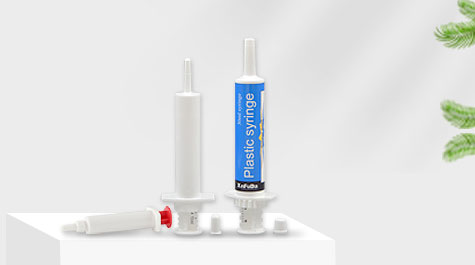
At present, veterinary drug packaging is mostly made of plastic materials, such as polyethylene, polypropylene, polyester, etc. There are vaccine bottle, veterinary syringe, twin neck bottle and so on. These packages are mostly disposable products. Although some regions have formulated relevant recycling policies for veterinary drug packaging, it is necessary to fundamentally reduce packaging The impact of waste on the environment is to reduce the amount of packaging and use fewer materials to produce packaging, which can achieve a win-win goal of protecting the environment and saving the production cost of the enterprise. On the other hand, by improving and improving plastic recycling and processing technology, the recycling rate of plastic packaging can be increased, and the environmental pollution caused by plastic packaging materials can be reduced.
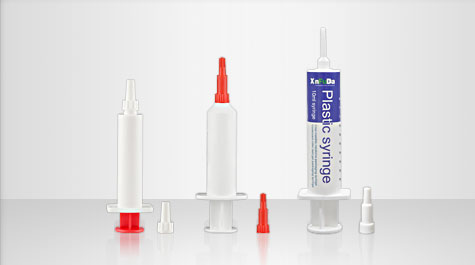
In addition, with the development of science and technology and the continuous advent of various new materials, degradable materials will be widely used, effectively avoiding environmental pollution. In short, whether it is packaging reduction, improvement of processing technology or development of degradable materials, these will promote the development of veterinary drug packaging in the direction of green and environmental protection.
2021年3月7日星期日
The history of veterinary drug packaging changes
The vigorous development of the animal husbandry industry has made the veterinary drug industry unprecedentedly prosperous, and it has also led to the rise of the veterinary drug packaging industry. The long-term development of any industry requires the constraints of industry regulations. So, what history has the veterinary drug packaging industry as a safe storage container for drugs undergone?
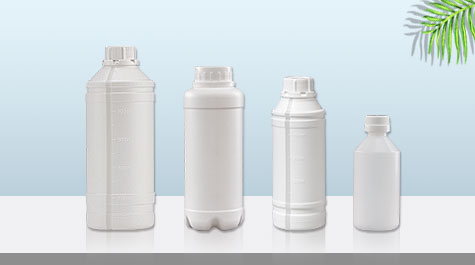
Looking at the history of changes in veterinary drug packaging, it is actually a normative history of the industry, which is mainly divided into four stages:
The first stage: market chaos period
Before 2008, the packaging of veterinary drugs was in a period of market chaos. At that time, the packaging was mainly white aluminum foil and paper stickers. The cost of counterfeiting was low. The market was mixed, and it was difficult to distinguish the authenticity of veterinary drugs. Big brands had no competitive advantage.

The second stage: the gradual standardization period
The period from 2008 to 2013 was a few years when the packaging of veterinary drugs gradually changed from chaos to strict management and regulation. Veterinary drug companies no longer use white-bag sticker packaging and switched to color printing, which greatly increased the cost of counterfeiting. During this period, a large number of marketing companies closed down and the market gradually became standardized.
The third stage: strict policy management period
From 2013 to 2018, the packaging of veterinary drugs entered a period of strict management, and the packaging labels gradually realized the two-dimensional code traceability. In 2015, the Ministry of Agriculture issued the "Notice of the Ministry of Agriculture on Deepening the Actions for the Standardization of Veterinary Drug Product Labels and Instructions", and the label description of packaging entered Standardize the era of iron fist control.
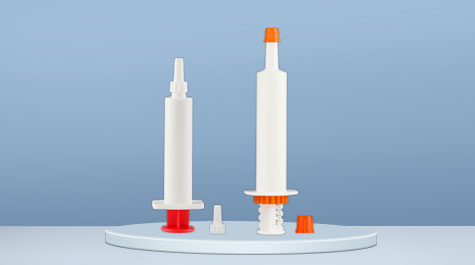
The fourth stage: standard development period
After 2018, the road of standardized development of the veterinary drug packaging industry has officially opened. In 2019, six veterinary drug packaging group standards including the "Pre-filled Plastic Breast Injector for Veterinary Use" drafted by Shijiazhuang Xinfuda were released; in 2020, the new version of "GMP for Veterinary Drugs" was revised and implemented...The industry's standard development is obvious to all.
In the future, with the continuous improvement of industry policies, the veterinary drug packaging industry will usher in rapid development, providing strong support for the development of my country's animal husbandry industry.
2021年2月28日星期日
The key to early immunity to chicken respiratory diseases
Respiratory diseases are an important factor threatening the healthy production of poultry. Such diseases are infectious to a certain extent. Disease outbreaks in farms will affect the entire chicken flock and bring huge economic losses to farmers. How to prevent and control poultry diseases is a concern for many farms. It is the inescapable responsibility of many veterinary drug packaging companies to improve the quality of vaccine bottles, serve more pharmaceutical companies, and help the development of the breeding industry.

Common chicken respiratory diseases include Newcastle disease, mild avian influenza, spreading, rhinotracheal ornithosis, mycoplasmosis, etc. Because the cause is complex and easy to recur, poultry respiratory diseases should be treated with prevention as the primary supplement, supplemented by treatment, combined with prevention and treatment Comprehensive measures.
From the perspective of farm management, farmers should keep cold and warm according to climate change and reduce cold stress. Disinfect the breeding environment regularly, and treat sick and dead chickens in a harmless manner to ensure the environmental hygiene of the chicken house.
To effectively reduce the incidence of chicken respiratory diseases, we should start from the root cause, strengthen the pre-immunization work, and enhance the overall immunity of the flock. It should be noted that the tightness of the vaccine bottle is related to the immune effect of the vaccine. The integrity of the vaccine bottle should be confirmed before vaccination to ensure that the vaccine can achieve a good vaccination effect.
Winter and spring are the frequent seasons for chicken respiratory diseases. Doing a good job in disease prevention and control and improving the overall efficiency of the farm is the foundation of promoting the healthy and stable development of the aquaculture industry. It is also the common responsibility of pharmaceutical companies and vaccine bottle manufacturers.
2021年2月3日星期三
How to choose better veterinary drug packaging
With the completion of the revision of the 2020 version of the "Chinese Veterinary Pharmacopoeia" and the "New GMP", the veterinary drug industry has entered an era of stricter supervision, and the related veterinary drug packaging industry will also face greater challenges. There are many veterinary drug packaging companies on the market, and the product quality levels are not uniform. How can veterinary drug companies choose better packaging?
Applicability refers to the characteristics of a product suitable for use. It is a broad concept, including material aspects, such as physical properties, chemical composition, etc.; it also includes operational aspects, such as whether the operation is reliable, safe, and convenient to use; time Aspects, such as service life, accuracy retention, reliability, etc.; appearance aspects, such as beautiful appearance, packaging quality, etc.
The applicability of veterinary drug packaging is mainly considered from the aspects of product material, functionality, convenience and overall appearance. Common materials currently used for packaging of veterinary drugs include polyethylene, polypropylene, polyester and other materials. Choose suitable materials according to the specific needs of pharmaceutical companies. If terminal sterilization is required, polypropylene materials can be selected. If packaging transparency is required , Can choose polyester material... In terms of functionality, it can be confirmed by communicating with the manufacturer of the drug packaging material according to the needs of the drug; secondly, the convenience of the farmers in the drug delivery process should be considered, especially for the more frequent use Medicines, such as seasonal vaccines, are easier to cultivate the user's habits; the last thing to look at is the overall appearance of the packaging. A comfortable appearance will add points to the sales of medicines.
With the strengthening of the supervision of the veterinary drug industry, the importance of veterinary drug packaging has become more and more prominent. Pharmaceutical companies should fully consider the importance of packaging when choosing veterinary drug packaging.
2021年1月11日星期一
Early prevention of bird flu is the key
Winter is the season of high incidence of bird flu. According to CCTV News, from the end of November last year to January 2nd, highly pathogenic bird flu has spread to 42 farms in South Korea in more than a month, and the spread has been accelerating. So far, in order to prevent the spread of the bird flu epidemic, South Korea has culled more than 11.5 million poultry on more than 200 farms. Not only South Korea, but also European countries such as Belgium, Denmark, France, and Germany have reported more than 300 cases of bird flu.
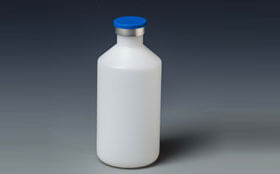
100 ml PE vaccine bottle with rubber stopper
Public information shows that the avian influenza virus is highly contagious among poultry and has a very high fatality rate. Birds infected with this virus usually suffer from breathing difficulties, anorexia, listlessness, and eventually death due to damage to the nervous system. At present, vaccinating poultry is the fastest and most effective way to control bird flu. Note the following when injecting bird flu vaccine:
1. Injection time: Generally speaking, it is most appropriate to inject the avian flu vaccine within one to two months before the flu epidemic. Antibodies will be produced in the body about 10 to 15 days after the injection.
2. Vaccine storage: Inactivated vaccines are generally stored in vaccine bottles, and should be refrigerated at 2~8°C in the dark and should not be frozen or overheated. The vaccine cannot be used if it is observed that the vaccine bottle is damaged, demulsified, layered, and changed in color before use.
3. Use of vaccines: Inactivated vaccines must be inoculated by injection, which can be inoculated intramuscularly or subcutaneously. The syringe must be strictly sterilized before use. The easiest way is to boil it. Vaccine bottles should be used up within 24 hours after being unsealed to avoid local or systemic adverse reactions after the vaccine contaminates bacteria and multiplies in large numbers and inoculates poultry.
4. The remaining empty vaccine bottles and vaccination equipment should be disinfected after vaccination. When used in broilers, it is forbidden to use it within 21 days before slaughter. When used in other chickens, it is forbidden to use it within 42 days before slaughter.
The advance prevention of poultry diseases through vaccination can minimize the incidence of diseases and reduce the economic losses of the farm, which is of great significance to the development of the current breeding industry.