2025年3月10日星期一

COP vial: a new packaging for cell therapy drugs

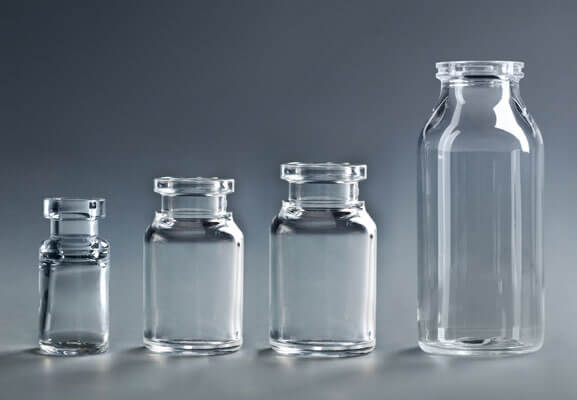
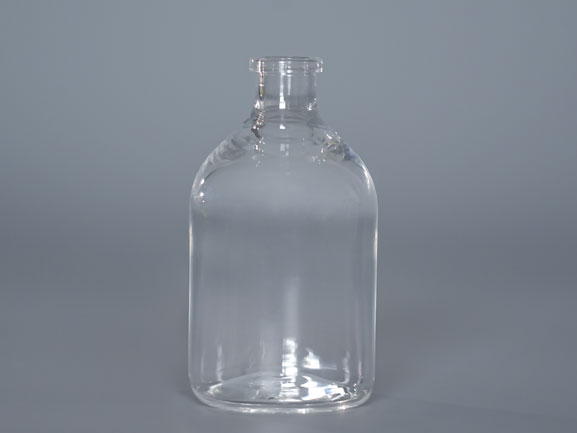
With the rapid development of cell therapy, its application value in the fields of cancer, blood diseases, cardiovascular diseases, etc. has become increasingly prominent. However, cell therapy drugs have extremely stringent requirements for packaging, and traditional packaging materials often cannot meet their special needs. Cyclic olefin polymer (COP) vials have become an ideal packaging choice for cell therapy drugs due to their unique performance advantages.
Requirements for COP vials for cell-based drugs

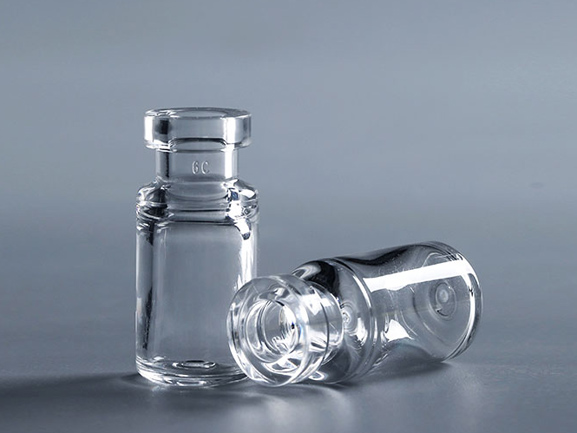
RTU(ready to use) 2ml COP vial

Challenges of cell therapy drugs to packaging

Cell therapy drugs usually contain protein components, which are easily adsorbed on the packaging surface, resulting in drug waste and inaccurate dosage. In addition, cell drugs need to be stored in ultra-low temperature environments (such as liquid nitrogen environments) to maintain drug activity. Therefore, packaging materials must meet the following two core requirements:

1. Low protein adsorption: avoid drug waste and ensure accurate dosage;

2. Excellent low temperature resistance: maintain stability in ultra-low temperature environments to ensure drug activity.

How do COP vials meet the needs of cell therapy drugs?

1. Low protein adsorption: COP vials have extremely low protein adsorption characteristics, which can effectively prevent drug components from being adsorbed on the packaging surface, ensuring the accuracy of drug dosage and the stability of efficacy. This feature makes it an ideal choice for protein drugs and cell therapy drugs.

2. Excellent low temperature resistance: COP vials can still maintain excellent physical and chemical stability in ultra-low temperature environments, and can withstand the extreme conditions of liquid nitrogen storage, ensuring that the activity of cell therapy drugs is not affected during storage and transportation.

Application of COP vials in the field of cell therapy

At present, COP vials have been widely used in the packaging of a variety of high-value cell therapy drugs, including:

Immune cell therapy drugs: such as CAR-T cell therapy drugs;

Stem cell therapy drugs: used to repair tissue and organ damage;

Gene therapy drugs: such as drugs used to treat genetic diseases.

Strict quality inspection to ensure drug safety
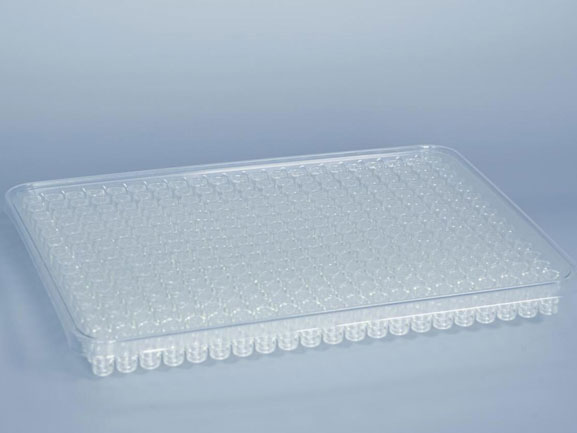
RTU Sterile Vials in Nest or Tray: The Future of Pharmaceutical Packaging

sterile vial in tray

The production process of COP vials follows strict quality inspection standards, including:

Appearance inspection: transparency, surface finish, no blisters, oil stains, etc.;

Performance inspection: sealing, absorbance, acidity and alkalinity, total organic carbon, etc.;

Biocompatibility inspection: cytotoxicity, skin sensitization, hemolysis, etc.

These inspection items ensure the stability and safety of COP vials during drug storage and transportation, and provide a reliable packaging solution for cell therapy drugs.

COP vials are an ideal choice for cell therapy drug packaging due to their low protein adsorption and low temperature resistance. They can not only meet the special needs of cell therapy drugs, but also provide pharmaceutical companies with safe and reliable packaging solutions, helping the rapid development of the cell therapy field. 

2025年3月4日星期二

Design and application of high-density polyethylene bottles for oral solid medicine

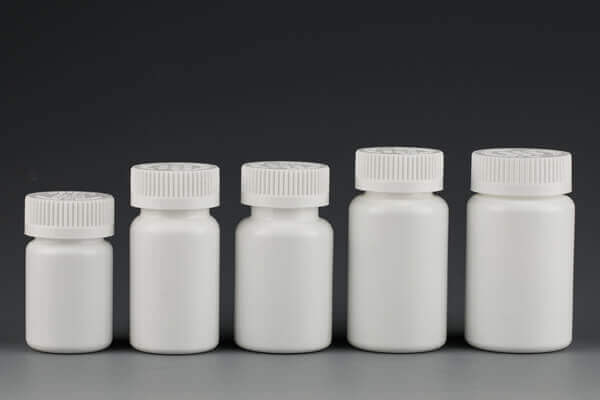
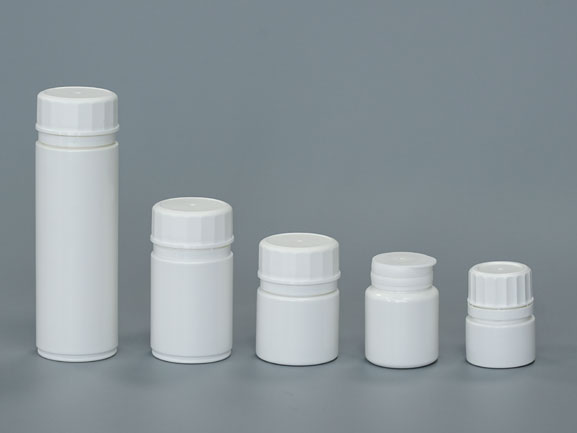
In pharmaceutical packaging, oral solid pharmaceutical high-density polyethylene bottles (HDPE bottles) are a common and important packaging form. Due to the characteristics of solid drugs, this type of bottle has its own unique requirements in design and material selection to ensure the quality and safety of drugs.

Preventing children from opening the bottle can effectively reduce the risk of children accidentally ingesting drugs

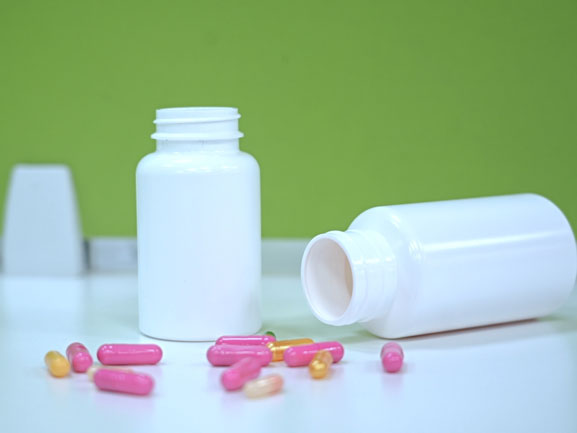
HDPE bottle for pills

Bottle mouth design


The bottle mouth design of oral solid pharmaceutical high-density polyethylene bottles is usually larger. This design helps to facilitate the filling and taking of drugs. The advantage of a large-diameter bottle mouth is that it can quickly and effectively fill the drug, and it is also convenient for users to operate when taking the drug. Compared with the bottle mouth of liquid drugs, the bottle mouth of solid drugs does not require particularly strict sealing, because solid drugs will not cause leakage problems due to the opening and closing of the bottle mouth.


Bottle wall thickness


The wall thickness requirements of oral solid pharmaceutical high-density polyethylene bottles are relatively loose. Since solid drugs are not affected by liquid pressure, the wall thickness of this bottle is mainly to provide sufficient mechanical strength and durability. Generally speaking, the wall thickness of solid pharmaceutical bottles can be adjusted according to actual needs to ensure the stability and durability of the bottle, but it does not need to be as high as the standard of liquid pharmaceutical bottles.


Transparency and Masterbatch Use


Solid drugs have relatively low transparency requirements for bottles because solid drugs are not directly affected by light. However, in some cases, pharmaceutical packaging companies may use HDPE bottles of different colors to meet market demand or enhance product recognition. For oral solid drugs, the color of the bottle usually does not affect the quality of the drug, but it can help users identify the drug more conveniently.

Design and application of high-density polyethylene bottles for oral solid medicine

HDPE container with silica gel

Design Optimization


The design of oral solid pharmaceutical HDPE bottles also takes convenience and humanization into consideration. For example, some bottles are designed with moisture-proof functions to protect the dryness of drugs during storage. In addition, the shape and size of the bottle are also optimized for easy storage and transportation.


In summary, the design and material selection of oral solid pharmaceutical HDPE bottles are mainly based on practicality and economy. Through reasonable bottle mouth design, appropriate wall thickness and color selection, this bottle not only ensures the effectiveness and safety of the drug, but also improves the convenience of use. Pharmaceutical packaging material companies can continue to innovate in these details to improve product quality and user experience.

2025年3月3日星期一

Bubble Emission Test for Plastic Bottle Sealing

 Sealing integrity is a crucial factor in plastic bottle manufacturing, ensuring that the product inside remains protected from contamination, leakage, and environmental exposure. One of the most effective and straightforward methods for detecting leaks in plastic bottle seals is the Bubble Emission Test.


This test is widely used across industries such as pharmaceuticals, food & beverages, and cosmetics to ensure airtight seals and high-quality packaging. Below, we’ll dive into the details of the Bubble Emission Test, how it works, and why it’s an essential part of quality control in packaging.

Bubble Emission Test for Plastic Bottle Sealing


Bubble Emission Test for Plastic Bottle Sealing

What is the Bubble Emission Test?

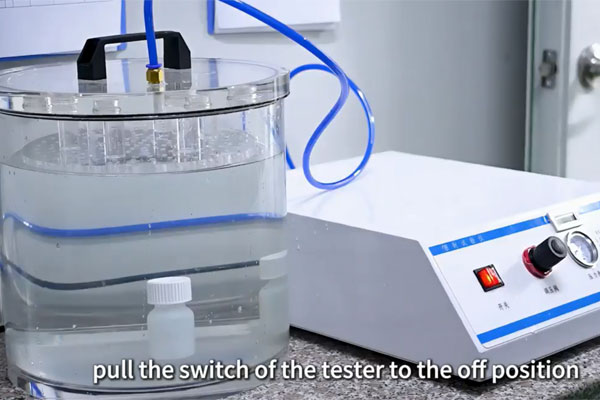
The Bubble Emission Test is a non-destructive or destructive testing method used to detect leaks in sealed plastic bottles. The test works by submerging a sealed bottle in water and applying either vacuum pressure or direct air pressure to check for escaping bubbles, which indicate leaks or poor seals.


This method is particularly useful for identifying pinhole leaks, cracks, or weak seals that might not be visible to the naked eye.


How the Bubble Emission Test Works

The Bubble Emission Test is conducted using the following steps:


Step 1: Sample Preparation

Select a sealed plastic bottle from the production line.

Ensure the bottle is free from external dirt or debris that may interfere with the test results.

Step 2: Submerging the Bottle

Fill a transparent water tank or container with enough water to completely submerge the test bottle.

Place the plastic bottle into the water.

Step 3: Applying Pressure

There are two common methods to introduce air pressure into the bottle:

FDA Approves Novel Non-Opioid Treatment for Moderate to Severe Acute Pain

HDPE pill bottle

Vacuum Chamber Method


The bottle is placed inside a vacuum chamber filled with water.

A vacuum is applied to create pressure differentials, forcing air inside the bottle to escape if there is a leak.

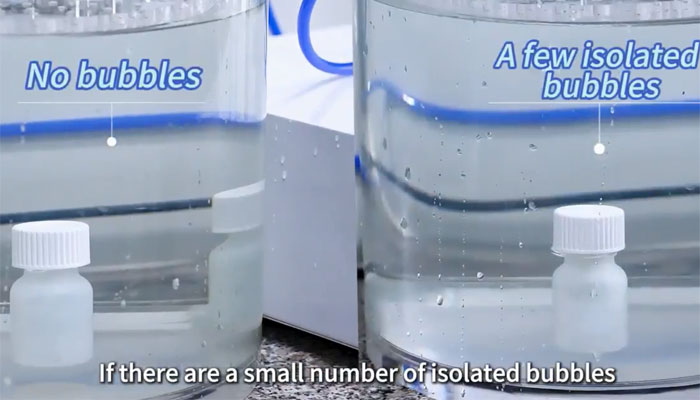
If the seal or the bottle is compromised, air bubbles will be seen escaping from the defect location.

Direct Air Injection Method


A nozzle or probe is inserted into the bottle to pressurize it with air.

If there is a leak, air will escape through the defect, producing bubbles in the surrounding water.

Step 4: Observing Bubble Formation

If bubbles continuously escape from the sealed area or body of the bottle, it indicates a leak.

If no bubbles appear, the seal integrity is confirmed as intact.

Step 5: Recording and Analyzing Results

Bottles that fail the test are removed from the production line for further inspection.

Depending on the failure rate, production settings may need to be adjusted to improve the sealing process.

Why Use the Bubble Emission Test?

✅ Simple and Cost-Effective

Requires minimal equipment: just a water tank and a vacuum pump or air injector.

Quick and easy to perform compared to more complex testing methods.

✅ Highly Visual

The presence of bubbles provides an immediate and clear indication of leaks.

✅ Effective for Small Leaks

Detects micro-leaks and pinhole defects that might otherwise go unnoticed.

✅ Non-Destructive Option Available

If using a vacuum chamber, the test can be performed without damaging the bottle (useful for expensive pharmaceutical or cosmetic packaging).

✅ Applicable Across Industries

Pharmaceuticals: Ensures sterility of medication bottles.

Food & Beverages: Prevents spoilage due to air/moisture entry.

Cosmetics: Avoids leaks in liquid-based beauty products.

Chemical Packaging: Ensures proper containment of hazardous materials.


Whether you are in pharmaceuticals, beverages, cosmetics, or chemicals, the Bubble Emission Test is a simple yet powerful method to verify that your plastic bottles are sealed correctly and ready for the market.

2025年2月24日星期一

What is ISO 8317 for Child-Resistant Closures (CRC)

ISO 8317 is an internationally recognized standard for Child-Resistant Closures (CRC), ensuring that packaging prevents children from accessing hazardous contents, such as pharmaceuticals, chemicals, and cleaning products. This standard sets requirements for packaging that balances safety and ease of use, offering secure protection against accidental poisoning while remaining accessible to adults.

Introduction to the production process of medicinal CRC caps

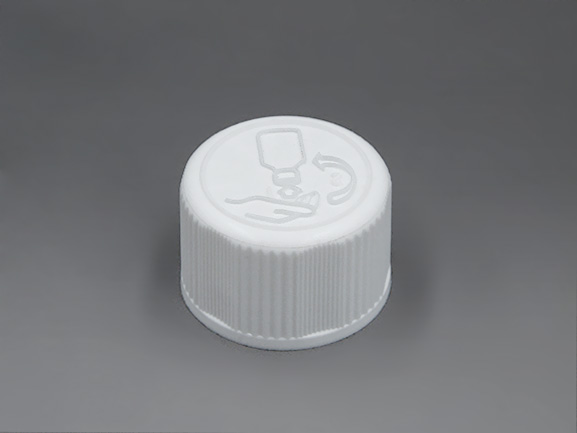
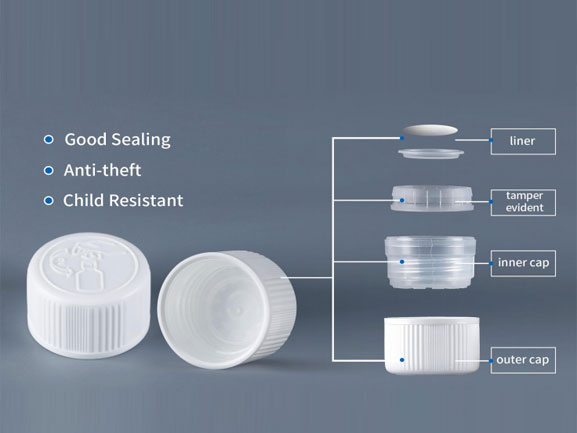
child resistant cap

Key Features of ISO 8317:


Child-Resistant Testing:


ISO 8317 outlines stringent testing methods to ensure that children under 5 years old are unable to open CRC packaging. It also ensures that the closures remain functional throughout the shelf life of the product and can be easily opened and resealed by adults.

The innovative design of oral liquid bottle cap 

28mm child resistant cap for liquid

Reliable Performance:


The standard tests CRC closures for durability and long-term performance. It ensures that closures withstand repeated opening, closing, and resealing without compromising on safety.

Ease of Use for Adults:


While designed to be child-resistant, the closure mechanism must also allow adults to easily open and close it without excessive force or difficulty.

Design Specifications:


The standard specifies various design features, including closure type, locking mechanisms, and compatibility with container types. This ensures consistency and effectiveness for a wide range of products.

Compliance with Global Safety Standards:


ISO 8317 helps manufacturers comply with child-safety regulations globally. It ensures that products meet the high standards necessary for consumer safety and legal compliance.

Why ISO 8317 is Important

Child Safety: The primary goal of ISO 8317 is to protect children from accessing hazardous substances that could lead to poisoning, which is especially critical for pharmaceutical, chemical, and household products.

Regulatory Compliance: Many countries and regions require CRC packaging that complies with ISO 8317, ensuring that manufacturers meet legal packaging standards.

Consumer Confidence: ISO 8317 certification provides consumers with the peace of mind that products are packaged with the highest level of child safety in mind.

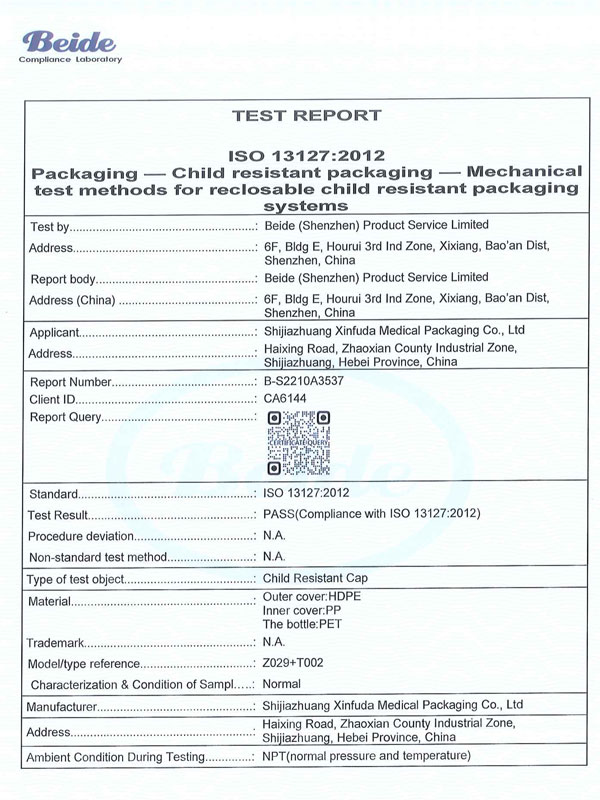
Xinfuda get ISO 13127:2012

Our Product Range

We offer a variety of ISO 8317-compliant CRC caps, ensuring that we meet the diverse needs of our customers across multiple industries. Our caps are designed for safety, reliability, and ease of use, and we provide the following sizes:


28mm CRC Cap

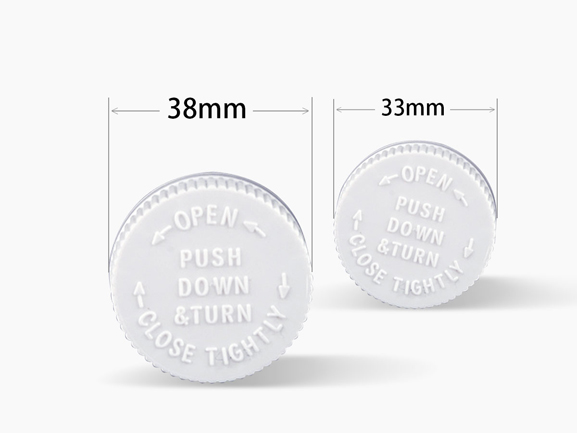
33mm CRC Cap

38mm CRC Cap

45mm CRC Cap

Each of these sizes adheres to the strict requirements set by ISO 8317, offering reliable child-resistant functionality and a secure seal for a wide range of products. Whether you’re packaging pharmaceuticals, nutraceuticals, or household products, our 28mm, 33mm, 38mm, and 45mm CRC caps ensure that your product remains safely sealed and compliant with international safety standards.


Conclusion

ISO 8317 plays a critical role in ensuring that Child-Resistant Closures (CRC) meet global safety standards. By incorporating 28mm, 33mm, 38mm, and 45mm CRC caps, we provide packaging solutions that ensure child safety while still being practical and easy for adults to use. Our ISO 8317-compliant caps offer peace of mind and protection, helping to reduce the risk of accidental poisoning and ensuring the secure containment of hazardous substances.


Ready to secure your products with trusted child-resistant solutions? Explore our range of ISO 8317-compliant CRC caps today.

Tamper-Evident and Child-Resistant 28mm Caps

 28mm caps refer to caps that have a diameter of 28mm and are commonly used for bottles containing liquids, tablets, or other products. These caps are designed with two primary safety features:


Tamper-Evident Functionality

Tamper-Evident and Child-Resistant 28mm Caps

cap with tamper evident

Tamper-evident caps provide visual evidence that a bottle has been opened or tampered with. They are designed to break or distort when the cap is removed, ensuring that consumers can easily tell if the product has been compromised.

Features like breakaway bands, shrink seals, or indicators on the cap help show whether the product has been opened, giving consumers peace of mind.

Child-Resistant Functionality


Child-resistant caps are designed to be difficult for children to open, but still accessible for adults. This is particularly important for pharmaceuticals, cleaning products, and chemicals that may pose a danger if ingested by children.

The innovative design of oral liquid bottle cap 

28mm child resistant cap for liquid

These caps typically use mechanisms like push-and-turn, squeeze-and-turn, or snap-on designs that require specific force or action to open.

Why Choose Tamper-Evident and Child-Resistant 28mm Caps?

1. Product Safety and Security

Tamper-evident features help ensure that the product inside the bottle has not been altered or contaminated, which is crucial in industries like pharmaceuticals and food & beverage.

Child-resistant features add an additional layer of safety, preventing accidental ingestion of harmful substances by young children, which is especially important for over-the-counter medicines and household chemicals.

2. Regulatory Compliance

For many products, especially in the pharmaceutical and healthcare sectors, child-resistant packaging is not just a safety measure—it’s a legal requirement. Many regions, including the United States (CFR 1700) and Europe (EU Regulation 1272/2008), have strict regulations around child-resistant packaging to prevent child poisoning.

In addition, tamper-evident packaging is a common requirement for food and drug safety regulations to ensure that products are sealed in compliance with health standards.

3. Consumer Confidence

Consumers value knowing that the products they purchase are safe and have not been tampered with. Tamper-evident features ensure that once the cap is broken, it’s clear that the product has been accessed, providing reassurance to consumers about the integrity of the product.

Child-resistant packaging ensures that parents can trust that products containing potentially harmful ingredients are securely packaged.

4. Versatility

28mm caps are widely used for a variety of bottles, including pharmaceutical vials, nutraceutical bottles, cosmetic containers, and food products. The versatility of this size makes it an ideal choice for different applications, allowing manufacturers to incorporate tamper-evident and child-resistant features without having to design specialized packaging for every type of product.

Choosing the Right Material for Oral Syrup Bottles

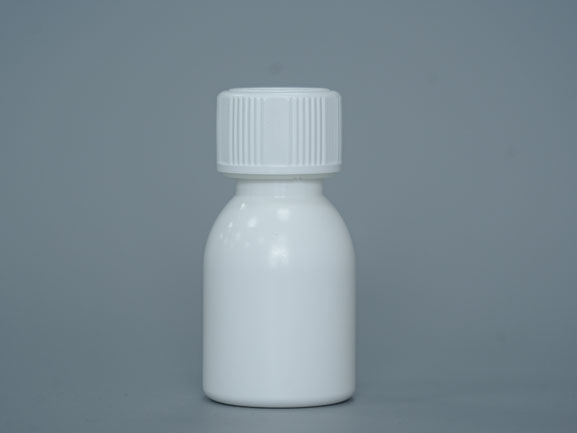
60ml HDPE dry syrup bottle

Applications of Tamper-Evident and Child-Resistant 28mm Caps

Pharmaceuticals: For OTC medicines like pain relievers, cough syrups, or vitamins, where child-resistant packaging is required by law.

Nutraceuticals: Dietary supplements, especially those containing herbs or high-dose vitamins, that must be kept away from children.

Food & Beverage: Bottled drinks, condiments, and sauces that need to be protected from tampering during transport and handling.

Cosmetics: Products such as lotions, creams, or oils that need to be tamper-proof for consumer confidence.

Conclusion

28mm tamper-evident and child-resistant caps provide essential safety features that help protect consumers and products alike. With their ability to prevent tampering and ensure that children cannot easily access harmful substances, these caps play a critical role in safeguarding public health. Additionally, they help businesses comply with regulatory standards, while also building consumer trust and confidence in the product’s integrity.


If you're considering incorporating 28mm tamper-evident and child-resistant caps into your packaging line, it's important to assess your product's needs, the types of safety features required, and the regulatory standards in your industry.

2025年2月6日星期四

Choosing Between Tubes, Blisters, and Sachets for Effervescent Tablet Packaging

 When it comes to packaging effervescent tablets, manufacturers face several important choices regarding the container type. The right packaging ensures product protection, consumer convenience, and brand appeal. Three popular packaging options for effervescent tablets are tubes, blisters, and sachets—each offering distinct advantages and disadvantages. In this blog, we’ll compare these packaging formats to help you determine the best solution for your product.

How Automated Labeling Is Revolutionizing Effervescent Tablet Packaging

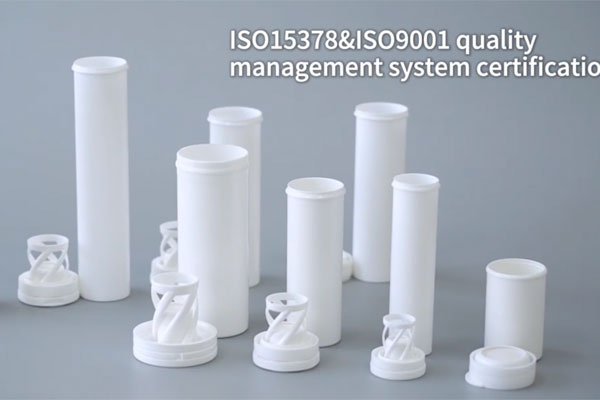
effervescent tablet packaging

1. Tubes: The Classic Choice for Effervescent Tablets

Effervescent tablets have long been associated with tube packaging, particularly in the health and wellness sector. Tubes offer a sturdy, easy-to-use packaging solution that is both functional and visually appealing.


Advantages:


Moisture Protection: Tubes typically provide strong protection against moisture, which is critical for effervescent tablets, as they are highly sensitive to humidity.

Convenience: Tubes are portable and easy to use, with most designs featuring twist-off caps that make it simple to access tablets one at a time.

Brand Visibility: Tubes offer ample space for branding, instructions, and regulatory information, allowing brands to showcase their product and create attractive packaging designs.

Sustainability: Many effervescent tablet tubes are now made from recyclable or biodegradable materials, responding to growing consumer demand for sustainable packaging.

Disadvantages:


Bulkier: Compared to blisters and sachets, tubes tend to be bulkier, which can increase shipping and storage costs.

Limited Number of Tablets: While convenient, tubes typically hold a smaller number of tablets than blister packs or sachets, which could affect overall cost-effectiveness for larger doses.

2. Blisters: Secure and Efficient Packaging

Blister packaging is a popular choice for pharmaceutical products, including effervescent tablets, due to its ability to provide individual tablet protection. This format involves placing each tablet in a sealed cavity, usually made from a plastic or aluminum material.


Advantages:


Moisture Protection: Blister packs are excellent at preventing moisture from compromising effervescent tablets. The individual seal around each tablet helps protect its potency.

Portion Control: Blisters allow for precise portioning, giving consumers the right number of tablets for a specific dosage. This is ideal for single-use applications.

Tamper-Evident: Blister packaging is tamper-evident, meaning it’s easy to detect if a product has been opened or altered, which enhances consumer trust and product safety.

Shelf Appeal: Blister packs can be highly customized and designed with vibrant colors, making them appealing on store shelves and enhancing brand recognition.

Disadvantages:


Less Portable: Although each tablet is individually sealed, the blister pack itself may be less portable than tubes or sachets. It is not as easy to carry around in a bag or pocket.

Waste and Environmental Concerns: Blister packs, particularly those made with aluminum or plastic, can be less sustainable, although some brands are exploring recyclable options.

3. Sachets: Single-Use Convenience

Sachets are small, sealed packets made from flexible materials such as foil or laminated films. They’re a popular choice for effervescent tablets that are meant for single-dose or travel-friendly use.

How Automated Labeling Is Revolutionizing Effervescent Tablet Packaging

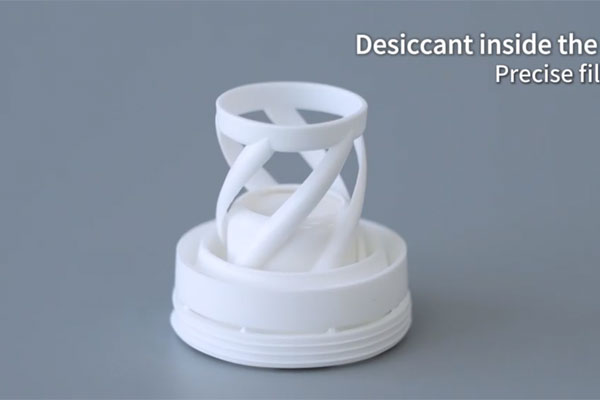
cap for effervescent tube

Advantages:


Portability: Sachets are incredibly lightweight and compact, making them ideal for consumers who need an on-the-go solution. They can easily fit into a purse, backpack, or pocket.

Convenience and Freshness: Sachets can be designed for single-dose use, ensuring consumers get a precise serving of effervescent tablets each time, while the sealed packet helps maintain freshness.

Lower Cost: The simple design of sachets often makes them a more cost-effective option for both manufacturers and consumers, especially when producing large quantities.

Customization: Like tubes and blisters, sachets offer ample space for branding, including product information, usage instructions, and eye-catching designs.

Disadvantages:


Protection Limitations: While sachets protect effervescent tablets from environmental factors, they generally don’t offer the same level of moisture protection as tubes or blisters. This makes it important to select high-quality materials to ensure the tablet's effectiveness.

Smaller Quantities: Sachets typically contain fewer tablets, which might not be ideal for consumers looking to purchase larger quantities in one go. This can also lead to more packaging waste if not designed efficiently.

2025年1月5日星期日

Characteristics of biological drugs and requirements for packaging

 Biopharmaceuticals refer to a class of products used for prevention, treatment and diagnosis that are manufactured from organisms, biological tissues, cells, body fluids, etc., using the research results of microbiology, biology, medicine, biochemistry, etc., and comprehensively utilizing the scientific principles and methods of microbiology, chemistry, biochemistry, biotechnology, pharmacy, etc. Its characteristics can be explained from the following aspects:

What is Gene Therapy

Polymer Vial 2ml 5ml 10ml for cell and gene therapies

1. Pharmacological properties

Strong activity: As natural active substances or their analogues existing in the body, biopharmaceuticals usually have high pharmacological activity.

Low toxicity and side effects: Compared with some chemical drugs, biopharmaceuticals usually have less toxicity and side effects, and have higher nutritional value for the human body under specific conditions.

Strong targeting: Biopharmaceuticals can play a role in specific diseases or pathological processes, such as vaccines can stimulate the human immune system to produce a protective response to specific pathogens.

2. Physical and chemical properties

Low content and high impurities: The content of biopharmaceuticals in organisms is usually low, and various impurities are easily mixed in the extraction process, resulting in complex processes.

Complex structure: The composition structure of biopharmaceuticals is complex and has a strict spatial structure, which is the basis for their biological activity.

Small effective dose: Due to the high activity of biological drugs, their effective dose is usually small, and there are strict requirements for the effectiveness and safety of the products.

Requirements for COP vials for cell-based drugs

RTU(ready to use) 2ml COP vial

III. Drug types and efficacy

Vaccines: used to prevent specific diseases, by stimulating the human immune system to produce a protective response to pathogens.

Antibody drugs: can specifically recognize and bind to specific molecules on pathogens or abnormal cells, thereby blocking their functions or marking them for the immune system to clear. This type of drug is widely used in cancer treatment and autoimmune diseases.

Recombinant protein: a protein expressed in cells or microorganisms using genetic engineering technology, used to treat certain genetic diseases or supplement proteins lacking in the body.

In addition, biological drugs also have anti-inflammatory, antiviral, immunomodulatory, cell repair and analgesic effects and functions.

Key Benefits of COP Cryogenic Vials in Biological Storage

100ml polymer vial

IV. Requirements for packaging of biological drugs

Biological drugs are different from ordinary chemical drugs and are very sensitive to the storage environment, so the requirements for packaging are also very strict. In addition to the requirements for sealing and material barrier properties of ordinary packaging, biological drugs generally need to be stored in low temperature or even liquid nitrogen environment. In addition, protein drugs also require packaging materials to have very low adsorption to ensure drug dosage and reduce overfilling costs. COP vials are special packaging made of cycloolefin polymer raw materials. They have high transparency and strong barrier properties and can withstand low temperatures of -196°C. Due to the hydrophobic properties of the material itself, the adhesion between the drug and the packaging material is effectively reduced, thereby reducing the risk of drug loss and interaction.

In summary, biological drugs have the characteristics of strong pharmacological properties, complex physical and chemical properties, diverse drug types and significant efficacy. COP vials have the characteristics of transparency, low temperature resistance, and low protein adsorption, making them a good packaging form for biological drugs.