2022年9月16日星期五

Factors Affecting the Forming of Effervescent Tubes-Back Pressure

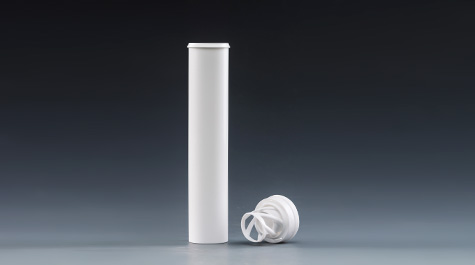
 In the production process of effervescent tubes, the control of various parameters is the key to ensure the quality of the finished product. This effervescent packaging container is produced by an injection molding process, in which back pressure is also one of the main factors affecting its molding.

Factors Affecting the Forming of Effervescent Tubes-Back Pressure

144mm*29mm effervescent tablet tube supplier


Injection back pressure refers to the pressure that the screw needs to overcome when the screw is reversed and withdrawn to store the material. The back pressure has a great influence on the melt temperature. The increase of the back pressure makes the material in the screw groove denser, prolongs the heating process of the material in the screw, and improves the plasticization quality of the effervescent tube. The use of high back pressure is conducive to the dispersion of the pigment and the melting of the plastic, but at the same time, it prolongs the retraction time of the screw, reduces the length of the plastic fiber, and increases the pressure of the injection molding machine. Therefore, the back pressure should be lower, generally not more than the injection molding machine. 20% of the pressure.

Back pressure is required for uniform heat melting, especially where the particles are still not melted by shear heat. Mechanical and appearance uniformity, uniform dispersion of color masterbatch (toner) and filler (glass fiber). The air brought in by the removed material is discharged towards the feed port. A uniform melt temperature gradient axis is produced, especially when the effective screw metering length is shortened. Reduce the fluctuation of residual buffer melt from mold to mold due to air trapping during pressurization.

To sum up, back pressure is also an important factor affecting the forming quality of effervescent tubes, and proper setting of back pressure parameters can ensure the quality of the finished product.

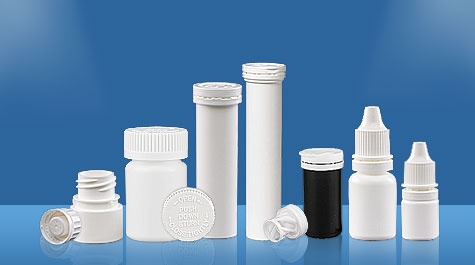
USP CONTAINERS-PLASTICS

 INTRODUCTION

It is the purpose of this chapter to provide standards for plastic materials and components used to package medical articles (pharmaceuticals, biologics, dietary supplements, and devices). Definitions that apply to this chapter are provided in the Preservation, Packaging, Storage, and Labeling section of the General Notices and Requirements. Standards and tests for the functional properties of containers and their components are provided in general chapter Containers—Performance Testing <671>.

In addition to the standards provided herein, the ingredients added to the polymers, and those used in the fabrication of the containers, must conform to the requirements in the applicable sections of the Code of Federal Regulations, Title 21, Indirect Food Additives, or have been evaluated by the FDA and determined to be acceptable substances for the listed use.

Plastic articles are identified and characterized by IR spectroscopy and differential scanning calorimetry. Standards are provided in this chapter for the identification and characterization of the different types of plastic, and the test procedures are provided at the end of the chapter. The degree of testing is based on whether or not the container has direct contact with the drug product, and the risk is based on the route of administration.

Plastics are composed of a mixture of homologous polymers, having a range of molecular weights. Plastics may contain other substances such as residues from the polymerization process, plasticizers, stabilizers, antioxidants, pigments, and lubricants. These materials meet the requirements for food contact as provided in the Code of Federal Regulations, Title 21. Factors such as plastic composition, processing and cleaning procedures, surface treatment, contacting media, inks, adhesives, absorption and permeability of preservatives, and conditions of storage may also affect the suitability of a plastic for a specific use. Extraction tests are designed to characterize the extracted components and identify possible migrants. The degree or extent of testing for extractables of the component is dependent on the intended use and the degree of risk to adversely impact the efficacy of the compendial article (drug, biologic, dietary supplement, or device). Resin-specific extraction tests are provided in this chapter for polyethylene, polypropylene, polypropylene terephthalate, and polypropylene terephthalate G. Test all other plastics as directed under Physicochemical Tests in the section Test Methods. Conduct the Buffering Capacity test only when the containers are intended to hold a liquid product.

Plastic components used for products of high risk, such as those intended for inhalation, parenteral preparation, and ophthalmics are tested using the Biological Tests in the section Test Methods.

Plastic containers intended for packaging products prepared for parenteral use meet the requirements under Biological Tests and Physicochemical Tests in the section Test Methods. Standards are also provided for polyethylene containers used to package dry oral dosage forms that are not meant for constitution into solution.


USP<661>CONTAINERS-PLASTICS

plastic pharmaceutical packaging


Source from USP


Common Specifications of Calf Paste Tube

 As a nutritional supplement, nutritional cream plays an important role in the energy supplement of newborn calves, aids in digestion, and improves resistance. This ointment is packaged in a dedicated plastic calf syringe.


plastic syringe appliaction in calf paste nutritional supplement

Calf Paste Tube Syringe Applicator 30cc 15cc 60cc


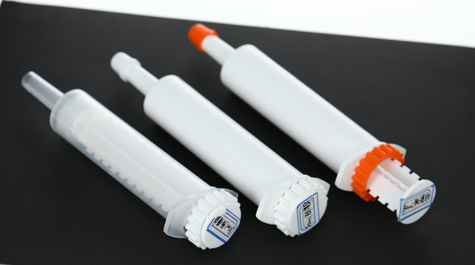
Calf paste tube is a kind of packaging with obvious functions. Common specifications include 15ml, 30ml, 60ml, etc. It consists of tube sleeve, push rod, piston, protective cap and positioning ring. In the storage stage of the drug, the protective cap is in a closed state, open the protective cap, put the tip into the mouth of the calf, and push the push rod to achieve the drug delivery function very easily.

The specifications of 15ml, 30ml and 60ml can be selected according to the specific needs of pharmaceutical companies, and you can also choose whether to have a positioning ring. Generally speaking, the dosage of nutritional cream should be determined according to the weight of the calf. The main function of the positioning ring is to control the dosage and make your feeding more scientific.

In general, the specifications of the calf paste tube are relatively diverse. Xinfuda can also customize the packaging according to your specific needs, and provide you with a one-stop overall packaging solution. Welcome to consult and order.


2022年9月14日星期三

What are the characteristics of the cap of the effervescent tube

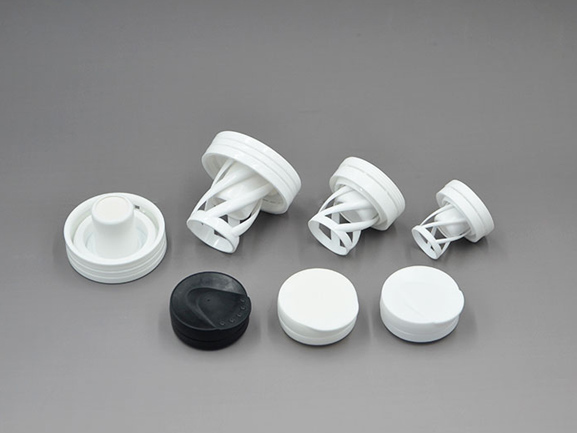
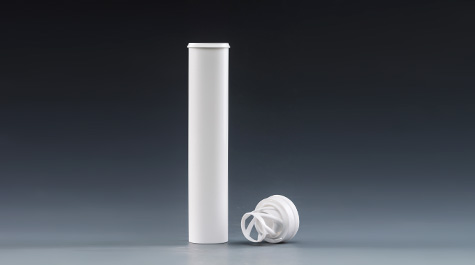
 The cap of the effervescent tube is composed of bottle cap skeleton, desiccant, cardboard, and coil spring. It uses the space at the top of the lid to store silica gel and molecular sieve. Silica gel can effectively control the number of water molecules for a long time. Absorbs water molecules, so that the internal moisture can be absorbed and the drug will not get wet.


Requirements for the moisture content of the desiccant in the effervescent tube

caps for effervescent tube


Effervescent tablet is a kind of tablet medicine containing disintegrant. It disintegrates instantly when put into water, releasing a large amount of carbon dioxide gas. It has very strict requirements on the moisture-proof performance of the effervescent tube, and its cover not only plays an important role in moisture-proof. It also protects the integrity of the effervescent tablet very well.


Requirements for the moisture content of the desiccant in the effervescent tube

144mm*29mm effervescent tube packaging


There is a helical spring on the cap, which is made of soft LDPE material, which can compress the tablet and prevent the drug from breaking due to the impact of various external forces during transportation.

In a word, the cap of the effervescent tube is different from the ordinary bottle cap. It not only isolates the outside world from contact with the inside of the package, but also has the functions of moisture-proof and drug integrity protection. It is a cap with its own characteristics.

How to use the calf paste tube

 The Calf paste tube is a multifunctional veterinary package, which consists of a tube sleeve, push rod, piston, protective cap and positioning ring. While storing the medicine, paste syringe also has the function of drug delivery. So, how should this packaging be used?

plastic syringe appliaction in calf paste nutritional supplement

Calf Paste Tube Syringe Applicator 30cc 15cc 60cc


Calf Nutritional Cream is primarily used to promote a healthy appetite and digestive system in newborn calves, allowing them to reach their full genetic potential. When administering with the plastic syringe applicator, follow these steps:

1. Estimate the body weight of the calf, and calculate the dose of the drug based on the body weight.

2. Slide the positioning ring to the corresponding dose to fix it, inject the drug deep into the calf's mouth, and push the push rod to administer the drug.

3. After the administration, lift the head of the calf and let it swallow the medicine.

The above are the steps for using the calf paste tube. The resistance of the newborn calf is relatively weak. When administering the drug, the operator should do his own hygiene work to avoid introducing external infection and affecting the health of the calf.

2022年9月6日星期二

Requirements for the moisture content of the desiccant in the effervescent tube

 Effervescent tube is a kind of medicine packaging container with excellent moisture-proof performance. On the one hand, its moisture-proof function is realized through strict sealing. On the other hand, silica gel and molecular sieve desiccant are placed inside the package to absorb the internal moisture.

Requirements for the moisture content of the desiccant in the effervescent tube

144mm*29mm effervescent tube packaging


For the moisture content of the two desiccants, effervescent tubes also have relevant regulations. In YBB00172004-2015 "Quality Standard for Oral Solid Pharmaceutical Low Density Polyethylene Moisture-Proof Combination Caps", the requirements for the moisture content of the desiccant are as follows:


Requirements for the moisture content of the desiccant in the effervescent tube

caps for effervescent tube


In an environment where the relative humidity of silica gel does not exceed 75%, quickly take out the bottle cap from the closed packaging bag, and take out 5-7g of desiccant from the bottle cap, put it in a weighing bottle (W1) with constant weight, and weigh it. Weight (W2), placed in an oven at 180°C ± 10°C (the total time from opening the bottle cap to the time when the desiccant is placed in the oven should not exceed 5 minutes) to constant weight (weighing as W3), calculated by the following formula, containing water The rate must not exceed 4.8%.

Macromolecular sieve In an environment where the relative humidity does not exceed 75%, quickly take out an appropriate amount of the bottle cap from the closed package, take out the desiccant in the bottle cap with tweezers, and place it in a constant weight crucible W0 (add 8-10g to each crucible). ), accurately weighed W1, placed in a high-temperature furnace at 950°C (the total time from opening the cap packaging bag to placing the desiccant in the high-temperature furnace should not exceed 5 minutes), drying for one hour, taking out the crucible, and accurately weighing after cooling. Determine W2, and calculate according to the following formula, and the moisture content should not exceed 4.8%.

The above are the requirements of the effervescent tube for the moisture content of the desiccant. A qualified desiccant is the basis for ensuring its internal moisture-proof performance and is also an important factor to ensure the stability of the effervescent tablet.

Composition of the calf paste syringe

 Newborn Calf Nutrition Cream is an oral paste that provides energy, colostrum, probiotics, active protein and vitamins to prevent indigestion and help newborn calves get started quickly. This paste is packaged in a pourer, mainly because of its unique functionality, but also because of its structure.

plastic syringe appliaction in calf paste nutritional supplement

Calf Paste Tube Syringe Applicator 30cc 15cc 60cc


The calf paste tube is composed of a tube sleeve, a push rod, a piston, a protective cap, with a positioning ring or without a positioning ring. After the drug filling is completed, the push rod and the protective cap can achieve a sealing effect. At this time, it plays the role of drug storage. The role of the container. Remove the protective cap and push the push rod, and it instantly turns into a drug delivery tool, which also has the functions of drug storage and drug delivery.

The speciality of this packaging is also reflected in the aspect of dosing. There is a standard scale printed on the push rod. After calculating the appropriate dose, slide the positioning ring to the corresponding scale and push the push rod. When the push rod reaches the Stop pushing at the positioning ring, so as to achieve precise control of the drug dose.

From the composition of the calf paste syringe, we can see that it is a packaging container with diversified functions. Such packaging is of great significance for improving the added value of drugs and enhancing the competitiveness of pharmaceutical companies.