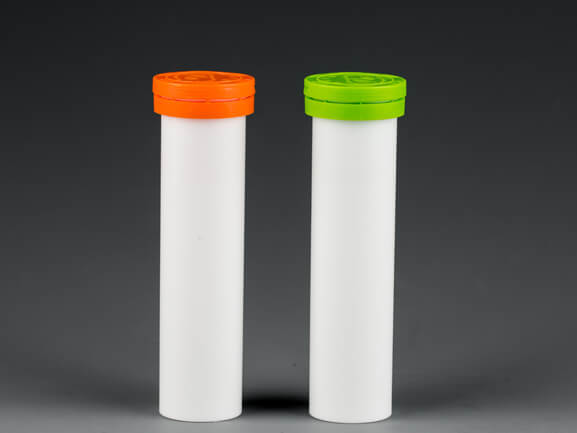
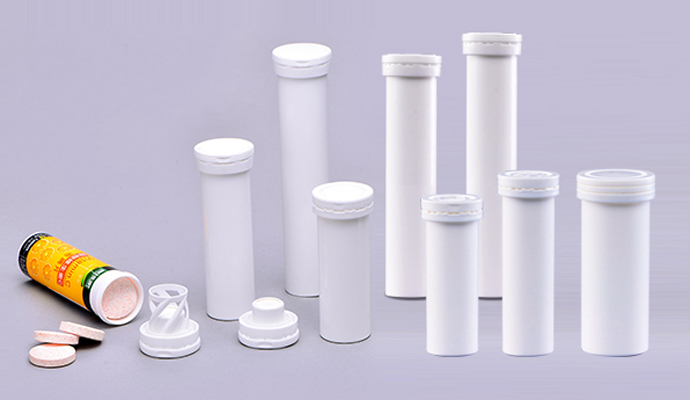
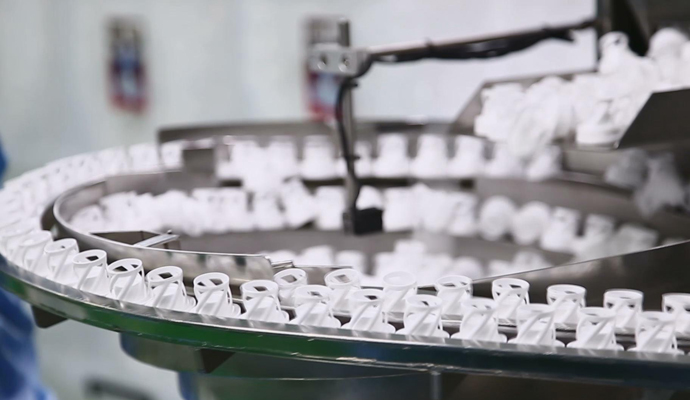
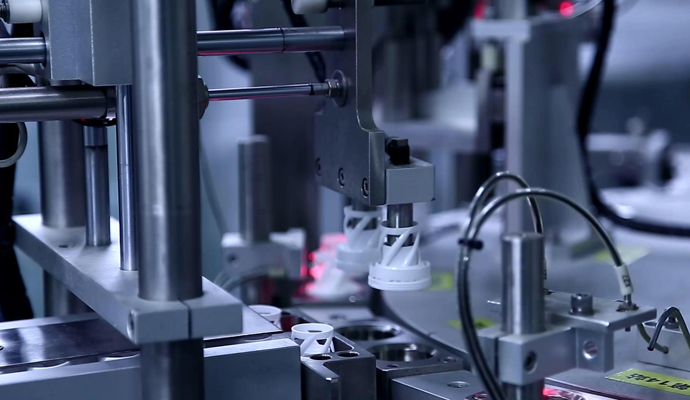
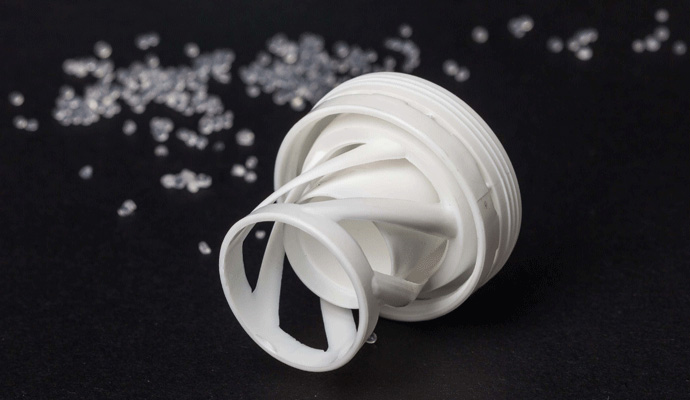
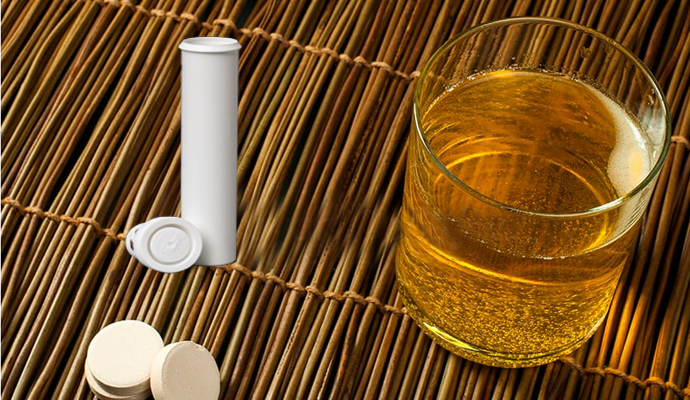
In the pharmaceutical industry, the use of 28mm caps with or without desiccants is determined by the specific requirements of the medication being packaged. Here's a breakdown of the applications and considerations for each:
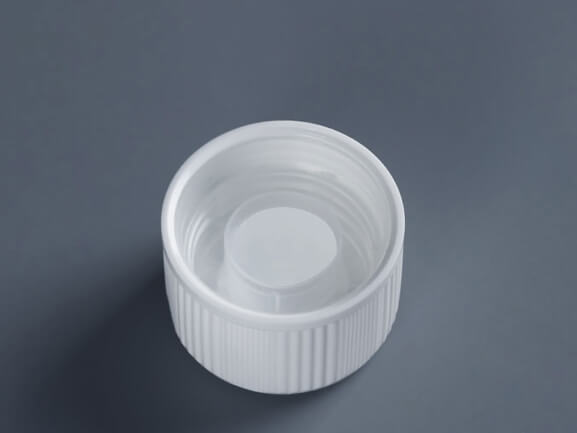
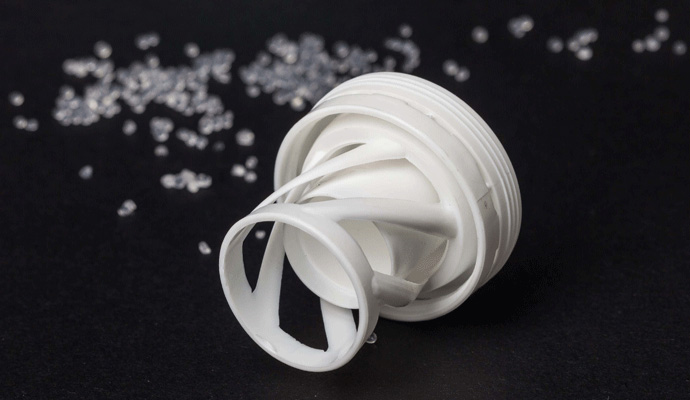
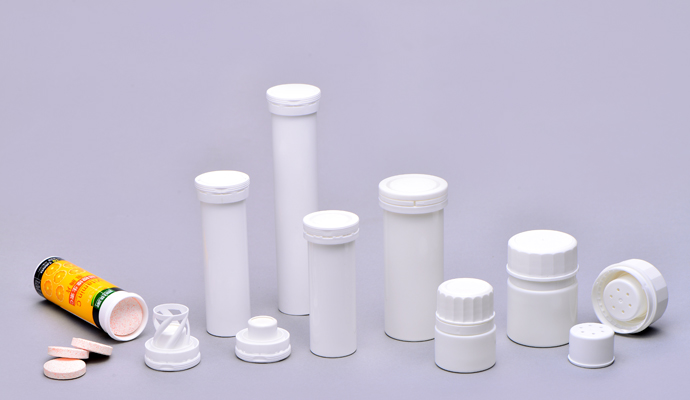
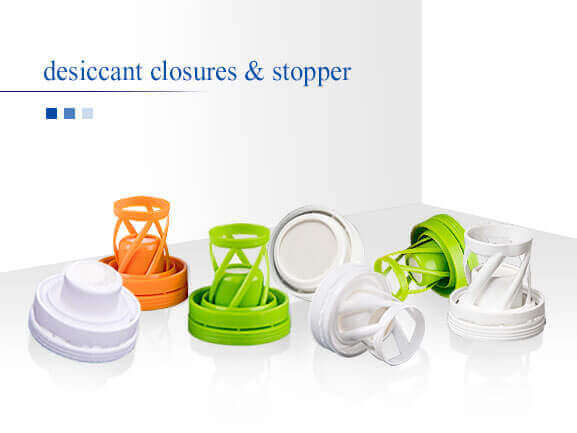
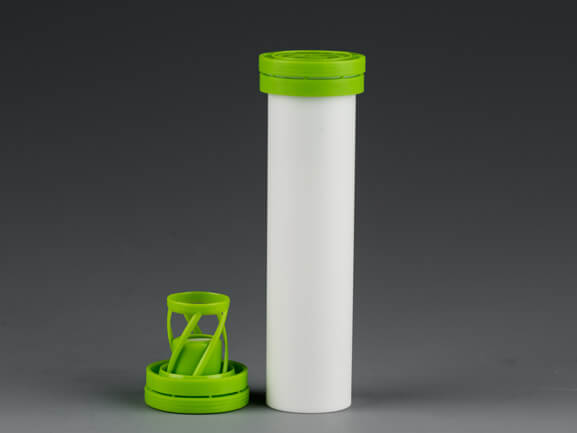
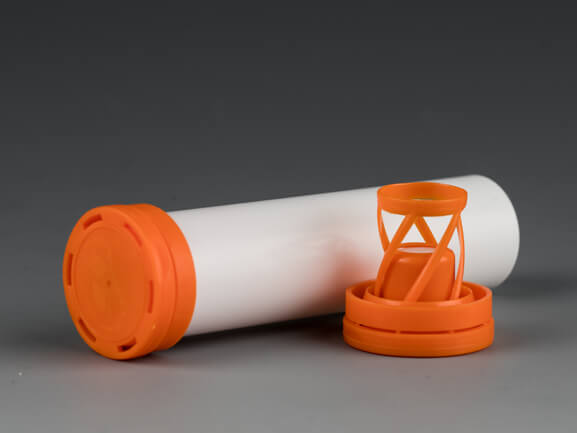
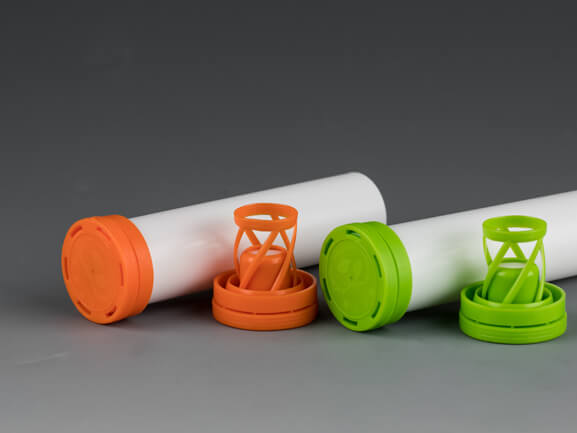
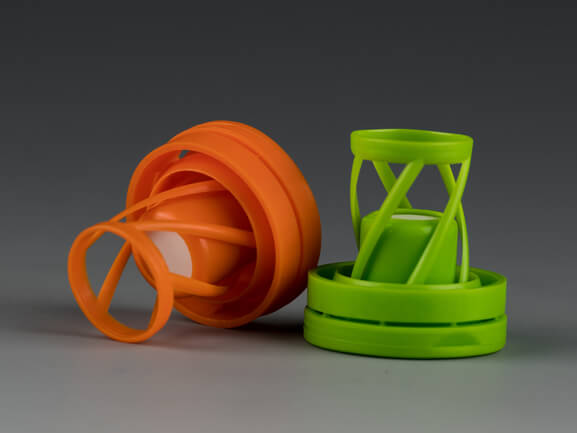
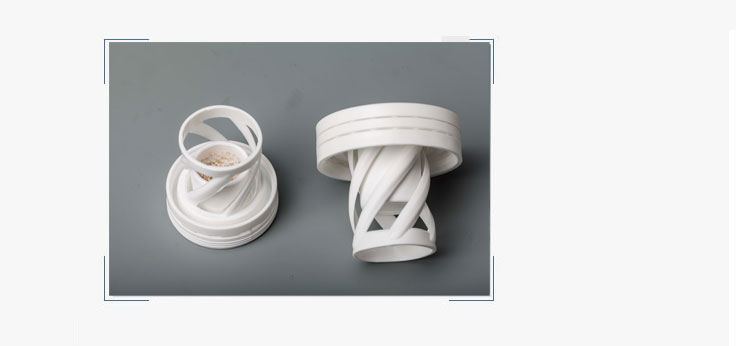
28mm Silica Gel Cap with Child Resistant
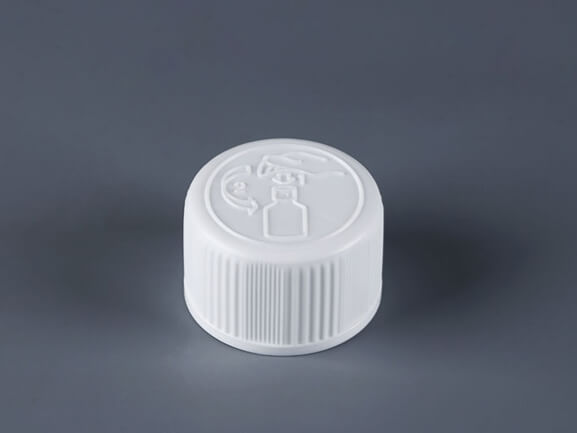
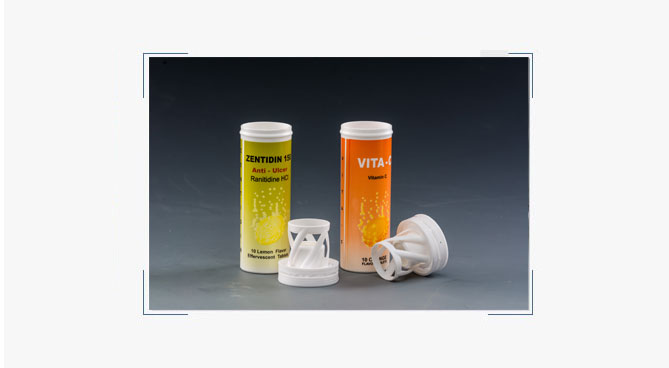
28mm Cap with Desiccant Applications:
Moisture-Sensitive Medications: Medications that are hygroscopic or sensitive to moisture require protection to maintain their efficacy and stability. This includes certain tablets, capsules, and powders.
Extended Shelf Life: Products that need an extended shelf life benefit from the moisture absorption properties of desiccants, preventing degradation over time.
Biopharmaceuticals: Some biological products, which are often sensitive to environmental conditions, might also use desiccant caps.
Considerations:
Material Compatibility: The desiccant must be compatible with the pharmaceutical product and the packaging material.
Regulatory Compliance: Desiccants used in pharmaceutical packaging must meet regulatory standards for safety and efficacy.
Cost: Desiccant caps are typically more expensive due to the additional materials and manufacturing processes involved.
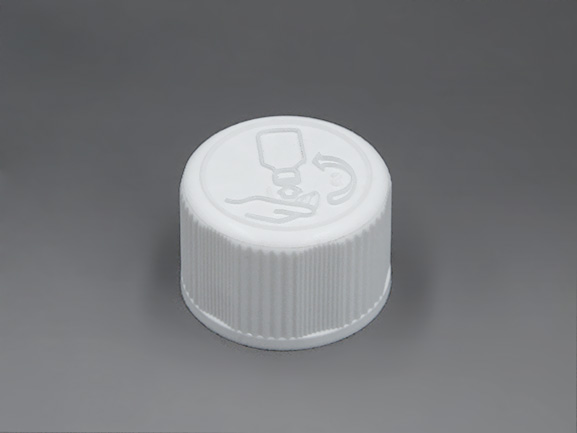
28mm child resistant cap for liquid
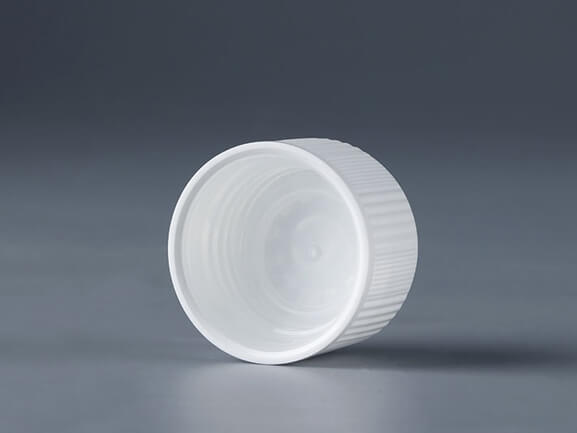
28mm Cap without Desiccant Applications:
Non-Hygroscopic Medications: Products that are not sensitive to moisture do not require desiccants. This includes many liquids, non-hygroscopic tablets, and some ointments.
Short-Term Use: Medications that are intended for short-term use or have a rapid turnover may not need the added protection of a desiccant.
Moisture-Resistant Formulations: Some medications are formulated to be inherently resistant to moisture, negating the need for additional desiccants.
Considerations:
Cost-Effectiveness: Caps without desiccants are generally cheaper to produce and purchase.
Simplicity in Packaging: Simplifies the packaging process and reduces potential compatibility issues with desiccant materials.
Environmental Impact: Reduces the use of additional materials, which may be beneficial from an environmental perspective.
Decision Factors
Moisture Sensitivity of the Product: Determine if the medication degrades or loses potency when exposed to moisture.
Shelf Life Requirements: Assess how long the product needs to remain stable on the shelf.
Storage Conditions: Consider the typical storage conditions (temperature and humidity) the product will be exposed to.
Cost-Benefit Analysis: Weigh the costs of using desiccant caps against the potential benefits of increased product stability and shelf life.
Regulatory Requirements: Ensure compliance with all relevant pharmaceutical regulations and guidelines for packaging.
Summary
Using 28mm caps with desiccants is essential for moisture-sensitive medications to ensure their stability and efficacy over time. For products that are not affected by moisture, caps without desiccants are a cost-effective and simpler option. The decision should be based on the specific needs of the pharmaceutical product, considering factors like moisture sensitivity, shelf life, storage conditions, cost, and regulatory requirements.