2021年8月10日星期二

Application of Plastic Syringe in Lubricating Grease

 With the diversification of packaging functions, plastic syringes, a new type of packaging that can store medicines and have injection functions, are gradually being applied to more and more industries. It can be used not only to store medicines, but also as grease package of.
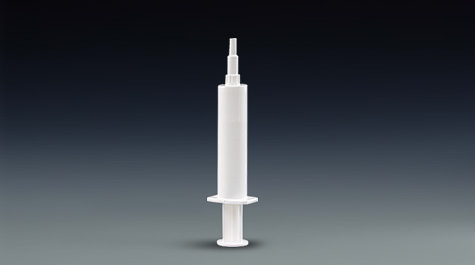

Application of Plastic Syringe in Lubricating Grease

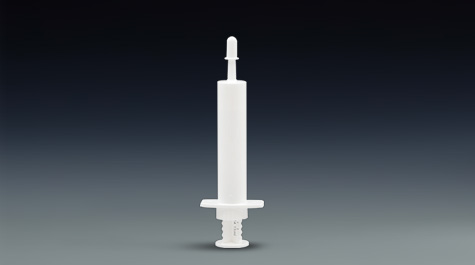
10ml gel syringe

Lubricating grease is a thick, grease-like semi-solid, mainly composed of mineral oil (or synthetic lubricating oil) and thickening agent. It is used in the friction part of the machine to play the role of lubrication and sealing. It is also used on the metal surface to fill the gap and prevent rust. Such as lubrication pumps, mixers, electrical connectors, joints, terminals, switch devices, valves, knives, fishing reels, bows and arrows, etc. can all be lubricated with grease.

The plastic syringe is composed of a sleeve, a push rod, a piston, and a protective cap. Clean the surface before use, open the protective cap, gently push the push rod, and apply a small amount of grease to the location where you want to lubricate the part, and wipe it off Excess parts to avoid soiling and contaminating the surrounding area. Compared with lubricants in the form of drops, this kind of grease can be used to accurately control the dosage without causing excessive lubrication. It is an efficient packaging form.
With the rapid development of science and technology, people's requirements for packaging not only focus on aesthetics, but also have higher requirements for functionality. Compared with some ordinary packaging such as aluminum-plastic tubes and drop bottles, plastic veterinary syringes have unique advantages, such as accurate dosage, reduced pollution, and convenient use, which are the main reasons for the continuous expansion of its application range.

2021年8月9日星期一

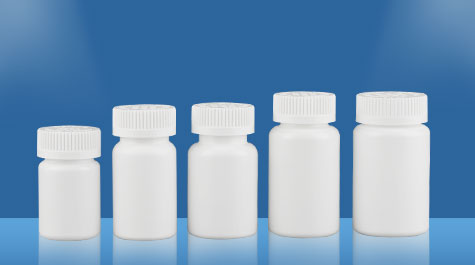
What medicines can be contained in the tablet medicine bottle

 Tablet medicine bottles are generally made of polymer materials such as polyethylene, polypropylene or polyester. This type of packaging bottle has a large mouth and a desiccant is placed inside the bottle to absorb moisture. It can not only be used as a packaging for tablet medicines, It can also contain capsules and pills.


What medicines can be contained in the tablet medicine bottle

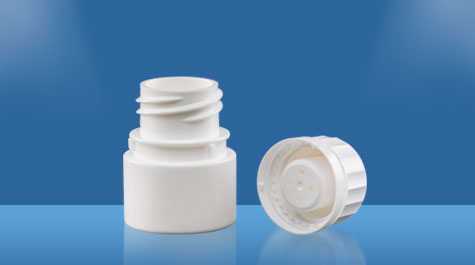
50ml desiccant bottle


Capsules: The drugs packed in capsules are generally powders or granules that are irritating to the esophagus and gastric mucosa, or have a bad taste, are easy to volatilize, are easily broken down by saliva in the mouth, and are easily inhaled into the trachea. These medicines are packed in capsules, which not only protects the properties of the medicines from being destroyed, but also protects the digestive organs and respiratory tract.

Pills: Pills are spherical or spheroid-like preparations made of medicinal powders or medicinal material extracts plus suitable binding auxiliary materials. Classification according to the preparation method: 

①Plastic pills, such as honey pills, paste pills, concentrated pills, wax pills, etc.; 

②Pan pills, such as water pills, water honey pills, concentrated pills, paste pills, etc.; 

③Drip pills (dropping pills). Classified by excipients: water pill, honey pill, water pill, paste pill, wax pill, etc.


What medicines can be contained in the tablet medicine bottle

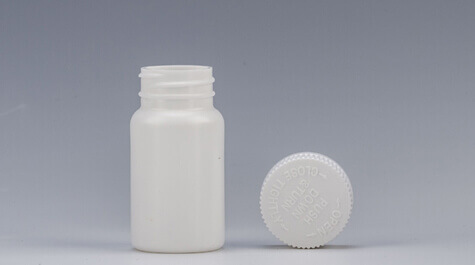
HDPE pill bottle


Whether it is tablets, capsules, or pills, these drugs are all solid preparations, which have high requirements on the tightness and moisture resistance of the packaging. The tablets and medicine bottles have abundant raw materials, various shapes and colors, and polymer materials can also be used. By adding additives to improve its performance, it can meet the storage requirements of capsules and pills.

2021年8月8日星期日

plastic bottle for capsule

 Tablet vials are packaging containers for ordinary tablets, sustained-release tablets, dispersible tablets and other tablets. At present, most of the vials on the market are processed from polymer materials, which have good barrier properties and are also the mainstay of capsules and other drugs. package style.


plastic bottle for capsule

45ml plastic medicine bottle


Capsules refer to capsules made of special film-forming materials (such as gelatin, cellulose, polysaccharides, etc.). The contents (such as powders, liquids, etc.) or various types of drugs are packed into them for easy swallowing . The drugs packed in capsules are generally powders or granules that are irritating to the esophagus and gastric mucosa, or have a bad taste, are easy to volatilize, are easily broken down by saliva in the mouth, and are easily inhaled into the trachea. These medicines are packed in capsules, which not only protects the properties of the medicines from being destroyed, but also protects the digestive organs and respiratory tract. Removal of the capsule shell may cause loss of medicine, waste of medicine, and reduced efficacy. In addition, some drugs need to be dissolved and absorbed in the intestines, and the capsules protect the drugs from being destroyed by gastric acid.


plastic bottle for capsule

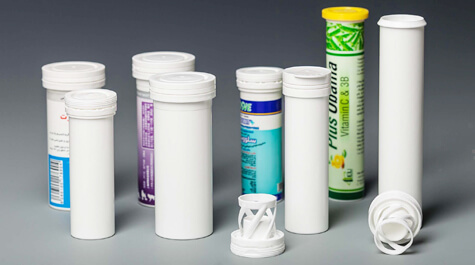
effervescent tablet tube


Capsules are a common pharmaceutical dosage form currently on the market. High temperature and high humidity will adversely affect the capsules, causing them to soften, become sticky, swell, and the contents are clumped, which can easily cause microbial growth. Commonly used packaging materials for tablet medicine bottles include polyethylene, polypropylene, polyester, etc. These materials have good barrier properties, can withstand the corrosion of most acid and alkali solvents, and are light in weight and easy to process and shape, including capsules. Many of the solid medicines have chosen this kind of packaging.

Although the tablet medicine bottle has good sealing and moisture barrier properties, it should be stored in a dry and cool place with a relative humidity of no more than 45%, and the temperature should not exceed 25°C to ensure the stability of the capsule preparation.

2021年8月4日星期三

plastic bottle for capsule

Tablet vials are packaging containers for ordinary tablets, sustained-release tablets, dispersible tablets and other tablets. At present, most of the vials on the market are processed from polymer materials, which have good barrier properties and are also the mainstay of capsules and other drugs. package style.


plastic bottle for capsule

45ml plastic medicine bottle


Capsules refer to capsules made of special film-forming materials (such as gelatin, cellulose, polysaccharides, etc.). The contents (such as powders, liquids, etc.) or various types of drugs are packed into them for easy swallowing . The drugs packed in capsules are generally powders or granules that are irritating to the esophagus and gastric mucosa, or have a bad taste, are easy to volatilize, are easily broken down by saliva in the mouth, and are easily inhaled into the trachea. These medicines are packed in capsules, which not only protects the properties of the medicines from being destroyed, but also protects the digestive organs and respiratory tract. Removal of the capsule shell may cause loss of medicine, waste of medicine, and reduced efficacy. In addition, some drugs need to be dissolved and absorbed in the intestines, and the capsules protect the drugs from being destroyed by gastric acid.


plastic bottle for capsule

effervescent tablet tube


Capsules are a common pharmaceutical dosage form currently on the market. High temperature and high humidity will adversely affect the capsules, causing them to soften, become sticky, swell, and the contents are clumped, which can easily cause microbial growth. Commonly used packaging materials for tablet medicine bottles include polyethylene, polypropylene, polyester, etc. These materials have good barrier properties, can withstand the corrosion of most acid and alkali solvents, and are light in weight and easy to process and shape, including capsules. Many of the solid medicines have chosen this kind of packaging.

Although the tablet medicine bottle has good sealing and moisture barrier properties, it should be stored in a dry and cool place with a relative humidity of no more than 45%, and the temperature should not exceed 25°C to ensure the stability of the capsule preparation. 

Comparison of two materials of plastic vaccine bottle

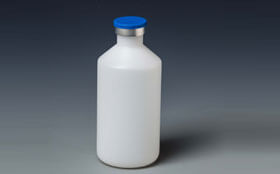
 Plastic vaccine bottles are mainly used for the storage of inactivated vaccines in the veterinary medicine industry. The raw materials used to make this kind of packaging are mainly polyethylene (PE) and polypropylene (PP). So what is the difference between these two raw materials?


Comparison of two materials of plastic vaccine bottle

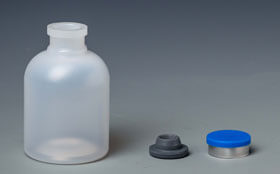
100ml autoclavable vaccine vial


Polypropylene is a white waxy material with transparent and light appearance, colorless, odorless, and non-toxic. It has good high temperature resistance and can resist corrosion by most acids, alkalis and solvents. But this kind of raw material is easy to be brittle at low temperature, so some additives will be added during production to improve the toughness of the bottle. The use temperature of polyethylene is -100~-70°C. It has good low temperature resistance, insoluble in general solvents at room temperature, low water absorption, excellent electrical insulation performance, and toughness better than polypropylene.


Comparison of two materials of plastic vaccine bottle

100ml PP injection vial


Comparing the two raw materials, the corrosion resistance is almost the same, but the transparency of polypropylene is higher than that of polyethylene, and it can be made into a translucent plastic vaccine bottle. Thanks to its good high temperature resistance, polypropylene bottles can be terminally sterilized, and the low temperature resistance and toughness of polyethylene are better than polypropylene raw materials.
In general, if pharmaceutical companies require terminal sterilization of plastic vaccine bottles, they will choose polypropylene raw materials, and if the packaging has high requirements for toughness, they will choose polyethylene raw materials. The various performance advantages of these two raw materials complement each other and meet the different needs of different veterinary drug manufacturers for vaccine packaging.

2021年8月1日星期日

Causes and solutions for the brittle body of the effervescent tube

 The quality of medicine packaging directly affects the storage of medicines and even endangers the health of patients. The effervescent tube is a special packaging for large-dose tablets such as effervescent tablets and candy compressed tablets. Sometimes the bottle body may become brittle. What causes this?


Causes and solutions for the brittle body of the effervescent tube

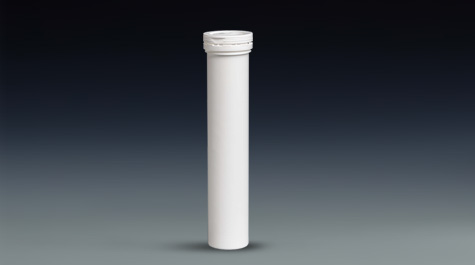
144mm*29mm effervescent tablet tube


The effervescent tube is generally processed by injection molding. The bottle body is brittle refers to the cracking or fracture of some parts. It is mainly due to the degradation of the material that causes the macromolecules to break, which reduces the molecular weight of the macromolecules, thereby making the polymer as a whole Physical performance is reduced. It can be solved by the following methods:

In terms of materials, set proper drying conditions before injection molding. If you continue to dry for a few days or the drying temperature is too high, although volatile moisture and other substances can be removed, it is also easy to cause material degradation, especially heat-sensitive plastics. Reduce the use of recycled materials and increase the proportion of virgin materials.

In terms of process conditions, reduce the temperature of the barrel and nozzle, reduce the back pressure, injection pressure, screw speed and injection speed, reduce the generation of excessive shear heat, and avoid polymer decomposition. If it is brittle due to insufficient melt mark strength, the melt mark strength can be increased by increasing the melt temperature and injection pressure. Reduce mold opening speed, ejection speed and ejection pressure.

In addition, to solve the problem of brittleness of the effervescent tube body, it is also necessary to select a suitable screw for the injection molding machine, and the temperature distribution during plasticization is more uniform. If the temperature of the material is uneven, too much heat will easily accumulate locally, leading to degradation of the material.

How to judge the quality of pet nutrition ointment syringe

 The pet nutrition cream syringe is a special packaging container, which also has the function of drug delivery. The quality of the packaging plays an important role in the safety and effectiveness of the nutritional cream. There are many types of pharmaceutical packaging on the market, and the quality is uneven. The quality of this packaging can be judged by the following points:


How to judge the quality of pet nutrition ointment syringe

15ml syringe for pets feeding


1. Appearance: The pet nutrition ointment syringe is made of PE material through injection molding process. The head of the needle tube should be flat, free of burrs, bends, cracks, and gag defects. The inner wall of the tube body is flat and smooth, with no color difference. The cap is full-formed, uniform in color, without cracks and deformation. The putter has full forming, uniform color and no deformation. The piston is fully formed, without flashing, and without obvious shrinkage.


How to judge the quality of pet nutrition ointment syringe

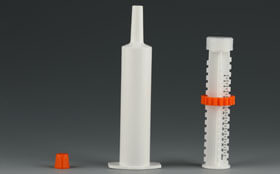
dial a dose syringe


2. Airtightness: This kind of packaging has higher requirements for airtightness. When selecting a syringe, the airtightness should be tested. Fill half of the water in the syringe, insert the piston into the syringe, remove the protective cap, and eliminate residual air. Then block with a protective cap, and apply an axial pressure of 30N on the push rod rubber plug inside the syringe through the push rod, and keep it for thirty seconds. There should be no leakage at the seal of the cap and the piston.
3. Production environment: This kind of packaging is directly in contact with the nutritional cream, and its microbiological limit must meet the standard requirements. Generally, it should be produced in a clean workshop that meets national standards. If the veterinary drug manufacturer has higher requirements for the microbial limit, additional environmental protection can be carried out. Oxyethane sterilization or cobalt 60 irradiation sterilization.
The quality of the pet nutrition cream paste syringe can be judged by the above points. Only high-quality packaging can ensure the good storage state of the nutrition cream, which is conducive to the healthy growth of pets.