2024年8月26日星期一

Child-resistant caps for oral preparations: Reduce the chance of children taking medications by mistake

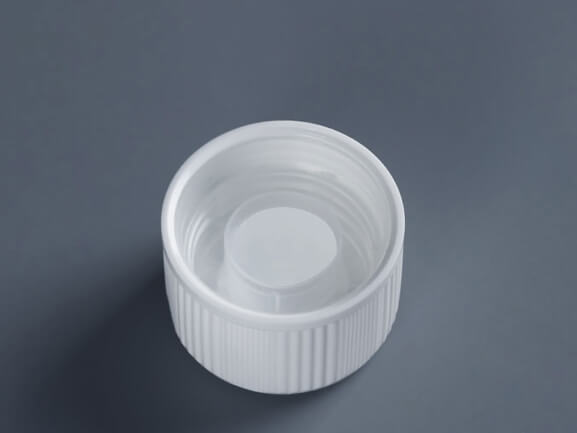
 In our daily lives, we frequently encounter instances where children accidentally ingest medications, which can pose significant risks to their health and safety. To address this concern, child resistant packaging is import for pharmaceuticals. Child-resistant caps for oral dosage forms have been developed. These specially designed lids feature an inner and outer double-layer structure, which makes them more challenging to open and effectively prevents children from inadvertently accessing the medication.
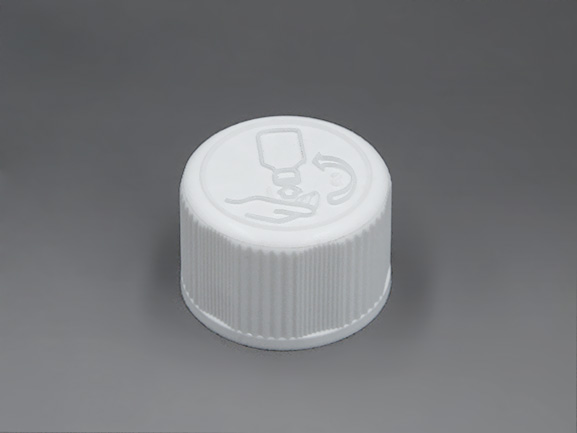
The innovative design of oral liquid bottle cap 

28mm child resistant cap for liquid

Design Principle:

The design of child resistant caps for oral preparations is primarily based on this inner and outer double-layer structure. The outer cover and inner cover are connected through a slot, requiring users to press down and rotate in two directions simultaneously to open the lid. This mechanism increases the difficulty of opening, as children typically lack the strength and dexterity needed to manipulate such a design, thereby significantly reducing the likelihood of accidental ingestion.
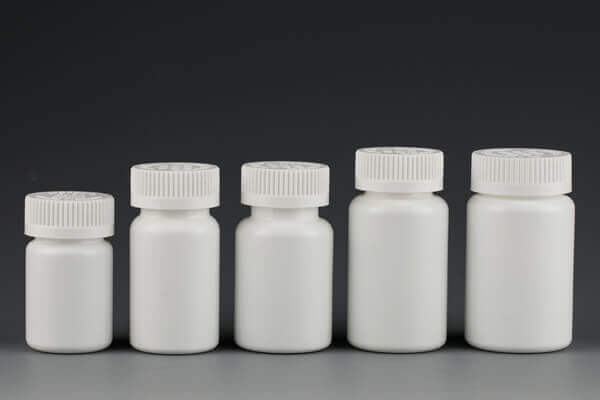
Preventing children from opening the bottle can effectively reduce the risk of children accidentally ingesting drugs

HDPE bottle with child resistant closure

Practical Applications:

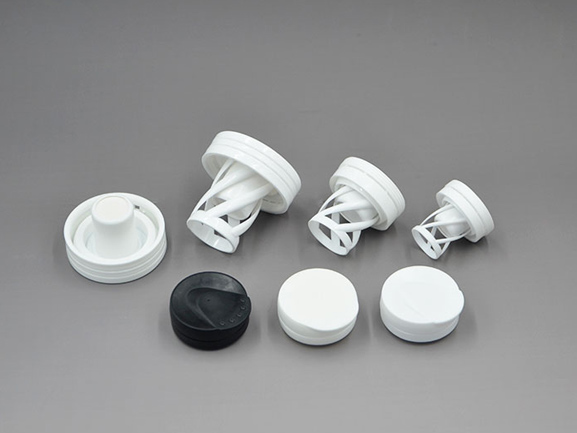
Child-resiostant caps for oral preparations have demonstrated remarkable effectiveness in practical applications. They can be utilized with both glass and plastic bottles and are commonly used for packaging oral medications such as ibuprofen suspension, acetaminophen, ambrofenol oral solution, and ambroxol hydrochloride oral solution. Additionally, when used for solid medications, these lids often include a small silo to hold a desiccant, which helps maintain the stability of the internal environment of the package.
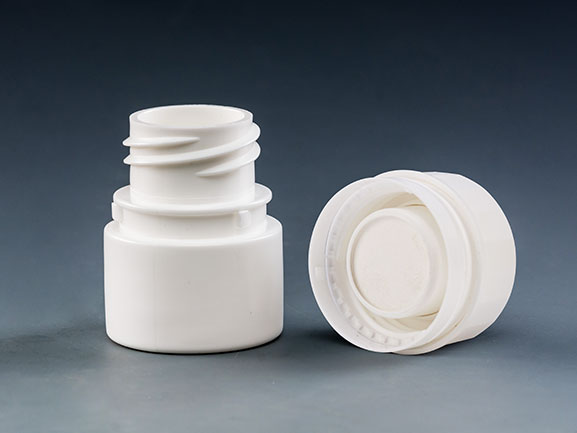
Child-resistant caps for oral preparations: Reduce the chance of children taking medications by mistake

Child Resistant Cap with Desiccant for HDPE Container


In summary, child resistant caps for oral preparations serve as an effective measure to prevent accidental ingestion of medications by children. Their innovative inner and outer double-layer design enhances the difficulty of opening, thereby safeguarding children from potential harm. However, it remains essential for parents to practice proper drug management to ensure the ongoing health and safety of their children.

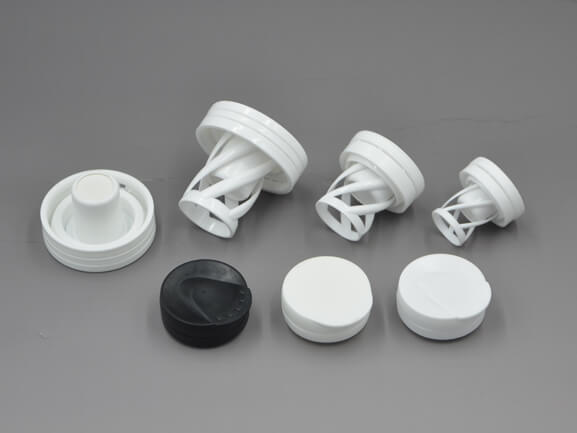
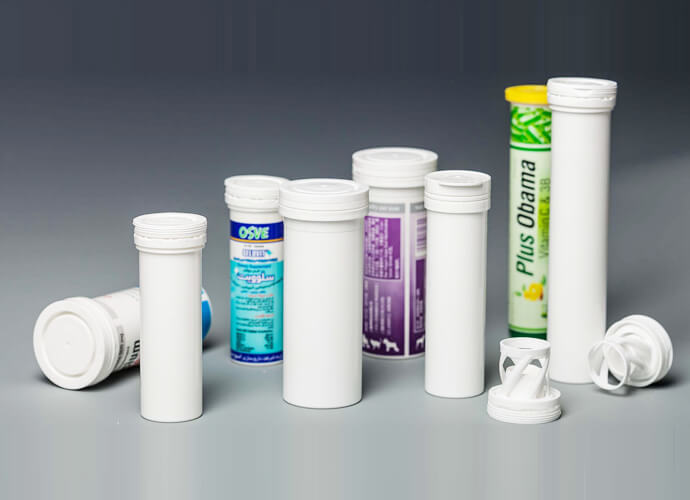
Child-resistant packaging certification and ISO 8317 standard analysis

Child-resistant packaging certification plays a vital role in ensuring the safety of families and children. Since the introduction of the Poison Prevention Packaging Act (PPPA) in the United States in the 1970s, child-resistant packaging has become an important part of protective measures. The law stipulates that all products harmful to children must use child-proof packaging, thus significantly reducing the rate of accidents caused by children's exposure to harmful substances.

Preventing children from opening the bottle can effectively reduce the risk of children accidentally ingesting drugs

HDPE bottle with child resistant closure

The ISO 8317 standard is one of the key international standards for certification of child-safe packaging. The standard is designed to ensure that packaging effectively prevents misuse by children while being easy for adults to use. ISO 8317's testing process requires packaging to prevent at least 80% of successful opening attempts by children aged 42 to 51 months. If the packaging is able to meet this standard, it is considered child-safe.

In addition, ISO 8317 also takes into account the ease of use by adults of different ages, including the elderly. Qualified packaging should not only have adequate protective capabilities, but also be easy for adults to use and reseal. This balance ensures children's safety without causing too much trouble during normal use.

Many countries and regions around the world have followed standards similar to the US PPPA and formulated corresponding child safety packaging specifications. International certification to ISO 8317 provides a unified quality standard that standardizes child-safe packaging worldwide, thereby improving safety.

The innovative design of oral liquid bottle cap 

28mm child resistant cap for liquid medicine

In short, child-resistant packaging certification is a key step in protecting children's health, and the ISO 8317 standard provides a scientific basis to ensure the effectiveness of packaging in practical applications. Companies should strictly abide by these standards when designing and producing packaging to ensure the safety of children. 

2024年8月13日星期二

The Innovative Container with Silica Gel Cap: A Game Changer for Product Preservation

 Have you ever opened a box of shoes or a new electronic gadget and found those little packets of silica gel tucked inside? While we often toss those packets aside, they play a crucial role in maintaining the quality and longevity of products. Now, imagine if you could harness that moisture-absorbing power directly in the packaging itself. Enter the innovative container with a silica gel cap-a simple yet revolutionary concept in product preservation!

The Innovative Container with Silica Gel Cap: A Game Changer for Product Preservation

desiccant cap

What is a Silica Gel Cap?

A silica gel cap is essentially a cap made from materials infused with silica gel, which is known for its excellent moisture-absorbing capabilities. Unlike traditional caps that can trap humidity inside, these specialized caps help regulate moisture levels, preventing mold, mildew, and degradation of the product inside.


Benefits of Using a Silica Gel Cap

Enhanced Shelf Life: For products like pharmaceuticals, cosmetics, and food items, maintaining a stable environment is crucial. For instance, a skincare cream housed in a container with a silica gel cap can remain fresh and effective longer since excess moisture is absorbed, preventing the growth of bacteria and mold.


Cost-Effective: By extending the shelf life of products, manufacturers can reduce waste and save costs associated with returns and replacements. For example, a brand that uses silica gel caps in their vitamin bottles may find fewer expired products on shelves, translating to better inventory turnover.


Environmentally Friendly: Silica gel is non-toxic and can be reused. Some innovative brands are even creating containers where the silica gel cap can be replaced once saturated, promoting sustainability.


User Convenience: For items like pet food, which often spoil quickly due to humidity, a silica gel cap can keep the contents fresher for longer. Imagine being able to open a bag of kibble and find it just as crunchy and appealing as when you first bought it!

Pill tube with desiccant cap

effervescent tablet packaging

Real-World Applications

Electronics: Devices like cameras and smartphones are sensitive to moisture. Packaging them with a silica gel cap can help maintain optimal conditions, reducing the risk of damage from humidity.


Pharmaceuticals: Brands that produce sensitive medications, like insulin, can integrate silica gel caps into their packaging to ensure product efficacy over time.

Food and Beverages: Companies like Nestlé are exploring silica gel caps for snacks to keep them crispy longer, ensuring that every bite is as satisfying as the first.


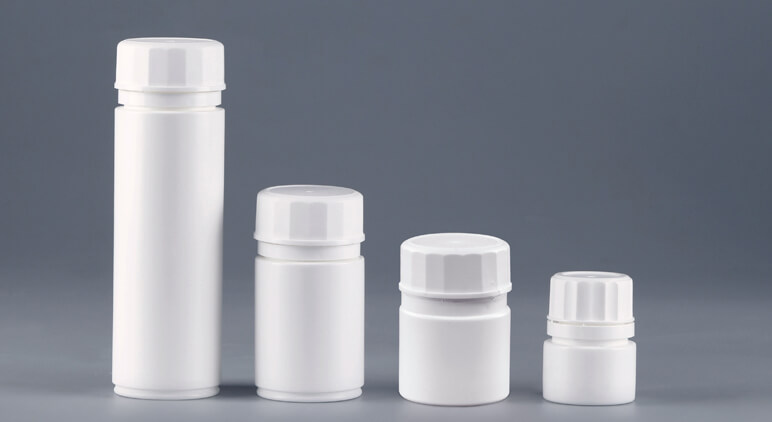
Desiccant bottle characteristics

desiccant bottle with silica gel


Conclusion

The container with a silica gel cap is more than just a clever design; it's a practical solution that bridges the gap between effective product preservation and consumer convenience. As we continue to seek sustainable and efficient ways to maintain product quality, these innovative containers may just become the norm across various industries. So next time you come across a silica gel cap, remember—it's not just packaging; it’s preserving the quality of what you love!


2024年8月2日星期五

The Prospects of the Pharmaceutical Packaging Industry

 The pharmaceutical packaging industry stands at a critical juncture of growth and transformation, driven by advances in technology, stringent regulatory requirements, and evolving consumer demands. As we navigate through the 21st century, the industry is poised to experience significant changes that will shape its future. This blog explores the current landscape, emerging trends, and the prospects of the pharmaceutical packaging industry.

Current Landscape

Emerging Trends

Future Prospects


Desiccant bottle characteristics

desiccant bottle with silica gel

Current Landscape


Pharmaceutical packaging serves multiple purposes, including protecting drug products, ensuring patient safety, providing information, and facilitating ease of use. The industry's primary segments include:

Primary Packaging: Direct contact with the drug (e.g., bottles, blister packs, vials).

Secondary Packaging: Provides additional protection and grouping (e.g., cartons, boxes).

Tertiary Packaging: Bulk handling and transportation (e.g., pallets, crates).

The industry is regulated by stringent standards to ensure the safety and efficacy of medications. Key regulatory bodies include the FDA (USA), EMA (Europe), and PMDA (Japan), among others.

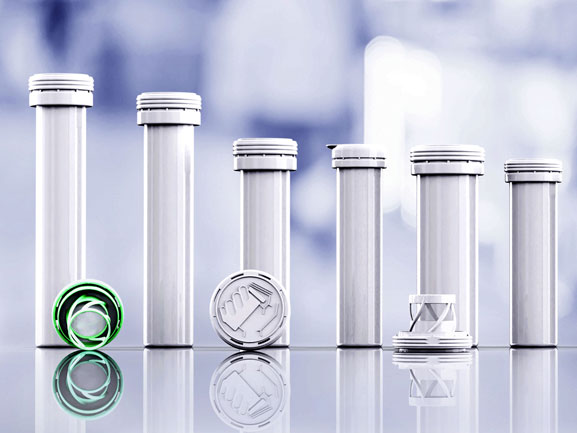
Effervescent tubes with spiral caps information

Effervescent tube

Emerging Trends


Smart Packaging:

RFID Tags and QR Codes: Enhance traceability and anti-counterfeiting measures.

Sensors: Monitor storage conditions (e.g., temperature, humidity) to ensure drug integrity.


Sustainability:

Eco-friendly Materials: Increased use of biodegradable and recyclable materials to reduce environmental impact.

Lightweight Packaging: Reducing material usage while maintaining protection standards.

What is Gene Therapy

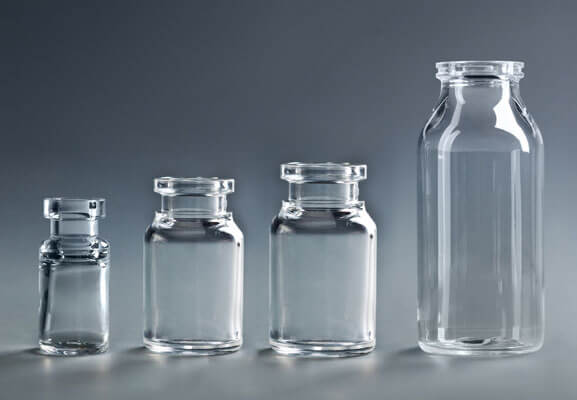
COP vial

Personalized Medicine:

Custom Packaging Solutions: Tailored to individual patient needs and dosages, requiring flexible and adaptable packaging systems.


Automation and AI:

Smart Manufacturing: Incorporation of AI and machine learning to optimize production processes, reduce waste, and ensure consistent quality.


Robotics: Automated packaging lines to improve efficiency and reduce human error.


Market Growth Drivers

Aging Population:

Increased demand for medications to manage chronic diseases prevalent in older populations.

Advancements in Biotechnology:


Rise in complex biologics and biosimilars requiring specialized packaging solutions to maintain stability and efficacy.


Regulatory Compliance:

Ongoing updates to regulatory standards necessitate continuous innovation in packaging solutions to ensure compliance.

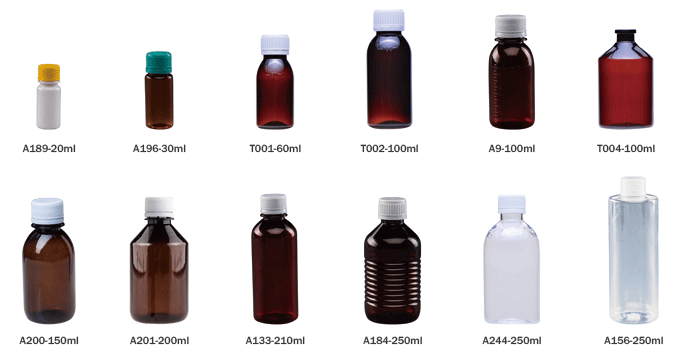
Application and characteristics of amber PET bottle

PET amber bottle

Globalization:

Expansion of pharmaceutical markets into emerging economies, driving demand for diverse and adaptable packaging solutions.

Challenges


Cost Management:

Balancing the need for advanced packaging solutions with cost efficiency remains a significant challenge.

Regulatory Hurdles:


Navigating the complex and varying regulations across different regions requires significant resources and expertise.


Counterfeit Drugs:

Ensuring the authenticity of medications through secure packaging to combat the growing threat of counterfeit drugs.


Future Prospects


The future of the pharmaceutical packaging industry looks promising, driven by technological innovations and the growing need for safe and effective drug delivery. Key areas of growth include:


Digital Integration:


Increased use of digital technologies for enhanced traceability, patient engagement, and data analytics.


Biodegradable and Smart Materials:

Development of new materials that combine sustainability with advanced functionalities.


Collaborative Innovations:

Partnerships between pharmaceutical companies, packaging manufacturers, and technology providers to co-create innovative solutions.


Patient-Centric Design:

Focus on packaging that improves patient adherence, convenience, and overall experience.


The journey ahead is one of transformation and opportunity, promising a future where pharmaceutical packaging not only meets the demands of today but also anticipates the needs of tomorrow.

2024年7月29日星期一

Protecting the stability of drug efficacy: moisture-proof design of effervescent tube

 In modern pharmaceutical packaging, moisture resistance is one of the most important considerations, especially for special packaging forms such as effervescent tubes for oral solid drugs. The moisture resistance of effervescent tubes depends not only on the design of the internal desiccant, but also on the strict requirements of the packaging material - white paper.

Effervescent tubes with spiral caps information

Effervescent tube

The desiccant inside the effervescent tube cap is mainly composed of a mixture of silica gel and molecular sieves. This design ensures long-term and effective control of the number of water molecules. Silica gel can continuously and stably absorb moisture, while molecular sieves quickly absorb moisture in a short time. Together, they ensure that the stability and effectiveness of the drug are not affected by the humid environment.

The key is that the desiccant is sealed by white paper, which must meet strict national standards, such as moisture content less than 6%, no arsenic more than 0.0001% and no lead more than 0.0005%. These requirements ensure the high quality and stability of white paper, and avoid the barrier effect of excessively thick paperboard or excessive moisture content affecting the performance of the desiccant.

The manufacturing and quality standards of the effervescent tube follow the national standard YBB00172004-2015 "Oral Solid Medicinal Low-density Polyethylene Moisture-proof Combined Bottle Cap", in which the specifications of the white paper are strictly controlled at 0.46-0.55mm pure high-quality wood pulp white cardboard to ensure that the drug contact surface has no flake fluorescence after inspection under ultraviolet light.

Requirements for the moisture content of the desiccant in the effervescent tube

caps for effervescent tube

The effervescent tube performs well in protecting the stability of drug efficacy. The key to its moisture-proof performance lies in the high-quality white paper material and precise desiccant design. This high-standard manufacturing process not only ensures the safety of drugs during storage and transportation, but also sets a good example for the development of modern pharmaceutical packaging technology.

2024年7月22日星期一

Xinfuda Unveils Innovative Multifunctional 28mm Cap: CRC and Desiccant Cap

 Shijiazhuang, China – Xinfuda Medical Packaging, a global leader in advanced packaging solutions, proudly announces the launch of its latest innovation: the multifunctional 28mm cap. This new cap combines the features of a child-resistant closure (CRC) with an integrated desiccant, setting a new standard in packaging technology for pharmaceuticals and other sensitive products.

28mm silica cap.jpg

28mm Silica Gel Cap with Child Resistant

The innovative design of oral liquid bottle cap 

Dual-Functionality for Enhanced Safety and Preservation


The multifunctional 28mm cap is designed to address two critical needs: child safety and product preservation. The child-resistant feature ensures that medications and other potentially hazardous substances are kept out of reach of children, significantly reducing the risk of accidental ingestion. The integrated desiccant, on the other hand, protects the contents from moisture, maintaining the integrity and efficacy of the product over time.


Innovative Design and Material Excellence


Crafted from high-quality, durable materials, Xinfuda's new cap is engineered for reliability and longevity. The cap's design not only ensures a tight seal to prevent contamination but also incorporates a user-friendly mechanism that makes it easy for adults to open while remaining secure against tampering by children. The built-in desiccant is seamlessly integrated, providing continuous moisture protection without the need for additional packaging components.


Versatility and Wide Application


The 28mm multifunctional cap is suitable for a wide range of applications, including pharmaceuticals, nutraceuticals, and other moisture-sensitive products. Its versatility makes it an ideal solution for manufacturers looking to enhance the safety and shelf life of their products. By combining CRC and desiccant functions in a single cap, Xinfuda offers a streamlined, cost-effective packaging solution that meets the highest standards of safety and quality.


Commitment to Innovation and Quality


Xinfuda's introduction of the multifunctional 28mm cap underscores its commitment to innovation and excellence in the packaging industry. The company continues to leverage cutting-edge technology and advanced materials to develop products that meet the evolving needs of its clients and the regulatory landscape.


Conclusion


With the launch of the multifunctional 28mm cap, Xinfuda Medical Packaging once again demonstrates its leadership in providing advanced, reliable, and user-friendly packaging solutions. This new cap is poised to make a significant impact on the industry by enhancing product safety and longevity, ultimately benefiting manufacturers and consumers alike.


2024年7月18日星期四

What are the inspection items for eye drop bottles

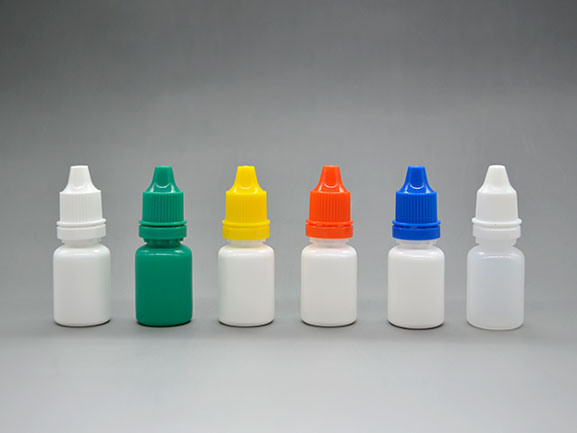
 As an important tool for eye medication, the quality of eye drop bottles is directly related to the user's vision health and safety. According to the standard YBB00062002-2015 "Low-density polyethylene eye drop bottles", the inspection items of eye drop bottles include the following:

FDA warns consumers about potential risks of using eye drops packaged in bottles with loose safety seals

eye drop bottles

Appearance and identification: The eye drop bottle must first have an intact appearance without obvious foreign matter or defects. At the same time, the uniqueness and identifiability of the product are ensured through labeling and packaging to avoid confusion.

Density and sealing: The density test of the eye drop bottle ensures that the bottle material meets the requirements, while the sealing test ensures that it does not leak during use to avoid contamination and waste of the liquid medicine.

Drip volume and visible foreign matter: The accurate control of the drip volume directly affects the dosage of the liquid medicine, while the detection of visible foreign matter eliminates any impurities that may affect the clarity and safety of the liquid medicine.

Dissolution test: Including the detection of clarity, pH change, oxidizable substances, heavy metals, absorbance and non-volatile substances to evaluate the stability and safety of the liquid medicine in the bottle.

Ignition residue and n-hexane non-volatile matter: Ensure the compliance of the residue after the bottle is burned under specific conditions, and exclude the possible contamination of the non-volatile matter on the liquid medicine.

Decolorization test and microbial limit: The decolorization test detects the effect of the bottle material on the photostability of the liquid medicine, and the microbial limit ensures the sterility of the bottle before and after use.

Biological test: Biological tests include abnormal toxicity and eye irritation tests. The abnormal toxicity test ensures that the bottle material will not have adverse reactions or toxic effects on the human body; the eye irritation test evaluates the irritation reaction that may be caused by the liquid medicine contacting the eyes.

Through the above series of strict testing items, the manufacturers and users of eye drop bottles can ensure the quality and safety of the products, thereby effectively ensuring the effect of eye drug administration and the health of users. These testing items not only meet the requirements of the standards, but also reflect the high requirements and challenges of pharmaceutical processes and technologies, providing reliable protection for eye health.